How Long Does Toyota Take to Build a Car Once Its Ordered by the Dealership
Recipe Developer & Kitchen Guide Writer at Choose Vacuum · Certified Home Economist, ServSafe Food Handler · 8+ years developing home recipes and testing everyday kitchen techniques
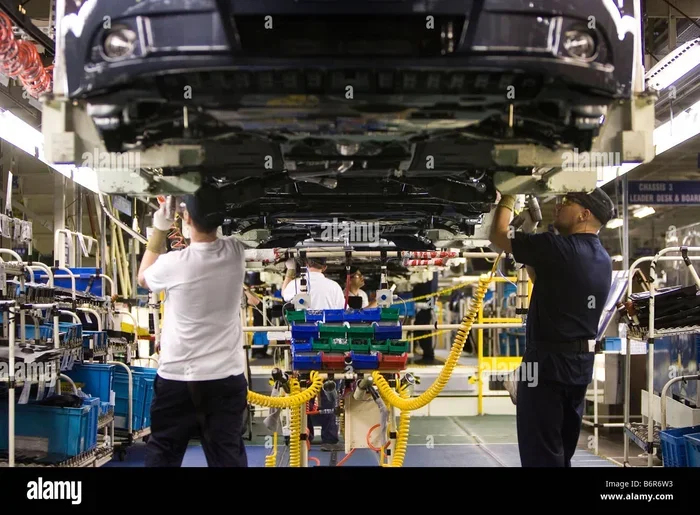
How long does Toyota take to build a car once its ordered by the dealership? The typical build time ranges from 2 to 8 weeks, depending on the model, customization level, and current factory demand. Understanding each stage of the Toyota production and delivery process helps you set realistic expectations and plan your purchase with confidence.
This is a comprehensive guide about how long does toyota take to build a car once its ordered by the dealership.
Key Takeaways
- Standard build times: Most Toyota vehicles take 2 to 8 weeks from order to dealership delivery.
- Customization adds time: Special colors, trims, and features can extend the build period by several weeks.
- Factory location matters: Vehicles built in different Toyota plants may have varying timelines.
- Tracking tools help: You can monitor your order status through the dealership or Toyota’s online portal.
- Patience pays off: Waiting for the right configuration often means getting a car you truly love.
- Dealer allocation affects timing: High-demand models may have longer waits due to limited supply.
[FEATURED_IMAGE_PLACEHOLDER]
The Toyota Vehicle Build Process Explained
When you place an order for a Toyota through your local dealership, a lot happens behind the scenes before that car reaches your driveway. The Toyota build process is a well-organized system that has been refined over decades. Every vehicle goes through several distinct stages, from initial order processing to final quality checks on the assembly line.
The journey begins the moment your dealer submits your order into Toyota’s production system. This is called the order-to-build phase. Your specific requests — whether it is a particular exterior color, a trim level, or a set of optional features — get logged and grouped with other similar orders. Toyota builds vehicles in batches, which helps keep the manufacturing process efficient and cost-effective.
Step 1: Order Submission and Allocation
Your dealership submits your order to Toyota’s regional or national distribution center. This is where the vehicle allocation process begins. Toyota assigns a production slot based on several factors, including the model you ordered, current market demand, and the dealership’s historical sales data. Popular models like the RAV4 or Camry may have longer allocation queues than less in-demand vehicles.
During this stage, your order gets a preliminary build date. This date is not always set in stone. Supply chain disruptions, parts shortages, or shifts in production priorities can cause adjustments. Your dealer should keep you informed of any changes as they arise.
Step 2: Production and Assembly
Once your order enters the production queue, the actual vehicle assembly begins. Toyota factories use a combination of robotic automation and skilled human labor. The assembly line moves through stations where the chassis is built, the engine is installed, the body is painted, and interior components are added.
Each vehicle undergoes multiple quality inspections throughout the process. Toyota is known for its rigorous quality control standards. Workers check every weld, every panel gap, and every electronic component. This attention to detail is a big reason why Toyota vehicles have such a strong reputation for reliability.
Step 3: Painting and Finishing
The painting stage is one of the most time-sensitive parts of the process. The body goes through multiple coats — primer, base color, and clear coat — before being baked in a large oven. Special colors or two-tone finishes take additional time and resources, which is one reason why custom color choices can extend your build timeline.
After painting, the vehicle moves to the final assembly area. Here, the interior gets fully installed. Seats, dashboard components, wiring harnesses, and trim pieces are all put in place. The vehicle then undergoes a comprehensive inspection to make sure everything works correctly before it is cleared for shipment.
Factors That Affect Build Time
The question of how long Toyota takes to build a car does not have a single answer. Many variables influence the timeline. Some factors are within your control, while others depend on market conditions and Toyota’s production schedule.
Model Popularity and Demand
High-demand models naturally take longer to build. When everyone wants the same vehicle, production slots fill up fast. If you are ordering a popular trim of a best-selling model, expect the wait to be on the longer end of the spectrum. Less popular configurations may move through production faster simply because fewer people are ordering them.
Customization Options
Every additional feature you select adds complexity to the build. A base model with standard options will typically roll off the line faster than a fully loaded vehicle with every available package. Here are some customization factors that can extend build time:
- Special exterior colors: Non-standard or limited-edition shades require extra paint processing.
- Premium interior materials: Leather seats, wood trim, and advanced upholstery take more time to install.
- Advanced technology packages: Features like adaptive cruise control, head-up displays, and premium audio systems require additional wiring and programming.
- Drivetrain selection: Four-wheel-drive models often take longer than front-wheel-drive versions because of the additional components.
Supply Chain and Parts Availability
Toyota relies on a vast network of suppliers for parts and components. When global supply chains face disruptions — whether from weather events, factory shutdowns, or logistics delays — production can slow down. The Toyota supply chain is generally resilient, but it is not immune to external pressures. Your dealer will typically advise you if parts shortages are affecting your build timeline.
Factory Location and Shipping Routes
Toyota operates manufacturing plants in multiple locations, including the United States, Japan, and Mexico. The factory where your vehicle is built affects both production speed and delivery logistics. Vehicles built closer to your dealership generally arrive faster. Understanding the production location of your vehicle can give you a better sense of the overall timeline.
From Factory to Dealership: The Delivery Journey
Once your Toyota rolls off the assembly line and passes final inspection, it is not done yet. The vehicle still needs to travel from the factory to your dealership. This post-build delivery phase adds additional time to the overall process.
Completed vehicles are loaded onto transport trucks or trains and shipped to regional distribution centers. From there, they are distributed to individual dealerships. The distance between the factory and your dealer plays a significant role in this timeline. A vehicle built in Kentucky might reach a dealer in the same state within a few days, while one built in Japan could take several weeks to arrive by ocean freight.
After the vehicle arrives at the dealership, it goes through a pre-delivery inspection. Dealers check the vehicle for any transit damage, verify that all requested options are present, and prepare it for sale. This final step usually takes one to three business days. Only after this inspection is complete is your vehicle ready for you to pick up.
How Long Does It Take to Sit Comfortably in the New Car?
One thing people often overlook is the comfort of the driving position. Just as proper posture is key when you spend long hours working, the way you sit in an office chair affects your comfort over time, the same applies to your new Toyota’s driver seat. Take time to adjust the seat, mirrors, and steering wheel for optimal comfort during your first drive home.
How to Track Your Toyota Order
Waiting for a new car can feel like a waiting game, but you do not have to sit in the dark. Toyota and most dealerships offer tools to help you track your order status throughout the build and delivery process.
Online Order Tracking
Many Toyota dealerships provide online portals where you can check the status of your order. You can typically see when the vehicle entered production, its current build stage, and estimated delivery dates. Some dealers also send email or text updates at key milestones. Ask your sales representative about the tracking options available at your dealership.
Understanding Build Sheets
A build sheet is a document that shows all the specifications of your vehicle. It includes the VIN (Vehicle Identification Number), model details, color codes, and option packages. Once your vehicle is built, the dealership can share the build sheet with you. This gives you a clear picture of exactly what is being produced and helps confirm that all your selected options are correct.
Communicating with Your Dealer
Regular communication with your dealer is one of the best ways to stay informed. Do not hesitate to call or email your sales representative for updates. A good dealer will proactively reach out when there are changes to your timeline. Building a positive relationship with your sales team makes the entire process smoother and less stressful.
Tips for Reducing Your Wait Time
While you cannot control every aspect of the Toyota production timeline, there are steps you can take to minimize your wait. Smart planning and flexible choices can significantly shorten the time between ordering and driving.
Choose Popular Configurations
Vehicles with standard colors and commonly requested trim levels tend to have shorter build times. Dealers often have these configurations in their existing inventory or can source them faster. If your timeline is tight, consider selecting a configuration that aligns with current dealer stock or high-demand builds.
Check Dealer Inventory First
Before placing a custom order, ask your dealer if they have any vehicles in stock that match your preferences. Many dealerships maintain a selection of ready-to-deliver vehicles. These cars have already been built and are sitting on the lot waiting for a buyer. You could drive home the same day instead of waiting weeks.
Be Flexible with Options
If time is your priority, being flexible about certain features can speed things up. Choosing a standard color over a specialty paint, or a common trim over a rare one, often results in a faster build. Every compromise on customization is a potential reduction in wait time.
Time Your Order Strategically
The time of year you place your order can affect how long you wait. Dealerships often receive fresh allocations at the start of a new model year or at the end of a quarter. Placing your order during these periods may give you access to a shorter production queue. Conversely, ordering during peak buying seasons like spring and summer can mean longer waits.
Measure Your Expectations
Just as you would carefully measure a chair before purchasing to make sure it fits your space, take time to measure your expectations for the build and delivery timeline. Understanding that a 4 to 6 week wait is normal for most Toyota orders helps you stay patient and avoid frustration.
What Happens After the Build Is Complete
Once your Toyota is built and arrives at the dealership, there are still a few steps before you can take delivery. The pre-delivery inspection is a critical quality gate. Dealership technicians check the vehicle thoroughly, including verifying fluid levels, testing all electronics, and inspecting the exterior and interior for any defects.
After the inspection passes, the vehicle is cleaned and detailed. Many dealerships also apply a protective coating or perform a final wash. This ensures your new Toyota looks its best when you pick it up.
When it is time for delivery, your sales representative will walk you through all the features and options of your vehicle. This is also your opportunity to ask any final questions and get comfortable with the car before driving it home. Some dealers even offer a first-service orientation to help you understand your maintenance schedule and warranty coverage.
Once you have your keys in hand, it is time to enjoy your new Toyota. And just like keeping any vehicle in great shape, regular cleaning and maintenance go a long way. If you ever need to clean the interior, think of it like maintaining any quality piece — similar to how you would care for upholstery by following a guide on how to wash a chair, your car interior benefits from regular, gentle cleaning.
Common Mistakes to Avoid When Ordering a Toyota
Many buyers make preventable mistakes during the ordering process that lead to unnecessary delays or disappointment. Being aware of these pitfalls can save you time and frustration.
- Ordering during peak demand periods: Spring and summer are the busiest times for car buying. Orders placed during these seasons often face longer production queues.
- Selecting rare options: Unique color combinations or uncommon trim packages can bottleneck the production process. These configurations may require special scheduling.
- Not confirming dealer allocation: Some dealers have better access to production slots than others. Choosing a dealer with strong Toyota relationships can improve your timeline.
- Ignoring in-stock options: Many buyers overlook vehicles already at the dealership in favor of custom builds. Checking inventory first can dramatically reduce your wait.
- Failing to communicate timelines: If you have a deadline — such as needing a car before a vacation — tell your dealer upfront. They may be able to prioritize your order or find an alternative solution.
Expert Insights on Toyota Production Timelines
Industry experts note that Toyota’s production system is among the most efficient in the automotive world. The company’s Toyota Production System (TPS) has been a model for lean manufacturing for decades. This system minimizes waste and maximizes efficiency, which generally benefits the end consumer in the form of more predictable build times.
However, even the best production systems face challenges. Global events, semiconductor shortages, and natural disasters can all create unexpected delays. Experts recommend building a buffer of two to four weeks into your expected timeline. This way, if your vehicle arrives earlier than expected, it is a pleasant surprise rather than a stressful wait.
Dealership professionals also emphasize the importance of setting clear expectations from the start. A transparent conversation with your sales representative about realistic timelines can prevent misunderstandings and build trust throughout the process.
Conclusion
So, how long does Toyota take to build a car once its ordered by the dealership? The answer typically falls between 2 and 8 weeks, but many factors can shift this timeline. From the initial order submission to the final delivery at your dealer, each stage of the process plays a role in determining when you will drive off in your new vehicle.
Understanding the Toyota build process empowers you as a buyer. You can make informed decisions about your configuration, set realistic expectations, and communicate effectively with your dealer. Whether you are ordering a customized vehicle or picking one from existing inventory, patience and preparation are your best tools.
The wait for a new Toyota is almost always worth it. When that vehicle finally arrives, you will have a car that matches your exact preferences, built to Toyota’s high standards of quality and reliability. Use the tips and insights in this guide to navigate the process with confidence and get behind the wheel of your dream Toyota sooner.
Frequently Asked Questions
How long does it typically take Toyota to build a car after a dealership order?
Most Toyota vehicles take between 2 and 8 weeks to build after a dealership submits the order. The exact timeline depends on the model, customization level, and current factory demand. Popular models and heavily customized vehicles may take longer.
Can I speed up the Toyota build process?
You have limited control over the factory production schedule, but you can reduce your wait by choosing standard configurations, checking dealer inventory for ready-to-deliver vehicles, and placing your order during off-peak periods. Being flexible with your options can also help.
What should I do if my Toyota build takes longer than expected?
Contact your dealership for an update. Production delays can happen due to supply chain issues, parts shortages, or factory scheduling changes. Your dealer can provide the most accurate information about your specific order and any adjustments to the expected delivery date.
Does the Toyota factory location affect build time?
Yes, the factory location can influence both production speed and delivery time. Vehicles built at plants closer to your dealership generally arrive faster. Vehicles built overseas require additional shipping time by ocean freight, which can add weeks to the overall timeline.
How can I track my Toyota order status?
Most Toyota dealerships offer online order tracking portals. You can also contact your sales representative directly for updates. Many dealers send automated notifications at key stages of the build and delivery process, so you stay informed every step of the way.
Is it better to order a custom Toyota or buy one already in stock?
If you need a vehicle quickly, buying one already in stock at the dealership is the faster option. Custom orders give you exactly the configuration you want but require a longer wait. Consider your timeline and priorities when deciding between the two approaches.

Similar Posts































