Can You Claim Car Insurance on Tax
Recipe Developer & Kitchen Guide Writer at Choose Vacuum · Certified Home Economist, ServSafe Food Handler · 8+ years developing home recipes and testing everyday kitchen techniques
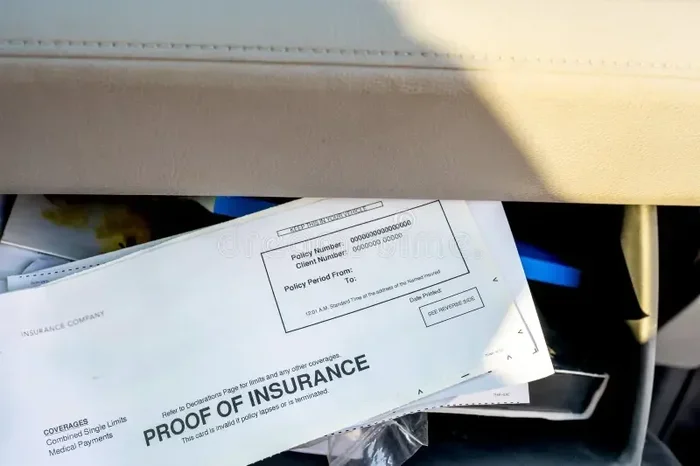
Yes, you can claim car insurance on your taxes under certain conditions. Whether you use your vehicle for business, medical purposes, or charitable work, the IRS allows specific deductions that can lower your taxable income. Understanding the rules helps you avoid audits and maximize your refund.
Tax season can feel overwhelming. One question many taxpayers ask is whether they can claim car insurance on tax returns. The answer is yes, but with important conditions. The IRS allows certain vehicle-related deductions, and car insurance premiums often fall into that category. However, not everyone qualifies, and the rules can be tricky.
This guide breaks everything down in simple terms. You will learn who can claim the deduction, how to calculate it, and what mistakes to avoid. Whether you are self-employed or use your car for work, this article has you covered. Let us dive in and make tax season a little less stressful.
Key Takeaways
- Business use qualifies: You can deduct car insurance if you use your vehicle for work or business purposes.
- Two methods available: Choose between the standard mileage rate or actual expenses method for your deduction.
- Personal use is not deductible: Commuting to your regular workplace does not qualify for a tax deduction.
- Keep detailed records: Maintain a mileage log and save all receipts to support your claim.
- Self-employed individuals benefit most: Those who run their own businesses have the strongest case for claiming car insurance.
- Consult a tax professional: Always verify your specific situation with a CPA or tax advisor.
📑 Table of Contents
Understanding Car Insurance Tax Deductions
The IRS treats car insurance deductions differently depending on your situation. The key factor is how you use your vehicle. If you use your car for business purposes, you may be able to deduct insurance costs. Personal use alone does not qualify for a deduction.
What the IRS Allows
The Internal Revenue Service permits deductions for vehicle expenses tied to business, medical, or charitable use. Car insurance premiums fall under this umbrella when the use is justified. The deduction reduces your taxable income, which can mean a smaller tax bill or a bigger refund.
You cannot claim car insurance on tax returns for purely personal driving. Your daily commute to a regular workplace is considered personal use. The IRS draws this line clearly. Understanding this distinction is the first step toward a valid claim.
Personal vs. Business Use
The IRS separates vehicle use into two categories. Personal use includes commuting, grocery runs, and weekend trips. Business use includes driving to client meetings, transporting tools, or traveling between work sites.
If you use your car for both personal and business purposes, you can only deduct the business portion. This means you need to track your mileage carefully. A simple mileage log can make a huge difference when tax time arrives.
Understanding your use category matters a lot. It determines which deduction method you can use and how much you can claim. Take time to honestly assess how you use your vehicle each month.
The Standard Mileage Rate vs. Actual Expenses
The IRS offers two methods for calculating your vehicle deduction. Each method has its own rules and benefits. Choosing the right one can save you money and simplify your tax filing.
How the Standard Mileage Rate Works
The standard mileage rate is a set amount per mile driven for business. For the 2024 tax year, the rate is 67 cents per mile. This method includes insurance, gas, depreciation, and maintenance costs all in one number.
You do not need to track individual expenses. Instead, you simply multiply your business miles by the rate. This makes record-keeping much easier. Many taxpayers prefer this method for its simplicity.
However, you must choose this method in the first year you use your vehicle for business. Once you switch to actual expenses, you cannot go back. This is an important rule to keep in mind.
The Actual Expenses Method
The actual expenses method lets you deduct every real cost associated with your business use. This includes car insurance premiums, gas, repairs, registration fees, and depreciation.
You calculate the business percentage by dividing business miles by total miles. Then you apply that percentage to each expense. For example, if 60% of your driving is business-related, you can deduct 60% of your insurance premium.
This method can result in a larger deduction, especially if you have high insurance costs. But it requires more detailed record-keeping. You need receipts, logs, and a clear system to track everything.
Who Can Claim Car Insurance on Tax Returns
Not everyone can claim this deduction. Your employment status and how you use your vehicle determine eligibility. Let us look at the different groups and what applies to each.
Self-Employed Individuals
If you own your own business, you have the strongest claim. Self-employed individuals can deduct car insurance as a business expense on Schedule C. This includes freelancers, contractors, and small business owners.
You need to prove that the driving is directly related to your business. Delivering goods, visiting clients, or traveling to job sites all qualify. The key is that the driving must be for income-generating activities.
Self-employed taxpayers often benefit the most from this deduction. Their vehicle use is almost always business-related. Keeping clean records makes the process smooth and straightforward.
Employees and Reimbursement
W-2 employees face stricter rules. Generally, you cannot deduct car insurance if your employer reimburses you. Most companies have mileage reimbursement programs in place.
However, there are exceptions. If your employer does not reimburse you and your job requires driving, you may qualify. Unreimbursed employee expenses can be claimed as itemized deductions on Schedule A.
Note that the Tax Cuts and Jobs Act limited this deduction for certain years. Check current tax laws to see if you qualify. A tax professional can help clarify your specific situation.
Other Eligible Groups
Military personnel, self-directed volunteers, and those using vehicles for medical purposes may also qualify. Armed Forces reservists who travel for duty can claim vehicle expenses. Charitable workers who drive for qualifying organizations also have options.
Each group has specific forms and requirements. Make sure you use the correct form and document everything properly. The IRS takes detailed records seriously during audits.
What You Can and Cannot Deduct
Knowing what qualifies makes all the difference. Some expenses are clearly deductible, while others are not. Let us break down the do’s and don’ts of claiming car insurance on tax returns.
Eligible Insurance Premiums
You can deduct premiums for liability, collision, and comprehensive coverage. These are the core components of most auto insurance policies. If the vehicle is used for business, these premiums are deductible.
You can also deduct the business portion of your policy if you carry personal and business coverage on the same plan. Calculating the business percentage is essential here. A mileage log helps you determine this number accurately.
GAP insurance and rental car coverage may also qualify if used for business. The key is that the expense must be ordinary and necessary for your business. Keep all insurance documents and receipts organized.
Non-Deductible Expenses
Personal auto insurance is not deductible. Your daily commute to a regular workplace does not count. Weekend errands and personal trips are purely personal use.
You also cannot deduct fines or penalties related to your vehicle. Parking tickets and speeding fines are not deductible expenses. The IRS does not allow deductions for illegal activities or penalties.
Life insurance tied to your vehicle is another non-deductible expense. These costs do not qualify under any vehicle deduction method. Stick to actual car-related business expenses for your claim.
How to Calculate Your Car Insurance Deduction
Calculating your deduction does not have to be complicated. Follow these steps to get an accurate number. A clear process keeps you organized and audit-ready.
Step-by-Step Calculation
- Track your total miles driven for the year.
- Separate business miles from personal miles.
- Calculate your business use percentage.
- Choose your deduction method (standard mileage or actual expenses).
- Apply the percentage to your insurance premium.
- Record the deduction on the appropriate tax form.
For example, if you drive 15,000 miles total and 9,000 are for business, your business percentage is 60%. If your annual insurance premium is $1,200, your deduction would be $720. Simple math leads to real savings.
Common Mistakes to Avoid
The biggest mistake is not keeping records. Without documentation, you cannot prove your claim. The IRS requires solid evidence for any deduction you take.
Another common error is claiming 100% business use when it is not accurate. Overestimating your business percentage raises red flags. Be honest and precise in your tracking.
Failing to choose a method consistently is another pitfall. You cannot switch between standard mileage and actual expenses whenever you want. Pick one method and stick with it for the life of that vehicle.
Many taxpayers also forget to include all eligible expenses. Insurance is just one part of the puzzle. Registration fees, gas, repairs, and depreciation all add up. Make sure you account for everything in your calculation.
Some people wonder about other insurance-related deductions. For instance, understanding insurance coverage for mobility equipment follows similar principles to understanding car insurance deductions. Both require knowing your specific policy details and what qualifies. Just as you would check if does insurance cover chair lifts depends on your policy type, your car insurance deduction depends on your vehicle usage.
Tips for Maximizing Your Tax Deduction
You want to get every dollar you deserve. These practical tips help you maximize your car insurance deduction while staying compliant with IRS rules.
Keep Detailed Records
A mileage log is your best friend during tax season. Record every business trip with the date, destination, purpose, and miles driven. Apps like MileIQ or Everlance make this easy.
Save all receipts for insurance premiums, gas, and repairs. Digital storage works well. Snap photos of paper receipts and upload them to a cloud folder. This creates a backup that is easy to access.
Organize your records by month. This makes calculation time much faster. You will also be prepared if the IRS ever questions your deduction.
Consider All Vehicle-Related Expenses
Car insurance is not the only deductible expense. Registration fees, state and local taxes on your vehicle, and parking fees for business trips all count. Towing and rental car costs for business purposes also qualify.
If you lease your vehicle, your deduction works differently. Lease payments are fully deductible for business use. But you must include the lease in your actual expenses calculation.
Think about every cost related to operating your vehicle for business. Each expense adds up and can significantly reduce your taxable income. A comprehensive approach gives you the best results.
Some taxpayers also explore health-related tax benefits for other purchases. For example, you might wonder if you can use an HSA for an ergonomic chair. While this is a separate topic, understanding tax-advantaged accounts helps you see the bigger picture of what deductions are available to you.
When to Seek Professional Help
Tax laws change every year. If your vehicle use is complex, a tax professional can help. They understand the nuances of business versus personal use and can maximize your deduction safely.
A CPA or enrolled agent can review your records and ensure compliance. They can also help you choose between the standard mileage rate and actual expenses. This expert guidance is worth the investment for many taxpayers.
Do not wait until tax deadline to seek help. Start organizing your records now. The earlier you prepare, the smoother your filing experience will be.
Final Thoughts
Claiming car insurance on your tax return is absolutely possible when done correctly. The key is understanding your vehicle use, keeping detailed records, and choosing the right deduction method. Whether you use the standard mileage rate or the actual expenses method, the goal is the same: reducing your taxable income legally.
Remember that personal use does not qualify. Only business, medical, or charitable driving counts. Be honest about your mileage and expenses. The IRS has clear rules, and following them keeps you safe from audits and penalties.
Take action today. Start tracking your miles, save your receipts, and organize your insurance documents. A little preparation goes a long way when tax season arrives. You deserve every deduction you are entitled to, and now you have the knowledge to claim it confidently.
Frequently Asked Questions
Can I claim car insurance on my taxes if I use my car for both personal and business?
Yes, you can claim the business portion of your car insurance. Calculate your business use percentage by dividing business miles by total miles. Apply that percentage to your insurance premium to determine your deduction.
What form do I use to claim car insurance deductions?
Self-employed individuals use Schedule C to report vehicle expenses. Employees who qualify for unreimbursed expenses use Schedule A to itemize deductions. Make sure you use the correct form for your situation.
Can I claim car insurance if I commute to a regular workplace?
No, commuting to your regular workplace is considered personal use. The IRS does not allow deductions for daily commuting. However, driving to different work sites or client meetings does qualify.
Is the standard mileage rate better than the actual expenses method?
It depends on your situation. The standard mileage rate is simpler and requires less record-keeping. The actual expenses method can yield a larger deduction if you have high insurance costs. Compare both methods to see which saves you more.
How far back can I claim car insurance deductions?
You can typically amend your tax returns for up to three years. If you missed a deduction, file an amended return using Form 1040-X. Consult a tax professional for guidance on your specific situation.
Do I need receipts for every expense I claim?
Yes, the IRS requires documentation for all deductions. Keep receipts for insurance premiums, gas, repairs, and any other vehicle expenses. A mileage log and digital photo storage system make this much easier to manage.

Similar Posts