What Does It Mean When Your Car Can’t Read Your Key
Recipe Developer & Kitchen Guide Writer at Choose Vacuum · Certified Home Economist, ServSafe Food Handler · 8+ years developing home recipes and testing everyday kitchen techniques
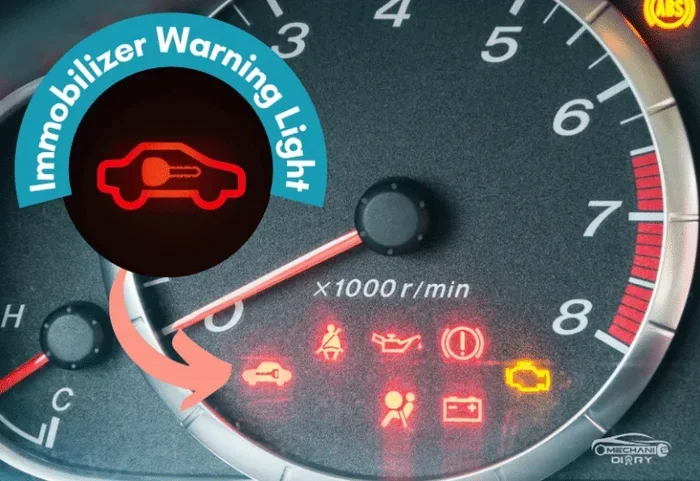
When your car can’t read your key, it usually means there is a problem with the transponder signal, key fob battery, or the immobilizer system. This key recognition error can prevent your vehicle from starting and leave you stranded. Understanding the common causes and fixes helps you solve the problem fast and avoid costly repairs.
Key Takeaways
- Dead key fob battery is the most common reason your car fails to detect the key.
- Damaged transponder chips and ignition switch wear can also cause recognition failures.
- Signal interference from electronic devices or metal objects can block key detection.
- Simple fixes like battery replacement and signal reset often solve the problem at home.
- Professional help is needed for ignition switch repairs, chip replacement, or complex diagnostics.
- Preventive habits like regular battery swaps and proper key storage reduce future issues.
📑 Table of Contents
What Does It Mean When Your Car Can’t Read Your Key
You turn the ignition, push the start button, or wave your key fob near the car, and nothing happens. Your car can’t read your key, and suddenly you’re standing in your driveway wondering what went wrong. This frustrating situation is more common than you might think, and it can happen to any driver at any time.
When your vehicle fails to recognize your key, it means the communication between the key and the car’s immobilizer system has been disrupted. This key recognition error can stem from a dead battery in your key fob, a damaged transponder chip, or even electrical interference. Understanding what is happening under the hood helps you respond calmly and find the right fix.
In this guide, we walk you through every major reason your car might not read your key. We also share practical fixes, tips to prevent the problem, and advice on when to call a professional. Whether you drive a modern smart key system vehicle or an older model with a traditional transponder key, this article has you covered.
The good news? Most of these issues are simple and affordable to resolve. Let us help you understand what is going on and how to get back behind the wheel.
Common Reasons Your Car Won’t Recognize Your Key
Several things can cause your car to reject or fail to read your key. Each reason has a different root cause, but they all lead to the same annoying result: your vehicle won’t start. Let us break down each cause so you can narrow down the problem quickly.
Dead Key Fob Battery
The most common reason your car can’t read your key is a dead key fob battery. Key fobs rely on a small coin-cell battery to send signals to your car. When that battery dies, the proximity sensor in your vehicle can no longer detect the key.
If you have a smart key system, the car needs to receive a continuous signal from the fob. A weak or dead battery breaks that connection. You might notice the fob working intermittently before it stops completely. Replacing the battery is usually quick and inexpensive. Most key fobs use a CR2025 or CR2032 battery, which you can find at any grocery store or pharmacy.
Damaged Transponder Chip
Modern car keys contain a small transponder chip inside the plastic head. This chip communicates a unique code to your car’s vehicle security system. If the chip is cracked, damaged, or worn out, your car will not recognize the key.
Transponder damage often happens when keys are dropped, stepped on, or exposed to extreme heat. Even water damage can kill the chip. When the transponder fails, the car immobilizer locks the engine to prevent theft, which means your vehicle simply will not start. You may need a new key with a fresh chip programmed to your vehicle’s security system.
Electrical Interference and Signal Problems
Sometimes the issue is not with the key itself but with key signal interference. Other electronic devices, metal objects, or even certain materials in your pocket can block the signal between your fob and the car.
Just as it is important when sitting in a chair to maintain good posture and positioning, it is important to place your key fob in the right spot inside the car. Placing it near your phone, a laptop, or a wallet full of cards can create electromagnetic interference. This disrupts the low-frequency signal your car uses to detect the key.
Some drivers carry their key fob in a signal-blocking pouch to prevent battery drain. However, forgetting to take it out before starting the car can cause the same problem. Always check that your fob is not inside a protective sleeve when you try to start the vehicle.
Faulty Ignition Switch or Cylinder
The ignition switch is the part of your car that reads the physical key when you insert it. Over time, this component can wear out or become loose. A failing ignition switch may not make proper contact with the key, leading to a key recognition error.
You might notice the dashboard lights flicker or the engine crank without starting. These are warning signs that the ignition switch needs attention. Ignoring the problem can leave you stranded, so it is best to address it early. A mechanic can test the switch with a multimeter and replace it if needed.
Steering Wheel Lock Engagement
A steering wheel lock is a security feature that engages when you turn off the car and move the steering wheel slightly. When this lock is active, it can physically prevent the key from turning in the ignition.
This often happens when you park and turn the wheel against the curb. The lock binds the ignition cylinder, and the key will not move. Gently wiggle the steering wheel left and right while turning the key to release the lock. It is a simple fix that catches many drivers off guard. Once the lock releases, the key should turn normally and the car should start.
How to Fix a Car That Can’t Read Your Key
Once you identify the likely cause, fixing the problem is usually straightforward. Here are the most effective solutions for each common issue.
Replace the Key Fob Battery
If your car fails to detect the key fob, start with the simplest fix: replace the battery. Most key fobs use a CR2025 or CR2032 coin battery, which you can buy at any grocery store or pharmacy for a few dollars.
Open the fob using a small flathead screwdriver or a coin. Swap out the old battery and snap the case back together. Test the fob by standing near your car and pressing the start button. If the car recognizes the key, you have solved the problem. This fix takes less than five minutes and costs under five dollars.
Reprogram or Replace the Key Fob
If replacing the battery does not work, the fob itself may need car key programming or replacement. Over time, the internal electronics can fail, and no battery change will restore the signal.
You can reprogram many fobs yourself using your vehicle’s manual. The process typically involves sitting in the driver’s seat, cycling the ignition, and pressing specific button combinations. If self-programming does not work, a locksmith or dealership can program a new fob for you.
The key fob replacement cost varies depending on your car model. A basic fob might cost $20 to $50, while a smart key fob for a luxury vehicle can run $100 to $300 or more. Always check with your dealership for an exact quote before purchasing. Understanding how much it costs to rent a lift chair gives you a sense of how affordable these service costs are compared to other mobility expenses.
Check for Signal Interference
Remove all electronic devices and metal objects from the same pocket or area as your key fob. Try starting the car with the fob placed directly against the start button or key reader. This reduces the distance the signal must travel and can overcome minor interference.
Your car has many controls and sensors, much like the knob under an office chair, each serving a specific function in the detection process. Some car manufacturers recommend placing the fob in a specific location, such as the center console or a designated cup holder spot. Check your owner’s manual for the recommended key fob placement for your model.
Reset the Immobilizer System
Your car’s car immobilizer can sometimes enter a fault state after a battery disconnect or a dead key fob. To reset it, try locking and unlocking the car with the remote, then wait 30 seconds before attempting to start the engine.
If the immobilizer remains locked, you may need a diagnostic scan tool to clear the error code. A mechanic or auto parts store can perform this scan quickly and often at no charge. This simple step resolves many stubborn key recognition issues without any part replacements.
Repair or Replace the Ignition Switch
A worn ignition switch requires professional attention. A mechanic can test the switch with a multimeter to confirm the diagnosis. If the switch is faulty, replacement typically costs between $100 and $300, depending on your vehicle make and model.
While this repair is more involved than a battery swap, it is still a routine fix that most shops handle daily. Do not attempt to drive with a failing ignition switch, as it could leave you unable to restart the car at an inconvenient moment. Early repair prevents bigger problems down the road.
When to Seek Professional Help
Many key recognition issues can be solved at home with basic tools and a little patience. However, some situations require the expertise of a trained professional.
If you have tried replacing the battery, checking for interference, and resetting the immobilizer, and your car still will not start, it is time to call for help. A certified locksmith or dealership technician can perform a thorough diagnostic scan to pinpoint the exact problem.
You should also seek professional help if your key has physical damage, such as a bent blade or a cracked fob casing. A damaged key cannot send the correct signal, and continuing to use it may worsen the problem. Additionally, if you have lost all copies of your key, a professional can cut and program a new one. This process requires specialized equipment and access to your vehicle’s security codes. Attempting to bypass the immobilizer without proper tools can trigger further issues and may even violate local laws.
Dealing with electrical problems in your car can feel intimidating, like learning what the electric chair feels like if you are not prepared. But most key-related electrical issues are simple and safe to troubleshoot. The key is to stay calm, work through the steps methodically, and know when to call in an expert.
The Cost of Key-Related Repairs
Understanding the potential costs helps you budget for the fix. Here is a quick breakdown of common key-related expenses:
- Key fob battery replacement: $1 to $5 for the battery, plus your time.
- Key fob reprogramming: $0 to $50 if done yourself; $50 to $150 at a shop.
- Key fob replacement: $20 to $300+ depending on the model and features.
- Ignition switch repair: $100 to $300 for parts and labor.
- Transponder chip replacement: $50 to $200, often bundled with a new key.
These costs are far lower than the alternative of being stranded or replacing an entire vehicle. Investing a small amount of time and money into fixing the problem pays off quickly. Most of these repairs take less than an hour and can be done at a local shop or even at home.
How to Prevent Key Recognition Problems
Prevention is always easier and cheaper than repair. A few simple habits can keep your car key reading system working smoothly for years.
- Replace the key fob battery every two years. Even if the fob seems to work fine, a weakening battery can cause intermittent recognition problems.
- Keep your key fob away from strong electromagnetic fields. Avoid placing it near large speakers, power tools, or medical equipment.
- Store spare keys properly. Keep a backup fob in a safe, dry location at home. Label it clearly so you know which vehicle it belongs to.
- Handle your keys with care. Avoid dropping them, sitting on them, or exposing them to extreme heat or moisture.
- Read your owner’s manual. Every car model has specific recommendations for key placement, battery type, and troubleshooting steps.
When you sit in your car, it is important to develop a routine. Place your key fob in the same spot every time, such as the center console or a designated tray. This habit reduces the chance of signal interference and helps you notice quickly when something is wrong.
Also, pay attention to your car’s warning lights. If the dashboard displays a key icon or a “key not detected” message, address it immediately rather than ignoring it. Early action prevents minor issues from becoming major repairs. A little awareness goes a long way toward keeping your car electronics functioning properly.
Expert Insights on Car Key Technology
Modern vehicles use sophisticated car electronics to communicate with your key. The system works through a combination of radio frequency identification, or RFID, and encrypted authentication codes. When you approach your car or press the start button, the proximity sensor sends out a low-frequency signal. Your key fob responds with a coded message, and the car verifies the code before allowing the engine to start.
This entire process happens in milliseconds. But when any part of the chain breaks down, the system fails to recognize the key. The vehicle security system is designed to protect your car from theft, so it errs on the side of caution and refuses to start when it cannot verify the key’s identity.
Understanding how this system works gives you an advantage when troubleshooting. Instead of panicking when your car will not start, you can work through the possible causes methodically. Start simple with the battery, then move to signal issues, and finally consider hardware failures.
Automotive technology continues to evolve. Newer cars use ultra-wideband technology for even more precise key detection. These systems reduce signal interference and improve the range at which your car can recognize your fob. However, they also introduce new complexities that require specialized knowledge to troubleshoot. Staying informed about your specific vehicle’s technology helps you make better decisions when problems arise.
Final Thoughts
When your car can’t read your key, it is easy to feel frustrated and overwhelmed. But as we have covered, the cause is usually simple and the fix is within reach. Whether it is a dead battery, a damaged transponder chip, or a minor signal interference issue, most problems can be resolved in minutes without a trip to the mechanic.
Keep your key fob maintained, store spare keys safely, and pay attention to warning signs. These small habits go a long way toward preventing key recognition errors and keeping your daily routine smooth. If the problem persists, do not hesitate to reach out to a professional who can diagnose and fix the issue properly.
Your car’s immobilizer system is there to protect you. When it works correctly, it gives you peace of mind. When it malfunctions, now you know exactly what to do. Stay calm, work through the steps, and you will be back on the road in no time. The next time your car fails to recognize the key, you will know exactly what to do and how to fix it.
Frequently Asked Questions
Can a dead key fob battery cause my car not to start?
Yes, a dead key fob battery is the most common reason a car fails to recognize the key. The fob cannot send its signal to the car’s proximity sensor, so the immobilizer system blocks the engine from starting. Replacing the battery usually fixes the problem immediately.
How do I know if my transponder chip is damaged?
If your key works intermittently or stops working entirely after being dropped or exposed to water, the transponder chip may be damaged. A locksmith or dealership can test the chip and program a replacement key if needed. Physical cracks or chips in the key head are visible signs of damage.
What should I do if my car says key not detected?
Start by checking the key fob battery and replacing it if needed. Then remove any electronic devices or metal objects near the fob and try starting the car again. If the message persists, try resetting the immobilizer by locking and unlocking the car and waiting 30 seconds before attempting to start.
Can I drive my car if the key fob stops working?
It depends on your vehicle model. Some cars allow you to place the dead fob directly against the start button to bypass the proximity sensor temporarily. However, this is not a long-term solution. Replace the battery or get the fob repaired as soon as possible to avoid being stranded.
How long does a key fob battery last?
Most key fob batteries last between two and four years, depending on usage and signal strength. Replacing the battery proactively every two years can prevent unexpected recognition failures. Keep a spare battery in your glove box for quick replacements.
Is it expensive to replace a car key with a transponder chip?
The cost varies widely based on your vehicle make and model. A basic transponder key replacement typically costs $50 to $200, while smart key fobs for luxury vehicles can cost $100 to $300 or more. Dealerships charge more than locksmiths for the same service, so it is worth getting multiple quotes.

Similar Posts































