What Cause the Car to Mix Oil and Water
Recipe Developer & Kitchen Guide Writer at Choose Vacuum · Certified Home Economist, ServSafe Food Handler · 8+ years developing home recipes and testing everyday kitchen techniques
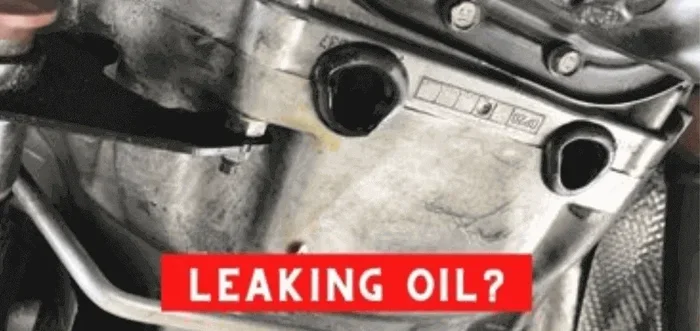
What cause the car to mix oil and water is a question every car owner should know the answer to. When oil and coolant combine inside your engine, it creates a harmful mixture that can lead to serious engine damage. This guide covers the main causes, warning signs, repair options, and prevention tips to keep your vehicle running smoothly.
Key Takeaways
- Blown Head Gasket Is the Top Cause: A failed head gasket is the most common reason oil and coolant mix inside your engine.
- Warning Signs Are Clear: Milky oil, white exhaust smoke, and dropping coolant levels all point to fluid contamination.
- Repair Costs Vary Widely: From a few hundred dollars for an oil cooler fix to over $4,000 for a cracked engine block.
- Prevention Is Simple: Regular fluid checks and cooling system maintenance can prevent most oil and water mixing problems.
- Do Not Keep Driving: Operating a car with mixed fluids causes additional wear and can lead to catastrophic engine failure.
- Early Detection Saves Money: Catching the problem early reduces repair costs and protects your engine from long-term damage.
📑 Table of Contents
- Why Oil and Water Should Never Mix in Your Car Engine
- What Cause the Car to Mix Oil and Water: Common Causes
- Warning Signs That Oil and Water Are Mixing
- How Mechanics Diagnose Oil and Water Mixing Problems
- Repair Options and What They Cost
- Prevention Tips to Keep Your Fluids Where They Belong
- Can You Still Drive When Oil and Water Are Mixing
- Conclusion
Why Oil and Water Should Never Mix in Your Car Engine
Your car engine is a complex machine where every fluid has a specific job to do. Engine oil lubricates all the moving parts to reduce friction and prevent wear. Coolant, also known as radiator fluid, flows through the engine to absorb heat and keep temperatures stable. These two liquids work in completely separate systems and should never come into contact with each other.
So, what cause the car to mix oil and water? The answer is almost always a failure in one of the sealing or cooling components inside the engine. When oil and coolant combine, the oil loses its ability to lubricate properly. The coolant loses its ability to regulate temperature. Both fluids become less effective, and the engine begins to suffer.
Think of it like mixing salad oil with water. They simply do not belong together. When your car forces them to mix, something has broken or worn out. The good news is that understanding the root cause helps you take the right action quickly. The sooner you address the problem, the better your chances of avoiding expensive repairs.
In this guide, we will walk you through every possible cause, every warning sign, and every repair option available. You will also learn practical prevention tips that can save you time and money. Knowledge is your best defense when it comes to protecting your vehicle from fluid contamination.
What Cause the Car to Mix Oil and Water: Common Causes
Several mechanical issues can force oil and coolant to combine inside your engine. Each cause has its own set of symptoms and repair requirements. Understanding these causes helps you have a more informed conversation with your mechanic and recognize problems early.
Blown Head Gasket
The head gasket sits between the engine block and the cylinder head. Its job is to seal the combustion chambers and keep oil and coolant in their proper channels. When this gasket fails, coolant can leak into the oil passages and vice versa. A blown head gasket is the most common cause of oil and water mixing in cars.
Head gasket failures often result from repeated engine overheating. When the engine runs too hot for extended periods, the gasket material can warp or deteriorate. Older vehicles with high mileage are especially vulnerable. If you have driven over 100,000 miles, pay extra attention to your temperature gauge and coolant levels.
Other factors that contribute to head gasket failure include improper installation during previous repairs and manufacturing defects. Using the wrong type of coolant can also accelerate gasket degradation over time. Regular maintenance and timely oil changes help extend the life of your head gasket and prevent contamination.
Cracked Engine Block or Cylinder Head
Sometimes the problem goes deeper than a gasket failure. A cracked engine block or a cracked cylinder head can allow coolant to seep directly into the oil galleries. These cracks usually develop from severe overheating or exposure to freezing temperatures without proper antifreeze protection.
If you live in a cold climate and ran your car without enough coolant during winter, the block could have cracked from thermal stress. This is a more serious issue than a blown head gasket. Repairs often require extensive work, including welding or even a full engine replacement in severe cases.
A mechanic will need to perform a thorough inspection of both the block and the head to confirm cracking. Visual inspection, pressure testing, and sometimes magnetic particle inspection are used to locate cracks. The earlier you catch this problem, the more repair options you will have available.
Faulty Oil Cooler
Some vehicles, particularly larger engines and certain foreign cars, are equipped with an oil cooler. This device uses coolant to regulate the temperature of the engine oil. If the oil cooler develops an internal leak, coolant can mix directly with your engine oil.
An oil cooler failure is a less common cause but still worth considering. You may notice a gradual drop in coolant levels without any visible external leaks. The oil may take on a milky appearance over time. Because the leak is internal, it can be difficult to detect without professional diagnostic equipment.
Replacing a faulty oil cooler is generally more affordable than other repairs for this issue. The cost is usually lower, and the downtime is shorter. Still, you should address it promptly to prevent contaminated oil from circulating through the entire engine and causing additional wear.
Damaged Cylinder Head Gasket Kit
In some engines, the cylinder head gasket kit includes multiple seals and o-rings beyond the main head gasket. If one of these secondary seals fails, coolant can find its way into the oil system. This situation is similar to a blown head gasket but involves a different part of the sealing assembly.
Manufacturers sometimes use materials in these kits that degrade over time due to heat cycles and normal wear and tear. Replacing the entire gasket kit during a repair, rather than just the main gasket, can prevent future problems and save you from repeat repairs down the road. Always ask your mechanic about the full kit when addressing gasket issues.
Warning Signs That Oil and Water Are Mixing
Your car will give you clear signals when oil and coolant are combining inside the engine. Recognizing these warning signs early can prevent catastrophic engine damage. Here are the most common indicators that something is wrong with your fluid systems.
Milky Oil Residue Under the Oil Cap
Pop open your oil filler cap and look closely at what you see. Healthy oil should be amber or brown in color. If you notice a milky, frothy residue under the cap, that is a strong sign of water contamination. This substance often looks like chocolate milk and it is never a good indicator for your engine health.
This milky mixture forms when coolant enters the oil system and emulsifies with the oil. It significantly reduces the oil’s ability to lubricate moving parts effectively. Running your engine with contaminated oil can cause bearing damage, increased friction, and ultimately engine failure if left unchecked for too long.
White Smoke From the Exhaust
Thick white smoke coming from your exhaust pipe is another major red flag. While some white vapor is completely normal on cold winter mornings, constant heavy white smoke that persists after the engine warms up means coolant is likely burning inside the combustion chamber.
This smoke often carries a sweet, syrupy smell that is quite different from regular exhaust fumes. If you notice this smell while driving, pull over safely and check your coolant level immediately. Continuing to drive with coolant burning in the engine can cause severe and irreversible damage to internal components like pistons and valves.
Coolant Level Dropping Without Visible External Leaks
If you keep topping off your coolant reservoir but cannot find any puddles or visible leaks underneath the car, the fluid may be entering the oil system internally. This is one of the sneakiest signs of a cooling system problem that many car owners overlook entirely.
Your coolant level should remain relatively stable between scheduled changes and flushes. A sudden or gradual drop with no external evidence of a leak warrants immediate professional inspection. Have a mechanic pressure-test the cooling system to locate the hidden internal leak before it causes further damage to the engine.
Engine Overheating and Temperature Gauge Fluctuations
When coolant leaks into the oil, the cooling system loses its effectiveness. Your engine may begin to overheat more frequently or show temperature gauge fluctuations during normal driving. The needle may climb into the red zone even during light driving conditions.
Overheating creates a dangerous cycle of damage. More heat further compromises the already weakened gasket, which allows even more coolant to enter the oil system. Breaking this cycle requires prompt attention from a qualified mechanic. Do not ignore an overheating engine, even if the warning light comes and goes intermittently. Early intervention makes all the difference.
How Mechanics Diagnose Oil and Water Mixing Problems
When you bring your car in with suspected fluid contamination, the mechanic follows a systematic diagnostic process. Understanding what to expect can help you feel more confident and prepared for the visit.
Visual Inspection of Oil and Coolant
The first step in any diagnosis is a thorough visual inspection. The mechanic will check the oil dipstick for a milky or frothy appearance. They will also inspect the coolant reservoir for any oil floating on the surface. These visual clues provide strong initial evidence of cross-contamination between the two fluid systems.
Next, they will remove the oil filler cap and inspect the inside of the valve cover. Any foamy, creamy, or brown deposits on these surfaces point toward fluid mixing. This simple inspection often confirms the problem quickly and helps the mechanic determine the next steps for further testing and repairs.
Compression and Leak-Down Testing
To pinpoint the exact location and severity of the leak, mechanics perform compression tests on each cylinder. They measure the pressure in every cylinder to identify weak spots or irregularities. A leak-down test goes a step further by pressurizing the cooling system while the engine is turned off.
If the pressure drops and bubbles appear in the coolant reservoir, the head gasket is very likely the source of the problem. These tests are reliable, relatively quick, and provide clear, actionable results. They help the mechanic rule out other potential causes and focus on the correct repair for your specific situation.
Chemical Block Test for Combustion Gases
A chemical block test is one of the most accurate ways to confirm a head gasket leak. The mechanic uses a special testing fluid that changes color when exposed to combustion gases in the coolant. A positive color change strongly indicates that exhaust gases are entering the cooling system through a failed gasket.
This test is quick, affordable, and widely available at most repair shops. It is often included as part of a standard engine diagnostic package. The results give both the mechanic and the car owner clear evidence of what is happening inside the engine and help guide the repair decision.
Repair Options and What They Cost
The cost to fix oil and water mixing depends entirely on what is causing the problem. Some repairs are straightforward and affordable, while others can be quite expensive. Here is a breakdown of the most common repair options and their associated costs so you can plan accordingly.
Head Gasket Replacement
Replacing a blown head gasket is the most common repair for this type of fluid contamination. The cost typically ranges from $1,000 to $2,500 depending on your vehicle make and model. The labor is intensive because the mechanic must remove the cylinder head, replace the gasket, and reinstall everything with proper torque specifications.
During this repair, the mechanic will also typically replace the head bolts and may need to resurface the cylinder head to ensure a proper seal. Using quality gasket materials and following manufacturer specifications is essential for a lasting and reliable repair that prevents future fluid mixing issues from recurring.
Cracked Engine Block or Head Repair
If the root cause is a crack in the engine block or cylinder head, the repair becomes significantly more complex. Depending on the location and size of the crack, a skilled mechanic may be able to weld or epoxy the damaged area. In severe cases, a full engine replacement may be the only viable option.
These repairs can cost anywhere from $1,500 to $4,000 or more in some cases. The best way to avoid this scenario is to address overheating issues the moment they appear. Catching problems early saves significant money and prevents the kind of catastrophic engine failure that requires a complete replacement.
Oil Cooler Replacement
If the oil cooler is the source of the contamination, replacement is usually the most straightforward fix. The cost is generally lower compared to other repairs, typically ranging from $300 to $800. This is the best-case scenario when dealing with oil and water mixing problems in your vehicle.
After replacing the oil cooler, the mechanic will flush the entire cooling system and perform a fresh oil change. This ensures that no contaminated fluid remains circulating in the engine. A new oil filter and clean oil are essential after any repair involving fluid contamination to protect your engine going forward.
Bringing order to chaos in your repair budget starts with understanding what each repair involves and why the costs differ. Always ask your mechanic for a detailed written quote before approving any work on your vehicle.
| Repair Type | Average Cost | Typical Downtime |
|---|---|---|
| Head Gasket Replacement | $1,000 – $2,500 | 3-5 days |
| Cracked Block or Head Repair | $1,500 – $4,000+ | 5-10 days |
| Oil Cooler Replacement | $300 – $800 | 1-2 days |
These cost estimates vary based on your vehicle model, local labor rates, and the severity of the damage. Always get at least two detailed quotes from trusted repair shops before committing to a major repair on your car.
Prevention Tips to Keep Your Fluids Where They Belong
The best repair is the one you never need to make. Preventive maintenance plays a huge role in keeping oil and coolant in their separate systems. Here are practical steps you can take to protect your engine from fluid contamination and extend its lifespan.
Regularly Check Your Coolant and Oil Levels
Make it a weekly habit to check both your coolant reservoir and your oil dipstick. Look for any changes in color, consistency, or level. Early detection of contamination can prevent minor issues from turning into major engine damage that costs thousands of dollars to fix.
Keep a simple log of your fluid levels and conditions. If you notice the coolant dropping unexpectedly or the oil taking on a milky appearance, act immediately. Small problems become big problems when they are ignored for weeks or months. A quick five-minute check can save you a lot of trouble and expense down the road.
Maintain Your Cooling System Properly
Flush and replace your coolant on the schedule recommended by your vehicle manufacturer. Old coolant loses its ability to protect against freezing and boiling. It also becomes acidic over time, which can corrode gaskets, seals, and internal passages in the engine block.
Inspect all cooling system hoses, clamps, and the radiator for any signs of wear, cracking, or corrosion. A small coolant leak can quickly turn into a major overheating event if it goes unnoticed. Stay ahead of cooling system issues with regular professional inspections and timely coolant replacements to keep everything flowing properly.
Avoid Overheating at All Costs
Overheating is the single biggest enemy of your engine’s sealing systems. If your temperature gauge starts climbing into the red zone, pull over safely and turn off the engine immediately. Continuing to drive an overheating vehicle can warp the cylinder head, blow the head gasket, and cause irreversible damage to internal components.
Keep your radiator and cooling fans in excellent working condition. Make sure the thermostat and fan clutch function properly. Consider upgrading to a high-quality aftermarket coolant and installing an additional cooling fan if you live in a hot climate or frequently tow heavy loads.
After a long session working on your vehicle, find the most comfortable chair to rest in while you let the engine cool down. Having the most comfortable chair in your garage makes the whole experience better and helps you stay patient during repairs and inspections.
A work stool set at the standard height of a chair helps you inspect underneath the vehicle more easily and comfortably. Proper garage ergonomics make maintenance tasks less tiring and more efficient over time, which means you are more likely to stay on top of your car care routine.
Engine problems create a chaos the god of disorder would recognize, but regular maintenance keeps things under control. The more you know about your vehicle and its fluid systems, the better equipped you are to handle unexpected issues when they arise. Stay calm, stay informed, and stay proactive with your maintenance schedule.
Regular maintenance and attentive driving habits go a long way toward preventing fluid contamination. Keep your engine clean, check your fluids regularly, and address any overheating immediately. These simple habits can add years of reliable service to your vehicle and keep repair costs manageable over the long run.
Can You Still Drive When Oil and Water Are Mixing
The short answer is no. Driving with mixed oil and coolant causes additional wear on internal engine components with every mile you put on the odometer. The contaminated oil loses its lubricating properties and becomes less effective at protecting metal surfaces from friction and heat buildup.
Even a short drive can cause irreversible damage to bearings, cylinder walls, and other critical components. The sooner you get the vehicle to a qualified mechanic, the better your chances of minimizing the overall repair cost. If you absolutely must move the car, keep the distance as short as possible and monitor the temperature gauge closely the entire time.
Think of it this way. You would not ignore a warning light on your dashboard. Oil and water mixing inside the engine is one of those serious warnings that demands immediate action. Treat it with the respect and urgency it deserves, and your engine will thank you with many more miles of reliable service ahead.
Conclusion
Oil and water mixing in your car is a serious issue that requires prompt attention and proper diagnosis. Whether the cause is a blown head gasket, a cracked engine block, a faulty oil cooler, or a damaged cylinder head gasket kit, the key is to act quickly and get professional help as soon as possible.
Ignoring the problem will only lead to more extensive damage and significantly higher repair bills down the road. Use the warning signs and prevention tips outlined in this guide to protect your engine and catch problems early. Regular maintenance and attentive driving habits are your best long-term strategy for keeping all engine fluids where they belong.
Stay proactive with your car care routine. Check your fluids weekly, address overheating immediately, and never ignore the warning signs of fluid contamination. A little prevention today can save you thousands of dollars in major engine repairs tomorrow. Keep your engine running clean and cool, and it will keep you running reliably for many miles to come.
Frequently Asked Questions
What happens if you drive with oil and water mixed in your engine?
Driving with mixed fluids causes additional wear on internal engine components. The contaminated oil loses its lubricating properties, which leads to increased friction and heat. Even a short drive can cause irreversible damage to bearings, cylinder walls, and other critical parts.
How much does it cost to fix a blown head gasket?
Head gasket replacement typically costs between $1,000 and $2,500 depending on your vehicle make and model. The labor is intensive because the mechanic must remove the cylinder head, replace the gasket, and reinstall everything with proper torque specifications.
Can you fix oil and water mixing at home?
Minor issues like checking fluid levels can be done at home, but actual repairs like head gasket replacement require professional tools and expertise. Attempting complex engine repairs without proper experience can make the problem worse and lead to additional costs.
Is it safe to drive with a blown head gasket?
No, driving with a blown head gasket is not safe. The mixing of oil and coolant causes further engine damage with every mile. If you suspect a blown head gasket, have your vehicle towed to a repair shop to avoid catastrophic engine failure.
How do you know if your head gasket is blown?
Common signs include milky oil residue under the oil cap, constant white smoke from the exhaust, a dropping coolant level without visible leaks, and frequent engine overheating. A mechanic can confirm the diagnosis with a compression test or chemical block test.
Can low coolant cause oil and water to mix?
Low coolant itself does not directly cause mixing, but it can lead to overheating, which is a primary cause of head gasket failure. When the engine overheats due to low coolant, the gasket can warp or blow, allowing oil and coolant to mix in the engine.

Similar Posts