Best Oil Change Places
Recipe Developer & Kitchen Guide Writer at Choose Vacuum · Certified Home Economist, ServSafe Food Handler · 8+ years developing home recipes and testing everyday kitchen techniques
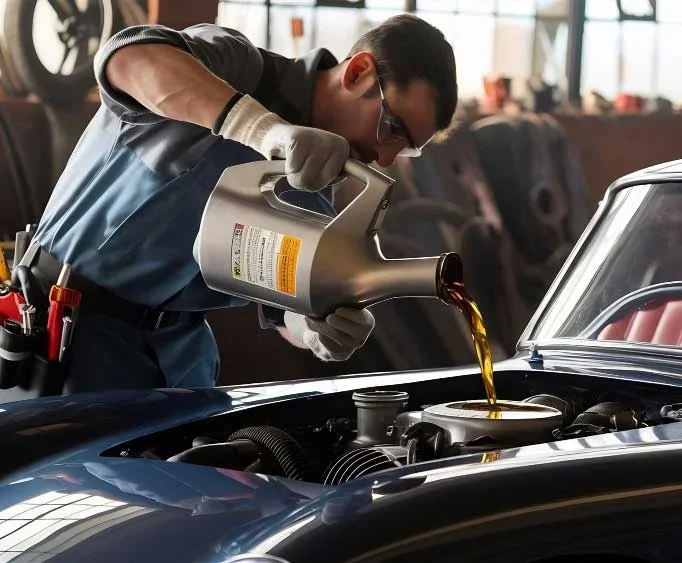
Choosing the best oil change places can save you time, money, and keep your engine running strong. Whether you prefer a quick lube shop, a dealership, or an independent mechanic, knowing what to look for makes all the difference. This guide covers top options, costs, and expert tips to help you pick the right spot for your vehicle.
Your car needs regular oil changes to run well. But finding the best oil change places can feel overwhelming. There are so many options out there. Quick lubes, dealerships, independent shops — each one promises great service. How do you know which one is right for you?
This guide breaks it all down. We will walk you through the different types of oil change spots. You will learn what to look for, what to expect on price, and how to avoid common traps. By the end, you will feel confident picking the perfect place for your next oil change.
Key Takeaways
- Quick lube shops offer speed and convenience for routine oil changes.
- Independent mechanics often provide more thorough inspections at lower costs.
- Dealerships use OEM parts and follow manufacturer guidelines precisely.
- Synthetic oil lasts longer but costs more than conventional options.
- Regular oil changes are the single most important part of car maintenance.
- Coupons and memberships can significantly reduce the oil change cost at most shops.
- Checking reviews and certifications helps you find trustworthy oil change places near you.
📑 Table of Contents
- Why Finding the Best Oil Change Places Matters
- Types of Oil Change Places You Should Consider
- How Much Does an Oil Change Cost?
- What to Look for in the Best Oil Change Places
- Tips for Getting the Most Out of Your Oil Change
- Common Mistakes to Avoid When Picking an Oil Change Place
- Final Thoughts on Finding the Best Oil Change Places
Why Finding the Best Oil Change Places Matters
Oil changes are not just a chore. They are the backbone of car maintenance. Fresh oil keeps your engine cool, clean, and running smoothly. Old oil turns into sludge. Sludge can cause serious engine damage. That is why choosing a quality oil change service matters so much.
The right shop does more than just drain old oil. A great place checks your oil filter replacement, inspects fluid levels, and spots early warning signs. They look at your brakes, tires, and belts. This kind of thorough care can save you hundreds in repairs down the road.
What Makes an Oil Change Place Stand Out
Not all oil change spots are created equal. Here are the qualities that separate the good from the great:
- Certified technicians who know your vehicle inside and out.
- Transparent pricing with no hidden fees or upsells.
- Clean, organized facilities that show pride in their work.
- Honest communication about what your car actually needs.
- Warranty on parts and labor for peace of mind.
- Convenient hours and fast service that respect your time.
When you visit an oil change place with these qualities, you get more than an oil swap. You get a partner in vehicle maintenance. That is the kind of shop worth returning to again and again.
Types of Oil Change Places You Should Consider
There are several kinds of spots where you can get your oil changed. Each has its own strengths. Let us look at the main options.
Quick Lube Shops
Quick lube chains are the most popular choice for many drivers. Places like Jiffy Lube and Valvoline offer fast service. You can often walk in and have your oil changed in under 30 minutes. They are convenient and usually affordable.
Quick lubes are great for routine oil change frequency needs. Most recommend an oil change every 3,000 to 5,000 miles. These shops specialize in speed and simplicity. They are perfect if you do not want to wait around.
However, quick lubes can sometimes push extra services. They may suggest things you do not need right away. That is not always a bad thing, but you should stay informed. Know what your car actually needs before agreeing to anything extra.
Independent Mechanics
Independent shops are hidden gems in many communities. These smaller businesses often provide personalized care that big chains cannot match. The technicians usually have years of hands-on experience.
One major advantage is cost. Independent mechanics typically charge less than dealerships or chain shops. They also tend to be more honest about what is truly needed. If you want a trusted oil change near me option, local independents are worth exploring.
Many independent shops also offer additional services like transmission fluid change and coolant flush. This makes them a one-stop shop for car care tips and routine maintenance.
Dealerships
Car dealerships use original manufacturer parts. They follow the exact maintenance schedule in your owner manual. This is especially important if your vehicle is still under warranty.
Dealership oil changes tend to cost more. But they offer the peace of mind that comes with factory-trained technicians. If you drive a luxury or specialty vehicle, a dealership may be your best bet.
Some people also choose dealerships because of the oil change coupon deals they offer. Many run seasonal promotions that bring the cost closer to independent shops.
How Much Does an Oil Change Cost?
Price is always a factor when choosing an oil change place. The cost can vary widely depending on several things. Let us break down what affects the oil change cost.
Oil Type and Its Impact on Price
The type of oil you choose is the biggest cost factor. Here is a quick comparison:
- Conventional oil: The most affordable option. Good for older or high-mileage vehicles. Typically costs between $35 and $75.
- Synthetic blend: A mix of conventional and synthetic. Offers better protection at a moderate price. Usually runs $50 to $85.
- Full synthetic oil: The best protection and performance. Lasts longer between changes. Costs between $65 and $125.
- High-mileage oil: Designed for vehicles with over 75,000 miles. Helps reduce leaks and engine wear. Priced similarly to synthetic blends.
Synthetic oil costs more upfront but can save money over time. It lasts longer, which means fewer oil changes per year. For many drivers, the extra cost is well worth the benefit.
What Else Affects the Price
Beyond oil type, several other things influence the final price:
- Location: Shops in big cities often charge more than rural areas.
- Shop type: Dealerships generally cost more than quick lubes.
- Additional services: Tire rotations, fluid top-offs, and inspections add cost.
- Membership programs: Some shops offer subscription plans that lower the per-visit price.
Always ask for a detailed breakdown before the work starts. A trustworthy oil change service will explain every charge clearly. No surprises at the checkout counter.
What to Look for in the Best Oil Change Places
Now that you know the types and costs, how do you actually choose? Here are the key factors to consider.
Check Reviews and Reputation
Start by reading online reviews. Google, Yelp, and Facebook are great resources. Look for patterns in the feedback. Are customers happy with the service quality? Do they mention honest pricing? Are technicians friendly and knowledgeable?
A shop with hundreds of five-star reviews is a strong signal. But also read the negative reviews carefully. See if the complaints are about one-time issues or recurring problems. A few bad reviews among many good ones is normal. A pattern of complaints is a red flag.
Look for Certifications and Credentials
Trustworthy oil change places employ certified technicians. Look for ASE (Automotive Service Excellence) certification. This means the techs have passed rigorous tests and have real experience. Some shops also have manufacturer-specific certifications.
Do not be afraid to ask about credentials. A good shop will proudly share their qualifications. If they seem hesitant, that tells you something.
Evaluate the Waiting Experience
While you wait for your oil change service, the waiting area says a lot about a shop. Clean, comfortable spaces show that the business cares about its customers. Some premium shops even offer massage chairs or lounge-style seating to make the wait more pleasant. A comfortable waiting area is a nice touch that shows attention to detail.
Ask About Warranties and Guarantees
The best oil change places stand behind their work. They offer warranties on parts and labor. If something goes wrong after an oil change, they make it right. This kind of guarantee shows confidence in their service quality.
Ask how long their warranty lasts and what it covers. A solid warranty is a sign of a shop that values its customers.
Tips for Getting the Most Out of Your Oil Change
Once you find a great oil change place, you want to make every visit count. Here are some practical tips to maximize the value of your oil changes.
Keep a Maintenance Log
Track every oil change in a notebook or app. Record the date, mileage, oil type, and shop name. This history helps you stay on top of your vehicle maintenance schedule. It also gives you proof of care if you ever sell your car.
Do Not Skip the Oil Filter
Always replace the oil filter at every change. A dirty filter reduces oil flow and contaminates your fresh oil. Some shops include the filter in their price. Others charge extra. Either way, make sure it gets done.
Request a Multi-Point Inspection
Many oil change places offer a free multi-point inspection. This check covers fluids, belts, hoses, brakes, and tires. It is a great opportunity to catch small problems before they become big ones. Always say yes to this complimentary service.
Set Reminders for Your Next Change
Do not wait until the dashboard light comes on. Set a reminder based on your mileage and oil type. Most shops will also send you a reminder if you give them your contact info. Staying ahead of your oil change frequency keeps your engine healthy.
Common Mistakes to Avoid When Picking an Oil Change Place
Even with the best intentions, people make mistakes when choosing where to get their oil changed. Here are the most common ones to watch out for.
Choosing Based on Price Alone
The cheapest option is not always the best. Extremely low prices can mean low-quality oil or skipped steps. A place that charges $19.99 for an oil change might be cutting corners. They could be using recycled oil or skipping the filter replacement. Always look at value, not just price.
Ignoring Your Owner Manual
Your owner manual has the manufacturer’s recommended oil type and change interval. Some shops will tell you to change your oil every 3,000 miles. But modern engines with synthetic oil often go 7,500 to 10,000 miles between changes. Follow the manual, not the upsell.
Not Asking Questions
Never be afraid to ask questions at the oil change place. What type of oil are you using? Is the filter included? What did the inspection reveal? A good shop welcomes your questions. A shop that brushes them off is a shop you should reconsider.
Forgetting About Other Fluids
An oil change is important, but it is not the only maintenance your car needs. Ask about brake inspection, tire rotation, and fluid levels. A comprehensive car care tips approach keeps your vehicle in top shape for years.
Final Thoughts on Finding the Best Oil Change Places
Finding the best oil change places does not have to be complicated. Start by understanding your options. Quick lubes offer speed and convenience. Independent shops provide personalized care. Dealerships deliver factory-standard service. Each has its place in the car maintenance world.
Next, focus on what matters most to you. Is it price? Speed? Quality? Location? Knowing your priorities helps you narrow down the choices. And always remember that the cheapest option is not always the best value.
Take the time to read reviews, check certifications, and ask questions. A great oil change place becomes a trusted partner in keeping your car healthy. They will watch out for your vehicle like it is their own. That kind of relationship is worth finding.
So go ahead and book your next oil change with confidence. Use the tips from this guide to make the best choice. Your engine will thank you for it.
Frequently Asked Questions
How often should I get an oil change?
Most vehicles need an oil change every 5,000 to 7,500 miles with synthetic oil. Older cars using conventional oil may need it every 3,000 miles. Always check your owner manual for the manufacturer’s specific recommendation on oil change frequency.
Is synthetic oil worth the extra cost?
Yes, for most modern vehicles. Synthetic oil provides better protection, lasts longer, and performs well in extreme temperatures. It can extend the time between changes, saving you money over the long run despite the higher upfront oil change cost.
Can I switch from conventional to synthetic oil?
Absolutely. Switching to synthetic oil is safe for any vehicle. In fact, many drivers make the switch to improve engine protection. Just check your owner manual to confirm the recommended oil type for your specific model.
What happens if I skip an oil change?
Skipping oil changes allows old oil to break down and form sludge. This sludge restricts oil flow and causes engine overheating. Over time, it can lead to expensive engine repairs. Regular car maintenance including oil changes is much cheaper than engine replacement.
How do I know if my oil change place is trustworthy?
Look for certified technicians, transparent pricing, and positive online reviews. A trustworthy oil change service will explain everything clearly and never pressure you into unnecessary services. Ask friends or family for personal recommendations in your area.
Does an oil change include an oil filter replacement?
Most quality oil change places include the filter replacement as part of the service. However, some budget shops may charge extra for it. Always confirm what is included in the price before your appointment to avoid surprises.

Similar Posts































