Read More About Elderly Care Plan
Recipe Developer & Kitchen Guide Writer at Choose Vacuum · Certified Home Economist, ServSafe Food Handler · 8+ years developing home recipes and testing everyday kitchen techniques
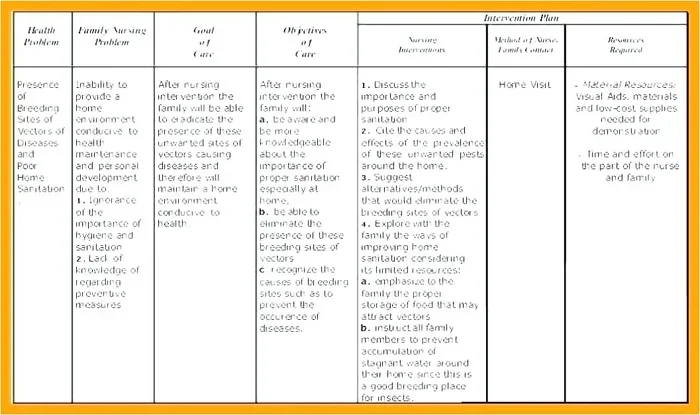
An elderly care plan helps families organize the best support for aging loved ones. It covers health needs, daily routines, safety, and comfort. This guide walks you through every step of creating a solid care plan. You will learn practical tips, avoid common mistakes, and find expert advice. Read more about elderly care plan essentials right here.
Creating an elderly care plan can feel overwhelming at first. But it does not have to be. A care plan is simply a roadmap that helps families provide the best support for aging loved ones. It covers health needs, daily routines, safety measures, and comfort. When you have a clear plan in place, everything becomes easier and less stressful.
Many families wait too long to start planning. They assume problems will sort themselves out. But the truth is, a little early planning goes a long way. This guide will show you exactly how to build a care plan for elderly loved ones step by step. You will learn what to include, how to assess needs, and practical tips to make daily life better.
Key Takeaways
- Elderly care plans reduce stress for both seniors and their families by organizing daily needs clearly.
- A good plan covers health, safety, nutrition, and comfort to support overall senior wellness.
- Start with a simple assessment of your loved one’s physical and emotional needs.
- Small changes like the right chair cushion can make a big difference in daily comfort.
- Involve the elderly person in decisions to preserve their dignity and independence.
- Review and update the plan regularly as health needs change over time.
📑 Table of Contents
- What Is an Elderly Care Plan?
- How to Assess Elderly Care Needs
- Building the Core Elements of a Care Plan
- Choosing the Right Equipment and Furniture
- Involving the Elderly Person in the Process
- Common Mistakes to Avoid in Elderly Care Planning
- When to Seek Professional Help
- Final Thoughts on Elderly Care Planning
What Is an Elderly Care Plan?
An elderly care plan is a detailed guide that outlines the needs and preferences of a senior. It covers medical requirements, daily activities, safety concerns, and emotional well-being. Think of it as a blueprint for quality senior care. The goal is simple: keep your loved one safe, healthy, and comfortable.
A strong elderly support plan includes input from the senior, family members, and healthcare providers. It addresses everything from nutrition to mobility. When everyone is on the same page, care becomes more consistent and effective. This is especially important for families managing aging parents who may need extra help.
Why Every Family Needs One
Without a plan, care becomes reactive. You handle problems as they come up instead of preventing them. This approach leads to stress, missed needs, and burnout. A senior care plan helps you stay ahead of issues. It also ensures that your loved one’s voice is heard in every decision.
Families with a care plan for elderly members report feeling more confident and less anxious. They know exactly what needs to be done each day. This structure creates peace of mind for everyone involved. It also makes it easier to hire caregivers or involve other family members in shared responsibilities.
How to Assess Elderly Care Needs
The first step in any elderly care planning process is assessment. You need to understand what your loved one needs right now. This includes physical health, mental well-being, and daily living requirements. A thorough assessment prevents gaps in care.
Physical Health Evaluation
Start by reviewing your senior’s medical conditions. Do they take daily medications? Do they have mobility challenges? Are there chronic issues like diabetes or arthritis? These factors shape the entire care plan. Talk to their doctor to get a clear picture of their health status.
Pay close attention to elderly mobility and fall risks. Simple changes can reduce accidents at home. For example, placing a best chair cushion for elderly support in their favorite seat can improve comfort and posture. You should also check whether their current seating supports proper alignment and easy standing.
Emotional and Social Needs
Mental health matters just as much as physical health. Many seniors feel lonely or isolated. A good care plan includes social activities and emotional support. Regular visits, phone calls, or community programs can make a huge difference.
Consider their hobbies and interests. Do they enjoy reading, gardening, or simple crafts? Including these activities in the daily routine keeps them engaged. Emotional wellness is a key part of any elderly wellness strategy.
Building the Core Elements of a Care Plan
Once you understand the needs, it is time to build the plan. A solid elderly care plan has several core components. Each one addresses a different aspect of daily life. Let us break them down.
Daily Routine and Schedule
Consistency brings comfort to seniors. A daily routine should include wake-up time, meals, medication reminders, and bedtime. Keep the schedule simple and realistic. Too many changes can cause confusion and anxiety.
Here are some elements to include in the daily schedule:
- Morning hygiene and grooming with enough time and assistance
- Medication management at set times throughout the day
- Meal times with proper nutrition and hydration
- Physical activity suited to their mobility level
- Social interaction through calls, visits, or group activities
- Rest periods to avoid fatigue
- Evening wind-down for better sleep quality
Safety and Fall Prevention
Safety is a top priority in any elderly care plan. Falls are the leading cause of injury among seniors. You can reduce risks by making simple home adjustments. Remove tripping hazards like loose rugs and clutter. Install grab bars in the bathroom and ensure good lighting in hallways.
Consider investing in an electric lift chair for elderly users. These chairs help seniors stand up safely without straining. They provide excellent support and are a worthwhile addition to any care setup. Pairing the chair with a best chair alarm for elderly can add another layer of safety, alerting caregivers if the senior needs assistance.
Nutrition and Meal Planning
Proper nutrition supports overall health in seniors. A care plan should include meal ideas that meet dietary needs. Focus on balanced meals with plenty of fruits, vegetables, and protein. Stay mindful of any food restrictions or allergies.
Meal prep can save time and reduce daily stress. Cook in batches and store portions for easy reheating. If cooking becomes difficult, explore meal delivery services designed for seniors. Nutrition is a cornerstone of effective elderly support and should never be overlooked.
Choosing the Right Equipment and Furniture
The right furniture and equipment make daily life much easier for seniors. When selecting items, focus on comfort, safety, and ease of use. Every piece should support the senior’s independence and well-being.
Seating and Comfort
Chairs are where seniors spend a lot of their time. A comfortable, supportive seat is essential. Look for chairs with proper lumbar support and easy-to-clean fabrics. The best chair cushion for elderly users adds extra padding and helps distribute weight evenly.
When choosing seating, consider the height and armrest design. Chairs with arms make it easier for seniors to sit down and stand up. A best kitchen chair with arms for elderly family members is especially helpful during meal times. It provides stability and reduces the risk of slipping or sliding off the seat.
Sleeping and Rest Areas
Quality sleep is vital for senior health. Ensure the bedroom is quiet, dark, and at a comfortable temperature. A supportive mattress and pillows make a big difference. If getting in and out of bed is difficult, consider bed rails or adjustable bed frames.
Small touches like a nightlight and a water bottle on the nightstand add convenience. These details show that you have thought through every aspect of their daily life. That kind of attention creates a sense of security and care.
Involving the Elderly Person in the Process
One of the biggest mistakes families make is planning without the senior’s input. A care plan for elderly loved ones should always include their preferences and opinions. After all, it is their life and their comfort that matter most.
Start by having an open and honest conversation. Ask what they value most in their daily routine. Listen carefully to their concerns about independence and privacy. When seniors feel respected in the planning process, they are more likely to follow the plan willingly.
Respect their desire for elderly independence. Even if they need help, they want to feel capable. Give them choices wherever possible. For example, let them pick their favorite chair or decide on meal preferences. These small decisions preserve dignity and boost self-esteem.
If you are exploring seating options that balance comfort with independence, an electric lift chair for elderly users offers both. It gives them the freedom to adjust their position without needing constant help. This kind of equipment empowers seniors while keeping them safe.
Common Mistakes to Avoid in Elderly Care Planning
Even with the best intentions, families sometimes make mistakes in care planning. Being aware of these pitfalls helps you avoid them. Here are the most common errors and how to prevent them.
Skipping Regular Reviews
A care plan is not a one-time task. Needs change as seniors age. What works today may not work in six months. Schedule regular reviews to update the plan. Monthly or quarterly check-ins keep everything current and effective.
Overlooking Emotional Health
Families often focus only on physical needs. They forget about loneliness, depression, and anxiety. Emotional health is just as important as medical care. Include social activities, hobbies, and meaningful conversations in the daily routine.
Ignoring the Caregiver’s Well-Being
Caregivers need care too. Burnout is real and common. Make sure the primary caregiver gets breaks and support. Share responsibilities with other family members when possible. A rested caregiver provides better care.
Using a One-Size-Fits-All Approach
Every senior is unique. What works for one person may not work for another. Tailor the plan to your loved one’s specific needs, personality, and preferences. Personalized care always yields better results than generic solutions.
When to Seek Professional Help
There is no shame in asking for professional support. Sometimes a care plan for elderly loved ones needs expert guidance. Home health aides, occupational therapists, and geriatric care managers can provide valuable insights. They help you create a plan that is both practical and thorough.
If daily care becomes too demanding, consider respite care services. These services give family caregivers a much-needed break. They also ensure that the senior receives professional attention during the caregiver’s absence. Seeking help is a sign of strength, not weakness.
Remember, the goal of any elderly care plan is to improve quality of life. Professional help can accelerate progress and introduce resources you might not know about. Do not hesitate to reach out when you need it.
Final Thoughts on Elderly Care Planning
Building an elderly care plan is one of the most meaningful things you can do for a loved one. It shows them that they are valued, safe, and supported. A well-thought-out plan covers health, safety, nutrition, comfort, and emotional well-being. It brings structure and peace of mind to the entire family.
Start small if you need to. Even one or two changes today can make a big difference tomorrow. Focus on what matters most and build from there. Keep the plan flexible and revisit it often. With the right approach, you can create a care environment where your loved one thrives.
The journey of caring for aging family members is deeply rewarding. It requires patience, love, and a bit of planning. But the result is worth every effort. A thoughtful elderly care plan ensures that your loved one enjoys their golden years with dignity, comfort, and joy.
Frequently Asked Questions
What is an elderly care plan?
An elderly care plan is a structured guide that outlines the health, safety, and daily needs of a senior. It includes medical requirements, nutrition, mobility support, and emotional well-being strategies. The plan helps families provide consistent and organized care for aging loved ones.
How do I start creating an elderly care plan?
Start by assessing your loved one’s physical, emotional, and daily living needs. Talk to their doctor, observe their routine, and involve them in the conversation. Write down their priorities and build a schedule around those needs. You can always adjust the plan as circumstances change.
What should be included in a senior care plan?
A senior care plan should include a daily routine, medication schedule, nutrition guidelines, safety measures, and social activities. It should also cover emergency contacts, medical information, and equipment needs like supportive seating or mobility aids. The more detailed the plan, the easier it is to follow.
How often should an elderly care plan be reviewed?
Review the care plan at least every three to six months. Health needs can change quickly, especially for seniors with chronic conditions. Regular reviews ensure the plan stays relevant and effective. Update it whenever you notice a shift in their physical or emotional well-being.
Can an elderly care plan help reduce caregiver stress?
Yes, absolutely. A clear plan reduces guesswork and daily decision fatigue. When everyone knows their role and responsibilities, care becomes more organized. This structure gives caregivers confidence and helps prevent burnout by creating a predictable routine.
What equipment is helpful for elderly care at home?
Helpful equipment includes supportive chairs with arms, best chair cushion for elderly options, lift chairs, grab bars, and bed rails. A best chair alarm for elderly users can also add safety by alerting caregivers when assistance is needed. Choose equipment based on the senior’s specific mobility and comfort needs.

Similar Posts































