Read More About Elder Care Planning
Recipe Developer & Kitchen Guide Writer at Choose Vacuum · Certified Home Economist, ServSafe Food Handler · 8+ years developing home recipes and testing everyday kitchen techniques
Elder care planning helps families prepare for the changing needs of aging loved ones. It covers legal, financial, medical, and lifestyle decisions before a crisis hits. This guide walks you through every step with clear, practical advice.
Getting older is a part of life that none of us can skip. But when it comes to planning for those later years, many families put it off. Elder care planning is not just about picking a nursing home or sorting out paperwork. It is about making sure your loved ones live with dignity, comfort, and security as they age.
Whether you are caring for aging parents, planning for your own future, or helping a spouse navigate health challenges, this guide has you covered. We will walk through everything you need to know about elder care planning in plain, simple language. No jargon. No fluff. Just real, actionable steps you can start today.
Think of this as your friendly roadmap. You do not need to do everything at once. But having a plan in place brings peace of mind. It means fewer surprises and better decisions when the time comes. Let us dive in.
Key Takeaways
- Start Early: The best time to begin elder care planning is now, before urgent health issues arise.
- Cover All Bases: Good planning includes legal documents, finances, housing options, and daily care needs.
- Know Your Options: From home care to assisted living, there are many senior care options to explore.
- Involve the Whole Family: Open conversations with your aging parents and siblings make the process smoother.
- Avoid Common Pitfalls: Don’t wait too long, skip legal paperwork, or ignore emotional needs.
- Review Regularly: Elder care plans should be updated every year or after major life changes.
📑 Table of Contents
What Is Elder Care Planning?
Elder care planning is the process of preparing for the care needs of older adults. It covers all the big and small details that come with aging. This includes medical care, housing, finances, legal documents, and daily support.
Many people think elder care planning is only for seniors with serious health issues. That is not true. Senior care planning is for everyone. Even if your parents are healthy now, setting up a plan early gives you more choices later. It also reduces stress for the whole family.
A good plan answers important questions. Where will your loved one live? Who will handle their medical decisions? How will bills get paid? What kind of daily help do they need? These are not easy questions, but facing them early makes a huge difference.
Why Timing Matters
The earlier you start elder care planning, the better. Waiting until a health crisis hits limits your options. Families who plan ahead can research care homes, compare costs, and have calm, thoughtful conversations. Those who wait often make rushed decisions under pressure.
Here is a simple truth: aging is not a problem to solve. It is a phase of life to prepare for. And preparation starts with a single conversation.
Key Components of Elder Care Planning
A solid elder care plan has several moving parts. Each one plays a role in keeping your loved ones safe and comfortable. Let us break them down.
Legal Documents and Advance Directives
Legal paperwork is the backbone of any care plan. Without it, families can face big delays and disagreements during emergencies.
Key legal documents include:
- Durable Power of Attorney: This lets someone you trust handle finances and legal matters if you cannot.
- Healthcare Proxy: This designates a person to make medical decisions on your behalf.
- Living Will: This spells out your wishes for end-of-life medical care.
- Last Will and Testament: This directs how your assets and property will be distributed.
Do not skip this step. Many families have faced painful disputes because legal documents were missing. If you are unsure where to start, an elder law attorney can guide you through the process.
Financial Planning for Aging
Elder care costs can add up fast. Planning your finances early helps you avoid tough surprises later. You need to understand what care will cost and how you will pay for it.
Consider these financial areas:
- Medicare and Supplemental Insurance: Medicare covers some medical costs, but it does not cover everything. Supplemental plans can fill the gaps.
- Long-Term Care Insurance: This type of insurance helps pay for home care or nursing home stays over a longer period.
- Savings and Retirement Accounts: Make sure your retirement funds can support the care you may need.
- Budgeting for Caregiving: Family caregivers often spend their own money on medications, equipment, and home modifications.
A good financial plan for elder care planning also considers Medicaid eligibility. Medicaid can help cover costs for those with limited income, but the rules vary by state.
Housing and Living Arrangements
Where an older adult lives has a big impact on their quality of life. There are several options to consider, and the right choice depends on health, budget, and personal preferences.
Common housing options include:
- Aging in Place: Staying in your own home with the help of home care services and modifications.
- Independent Living Communities: These are designed for active seniors who want a social environment without full-time medical care.
- Assisted Living Facilities: These provide housing, meals, and help with daily tasks like bathing and dressing.
- Nursing Homes: These offer 24-hour medical care for seniors with serious health needs.
- Continuing Care Retirement Communities (CCRCs): These offer a range of care levels on one campus, so residents can move up as needs change.
Each option has pros and cons. The best choice depends on the individual’s health, budget, and personality. Visiting facilities and talking to residents can give you a real feel for what works.
How to Start Elder Care Planning
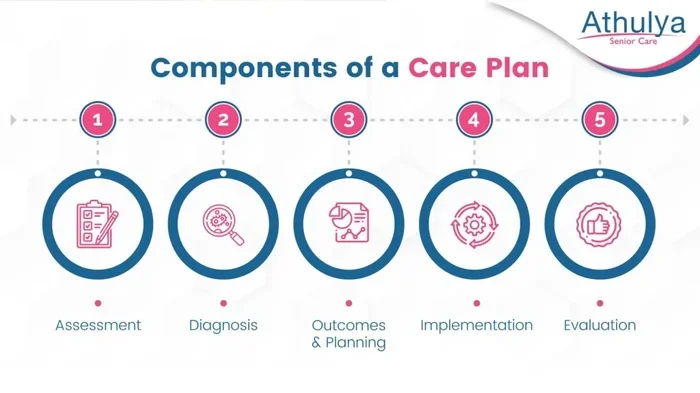
Starting the planning process can feel overwhelming. But breaking it into small steps makes it manageable. Here is a simple framework to follow.
Step 1: Start the Conversation
The hardest part of elder care planning is often the first talk. Many families avoid discussing aging because it feels uncomfortable. But open, honest conversations are essential.
Try these tips to get the conversation going:
- Choose a calm, relaxed setting. A family dinner or a quiet afternoon works well.
- Listen more than you talk. Let your aging parent share their fears and wishes.
- Use real-life examples. Mention a friend or neighbor who has navigated caregiving.
- Do not rush. This may take several conversations over weeks or months.
Sometimes, sharing a story or even reading together can open up meaningful dialogue. If you have younger family members, you might even try reading aloud to your mother as a gentle way to spark conversations about care and family bonds. It sounds simple, but shared moments like these can make tough topics feel safer to discuss.
Step 2: Assess Needs and Preferences
Once the conversation is flowing, take stock of what your loved one actually needs. Consider their physical health, mental health, social life, and daily routines.
Ask questions like:
- Can they manage daily tasks like cooking, cleaning, and bathing?
- Do they need help managing medications?
- Are they socially active, or do they feel isolated?
- What is their dream living situation?
This assessment becomes the foundation of your elder care plan. It helps you match needs with the right services and living arrangements.
Step 3: Build Your Care Team
No one should handle elder care planning alone. Build a team of trusted people who can help.
Your care team might include:
- A geriatric care manager who coordinates services and advocates for your loved one.
- An elder law attorney who handles legal documents and benefits planning.
- A financial advisor who specializes in retirement and long-term care costs.
- A primary care doctor who understands your loved one’s health history.
- Family members and friends who can share caregiving responsibilities.
Having a team in place means no one person carries the entire burden. It also ensures that decisions are well-informed and balanced.
Step 4: Create and Document the Plan
Now it is time to put everything on paper. A written plan is easier to follow and share with family members and professionals. Include:
- Your loved one’s wishes and preferences.
- Legal documents and where they are stored.
- Financial accounts, insurance policies, and important contacts.
- A list of medications and healthcare providers.
- A backup plan in case a primary caregiver becomes unavailable.
Keep this document in a safe but accessible place. Share copies with key family members and your care team.
Understanding Elder Care Options
Not all care looks the same. The right choice depends on your loved one’s health, personality, and budget. Let us look at the most common options in more detail.
Home Care Services
Many seniors prefer to stay in their own homes. Home care services make this possible by bringing help right to the doorstep.
Home care can include:
- Help with bathing, dressing, and grooming.
- Meal preparation and light housekeeping.
- Medication reminders and management.
- Companionship and social engagement.
- Physical therapy and skilled nursing visits.
Home care costs vary widely depending on the level of help needed. Some families hire private caregivers, while others use licensed home care agencies. Either way, the goal is the same: help your loved one stay safe and comfortable at home.
Assisted Living Facilities
Assisted living offers a middle ground between independent living and nursing homes. Residents get help with daily tasks while still enjoying social activities and personal freedom.
These facilities typically provide:
- Private or shared apartments.
- Three meals a day.
- Housekeeping and laundry services.
- Social programs and recreational activities.
- On-site staff for health and safety needs.
Assisted living can be a great fit for seniors who are mostly independent but need some extra support. It also gives family members peace of mind knowing their loved one is in a safe environment.
Nursing Homes and Memory Care
For seniors with serious medical needs or cognitive decline like dementia, nursing homes and memory care facilities offer the highest level of support.
These facilities provide:
- 24-hour skilled nursing care.
- Specialized programs for memory impairment.
- Therapeutic activities designed for cognitive health.
- Secure environments to prevent wandering.
Choosing a nursing home or memory care facility is a big decision. Visit multiple places. Talk to staff and residents. Trust your instincts about the atmosphere and quality of care.
Making the Home Comfortable for Aging Parents
When aging parents stay at home, small changes can make a big difference in their safety and comfort. Think about their daily experience from the moment they wake up to the moment they go to sleep.
Consider these home modifications:
- Install grab bars in the bathroom and along hallways.
- Remove loose rugs and clutter to prevent falls.
- Add good lighting in every room, especially stairways.
- Make sure doorways are wide enough for a walker or wheelchair.
- Set up a comfortable, supportive chair in their favorite room.
Speaking of chairs, comfort matters more than most people realize. An older adult who spends a lot of time sitting needs a chair that supports their back and is easy to get in and out of. If you are looking for ways to improve seating at home, you might find helpful tips in this guide on making any chair more comfortable. Small adjustments can truly improve daily quality of life for seniors.
Caregivers also need comfort. If you are spending hours helping a parent with daily tasks, your own seating setup matters. Check out this guide on office chair comfort for ideas on setting up a supportive workspace, even if it is just a corner of your living room where you handle bills and care coordination.
Common Mistakes in Elder Care Planning
Even with the best intentions, families sometimes make avoidable mistakes when planning for elder care. Knowing what to watch out for can save you time, money, and heartache.
Waiting Too Long
The most common mistake is procrastination. Many families think they have plenty of time. But health can change quickly. Starting elder care planning early gives you time to research, compare, and decide without pressure.
Skipping Legal Documents
Some people avoid legal paperwork because it feels heavy or sad. But without a power of attorney or living will, families can end up in court during a crisis. Do not skip this step. It is one of the most important things you can do.
Ignoring Emotional Needs
Elder care is not just about physical health. Older adults need social connection, purpose, and emotional support. A care plan that ignores feelings and loneliness is incomplete. Make sure your plan includes activities, friendships, and regular family time.
Not Involving the Senior
Too often, families make all the decisions without asking the older adult what they want. Respect their autonomy. Include them in every step of the planning process. Their voice matters.
Underestimating Costs
Home care, assisted living, and nursing homes all come with significant price tags. Families who underestimate costs can find themselves in financial trouble quickly. Do the research, get quotes, and build a realistic budget into your plan.
Final Thoughts on Elder Care Planning
Elder care planning is one of the most meaningful things you can do for your family. It shows love, respect, and foresight. It means that when the time comes, your loved ones will be cared for in the way they want, in the place they choose, and with the dignity they deserve.
You do not need to have everything figured out today. Start with one conversation. Add one document. Take one small step. Over time, those steps add up to a plan that brings real security and peace of mind.
The best time to start is now. The second-best time is tomorrow. Do not wait for a crisis to push you into action. Be proactive. Be kind. And know that every effort you put into planning is a gift to the people you love.
Frequently Asked Questions
What is elder care planning and why does it matter?
Elder care planning is the process of preparing for the care needs of older adults. It matters because it gives families more choices, reduces stress during emergencies, and ensures that aging loved ones receive the care they want and deserve.
When should I start planning for elder care?
The earlier, the better. Ideally, you should start elder care planning while your loved one is still healthy and able to participate in decisions. Waiting until a health crisis limits your options and creates unnecessary pressure on the whole family.
What are the main costs involved in elder care planning?
Costs can include home care services, assisted living fees, nursing home expenses, legal fees for documents, and long-term care insurance premiums. The total cost depends on the level of care needed and the chosen living arrangement.
Do I need an elder law attorney for elder care planning?
While not legally required, an elder law attorney is highly recommended. They understand the complex legal and financial aspects of aging, including Medicare, Medicaid, estate planning, and advance directives. Their expertise can save your family time, money, and confusion.
Can elder care planning help reduce family conflicts?
Absolutely. One of the biggest benefits of elder care planning is that it reduces family disagreements. When wishes are documented and roles are clearly defined, everyone knows what to do. This prevents misunderstandings and emotional conflicts during stressful times.
What is the difference between home care and assisted living?
Home care brings services directly to your loved one’s house, allowing them to age in place. Assisted living is a residential facility that provides housing, meals, and help with daily tasks. The right choice depends on your loved one’s health needs, preferences, and budget.
=== CONCLUSION ===
Elder care planning is not something to fear or put off. It is an act of love that prepares your family for the future with confidence and compassion. From legal documents to financial strategies, housing options to daily care, every piece of the puzzle matters.
Take it one step at a time. Start the conversation. Gather your documents. Build your team. And remember that the goal is not perfection, it is progress. A plan, even an imperfect one, is always better than no plan at all.
Your loved ones have taken care of you for years. Now it is your turn to make sure they are cared for in the best possible way. Start your elder care planning journey today, and give your family the gift of preparedness and peace of mind.

Similar Posts































