Window Tint Vlt Chart
Recipe Developer & Kitchen Guide Writer at Choose Vacuum · Certified Home Economist, ServSafe Food Handler · 8+ years developing home recipes and testing everyday kitchen techniques
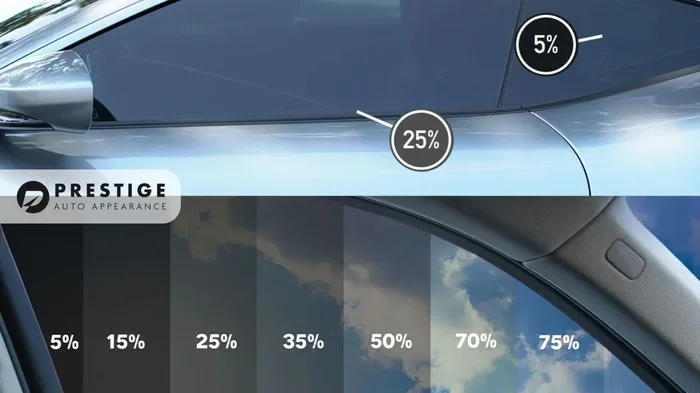
A window tint VLT chart shows you exactly how much light passes through your tinted windows. Whether you are tinting your car, home, or office, understanding VLT percentages helps you pick the right film. This guide breaks down everything from legal limits to the best tint types, so you can make a smart, informed choice with confidence.
If you have ever walked into a car dealership or a tint shop and felt completely lost by all the numbers and percentages, you are not alone. The window tint VLT chart is the one tool that clears up all the confusion. It tells you exactly how dark or light a tint film is, and it is the foundation of every smart tinting decision.
VLT stands for Visible Light Transmission. In plain English, it measures how much sunlight passes through your glass. A higher number means more light gets through. A lower number means the tint is darker. Whether you are tinting your car windows, your home, or your office, understanding this chart is essential. It saves you money, keeps you legal, and helps you pick the right film the first time.
Key Takeaways
- VLT stands for Visible Light Transmission: it measures how much light your tint film lets through.
- A lower VLT percentage means a darker tint: 5% VLT is very dark, while 70% VLT is barely tinted.
- Every state has different legal tint limits: knowing your local window tint laws keeps you compliant.
- Different tint materials affect VLT differently: ceramic, dyed, and metalized films each have unique properties.
- Factory tint and aftermarket tint are not the same: VLT charts treat them differently when calculating total tint.
- VLT affects heat rejection, UV protection, and glare reduction: choosing the right percentage balances comfort and legality.
📑 Table of Contents
What Is a Window Tint VLT Chart?
A window tint VLT chart is a simple reference guide. It lists tint films by their VLT percentage. Each percentage tells you how much visible light the film allows to pass through the glass. For example, a film with 50% VLT lets in half of the available light. A film with 5% VLT lets in only a tiny fraction.
These charts usually go from 5% VLT all the way up to 90% VLT. The lower the number, the darker the tint. The higher the number, the lighter and more transparent the film. Tint shops and manufacturers use these charts every day. They help customers find the exact look and performance they want.
Why VLT Percentage Matters
The VLT percentage is not just about looks. It directly affects how much heat enters your vehicle or building. It controls how much UV radiation reaches your skin and your furniture. It even impacts your visibility while driving. Choosing the wrong VLT can lead to a hot car, faded interiors, or even a traffic ticket.
Here is a quick breakdown of common VLT ranges:
- 5% to 20% VLT: Very dark tint. Often called “limo tint.” Offers maximum privacy and heat rejection.
- 25% to 35% VLT: Medium-dark tint. A popular choice for cars that want a sleek look without going too dark.
- 40% to 50% VLT: Moderate tint. Good balance of style, comfort, and visibility.
- 50% to 70% VLT: Light tint. Barely noticeable but still offers UV protection and some heat rejection.
- 70% to 85% VLT: Very light tint. Close to clear glass. Often used for subtle UV protection.
How to Read a VLT Chart Correctly
Reading a window tint VLT chart is easier than it looks. The chart typically lists each tint film on the left side. Across the top, you will see VLT percentages. Each row shows you the specific performance data for that film. You look for the VLT number that matches the film you are considering.
One important thing to remember is that VLT is measured for the film alone. This is called the “film VLT.” When you apply that film to glass, the combined VLT drops. This is because the glass itself already blocks some light before the tint even gets involved.
Film VLT vs. Combined VLT
This is where many people get confused. Film VLT is the percentage of light the tint film alone allows through. Combined VLT is what you actually see after the film is applied to your window glass.
For example, if your car window has a factory tint of 70% VLT, and you add a 50% VLT film, the combined result is lower. You multiply 70% by 50% to get approximately 35% VLT. That is a significant difference from the film VLT alone. Always ask your tint installer to calculate the combined VLT for you.
Factory Tint vs. Aftermarket Tint
Most modern cars come with some factory tint on the rear windows. This is sometimes called “factory shade.” The VLT of factory tint varies by manufacturer and model. Some cars have a light factory tint around 70% to 80% VLT. Others have a darker shade around 15% to 20% VLT.
Aftermarket tint is the film you add yourself or have a professional install. When you are choosing a window tint VLT chart, make sure you know whether the chart references film VLT or combined VLT. This distinction matters a lot for legal compliance and performance expectations.
Window Tint Laws and Legal VLT Limits
Every state and country has its own window tint laws. These laws set the maximum or minimum VLT allowed for different windows on your vehicle. Ignorance of these laws is not an excuse. If you get pulled over with illegal tint, you could face a fine or be ordered to remove it.
Here are some general guidelines, but always check your specific local regulations:
- Front side windows: Many states require 70% VLT or higher on the driver and passenger side windows.
- Rear side windows: Legal limits vary widely. Some states allow as low as 5% VLT on rear windows.
- Rear windshield: Often has more relaxed rules, but many states still require a minimum VLT.
- Medical exemptions: Some states allow darker tints for individuals with a doctor’s prescription.
How to Find Your State’s Legal Tint Limits
The easiest way to find your state’s legal limits is to search for “window tint laws by state.” Most DMV websites and tint industry sites publish this information freely. You can also ask your tint installer directly. A reputable shop will know the law and will not install illegal tint for you.
Keep in mind that enforcement varies. Some police departments are strict about tint compliance. Others focus mainly on the front windows. Regardless, staying within the legal VLT range protects you from fines and keeps you safe on the road.
Types of Window Tint Films and Their VLT Performance
Not all tint films are created equal. The type of film you choose affects the VLT, the heat rejection, and the overall performance. Here is a look at the most common types of tint film available on the market today.
Dyed Tint Film
Dyed tint is the most affordable option. It uses layers of dye to absorb heat and reduce light transmission. Dyed films typically come in a wide range of VLT percentages. They offer decent privacy and a clean look. However, dyed tint tends to fade over time. It also provides less heat rejection compared to more advanced films.
Metalized Tint Film
Metalized tint contains tiny metallic particles. These particles reflect heat and improve durability. Metalized films often have excellent heat rejection at a lower VLT. They also add strength to your windows. The downside is that metalized tint can interfere with cell phone signals and GPS. It may also give the glass a shiny, reflective appearance.
Ceramic Tint Film
Ceramic tint is the premium choice. It uses nano-ceramic particles to block heat without adding color or metal. Ceramic films offer superior UV protection and heat rejection. They do not interfere with electronics. The VLT options are very precise, making them ideal for people who want high performance without sacrificing visibility. Ceramic tint is more expensive, but it delivers the best overall value over time.
Carbon Tint Film
Carbon tint is a mid-range option that offers a matte finish. It blocks a good amount of heat and does not fade easily. Carbon films are available in various VLT levels. They look sleek and professional. Carbon tint is a great choice for those who want quality without the premium price of ceramic.
Choosing the Right VLT for Your Needs
Selecting the right VLT percentage depends on what you want from your tint. Different situations call for different levels of darkness and performance. Here is how to think about your options.
Best VLT for Cars
For most car owners, a VLT between 35% and 50% hits the sweet spot. It looks dark and stylish without being too dark for safe driving. The front side windows usually need to stay above 50% VLT in most states. Rear windows can go much darker. If you want maximum heat rejection, consider a ceramic film with a 35% VLT on the rear windows.
Best VLT for Homes
Home window tint serves a different purpose than car tint. The goal is usually heat reduction, UV protection, and glare control. For homes, a VLT between 30% and 50% works well. It blocks a significant amount of solar heat while still letting in plenty of natural light. If you want more privacy, you can go darker. If you want to keep the view, stay in the 50% to 70% range.
Best VLT for Offices
Office buildings often use a combination of tint levels. Front windows might have a lighter VLT for a welcoming appearance. Interior partitions and rear windows can use darker films for privacy and glare reduction. A window tint VLT chart helps facility managers choose the right film for each area of the building.
Common Mistakes People Make with VLT Charts
Even well-informed people make mistakes when choosing window tint. Here are some common errors to avoid:
- Ignoring factory tint: Many people forget their car already has some tint on the rear windows. Adding aftermarket tint without calculating combined VLT can lead to unexpected darkness.
- Choosing tint based on looks alone: A dark tint might look great, but it could be illegal or reduce your visibility at night.
- Not checking local laws: Every state has different limits. What is legal in one state could get you a ticket in another.
- Skipping UV protection: Some tints focus only on VLT and heat. Always check the UV rejection rate too.
- Picking the cheapest film: Budget tint films fade, bubble, and peel. Investing in quality pays off in the long run.
Quick Tips for Choosing the Right Tint
- Always ask for the combined VLT, not just the film VLT.
- Check your state’s legal limits before choosing a tint percentage.
- Consider your climate. Hotter climates benefit from lower VLT and higher heat rejection.
- Ask about UV protection ratings when comparing films.
- Work with a reputable, licensed tint installer.
Expert Insights on VLT Charts
Professional tint installers see hundreds of customers each year. They know what works and what does not. According to industry experts, the biggest mistake car owners make is choosing tint based on what looks cool in a showroom. The best approach is to start with your local laws, then decide what level of heat rejection and privacy you need, and finally pick the VLT that meets all those requirements.
Experts also recommend getting a window tint VLT chart from your installer before the job begins. This chart should show you the film VLT, the glass VLT, and the calculated combined VLT. Having this information in writing protects you and ensures you get exactly what you paid for.
Another pro tip is to consider the direction your windows face. Windows that face west get the most afternoon sun. Those facing south get consistent heat throughout the day. North-facing windows need the least tinting. Use this information to prioritize which windows get the darkest tint and which get a lighter film.
Conclusion
A window tint VLT chart is one of the most useful tools you can have when planning any tinting project. It takes the guesswork out of choosing the right tint percentage for your car, home, or office. Whether you want maximum privacy, better heat rejection, or simply a sleek new look, understanding VLT puts you in control.
Remember to always consider your local laws, your factory tint, and the type of film you choose. Use the tips and guidelines in this article to make a confident decision. A well-chosen tint not only looks great but also saves you energy, protects your health, and improves your comfort every single day.
Take the time to study the window tint VLT chart before you commit. Your future self will thank you for making an informed, smart choice.
Frequently Asked Questions
What does VLT stand for in window tint?
VLT stands for Visible Light Transmission. It measures the percentage of visible light that passes through your tinted glass. A lower VLT percentage means a darker tint, while a higher percentage means more light gets through.
Is 5% VLT tint legal?
5% VLT tint is legal in some states for rear windows only, but it is illegal for front side windows in most places. Laws vary by state, so always check your local window tint laws before purchasing a 5% VLT film.
Can I use a VLT chart for home window tint too?
Absolutely. A window tint VLT chart works for cars, homes, and offices. The principles are the same. You just need to consider different factors like heat rejection, glare control, and privacy for each application.
How do I calculate combined VLT?
To calculate combined VLT, multiply the factory glass VLT by the film VLT, then divide by 100. For example, if your glass is 70% VLT and your film is 50% VLT, the combined VLT is 35%. Most tint shops will do this calculation for you for free.
What is the best VLT for hot climates?
For hot climates, a VLT between 20% and 35% on rear windows works well. It blocks a lot of solar heat while still allowing enough light for comfortable driving. Ceramic films in this range offer the best heat rejection and UV protection.
Does a higher VLT tint still block UV rays?
Yes, even light tints with high VLT percentages can block a significant amount of UV radiation. UV protection depends on the film material, not just the VLT. Ceramic and metalized films offer excellent UV blocking at any VLT level.
=== META TITLE ===
Window Tint VLT Chart – What Each Percentage Means
=== URL SLUG ===
window-tint-vlt-chart

Similar Posts































