Why Is My Car Covered in Dust
Recipe Developer & Kitchen Guide Writer at Choose Vacuum · Certified Home Economist, ServSafe Food Handler · 8+ years developing home recipes and testing everyday kitchen techniques
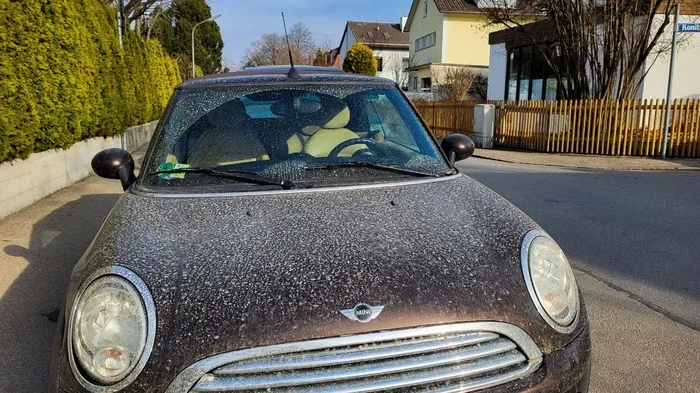
Your car gets covered in dust because of environmental particles, static electricity, and everyday pollutants that cling to surfaces. Understanding the root causes helps you fight dust buildup effectively and protect your paint. With the right prevention strategies and regular cleaning habits, you can keep your vehicle looking clean for much longer.
Key Takeaways
- Dust comes from multiple sources: pollen, dirt, pollution, and indoor particles all contribute to dust on your car.
- Static electricity attracts dust: your car’s paint acts like a magnet for fine particles, especially in dry conditions.
- Parking location matters: where you park your car has a huge impact on how fast dust accumulates.
- Regular washing and waxing help: a protective layer on your paint makes it harder for dust to stick.
- Dust covers and carports work: simple protective measures can save you time and keep dust off your vehicle.
- Interior dust is a different problem: cabin air filters and regular vacuuming help control dust inside your car.
📑 Table of Contents
- Why Is My Car Covered in Dust So Quickly?
- Where Does Car Dust Come From?
- How Parking Location Affects Dust Buildup
- How to Protect Your Car from Dust
- Is Dust Bad for Your Car?
- Interior Dust: The Hidden Problem
- Common Mistakes People Make When Dealing with Car Dust
- Quick Tips for Keeping Your Car Dust-Free
- Final Thoughts
Why Is My Car Covered in Dust So Quickly?
You just washed your car. You feel proud. You walk away. Then you look back the next morning and boom — a fine layer of dust covers everything. It happens to all of us. But why does it happen so fast?
The answer is simpler than you think. Dust is everywhere. It floats in the air, settles on surfaces, and loves your car’s smooth paint. Your vehicle is basically a big dust magnet. Understanding why your car gets dusty is the first step to keeping it clean.
Dust on cars is not just annoying. It can damage your paint over time. Tiny particles scratch the surface when you wipe them off. That is why knowing the cause matters so much. Let us dig into what is actually going on.
What Is Dust Made Of?
Dust is not just dirt. It is a mix of many things. Here is what is probably sitting on your car right now:
- Pollen from trees and plants
- Soil particles kicked up by wind and traffic
- Pollution particles from cars and factories
- Textile fibers from clothing and furniture
- Dead skin cells and other organic matter
- Construction debris if you live near a building site
These tiny particles float in the air and land on your car throughout the day. Some are so small you cannot even see them. But together, they create that annoying gray film you keep noticing.
Why Does Dust Stick So Well?
Here is a fun fact. Your car’s paint creates a small static charge. That static charge pulls dust particles toward the surface. It is the same reason a balloon sticks to a wall after you rub it on your hair. The smoother and shinier the surface, the more static it holds. That is why a freshly waxed car can actually attract dust faster than a dull one.
Humidity also plays a role. On dry days, static charge builds up more. On humid days, moisture in the air can make dust stick differently. Either way, your car ends up dusty either way.
Where Does Car Dust Come From?
Not all dust is the same. Different environments create different types of dust buildup on your car. Let us look at the main sources.
Outdoor Environmental Dust
If you park outside, your car is exposed to everything. Wind blows dust onto it. Trees drop pollen. Construction nearby sends particles into the air. Even the road you drive on kicks up tiny rocks and dirt that settle on your paint.
Living near a dirt road or an unpaved driveway makes this worse. The dust travels through the air and lands on your vehicle every single day. In dry, windy climates, this problem is even more intense.
Indoor Dust and Garage Dust
You might think parking in a garage keeps your car clean. But indoor dust is real too. Home dust comes from carpets, curtains, bedding, and furniture. If your garage is attached to your house, all of that indoor dust drifts into the space and settles on your car.
Even if your garage is separate, dust from the surrounding environment finds its way in. Garages are not sealed environments. Air flows in and out, carrying particles with it.
Your Own Activities
Here is something people overlook. Your own daily activities add dust to your car. Getting in and out of the vehicle shakes off tiny particles from your clothes. Pets bring in fur and dander. Even walking across carpeted floors and then touching your car transfers dust.
If you notice dust collecting inside your car more than outside, your own habits might be the cause. Wearing loose clothing, using fabric seats, or keeping windows down all contribute.
How Parking Location Affects Dust Buildup
Where you park your car matters more than you might think. A simple change in parking spot can cut down on dust significantly.
Cars parked near trees collect more pollen and sap. Vehicles parked on busy streets pick up exhaust particles and road dust. Cars left in open fields or on gravel lots get covered fast. Even parking under a tree can be a problem — tree sap and bird droppings mix with dust to create a stubborn grime layer.
Here are some parking tips to reduce dust:
- Park in a carport or covered area when possible
- Avoid parking near construction sites or dirt roads
- Keep your car away from trees that shed heavily
- Use a dust cover if you must park outside
- Choose a smooth surface like concrete over gravel
Small changes in where you park can make a big difference. Over time, you will notice less dust buildup on your vehicle.
How to Protect Your Car from Dust
Now that you know why dust builds up, let us talk about what you can do about it. Prevention is always easier than cleaning.
Wash and Wax Regularly
A good coat of wax creates a barrier between your paint and dust particles. The wax fills in tiny imperfections in the paint, making the surface smoother. Smooth surfaces mean less static charge and less dust attraction.
Wash your car at least once a week if you live in a dusty area. Use a soft microfiber mitt to avoid scratching the paint. After washing, apply a layer of wax or a ceramic coating for extra protection.
Ceramic coatings have become very popular because they last longer than traditional wax. A good ceramic coating can protect your car for several months. It creates a hydrophobic surface that repels water and dust.
Use a Dust Cover or Car Cover
A quality car cover is one of the best investments you can make. It keeps dust off your car when it is not in use. Look for covers made from breathable fabric so moisture does not get trapped underneath.
If you park indoors, a cover still helps. It catches dust that would otherwise settle on your paint. Just make sure the car is cool before you cover it. Covering a warm car can trap moisture and cause damage.
Keep Your Garage Clean
If you park in a garage, sweep and dust regularly. Vacuum the floor to pick up particles that would otherwise float into the air. A clean garage means a cleaner car.
Consider installing a garage floor mat or sealing the concrete floor. This reduces dust kicked up from the ground every time you drive in or out.
Use a Quick Detailer Spray
Between full washes, a quick detailer spray can keep dust off your car. These sprays add a thin layer of protection and make the surface slick. Dust slides off more easily when the paint is treated with a detailer.
Keep a bottle in your car or garage. A quick spray and wipe takes only minutes. It keeps your paint looking fresh without a full wash.
Is Dust Bad for Your Car?
Yes, dust can harm your car if you ignore it. A light layer of dust might look harmless. But over time, it causes real damage.
When dust sits on your paint, it absorbs moisture from rain or morning dew. That trapped moisture can lead to oxidation and dullness. Fine dust particles are also abrasive. When you wipe them off with a dry cloth, they scratch the clear coat.
Here is how dust damages your car over time:
- Scratches the paint — fine particles act like sandpaper when wiped
- Causes oxidation — trapped moisture reacts with the paint surface
- Builds up in crevices — dust collects around seals, trim, and vents
- Affects resale value — a dusty car looks older and poorly maintained
The good news is that regular care prevents all of this. A little effort goes a long way in protecting your vehicle.
Interior Dust: The Hidden Problem
People focus on the exterior, but interior dust is just as important. Your car’s cabin collects dust from shoes, clothing, and the air outside. Over time, this creates a layer of grime on seats, dashboards, and vents.
Vacuum your seats and floors at least once a week. Wipe down the dashboard and console with a microfiber cloth. Replace your cabin air filter every 12,000 to 15,000 miles to keep dust from circulating through the vents.
If you have leather seats, use a leather conditioner after cleaning. Dust on leather can work its way into the material and cause cracking over time. Fabric seats benefit from regular steam cleaning to pull out embedded particles.
Think about how a person sitting in a chair notices dust on the seat — the same principle applies inside your car. You feel the grit on the upholstery and see it settle on every surface.
Common Mistakes People Make When Dealing with Car Dust
Everyone makes mistakes when fighting dust. Here are the ones to avoid:
- Using a dry towel to wipe dust off — this creates scratches. Always use a damp cloth or a rinseless wash.
- Washing too infrequently — letting dust sit for weeks makes it harder to remove safely.
- Using the wrong products — harsh cleaners strip wax and leave the paint vulnerable.
- Ignoring the underside of the car — dust and grime build up on wheel wells and undercarriage too.
- Overlooking interior vents — dust collects in AC vents and blows into the cabin constantly.
Avoiding these mistakes saves you time and protects your car’s finish. Small changes in your routine make a big impact.
Quick Tips for Keeping Your Car Dust-Free
Here are some simple habits that work wonders:
- Rinse your car with water before washing to loosen dust particles
- Use a two-bucket method when washing to avoid reintroducing dirt
- Dry with a plush microfiber towel to prevent water spots
- Apply a quick detailer after every wash for ongoing protection
- Keep a dust cover handy for long parking sessions
- Check your cabin air filter monthly during dusty seasons
- Wipe down the interior weekly with a damp microfiber cloth
These tips take only a few minutes each. But done consistently, they keep your car looking clean and protected all year long.
Final Thoughts
So why is your car covered in dust? The answer is simple — dust is everywhere, and your car is an easy target. Static electricity, environmental particles, and everyday activities all contribute to that annoying layer of grime.
But now you know how to fight back. Regular washing, waxing, and smart parking choices make a huge difference. Protecting both the exterior and interior keeps your car looking great and preserves its value.
The best approach is prevention. A little effort every day saves you from big cleaning sessions later. Keep a microfiber cloth in your car, use a dust cover when needed, and stay on top of your washing routine. Your car will thank you for it.
Remember, dust is not just a cosmetic problem. It can damage your paint, scratch your surfaces, and reduce resale value. Take it seriously, and your car will stay cleaner for longer.
Frequently Asked Questions
Why does my car get dusty even after I wash it?
Dust particles are constantly floating in the air and settling on surfaces. After you wash your car, the smooth paint and static charge actually attract new dust quickly. This is why washing alone is not enough — you need wax or a protective coating to slow down dust buildup.
Is it bad to let dust sit on my car for a long time?
Yes, long-term dust exposure can damage your paint. Dust absorbs moisture, which leads to oxidation. Fine particles also scratch the clear coat when you wipe them off. Regular cleaning prevents this cumulative damage and keeps your car looking its best.
Can I use a leaf blower to remove dust from my car?
Yes, a leaf blower on a low setting can remove loose dust without touching the paint. It is a great first step before washing. Just be careful not to hold it too close, and avoid using it on wet surfaces or in windy conditions where it just blows dust around.
How often should I wax my car to prevent dust?
Waxing every two to three months is a good rule of thumb for most drivers. If you live in a very dusty area or park outside frequently, consider waxing more often. Ceramic coatings last longer and provide better dust resistance than traditional wax.
Does parking indoors really make a difference?
Absolutely. Parking indoors reduces your car’s exposure to airborne dust, pollen, and pollution. However, indoor dust from your home or garage can still settle on your car. Using a dust cover indoors adds an extra layer of protection.
What is the best cloth to use when wiping dust off my car?
A soft microfiber cloth is the best choice. It traps dust instead of pushing it around, and it is gentle on the paint. Avoid using old t-shirts or rough towels, as they can create micro-scratches. Always use a damp cloth for the best results.

Similar Posts































