Who Makes Subaru Oil Filters
Recipe Developer & Kitchen Guide Writer at Choose Vacuum · Certified Home Economist, ServSafe Food Handler · 8+ years developing home recipes and testing everyday kitchen techniques
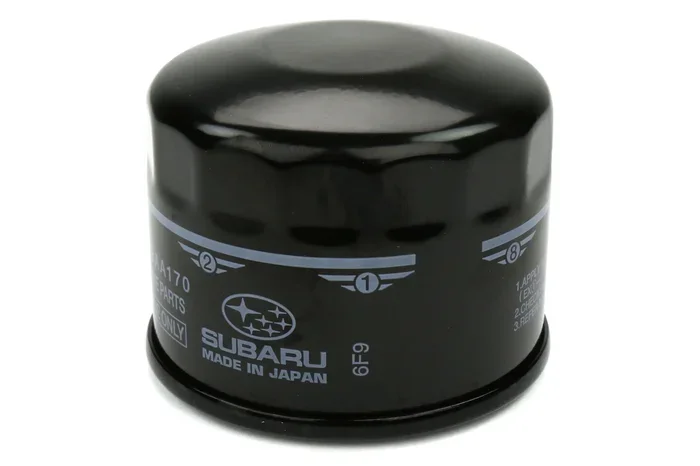
Who makes Subaru oil filters? Subaru uses both OEM (original equipment manufacturer) filters and trusted aftermarket brands like Wix, Fram, and Mobil 1. Understanding who manufactures these filters helps you make informed decisions about engine protection and maintenance. Let’s break down the top brands, materials, and what to look for when choosing the right filter.
When you pull into an auto parts store or browse online for car parts, one question keeps popping up: who makes Subaru oil filters? It is a simple question, but the answer is more interesting than you might think. Subaru does not make every single part that goes into their vehicles. Instead, they rely on a network of specialized manufacturers who produce components to Subaru’s exact specifications.
The oil filter is one of the most important parts of your Subaru’s engine. It catches dirt, metal particles, and other contaminants before they can damage sensitive engine components. Without a quality filter, your engine could suffer serious wear over time. That is why knowing who makes Subaru oil filters and what goes into them matters so much.
In this guide, we will walk through everything you need to know. We will cover OEM vs aftermarket options, the top brands involved, what materials are used, and how to pick the right filter for your ride. Whether you are a DIY mechanic or just someone who wants to understand their car better, this article has you covered.
Key Takeaways
- OEM Filters: Subaru uses trusted OEM suppliers like Wix and Mobil 1 for genuine Subaru oil filters.
- Aftermarket Options: Popular brands like Fram, Bosch, and K&N also manufacture Subaru-compatible oil filters.
- Filter Materials Matter: Full synthetic media offers better filtration than conventional paper filters.
- Replacement Schedule: Change your oil filter every oil change or every 6,000 to 7,500 miles.
- Compatibility Is Key: Always verify the filter fits your specific Subaru model and engine type.
- Quality Indicators: Look for anti-drain back valves, bypass valves, and manufacturer certifications.
📑 Table of Contents
Who Makes Subaru Oil Filters?
Subaru does not stamp their name on every oil filter they sell. Instead, they work with established filter manufacturers who build the filters to Subaru’s engineering standards. The most common OEM supplier for Subaru oil filters is Wix Filters, a well-respected name in the filtration industry. Wix has been a trusted partner for many automakers, and Subaru relies on their expertise for genuine OEM filters.
Another major player in the Subaru oil filter world is Mobil 1. Some Subaru models come equipped with Mobil 1 filters from the factory. Mobil 1 is known for its synthetic filtration technology and has a strong reputation among car owners who want top-tier engine protection.
Now, you might wonder how this is similar to asking who made a chair — the answer is that large brands often use third-party manufacturers. Just like a furniture brand might partner with a factory to build their chairs, Subaru partners with filter specialists to produce their oil filters.
OEM vs Aftermarket Oil Filters
When you shop for oil filters, you will see two main categories: OEM and aftermarket. OEM stands for original equipment manufacturer. These are the filters that Subaru specifies for their vehicles. Aftermarket filters are made by independent companies and designed to fit Subaru engines without being officially branded by Subaru.
Both options have pros and cons. OEM filters are guaranteed to meet Subaru’s specifications. Aftermarket filters sometimes offer upgraded materials or better pricing. Let us look at a quick comparison:
- OEM Filters: Meet Subaru specs exactly, widely available at dealerships, typically more expensive.
- Aftermarket Filters: Often more affordable, some offer advanced filtration media, available at auto parts stores and online.
Understanding Subaru’s Manufacturing Partners
Subaru has a long history of partnering with reliable suppliers. The company was founded in Japan in 1953 and has grown into a global brand known for its boxer engines and all-wheel-drive systems. Over the decades, Subaru has built strong relationships with companies like Wix, Mobil 1, and others who supply essential components.
The history of automotive filtration is fascinating. It reminds you of how people ask who invented the chair — both have humble beginnings and evolved over time into highly engineered products. Early oil filters were simple mesh screens. Today, they use multi-layer synthetic media that can trap particles as small as 10 microns.
Types of Subaru Oil Filters
Not all oil filters are created equal. Subaru uses different types of filters depending on the model, engine, and year. Understanding the types can help you make a smarter buying decision.
Mechanical (Paper) Filters
Traditional oil filters use paper filter media. The paper is pleated to increase surface area, allowing more oil to be filtered at once. These filters are effective and affordable. Most Subaru OEM filters fall into this category. They work well for standard driving conditions and regular oil change intervals.
Synthetic Filters
Synthetic oil filters use advanced fiber media instead of paper. They offer better filtration efficiency, especially at high temperatures. Synthetic filters also tend to have a higher dirt-holding capacity, meaning they last longer between changes. If you drive your Subaru in extreme conditions — like very hot weather or heavy towing — a synthetic filter is a great choice.
High-Flow Filters
Some aftermarket brands offer high-flow oil filters. These are designed to allow oil to pass through more easily, reducing strain on the oil pump. Brands like K&N and AEM make high-flow options that Subaru owners sometimes prefer for performance applications. However, for daily driving, a standard OEM filter usually does the job just fine.
What Goes Into a Subaru Oil Filter?
Understanding what is inside an oil filter helps you appreciate the engineering that goes into it. A typical Subaru oil filter contains several key components, each serving a specific purpose.
Filter Media
The filter media is the heart of the oil filter. It is the material that actually catches contaminants. Most Subaru OEM filters use a combination of cellulose paper and synthetic fibers. The media is tightly woven to create tiny passages that oil flows through while trapping particles. The finer the media, the smaller the particles it can catch.
Anti-Drain Back Valve
This small but important feature prevents oil from draining back into the oil pan when the engine is turned off. When you start your Subaru, the oil pump needs immediate oil pressure to lubricate the engine. The anti-drain back valve keeps oil sitting near the filter so it is ready to go the moment you turn the key.
Bypass Valve
The bypass valve opens if the filter becomes clogged or if the oil is too thick (like in cold weather). It allows oil to bypass the filter and flow directly to the engine. This prevents engine damage from oil starvation. While a clogged filter is not ideal, the bypass valve is a safety feature that keeps your engine running.
How to Choose the Right Oil Filter for Your Subaru
Choosing the right oil filter is easier than you think. You just need to know what to look for. Here are some practical tips to guide you.
Compatibility Matters
Every Subaru model has specific filter requirements. A Subaru WRX needs a different filter than a Subaru Outback or a Subaru Forester. Always check your owner’s manual or use a parts catalog to find the correct filter part number. Using the wrong filter can lead to poor filtration or even engine damage.
Quality Indicators
When comparing filters, look for these quality markers:
- ISO Certification: Shows the filter meets international quality standards.
- Anti-Drain Back Valve: Essential for protecting your engine on startup.
- Burst Strength: Higher burst strength means the filter can handle more pressure.
- Filtration Efficiency: Look for filters that trap particles down to 10 microns or smaller.
- Brand Reputation: Stick with well-known brands like Wix, Mobil 1, Fram, or Bosch.
If you are curious about how manufacturing decisions are made, it is a bit like asking who created the chair — someone had to design it, test it, and approve it before it reached your garage. The same goes for oil filters. Each one goes through rigorous testing before it is approved for use in a Subaru engine.
When to Replace Your Subaru Oil Filter
Replacing your oil filter at the right time is crucial for engine health. Most Subaru owners follow the manufacturer’s recommended oil change interval, which is typically every 6,000 to 7,500 miles for conventional oil. If you use synthetic oil, you can stretch that to about 7,500 to 10,000 miles.
Replacement Intervals
Here is a quick breakdown of recommended oil filter replacement intervals:
- Conventional Oil: Change every 6,000 miles or 6 months.
- Synthetic Blend: Change every 6,500 miles or 6 months.
- Full Synthetic Oil: Change every 7,500 to 10,000 miles or 12 months.
Always replace the oil filter every time you change the oil. The old filter holds contaminants from the previous oil change. Putting fresh oil through a dirty filter defeats the purpose of the oil change.
Signs Your Oil Filter Needs Replacement
Watch for these warning signs that your oil filter may be failing:
- Dark or dirty oil on your dipstick.
- Unusual engine noises, especially on startup.
- Reduced oil pressure readings on your dashboard.
- Decreased fuel efficiency.
- The oil filter housing shows visible leaks.
Maintenance Tips for Longer Engine Life
Taking care of your Subaru’s oil filter is one of the simplest ways to extend engine life. Here are some practical tips that every Subaru owner should follow.
Regular Oil Changes
Do not skip oil changes. Fresh oil with a clean filter keeps your engine running smoothly. Set a reminder on your phone or use a mileage tracker to stay on schedule. Consistent oil changes are the single most important thing you can do for your engine.
Proper Disposal
Used oil filters still contain old oil that can harm the environment. Take your old filters to a recycling center or auto parts store that accepts used oil and filters. Many stores like AutoZone and O’Reilly offer free recycling for used filters and oil.
Keep Records
Maintain a log of your oil changes and filter replacements. This helps you stay on track and can increase the resale value of your Subaru. A well-documented maintenance history gives buyers confidence in the vehicle.
Conclusion
Who makes Subaru oil filters? The answer is a mix of trusted OEM suppliers like Wix and Mobil 1, along with reputable aftermarket brands like Fram, Bosch, and K&N. Subaru relies on these manufacturers to produce filters that meet their exact engineering standards. By understanding who makes these filters and what goes into them, you can make confident choices about your Subaru’s maintenance.
Remember to always check compatibility, replace your filter with every oil change, and watch for signs of a failing filter. A little attention to your oil filter goes a long way toward keeping your Subaru engine healthy for years to come. Take the time to choose the right filter, and your engine will thank you every time you turn the key.
Frequently Asked Questions
What brand oil filter does Subaru use?
Subaru primarily uses Wix Filters as their OEM oil filter supplier. Some models also come with Mobil 1 filters from the factory. Both brands are highly respected in the automotive filtration industry and meet Subaru’s strict engineering requirements.
Can I use an aftermarket oil filter on my Subaru?
Yes, you can use aftermarket oil filters as long as they are compatible with your specific Subaru model and engine. Look for filters from reputable brands like Fram, Bosch, or K&N. Always verify the part number and specifications match your vehicle’s requirements.
How often should I replace my Subaru oil filter?
Replace your oil filter every time you change your oil. For most Subarus, this means every 6,000 to 7,500 miles with conventional oil, or every 7,500 to 10,000 miles with full synthetic oil. Check your owner’s manual for the exact interval recommended for your model.
Are Subaru OEM oil filters worth the extra cost?
OEM filters are guaranteed to meet Subaru’s specifications and provide reliable performance. They may cost a bit more than aftermarket options, but they offer peace of mind and consistent quality. For most drivers, OEM filters are a solid choice.
What happens if I don’t change my oil filter?
A clogged or old oil filter restricts oil flow to your engine. This can cause increased wear on engine components, reduced performance, and in severe cases, engine failure. Always replace your oil filter during every oil change to keep your engine properly protected.
Is synthetic oil filter better than a standard filter?
Synthetic oil filters generally offer better filtration efficiency and higher dirt-holding capacity compared to standard paper filters. They perform well in extreme temperatures and are ideal for drivers who face harsh conditions or extended oil change intervals. For most Subaru owners, a synthetic filter is an excellent upgrade.

Similar Posts