What Is the Equivalent to 35 in Tires
Recipe Developer & Kitchen Guide Writer at Choose Vacuum · Certified Home Economist, ServSafe Food Handler · 8+ years developing home recipes and testing everyday kitchen techniques
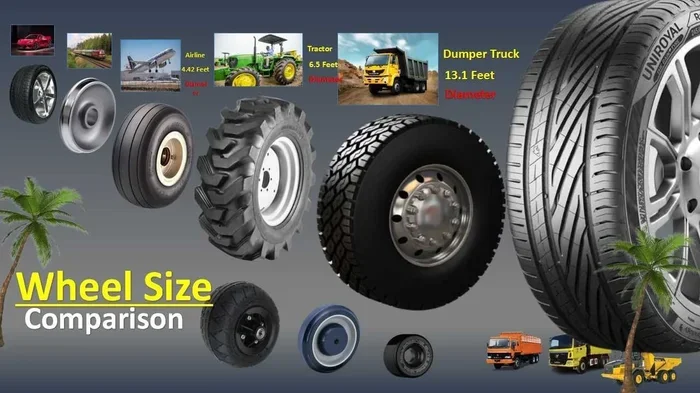
The number 35 in tires refers to the overall tire diameter in inches. The most common equivalent is 315/70R17 in metric sizing, which gives you the same 35-inch height. Whether you are upgrading for off-road performance or replacing worn tires, understanding these equivalents helps you make the right choice for your vehicle.
When you see the number 35 on a tire, it is not just a random digit. It represents the overall tire diameter in inches. This measurement is critical for anyone looking to upgrade their vehicle, whether for off-road adventures or simply replacing old rubber. Understanding what is the equivalent to 35 in tires helps you make informed decisions about fitment, performance, and safety.
Tire sizing can feel confusing at first glance. You see numbers and letters like 315/70R17 and wonder what they mean. The good news is that once you learn the basics, it becomes much simpler. This guide breaks down everything you need to know about 35-inch tire equivalents in a way that is easy to follow.
Key Takeaways
- The “35” means 35 inches in diameter: This is the overall height of the tire from bead to bead.
- 315/70R17 is the most common metric equivalent: This size closely matches a 35-inch tire on a 17-inch rim.
- LT and flotation sizing also apply: Light Truck and flotation ratings offer different construction for specific needs.
- Rim size matters: The same 35-inch tire can fit different rim diameters depending on the width and aspect ratio.
- Always verify clearance: Even equivalent sizes may vary slightly in actual diameter between brands.
- Check your vehicle specs: Not every truck or SUV can fit 35-inch tires without a lift kit.
📑 Table of Contents
What Does 35 Mean on a Tire?
The number 35 on a tire refers to its overall diameter. This is the total height of the tire when it is fully inflated and mounted on its designated rim. It measures from the bottom of the tire (the bead) all the way up to the top.
This measurement matters because it affects your speedometer reading, ground clearance, and how your vehicle handles. If you swap in a tire that is too large or too small, you may notice changes in how your truck or SUV drives. You might also run into rubbing issues with your fenders or suspension components.
Why Diameter Matters
Your vehicle’s engine, transmission, and drivetrain are all calibrated based on the stock tire size. Changing the diameter changes the gear ratio effectively. A larger tire like a 35-inch tire means your engine works harder at highway speeds but gives you more torque at low speeds. This is why off-road enthusiasts love the extra diameter.
When you are choosing a new tire, always compare the overall diameter first. Even if two tires share the same width, a different aspect ratio or rim size can change the total height significantly.
Common Equivalents to a 35-Inch Tire
The most direct 35 inch tire equivalent in metric sizing is 315/70R17. This is the go-to size you will see on most off-road trucks and SUVs. But there are other equivalents too, depending on the rim size and tire type you prefer.
Metric Equivalents
Metric tire sizes use millimeters for width and a percentage for the aspect ratio. Here are the most common equivalents to a 35-inch tire:
- 315/70R17 — The most popular equivalent. Fits on a 17-inch rim and gives you approximately 34.6 inches in diameter.
- 315/75R16 — Fits on a 16-inch rim with a slightly taller sidewall. Overall diameter comes in around 34.6 inches.
- 305/70R17 — A slightly narrower option on a 17-inch rim. Diameter is close to 33.8 inches, so it is a bit smaller.
- 325/65R18 — Fits an 18-inch rim with a shorter sidewall but wider tread. Overall diameter is approximately 34.6 inches.
Light Truck (LT) Sizing
Light Truck tires use a different naming convention. Instead of metric measurements, they use inches for both width and rim diameter. A common LT equivalent to 35 inches would be something like 35×12.50R17. This tells you the tire is 35 inches tall, 12.50 inches wide, and fits a 17-inch rim.
LT tires are built with reinforced sidewalls and heavier construction. They are designed for trucks that carry heavy loads or tow trailers. If you need durability and load capacity, an LT-sized 35 inch tire equivalent is a great choice.
Flotation Sizing
Flotation tires use a different format altogether. You might see sizes like 14.9R17 or 15.5R17. These are common on agricultural and heavy-duty off-road vehicles. The first number is the tire height in inches, and the second is the rim diameter.
Flotation tires spread the vehicle’s weight over a larger surface area. This reduces ground pressure, which is helpful on soft terrain like sand or mud. They are not as common for daily driving but are excellent for specific off-road applications.
How to Read a Tire Size
Reading a tire size becomes easy once you understand what each number and letter means. Let us break down the most common format, 315/70R17, piece by piece.
- 315 — This is the tire width in millimeters measured from sidewall to sidewall.
- 70 — This is the aspect ratio, which is the height of the sidewall as a percentage of the width. In this case, the sidewall is 70% of 315mm.
- R — This stands for radial construction, which is the standard for almost all modern tires.
- 17 — This is the rim diameter in inches that the tire fits.
When you multiply the sidewall height by two and add the rim diameter, you get the overall tire diameter. For 315/70R17, the sidewall is about 220.5mm (70% of 315mm), which is roughly 8.7 inches. Doubling that gives you 17.4 inches, plus the 17-inch rim equals about 34.4 to 34.6 inches total diameter.
Factors That Affect Tire Diameter
Not every tire labeled as a 35-inch equivalent measures exactly 35 inches. Several factors cause slight variations between brands and models.
Tire Brand and Model
Different manufacturers use different formulas for their tire designs. A BFGoodrich All-Terrain T/A KO2 in 315/70R17 might measure slightly different from a Falken Wildpeak A/T3W in the same size. Always check the manufacturer’s published diameter for the specific model you are considering.
Tire Pressure
Tire pressure affects the overall diameter. An underinflated tire will be shorter in diameter because the sidewall compresses. An overinflated tire will be taller. For the most accurate measurements, check your tire pressure when the tires are cold and at the recommended PSI.
Load and Wear
A loaded tire will compress slightly, reducing its diameter. Over time, tire wear also reduces the overall diameter. A brand-new 35-inch tire and a well-worn one can differ by half an inch or more. This is important to keep in mind when comparing sizes or checking your speedometer accuracy.
Vehicles That Fit 35-Inch Tires
Not every vehicle can comfortably run 35-inch tires. The ones that can typically fall into a few categories. Most full-size trucks and body-on-frame SUVs are the best candidates for this tire size.
Popular Truck Models
- Ford F-150 — With a modest lift kit, most F-150s can fit 35-inch tires without rubbing.
- Toyota Tacoma — A lifted Tacoma handles 35s well, especially with a 17-inch or 18-inch rim setup.
- Chevrolet Silverado — Both the 1500 and 2500 models can accommodate 35s with proper backspacing.
- Ram 1500 — Works well with 35-inch tires when paired with the right rim and lift combination.
Popular SUV Models
- Jeep Wrangler — The Wrangler is one of the most popular platforms for 35-inch tires. Stock or with a small lift, 35s fit nicely.
- Toyota 4Runner — With a lift kit, the 4Runner takes 35s well for serious off-road capability.
- Ford Bronco — The modern Bronco can fit 35-inch tires on most trim levels with appropriate modifications.
Before buying, always measure your wheel well clearance. Even with the correct 35 inch tire equivalent, improper backspacing or offset can cause the tire to rub against the fender or suspension components.
Benefits and Drawbacks of 35-Inch Tires
Upgrading to 35-inch tires comes with real advantages and some trade-offs. Understanding both sides helps you decide if this tire size is right for your needs.
Benefits
- Better ground clearance: The extra diameter helps you clear rocks, logs, and other obstacles on the trail.
- Improved traction: Wider and taller tires have a larger contact patch, which means more grip on loose or uneven surfaces.
- Better approach and departure angles: With more ground clearance, your vehicle can tackle steeper inclines without scraping the undercarriage.
- Stronger sidewall: Many 35-inch tires have taller sidewalls that absorb impacts better, giving you a more comfortable ride off-road.
Drawbacks
- Reduced fuel economy: Larger tires are heavier and create more rolling resistance, which costs you a few miles per gallon.
- Speedometer inaccuracy: A taller tire means your speedometer reads slower than your actual speed. This can matter for avoiding tickets or maintaining cruise control accuracy.
- Higher cost: 35-inch tires generally cost more than smaller sizes, both in upfront price and replacement costs.
- Potential rubbing: Without proper modifications, 35s may rub on fenders, control arms, or the steering linkage.
If you are weighing the pros and cons, remember that the right setup makes all the difference. A proper lift kit, correct rims, and quality tires give you the best of both worlds. And when you are done with the trail, coming home to a comfortable chair like the most comfortable chair for your garage or home office is a nice reward after a long day of off-roading.
Installation Tips for 35-Inch Tires
Putting 35-inch tires on your vehicle is not just about buying the right size. Proper installation and setup make a big difference in performance and safety.
Choose the Right Rim
Your rim width and offset matter just as much as the tire size. For most 35-inch tires, a rim width between 8 and 10 inches works well. Check the tire manufacturer’s recommended rim width range before purchasing. The wrong rim can cause poor handling, uneven wear, and even safety issues.
Consider a Lift Kit
Most vehicles need at least a 2- to 3-inch lift kit to fit 35-inch tires comfortably. Some trucks with generous factory clearance can run 35s without any lift, but this is rare. A proper lift also improves approach and departure angles, giving you better off-road capability.
Get a Professional Alignment
After installing new 35-inch tires, always get a full alignment. The changed geometry affects your camber, caster, and toe settings. A proper alignment extends tire life and keeps your vehicle tracking straight on the highway.
Break-In Period
New tires need a break-in period of about 50 to 100 miles. During this time, the rubber molds to the road surface and the sidewall stiffens. Avoid aggressive driving during the first few hundred miles to ensure even wear and optimal performance.
When you are not on the road or trail, proper seating matters for overall comfort. Just as how to sit in the office chair correctly reduces back strain, sitting properly in your vehicle with the right tire setup reduces fatigue on long drives.
Common Mistakes When Choosing Tire Equivalents
Many people make avoidable mistakes when selecting tire sizes. Here are the most common ones to watch out for.
- Assuming all 315/70R17 tires are exactly 35 inches: They are close, but not always exact. Always check the specific diameter for the model you want.
- Ignoring rim width: A tire that is too narrow or too wide for your rim will not perform well and could be unsafe.
- Forgetting about backspacing: Even with the right tire size, incorrect backspacing can push the tire out too far or tuck it in too much.
- Skipping the alignment: This leads to uneven tire wear and poor handling within the first few hundred miles.
- Not checking local laws: Some areas have regulations on tire size modifications. Make sure your setup is street legal before you hit the road.
Taking the time to avoid these mistakes saves you money and frustration in the long run. A little research goes a long way when you are investing in a new set of 35-inch tires.
Final Thoughts
Understanding what is the equivalent to 35 in tires is essential whether you are a first-time tire buyer or a seasoned off-roader. The most common equivalent, 315/70R17, gives you the 35-inch diameter you want in a widely available metric size. From LT sizing to flotation options, there are multiple ways to achieve the same overall height depending on your vehicle and needs.
Always verify the actual diameter of the specific tire model you choose, and make sure your vehicle has the clearance and modifications needed to fit them properly. With the right setup, 35-inch tires transform your driving experience both on and off the road. Take your time, do your research, and enjoy the ride.
When you get home after a long day, you will want a place to relax. If you are curious about the history behind certain seating options, you might enjoy learning about the standard height of a chair and how furniture design has evolved over the years.
Frequently Asked Questions
What is the metric equivalent of a 35-inch tire?
The most common metric equivalent is 315/70R17. This size gives you an overall diameter of approximately 34.6 inches, which is very close to a true 35-inch tire. Always check the specific tire model for exact measurements.
Can I put 35-inch tires on a stock truck?
It depends on the truck model. Some full-size trucks with enough factory clearance can fit 35s without modifications. However, most trucks will need at least a small lift kit and possibly aftermarket wheels with proper backspacing to avoid rubbing.
Do 35-inch tires affect fuel economy?
Yes, 35-inch tires typically reduce fuel economy by a few miles per gallon. The larger tire is heavier and creates more rolling resistance, which means your engine works harder to maintain the same speed.
How much does it cost to upgrade to 35-inch tires?
The cost varies widely depending on the brand and model. A set of four 35-inch tires can range from about $1,000 to $2,500 or more. Add in the cost of a lift kit and alignment if needed, and the total investment can be significant.
What rim size works best with 35-inch tires?
A rim width between 8 and 10 inches is ideal for most 35-inch tires. The most common rim diameter is 17 inches, but 16-inch and 18-inch rims also work depending on the specific tire size you choose.
Will 35-inch tires make my speedometer inaccurate?
Yes, 35-inch tires will make your speedometer read slightly lower than your actual speed. This is because the larger diameter means each rotation covers more ground. The difference is usually small, around 2 to 3 percent, but it can matter for speed limit compliance and cruise control accuracy.

Similar Posts































