What Is a Rising Senior in College and Why It Matters
Recipe Developer & Kitchen Guide Writer at Choose Vacuum · Certified Home Economist, ServSafe Food Handler · 8+ years developing home recipes and testing everyday kitchen techniques
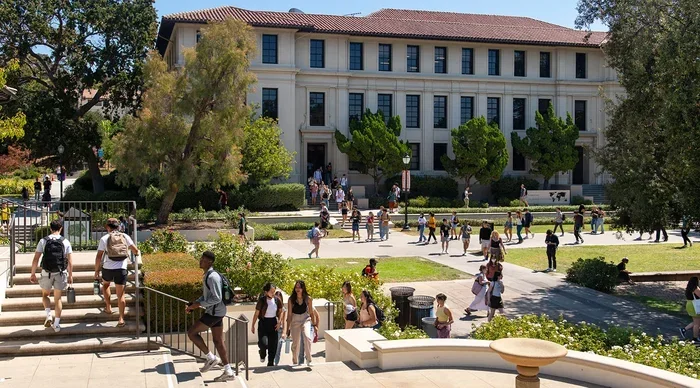
A rising senior in college is a student who has completed their junior year and is about to enter their final year of undergraduate study. This pivotal academic year brings major milestones, from graduation planning to career preparation. Understanding what it means helps students make the most of their college experience and set themselves up for success after graduation.
Key Takeaways
- A rising senior is a student entering their final year of undergraduate study after completing three years of college.
- This year involves critical graduation planning, including confirming credit requirements and completing capstone projects.
- Career preparation ramps up significantly, with internships, networking, and job applications becoming top priorities.
- Rising seniors face unique challenges like senioritis, balancing coursework with future planning, and making big life decisions.
- Taking advantage of campus resources during this year can set the foundation for a successful post-graduation transition.
- Graduate school applications and professional certifications often begin during the rising senior year.
- Making meaningful connections and memories during this final year creates lasting value beyond academics.
📑 Table of Contents
What Is a Rising Senior in College?
A rising senior in college is a student who has finished their third year of undergraduate study and is preparing to enter their fourth and final year. This term is most commonly used in the United States, where the academic calendar follows a two-semester or quarter system. When summer hits after your junior year, you officially become a rising senior.
The term “rising” simply means you are moving up to the next level. You have completed the coursework, earned the college credits, and now you stand on the threshold of your final academic year. It is a time of excitement, reflection, and serious planning.
Being a rising senior comes with a unique mix of emotions. You feel proud of how far you have come. At the same time, you may feel a bit of pressure about what comes next. This year is different from the first three years because the finish line is clearly in sight.
Many students use the summer before their senior year to get a head start. They might apply for jobs, research graduate programs, or take on leadership roles on campus. The goal is to walk into that final year with purpose and direction.
How the College Year Structure Works
Most colleges in the U.S. use a two-semester system. The fall semester runs from August or September through December. The spring semester runs from January through May. A rising senior has already completed six semesters of study and is about to begin the seventh and eighth.
Some schools use a quarter system instead. In that case, students complete three quarters per academic year. The structure changes slightly, but the concept stays the same. After three full years, you rise to senior status.
Understanding your academic standing matters because it affects your course registration, housing options, and eligibility for certain programs. Rising seniors often get first access to capstone courses and advanced seminars that fill up quickly.
Why the Rising Senior Year Matters
The senior year is not just about finishing strong. It is a pivotal transition period that shapes your future in big ways. The decisions you make during this year can impact your career path, your finances, and your personal growth for years to come.
Employers and graduate schools look closely at what you do during your final year. They want to see that you can handle responsibility, manage your time, and deliver results. A strong senior year sends a powerful signal about your readiness for the next chapter.
Building Your Professional Identity
During the rising senior year, you start to shift from a student mindset to a professional one. You attend career fairs, polish your resume, and practice interview skills. Many students complete internships or co-op programs that give them real-world experience in their college major.
This is also the time to build your professional network. You connect with alumni, attend industry events, and reach out to professors who can write recommendation letters. These relationships often open doors that last well beyond graduation.
Academic Milestones and Requirements
Every college has specific graduation requirements that rising seniors must meet. These typically include a minimum number of credit hours, completion of a major and any minor requirements, and sometimes a capstone project or thesis.
Meeting with your academic advisor becomes essential during this year. You need to confirm that you are on track to graduate on time. You also need to resolve any incomplete grades or outstanding coursework before the deadline.
Some programs require rising seniors to complete a senior project or capstone experience. These projects allow you to apply everything you have learned to a real-world problem. They also serve as a strong portfolio piece when you enter the job market.
Key Milestones for Rising Seniors
The rising senior year is packed with important deadlines and milestones. Staying organized helps you navigate this busy time without unnecessary stress.
Summer Before Senior Year
The summer between your junior and senior year is a valuable window of opportunity. Here are common tasks that rising seniors tackle during this period:
- Finalizing your graduation plan with your academic advisor
- Applying for summer internships or research positions
- Studying for graduate entrance exams like the GRE or GMAT
- Building your resume and LinkedIn profile
- Attending career networking events or information sessions
- Researching graduate programs if that is part of your plan
Think of this summer as a launchpad. The effort you put in now pays off in the form of less stress and more opportunities during the academic year.
Fall Semester Priorities
The fall semester of senior year is often the most intense. You balance advanced coursework with applications and planning. Key priorities include:
- Registering for required senior courses and ensuring you meet all degree requirements
- Submitting graduate school applications by early deadlines
- Applying for full-time jobs or entry-level positions
- Completing any capstone or thesis work
- Attending career fairs and employer presentations on campus
- Requesting recommendation letters from professors and supervisors
Many students also take on leadership roles during the fall semester. You might serve as a team captain for a club, a resident advisor, or a mentor for younger students. These roles build your leadership skills and look great on a resume.
Spring Semester and Graduation
The spring semester brings the final push toward graduation. You complete your remaining coursework, finish any outstanding projects, and prepare for the commencement ceremony. This is also when you make decisions about your next steps, whether that means starting a job, attending graduate school, or taking time off.
Graduation is a moment of celebration. But it also marks the beginning of a new chapter. The preparation you did as a rising senior sets the stage for a smooth transition into your next role.
Common Challenges Rising Seniors Face
The final year of college is not without its hurdles. Understanding these challenges helps you prepare and stay on track.
Senioritis
Senioritis is a real phenomenon. It describes the drop in motivation that some students experience during their final year. After three years of hard work, the finish line feels close enough to relax. But senioritis can hurt your grades, your reputation, and your post-graduation plans.
The best way to combat senioritis is to set clear goals. Remind yourself why you worked so hard to get here. Stay engaged in your coursework and maintain your academic performance until the very last day of class.
Balancing Future Planning with Present Demands
Rising seniors often juggle multiple responsibilities at once. You have demanding coursework, job applications, graduate school prep, and social commitments. Finding balance is essential for your mental health and your success.
Time management becomes your most important skill. Use a planner or digital calendar to track deadlines. Break large tasks into smaller steps. Ask for help when you need it. Your college advisors, career center staff, and peers are all valuable resources.
Making Big Decisions Under Pressure
Senior year forces you to make big decisions quickly. Where will you live after graduation? What career path will you pursue? Should you go to graduate school or enter the workforce? These decisions can feel overwhelming, especially when friends seem to have it all figured out.
Remember that there is no single right path. Take time to reflect on your values, interests, and goals. Talk to mentors, family members, and trusted friends. Trust that your decision is the right one for you at this stage of your life.
How to Make the Most of Your Rising Senior Year
You can turn your final college year into one of the most rewarding experiences of your life. A few intentional steps make all the difference.
Set Clear Goals Early
Before the fall semester begins, sit down and write out your goals. What do you want to accomplish academically? Professionally? Personally? Clear goals give you direction and motivation throughout the year.
Break your goals into monthly and weekly milestones. This makes them feel manageable and keeps you accountable. Check in with yourself regularly to track your progress.
Leverage Campus Resources
Your college offers a wealth of resources that are especially valuable during your final year. The career center can help you with resume reviews, mock interviews, and job listings. The writing center can assist with your capstone project or thesis. The alumni network can connect you with professionals in your field.
Do not wait until the last minute to use these resources. Reach out early and build relationships with the staff. They want to see you succeed.
Stay Connected with Your Community
College is about more than academics. Your relationships with classmates, professors, and staff are some of the most valuable takeaways from your undergraduate experience. Make time to connect, celebrate, and support each other during this final year.
Join in on traditions, attend campus events, and create lasting memories. These experiences enrich your life and provide a support network that extends far beyond graduation day.
Rising Seniors and the College Experience
The college experience changes as you move through the years. Freshmen are figuring things out. Sophomores are exploring options. Juniors are diving deeper into their college major. And rising seniors are pulling it all together.
By the time you reach this stage, you have a strong sense of who you are and what you want. You have built friendships, developed skills, and gained knowledge that will serve you for life. The rising senior year is your chance to put a bow on this incredible chapter of your life.
Some students also use this year to give back. They mentor younger students, volunteer in their community, or take on leadership roles in student organizations. Giving back brings a sense of fulfillment and leaves a positive mark on your campus.
Whether you are planning to enter the workforce, pursue graduate studies, or take a gap year, the rising senior year is your launchpad. The preparation, the growth, and the memories you create during this year will stay with you forever.
Conclusion
A rising senior in college is more than just a label. It represents a student at a critical turning point in their life. This year brings excitement, challenges, and opportunities that shape your future in meaningful ways.
From graduation planning to career preparation, the rising senior year demands focus and intention. By setting clear goals, leveraging campus resources, and staying engaged, you can make this final year one of the most impactful of your college journey.
Embrace this year fully. The work you put in now pays dividends for the rest of your life. Your college experience is nearly complete, but the foundation you build during your rising senior year will carry you forward for years to come.
Frequently Asked Questions
What does “rising senior” mean in college?
A rising senior is a student who has completed their junior year and is about to enter their final year of undergraduate study. The term “rising” indicates that you are moving up to the next academic level, typically after the summer break following your third year.
When do you become a rising senior?
You become a rising senior after you finish your junior year and enter the summer before your final academic year. In most U.S. colleges, this happens around May or June, depending on when your spring semester ends.
How is a rising senior different from a senior?
A rising senior has not yet started their final year. A senior is a student currently enrolled in their fourth year. The term “rising” is used during the summer transition period to describe your upcoming status.
What should a rising senior do during the summer?
A rising senior should use the summer to plan their graduation path, apply for internships or jobs, research graduate programs, build their resume, and connect with their academic advisor. This preparation sets the stage for a successful final year.
Is the rising senior year the most important year of college?
Every year of college matters, but the rising senior year holds special significance because it determines your graduation timeline and post-college plans. It is a year of culmination where your hard work pays off and your future takes shape.
Can a rising senior change their major?
Yes, a rising senior can change their major, but it may extend your graduation timeline. Changing majors late in your college career could mean taking additional courses. It is best to discuss any major changes with your academic advisor as early as possible.

Similar Posts