What Does Mortgaging Do in Monopoly
Recipe Developer & Kitchen Guide Writer at Choose Vacuum · Certified Home Economist, ServSafe Food Handler · 8+ years developing home recipes and testing everyday kitchen techniques
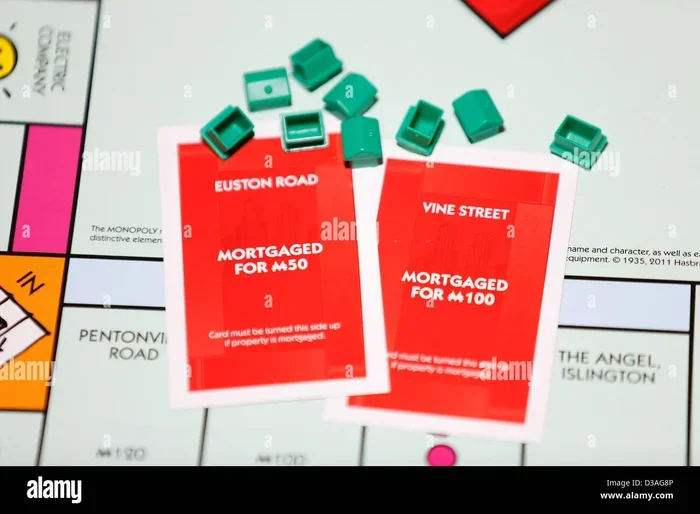
Mortgaging in Monopoly lets you sell a property back to the bank for half its value to free up cash flow when you are low on money. When a property is mortgaged, you cannot collect rent on it, but you avoid paying rent on other players’ properties. Understanding how mortgage works in Monopoly is essential for any player who wants to survive late-game pressure and make smart financial decisions on the board.
This is a comprehensive guide about what does mortgaging do in monopoly.
Key Takeaways
- Mortgaging frees up cash: You receive half the property’s face value from the bank immediately.
- Mortgaged properties earn no rent: Other players cannot collect rent from a mortgaged property you own.
- You must unmortgage to develop: Houses and hotels cannot be built on mortgaged properties.
- Unmortgaging costs extra: You pay the mortgage value plus 10% interest to unmortgage.
- Mortgage strategy matters: Smart players mortgage low-value properties first to preserve cash for high-rent areas.
- Mortgaging prevents bankruptcy: It is a lifeline when you cannot afford rent on another player’s property.
- You can mortgage during your turn: The process is simple and takes only a moment.
[FEATURED_IMAGE_PLACEHOLDER]
What Does Mortgaging Do in Monopoly
Monopoly is one of the most classic board games ever made. People of all ages love it. But the game can get intense fast. Especially when money starts running low and rent bills pile up. That is where the mortgage mechanic comes in. Mortgaging in Monopoly is one of the most important tools you have. It can save you from bankruptcy. It can keep you in the game when things look bad. But it also has trade-offs you need to understand.
In this guide, we will break down exactly what does mortgaging do in Monopoly. We will cover the rules, the costs, the benefits, and the best strategies. Whether you are a beginner or a seasoned player, this article will help you use mortgages like a pro. Let us dive in and explore how this key mechanic works.
What Is a Mortgage in Monopoly
A mortgage is a loan from the bank. When you mortgage a property, you give it to the bank temporarily. In return, the bank pays you cash equal to half the property’s printed price. This cash can help you pay rent, buy other properties, or survive a tough round. The property stays in the bank’s possession until you unmortgage it.
Think of it like this. You are holding a deed to a property. You need money right now. You hand the deed to the bank. The bank gives you cash. The property is now mortgaged. You cannot build on it. You cannot collect rent from it. But you have the cash you need to keep going.
How Much Money Do You Get from a Mortgage
The mortgage value is always half the printed price on the property deed. For example, if a property costs 200 Monopoly dollars, the mortgage value is 100. The bank pays you that amount when you mortgage it. This is a fixed rule and does not change. The mortgage value is printed on the back of each property card for easy reference.
Here is a quick look at some common mortgage values:
- Mediterranean Avenue: 2M printed price, 1M mortgage value
- Baltic Avenue: 4M printed price, 2M mortgage value
- Oriental Avenue: 10M printed price, 5M mortgage value
- St. Charles Place: 14M printed price, 7M mortgage value
- Boardwalk: 400M printed price, 200M mortgage value
As you can see, the mortgage value scales with the property price. More expensive properties give you more cash when mortgaged. This is important to keep in mind when planning your strategy.
How Does Mortgage Work in Monopoly
The process of mortgaging is simple. On your turn, you can choose any property you own that is not already mortgaged. You turn the deed card face down to show it is mortgaged. The bank pays you the mortgage value in cash. That is it. The property is now inactive. You cannot collect rent on it. You also cannot build houses or hotels on it until you unmortgage it.
To unmortgage a property, you pay the bank the mortgage value plus 10% interest. So if the mortgage value was 100, you pay 110 to unmortgage. The deed card flips back over and the property becomes active again. You can now collect rent and build on it.
You can also unmortgage a property on another player’s turn if you have enough cash. This is useful when you want to collect rent quickly or develop a property set.
Can You Collect Rent on a Mortgaged Property
No. When a property is mortgaged, it is completely inactive. Other players cannot collect rent from it if they land on it. This means mortgaging a property removes it from the rental income equation. It is a trade-off. You give up potential rent income in exchange for immediate cash.
This is why experienced players carefully choose which properties to mortgage. They mortgage the ones that generate the least income. This way, they lose the least amount of future rent potential.
Why Mortgaging Matters in Monopoly Strategy
Mortgaging is not just a desperation move. It is a strategic tool. Smart players use mortgages to manage their cash flow and stay competitive. Let us look at the main reasons why mortgaging matters.
1. Avoiding Bankruptcy
The most obvious reason to mortgage is to avoid going bankrupt. If you land on a property with a huge rent bill and you do not have enough cash, you are in trouble. Mortgaging a property gives you the cash to pay that rent. It keeps you in the game. Without the mortgage option, many players would go bankrupt too early.
2. Freeing Up Cash for Better Opportunities
Sometimes you need cash to buy a key property or complete a color set. Mortgaging a less valuable property can give you the funds you need. For example, if you need 200 to buy a critical property, you can mortgage a smaller one and get the cash instantly. This is much faster than waiting to sell properties back to other players.
3. Reducing Your Rent Obligations
When you own many properties, your rent obligations can be high. But your opponents also land on your properties often. By mortgaging a few low-value properties, you reduce the number of active properties. This means fewer chances for opponents to land and pay you. But more importantly, it means you have more cash to pay their rent when they land on your big properties.
In the game of Monopoly, the chair of a company must manage money wisely. The same goes for Monopoly players. You need to balance income and expenses carefully.
4. Delaying Development
Sometimes the best move is to wait. If you do not have enough cash to build houses, mortgaging a property frees up funds for other needs. You can unmortgage later when you have more cash. This lets you delay development without losing the property entirely.
Mortgage vs Sell Property in Monopoly
Players often wonder whether they should mortgage or sell a property. Both options give you cash, but they work very differently. Here is a quick comparison:
| Factor | Mortgage | Sell to Another Player |
|---|---|---|
| Cash Received | Half the printed price | Negotiated price (any amount) |
| Can You Get It Back? | Yes, by unmortgaging | No, it is gone forever |
| Collect Rent? | No | No (new owner collects rent) |
| Build Houses? | No until unmortgaged | New owner can build |
| Best For | Short-term cash needs | Long-term cash needs or trades |
As you can see, mortgaging is the better option when you think you will need the property back. Selling is better when you want to permanently free up cash or make a trade. Most experts recommend mortgaging first and selling only as a last resort.
When you are deciding between these options, think about the long game. A mortgaged property can come back to life. A sold property is gone forever. Keep this in mind every time you face this decision.
Common Mortgage Mistakes Players Make
Even experienced players make mistakes with mortgages. Here are the most common ones to avoid.
Mortgage Your Best Properties
This is the biggest mistake. Players sometimes mortgage their high-value properties like Boardwalk or Park Place because they need cash fast. But these are your money makers. Mortgage them and you lose your best income source. Always mortgage your lowest-value properties first.
Forget to Unmortgage
Some players mortgage properties and then forget about them. You should always have a plan to unmortgage. The 10% interest cost adds up if you leave properties mortgaged for too long. Try to unmortgage as soon as you have enough cash.
Mortgage Too Many Properties
If you mortgage too many properties, you have almost no income coming in. You become vulnerable. You cannot pay rent when opponents land on your remaining properties. Keep at least one or two active properties generating income at all times.
Ignore the 10% Interest Rule
Many players forget that unmortgaging costs 10% extra. This means if you mortgage a property for 100, you need to pay 110 to unmortgage it. That 10% adds up fast. Always factor this cost into your financial planning.
Expert Tips for Using Mortgages Effectively
Want to level up your Monopoly mortgage game? Here are some expert tips that can give you an edge.
Mortgage Early, Before You Need It
Do not wait until you are about to go bankrupt. Mortgage properties proactively when you sense trouble ahead. If you see a big rent bill coming, mortgage a low-value property before you land on someone else’s expensive set. This keeps you ahead of the curve.
Keep Your Color Sets Intact
Even if a property in a color set is low-value, do not mortgage it if it breaks up the set. Having a full color set lets you build houses, which increases rent significantly. It is better to mortgage a property outside of a color set than to break up a set.
Use Mortgages to Fund House Builds
One clever strategy is to mortgage properties to fund house builds on your best properties. You mortgage a low-value property, get cash, and use it to build houses on your high-value properties. This increases your rent income dramatically. Once the houses are built, you can unmortgage the low-value property later.
Trade Before You Mortgage
Before you mortgage a property, consider trading it with another player. You might get a better deal. Trading lets you improve your position without losing the property permanently. A good trade can be more valuable than a mortgage.
Remember, the goal of Monopoly is to accumulate the most wealth. Every mortgage decision should serve that goal. Think carefully before you turn any deed card face down.
How Mortgaging Affects the Game Flow
Mortgaging changes the dynamics of the game in subtle ways. When many properties are mortgaged, the game slows down. There is less rent being collected. Players have more cash on hand. This can extend the game significantly.
On the other hand, strategic mortgaging can speed up the game. If you mortgage to fund aggressive house builds, you can dominate the board faster. Your opponents will struggle to pay your rent. This creates a faster path to victory.
The key is balance. Use mortgages to maintain financial stability. Do not over-rely on them. And always keep your eye on the end goal: driving your opponents into bankruptcy while staying solvent yourself.
Frequently Asked Questions
Can you mortgage a property that has houses on it?
No. You must sell all houses and hotels on a property before you can mortgage it. The bank buys the houses back at half the price you paid. Once the property is empty, you can mortgage it. This rule prevents players from quickly mortgaging developed properties for a cash grab.
Can you collect rent on a mortgaged property in Monopoly?
No. Mortgaged properties are completely inactive. No rent can be collected or paid on them. If another player lands on your mortgaged property, nothing happens. This is why it is important to choose wisely which properties to mortgage.
What is the cost to unmortgage a property?
To unmortgage a property, you pay the mortgage value plus 10% interest. For example, if the mortgage value was 100, you pay 110 to unmortgage. The 10% interest is calculated on the mortgage value, not the original property price. This cost is fixed and cannot be negotiated.
Can you mortgage a property on another player’s turn?
Yes. You can unmortgage or mortgage properties at any time during your own turn or on another player’s turn, as long as you have enough cash. This flexibility is useful when you need to respond quickly to a rent bill or a trade opportunity.
Is it better to mortgage or sell a property in Monopoly?
Mortgage is usually better because you can get the property back. Selling means you lose it permanently. Only sell a property if you are sure you will never need it again or if you are making a strategic trade. Otherwise, mortgage first.
Can you build houses on a mortgaged property?
No. You must unmortgage a property before you can build houses or hotels on it. This is a key restriction. It means you cannot use mortgages as a way to partially develop a property. You must fully unmortgage before any construction is allowed.
Final Thoughts
Mortgaging is one of the most powerful tools in Monopoly. It keeps you alive when cash is tight. It gives you flexibility. It lets you make strategic moves that would otherwise be impossible. But it comes with costs and trade-offs that every player must understand.
The word mortgage comes from old French roots, much like how chao means a specific thing in different languages. Understanding the mechanics of mortgage in Monopoly gives you an edge over players who just wing it. When you know exactly what does mortgaging do in Monopoly, you can plan ahead, manage risk, and stay in control of the board.
Use mortgages wisely. Mortgage low-value properties first. Keep your color sets intact. Always factor in the 10% unmortgage cost. And remember, the goal is not just to survive. It is to win. With the right mortgage strategy, you will be well on your way to dominating every Monopoly game you play.
Frequently Asked Questions
What is what does mortgaging do in monopoly?
what does mortgaging do in monopoly is an important topic with many practical applications.

Similar Posts































