Vw Check Engine Light After Oil Change
Recipe Developer & Kitchen Guide Writer at Choose Vacuum · Certified Home Economist, ServSafe Food Handler · 8+ years developing home recipes and testing everyday kitchen techniques
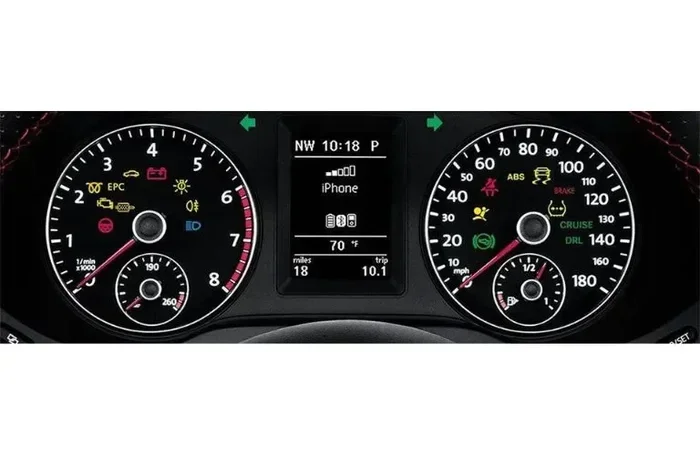
A VW check engine light after oil change is a common issue that worries many drivers. The light can appear due to a loose oil cap, incorrect oil type, or a sensor glitch. Understanding the root cause helps you fix it quickly and avoid unnecessary trips to the mechanic. This guide covers the most common reasons, easy DIY fixes, and when to seek professional help.
A VW check engine light after oil change can catch any driver off guard. You just got your oil changed, everything seemed fine, and then — there it is. That little yellow engine icon on your dashboard. It is frustrating, confusing, and honestly a bit scary. But here is the good news. In most cases, this issue is simple to fix.
The check engine light is your VW’s way of telling you something needs attention. After an oil change, several things can trigger it. A loose oil cap, the wrong oil type, or even a sensor that needs resetting. This guide walks you through every possible cause and fix. You will learn what to check first, what to do next, and when to call a professional.
Many VW owners panic when they see that light. They think the worst. But the truth is, most causes are minor and easy to address. Whether you drive a Jetta, Passat, Tiguan, or any other VW model, the solutions are similar. Let us dive into the details and get your car back to normal.
Key Takeaways
- Loose Oil Cap: A loose or improperly sealed oil cap is the most common trigger for the check engine light.
- Incorrect Oil Type: Using the wrong oil viscosity can cause sensor warnings in VW vehicles.
- Sensor Reset Needed: Sometimes the engine light stays on even after the issue is resolved and needs a manual reset.
- DIY Diagnosis: An OBD-II scanner can help you read error codes at home.
- Professional Help: Persistent lights or flashing warnings require a certified VW mechanic.
- Prevention: Proper oil change procedures prevent most check engine light issues.
📑 Table of Contents
- Why Does the Check Engine Light Come on After an Oil Change?
- Common Causes of the VW Check Engine Light After Oil Change
- How to Diagnose the Issue Yourself
- Step-by-Step Fixes for the Check Engine Light
- Preventing the Check Engine Light After Future Oil Changes
- When to See a Professional Mechanic
- Expert Insights on VW Check Engine Lights
- Key Takeaways
- Conclusion
Why Does the Check Engine Light Come on After an Oil Change?
Your VW has many sensors that monitor engine performance. When something is off, even slightly, the computer flags it. After an oil change, the most common triggers are simple mistakes. A loose cap, leftover dipstick, or a disconnected sensor can all set off the light.
The engine control unit (ECU) monitors everything from oil pressure to airflow. When it detects an anomaly, it stores a trouble code and illuminates the check engine light. After an oil change, the chances of a small disturbance increase. This is because the process involves opening the engine, removing components, and adding new fluid.
The Role of the Oil Cap
The oil cap might seem insignificant. But it plays a big role in maintaining proper engine pressure. If the cap is not tightened correctly, it can cause a vacuum leak. This sends a signal to the ECU that something is wrong. The result? Your VW check engine light after oil change turns on.
Always double-check the oil cap after an oil change. Make sure it clicks into place. If the cap is worn or cracked, replace it immediately. A new cap is cheap and easy to install.
Oil Type and Viscosity Matters
VW engines are designed for specific oil grades. Using the wrong viscosity can trigger sensor warnings. For example, if your car requires 5W-30 but you got 5W-40, the engine might not lubricate properly. This can activate the check engine light.
Always refer to your owner manual for the correct oil specification. VW recommends specific brands and grades for optimal performance. Sticking to the manufacturer’s recommendation prevents most oil-related issues.
Common Causes of the VW Check Engine Light After Oil Change
Several factors can cause the check engine light to appear after an oil change. Here are the most common culprits:
- Loose or Missing Oil Cap: The cap was not tightened properly or was left off entirely.
- Wrong Oil Type: Using an incorrect viscosity or specification for your VW model.
- Dipstick Not Reinserted: The dipstick was left out during the oil change process.
- Oil Level Too Low or Too High: Overfilling or underfilling the oil reservoir.
- Sensor Disconnected: A sensor was accidentally bumped or disconnected during service.
- Oil Filter Not Seated Properly: The new oil filter was not installed correctly.
- Reset Procedure Not Completed: The service indicator was not reset after the oil change.
Each of these issues can trigger the check engine light. The good news is that most are easy to fix at home. You do not need to be a mechanic to handle them.
How to Diagnose the Issue Yourself
Before you rush to the dealership, try diagnosing the problem yourself. A simple scan can reveal a lot. Here is how to get started.
Step 1: Check the Oil Cap
Open the hood and locate the oil cap. Remove it and inspect the seal. Look for cracks, warping, or debris. Clean the seal area and reattach the cap firmly. Listen for the click. Then start the engine and see if the light turns off after a few drive cycles.
Step 2: Use an OBD-II Scanner
An OBD-II scanner is a handy tool for any car owner. Plug it into the diagnostic port under your dashboard. The device reads trouble codes stored in the ECU. Common codes after an oil change include:
- P052A: Oil pressure sensor/switch circuit range
- P000A: Oil flow insufficient
- P0171: System too lean (can indicate a vacuum leak from loose cap)
Write down the codes and look them up online. Many codes have clear explanations and simple fixes. An OBD-II scanner costs around $20 to $50 and is worth every penny.
Step 3: Check the Oil Level
Pull out the dipstick and check the oil level. It should be between the minimum and maximum marks. If the level is too low, top it off with the correct oil. If it is too high, you may need to drain some excess oil. Overfilling can cause pressure issues and trigger the light.
For more details on how to properly check your oil levels and understand what the readings mean, visit our guide on how to check your vehicle’s oil and fluid levels for a comprehensive walkthrough.
Step-by-Step Fixes for the Check Engine Light
Once you identify the cause, fixing it is usually straightforward. Here are the steps for the most common scenarios.
Fix 1: Tighten or Replace the Oil Cap
If the oil cap was loose, simply tightening it often resolves the issue. Remove the cap, clean the rubber seal, and reattach it until you hear the click. Drive the car for a few days. The light should turn off on its own after a few successful engine cycles.
If the cap is damaged, buy a replacement. VW oil caps are available online for under $15. Make sure to get the correct one for your model year.
Fix 2: Correct the Oil Type
If the wrong oil was used, you will need to drain it and refill with the correct grade. This is more involved but still manageable for most DIYers. Here is what to do:
- Warm up the engine for a few minutes.
- Drain the old oil completely.
- Replace the oil filter.
- Refill with the correct oil type specified in your owner manual.
- Check the oil level with the dipstick.
- Reset the service indicator.
After completing these steps, the check engine light should clear within a few drive cycles.
Fix 3: Reset the Service Indicator
Some VW models require a manual service reset after an oil change. If this step is skipped, the maintenance light stays on. The reset process varies by model. Generally, you hold the trip reset button on the dashboard while turning the ignition on. Refer to your owner manual for model-specific instructions.
Preventing the Check Engine Light After Future Oil Changes
Prevention is always better than cure. A few simple habits can keep the check engine light off after every oil change.
- Always tighten the oil cap until it clicks. This is the single most important step.
- Use the correct oil type. Stick to what your owner manual recommends.
- Check the oil level after every change. Make sure it is between the min and max marks.
- Reset the service indicator. Do not skip this step on any VW model.
- Inspect all components before closing the hood. Make sure the dipstick is in, the oil filter is seated, and nothing is left behind.
For more tips on maintaining your vehicle after service appointments, check out our article on post-service vehicle care and maintenance best practices that covers general upkeep tips for keeping your car running smoothly.
When to See a Professional Mechanic
Most check engine light issues resolve on their own or with simple fixes. But some situations require professional attention. Here is when to visit a mechanic:
- The light stays on for more than a week after you fix the issue.
- The light is flashing instead of steady. A flashing light indicates a serious problem.
- You notice other symptoms like rough idle, reduced power, or unusual noises.
- The oil pressure gauge reads abnormally low or high.
- You see smoke coming from the exhaust.
A certified VW mechanic has the tools and expertise to diagnose complex issues. They can run a full diagnostic scan and address problems that go beyond simple fixes. Do not ignore a persistent check engine light. Early intervention prevents costly repairs down the road.
If your light is flashing, pull over safely and contact a tow service. A flashing check engine light usually signals a severe engine misfire that can damage the catalytic converter if ignored.
Expert Insights on VW Check Engine Lights
Experienced VW technicians see this issue frequently. Here are some expert tips they recommend:
- Do not ignore the light, even if the car seems fine. Some issues do not cause immediate symptoms but can worsen over time.
- Keep a record of your oil changes. Note the date, oil type, and mileage. This helps identify patterns.
- Invest in a quality OBD-II scanner. It pays for itself the first time you avoid an unnecessary dealership visit.
- Do not clear codes without fixing the root cause. Clearing the light without addressing the problem just masks the issue.
These tips come from years of real-world experience with VW vehicles. They can save you time, money, and stress.
Key Takeaways
Dealing with a VW check engine light after oil change does not have to be stressful. Most causes are simple and fixable at home. Start by checking the oil cap and oil level. Use an OBD-II scanner to read any trouble codes. Follow the step-by-step fixes outlined in this guide. And remember, prevention goes a long way in keeping your VW running smoothly.
Stay proactive with your vehicle maintenance. Regular oil changes using the correct oil and proper procedures keep the check engine light off. Your VW is built to last, and with the right care, it will serve you well for years to come.
Conclusion
A VW check engine light after oil change is a common and usually minor issue. Whether it is a loose cap, wrong oil type, or a sensor that needs resetting, the fixes are straightforward. You now have the knowledge to diagnose and resolve most causes on your own. Trust your instincts, address the problem promptly, and do not hesitate to seek professional help when needed.
Keep this guide bookmarked for future reference. Share it with fellow VW owners who might be dealing with the same issue. A little knowledge goes a long way in keeping your car in top shape.
Frequently Asked Questions
Why did my check engine light come on right after an oil change?
The most common reason is a loose oil cap. When the cap is not tightened properly, it creates a vacuum leak that triggers the check engine light. Another possibility is that the wrong oil type was used or the dipstick was not reinserted fully.
How long does the check engine light stay on after fixing the oil cap?
In most cases, the light turns off after 2 to 3 drive cycles, which usually takes 2 to 3 days of normal driving. If it stays on longer, use an OBD-II scanner to check for remaining trouble codes.
Can I drive my VW with the check engine light on after an oil change?
Generally, yes, if the light is steady and the car runs normally. However, if the light is flashing or you notice any unusual symptoms like rough idle or loss of power, stop driving and get the car inspected immediately.
What is the best oil type for a VW after an oil change?
VW typically recommends synthetic oils with specific viscosities like 5W-30 or 5W-40. Always check your owner manual for the exact specification for your model and year to avoid triggering the check engine light.
Do I need to reset the service indicator after every oil change?
Yes, resetting the service indicator is important on VW vehicles. If you skip this step, the maintenance light will stay on even after the oil change is complete. The reset process is simple and varies slightly by model.
How much does it cost to diagnose a check engine light at a VW dealership?
A diagnostic scan at a dealership typically costs between $100 and $200. However, buying a basic OBD-II scanner for $20 to $50 lets you read the codes yourself at home and potentially save money.

Similar Posts































