Tree Removal for Seniors Over 65
Recipe Developer & Kitchen Guide Writer at Choose Vacuum · Certified Home Economist, ServSafe Food Handler · 8+ years developing home recipes and testing everyday kitchen techniques
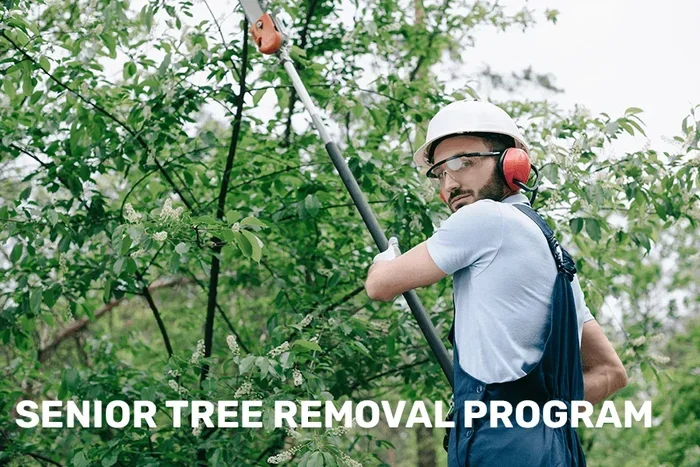
Tree removal for seniors over 65 is a serious decision that affects safety, mobility, and home value. Older adults face unique risks like falls, injuries, and property damage when trees become hazardous. This guide covers everything from recognizing danger signs to finding affordable help and understanding insurance coverage.
As we age, the homes we love can start presenting new challenges. A towering oak in the backyard might have been a source of shade and joy for decades. But for seniors over 65, that same tree can become a real safety concern. Tree removal for seniors over 65 is a topic that deserves attention, whether you are a senior yourself or caring for an aging parent or loved one.
Trees add beauty and value to any property. They provide shade in summer and a home for birds year-round. However, aging trees can become hazards. Branches grow weak. Roots shift under the ground. Storms cause damage that turns a sturdy tree into a danger. For older adults, a falling branch or an unstable trunk can lead to serious injuries. That is why understanding when and how to remove a tree matters so much.
This guide walks you through everything you need to know. We cover the warning signs of a dangerous tree, the costs involved, how to find reliable help, and what to do after the tree comes down. Whether you are planning ahead or dealing with an urgent situation, this guide has you covered.
Key Takeaways
- Safety First: Dead or leaning trees pose real dangers to seniors living at home.
- Know When to Call Pros: DIY tree removal carries serious injury risks for older adults.
- Costs Vary Widely: Prices range from $200 to $2,000+ depending on tree size and location.
- Check Insurance and Medicare: Some policies and programs may help cover removal costs.
- Plan for After Removal: Stump grinding and yard cleanup matter just as much as the cut itself.
📑 Table of Contents
- Why Tree Removal Matters for Seniors Over 65
- Warning Signs You Need Tree Removal
- DIY Tree Removal vs. Hiring a Professional
- Understanding the Cost of Tree Removal
- Insurance and Financial Assistance for Seniors
- What to Do After Tree Removal
- Common Mistakes Seniors Make with Tree Removal
- Final Thoughts
Why Tree Removal Matters for Seniors Over 65
Falling Trees and Injury Risks
Falls are the leading cause of injury among older adults. A weakened tree branch or a leaning trunk adds another layer of risk to an already vulnerable situation. A single heavy limb falling onto a walkway, a deck, or even a roof can cause devastating harm. For seniors, a fall from a tree branch or a slip caused by debris can mean broken bones, head injuries, or worse.
Unlike younger homeowners, seniors may not have the physical ability to clear debris quickly or recover from injuries as fast. That makes prevention through timely tree removal essential. Taking action before a storm hits can save you from a dangerous and costly emergency.
Overgrown Trees and Accessibility
Large trees can block walkways, crowd driveways, and block sunlight from entering the home. For seniors who rely on clear paths for walking, wheelchair access, or simply getting the mail, overgrown trees create real barriers. Branches hanging low over sidewalks make it hard to see and navigate safely.
Removing or trimming these trees opens up the yard and makes the home more accessible. This is a key part of aging in place safely. A clear, well-maintained yard reduces trip hazards and lets seniors enjoy their outdoor spaces with confidence.
Warning Signs You Need Tree Removal
Not every tree needs to come down. But certain signs tell you it is time to call in the experts. Watch for these red flags around your property.
- Leaning trunk: A tree that tilts noticeably to one side may have root damage or soil erosion underneath.
- Cracked or split bark: Deep cracks in the trunk suggest structural weakness that could lead to sudden failure.
- Dead branches: Branches that have no leaves during growing season are dead and can fall without warning.
- Fungal growth at the base: Mushrooms or fungus near the roots often indicate internal decay.
- Nearby construction or new buildings: Changes in the landscape around your home can disturb root systems and destabilize trees.
- Storm damage: After a heavy wind or ice storm, even healthy-looking trees can have hidden damage that makes them unsafe.
If you notice any of these signs, do not wait. Contact a certified arborist or a local professional tree removal service right away. These professionals can assess the tree and recommend the safest course of action.
DIY Tree Removal vs. Hiring a Professional
The Dangers of DIY Removal
It can be tempting to save money by removing a tree yourself. After all, there are plenty of videos online showing how to do it. But for seniors over 65, DIY tree removal is extremely risky. Climbing a ladder, using chainsaws, and cutting large branches all require strength, balance, and experience that may not be safe at any age.
Falls from ladders are one of the most common home injury causes for older adults. A chainsaw slip can cause severe cuts. A miscalculated cut can send a heavy branch crashing down in the wrong direction. The risk simply is not worth it when professional help is available.
Why Professional Tree Removal Is Worth It
Hiring a licensed and insured tree removal service brings peace of mind. Professionals have the right equipment, training, and experience to handle even the most difficult removals safely. They know how to take down a tree in sections, control the direction of falling branches, and clean up the debris afterward.
For seniors, this means no physical strain, no dangerous climbs, and no worrying about property damage. A good tree removal company will also handle any necessary permits and clean up the site completely. This lets you focus on what matters most: staying safe and comfortable in your home.
Finding a Reliable Tree Removal Service
Not all tree removal companies are the same. Here are some tips for finding a trustworthy service:
- Check for proper licensing and insurance coverage.
- Look for certified arborists on staff.
- Read online reviews from other local homeowners.
- Get at least three written estimates before committing.
- Ask about their process for handling permits and cleanup.
- Avoid companies that ask for full payment upfront.
Taking the time to find the right company can save you money, headaches, and most importantly, keep you safe. If you are currently managing mobility challenges, you might also explore options like a wheelchair to help you navigate your yard more easily during the process.
Understanding the Cost of Tree Removal
The cost of removing a tree varies a lot. Several factors come into play, and understanding them helps you budget and plan. Here is a general breakdown of what to expect.
| Tree Size | Average Cost Range | Notes |
|---|---|---|
| Small tree (under 30 ft) | $200 – $700 | Easier to remove, less equipment needed |
| Medium tree (30-60 ft) | $700 – $1,500 | Requires more labor and specialized tools |
| Large tree (over 60 ft) | $1,500 – $2,500+ | Complex removal, crane may be needed |
| Stump removal only | $100 – $400 | Added cost if you want the stump ground down |
These prices are averages and can vary by location, tree health, and accessibility. Trees close to buildings, power lines, or fences cost more to remove because the work requires extra care and specialized techniques.
Hidden Costs to Watch For
Beyond the basic removal fee, watch out for these additional costs:
- Stump grinding: Leaving a stump behind can attract pests and create a tripping hazard. Grinding typically costs $100-$400 extra.
- Debris removal: Some companies include this in their quote; others charge separately for hauling away wood and branches.
- Permit fees: Some cities require permits for tree removal, especially for large or heritage trees.
- Emergency removal: If a tree falls during a storm, after-hours emergency service costs more.
Always ask for a detailed written estimate before work begins. This protects you from surprise charges and helps you compare services fairly.
Insurance and Financial Assistance for Seniors
Does Insurance Cover Tree Removal?
Homeowner’s insurance may cover tree removal, but it depends on the situation. If a tree falls due to a covered event like a storm, wind, or lightning, your policy likely covers the removal cost. However, if the tree falls because of neglect or old age, coverage may not apply.
Check your policy carefully and call your insurance provider with specific questions. Ask about your deductible, coverage limits, and whether they have a preferred list of tree removal services. Understanding your coverage before an emergency happens can save you stress and money later.
Financial Assistance Programs for Seniors
For seniors on fixed incomes, tree removal costs can feel overwhelming. Several programs and resources may help:
- Local senior assistance programs: Many communities offer yard maintenance help for low-income seniors through nonprofit organizations or city programs.
- Veterans benefits: If you are a veteran, programs like the VA may provide assistance with home maintenance, including tree removal. You can learn more about VA financial assistance for home modifications and related services.
- Area Agency on Aging: This federal resource connects seniors with local services, including yard work assistance.
- Nonprofit organizations: Groups like Habitat for Humanity and local community organizations sometimes offer free or low-cost help to elderly homeowners.
Do not assume you have to pay for tree removal entirely out of pocket. Explore all available options before making a decision. Even if full coverage is not available, partial assistance or payment plans from tree removal companies can make a big difference.
What to Do After Tree Removal
Once the tree is down, the work is not quite finished. Proper post-removal care keeps your yard safe, attractive, and ready for the next season.
Stump Removal Options
You have two main choices for dealing with the leftover stump:
- Stump grinding: A machine grinds the stump down below ground level. This is the most common and affordable option. It typically costs $100-$400 and takes just a few hours.
- Full stump removal: The entire root ball is dug out. This is more expensive and labor-intensive but creates a clean, usable space in your yard.
Leaving a stump in place can lead to new growth, pest infestations, and tripping hazards. For seniors, removing the stump entirely makes the yard safer and easier to maintain going forward.
Landscaping and Yard Restoration
After a tree comes down, the yard may look bare and uneven. Here are some ideas for restoring the space:
- Plant new shrubs or smaller trees to fill the gap.
- Add mulch or ground cover to level the area and prevent erosion.
- Create a raised garden bed if you enjoy gardening.
- Install a bird feeder or birdbath to bring new life to the space.
- Pour a small patio or stepping stone path where the tree once stood.
These updates not only improve the look of your yard but also enhance safety by eliminating uneven ground and debris. A well-maintained yard also supports senior-friendly landscaping that is easier to care for and more enjoyable to use.
Preventing Future Tree Problems
After removal, take steps to prevent similar issues in the future:
- Have a professional arborist inspect your remaining trees annually.
- Trim branches that overhang walkways, driveways, or roofs.
- Water trees during dry spells to keep roots strong.
- Remove dead or damaged trees promptly before they become hazards.
- Consider planting species that are less prone to disease and breakage.
Regular maintenance keeps your property safe and your yard looking great. For seniors who want to enjoy their outdoor spaces without the burden of heavy yard work, these simple steps make a real difference.
Common Mistakes Seniors Make with Tree Removal
Avoiding these common mistakes can save you time, money, and stress:
- Waiting too long: Ignoring warning signs like leaning trunks or dead branches only makes the problem worse and more expensive to fix.
- Choosing the cheapest quote: The lowest price often means less insurance, less experience, and more risk of damage or injury.
- Skipping the permit: Many cities require permits for tree removal. Skipping this step can lead to fines and legal issues.
- Not getting multiple estimates: Always compare at least three quotes to ensure fair pricing and quality service.
- Ignoring stump removal: A leftover stump may seem harmless, but it creates tripping hazards and can attract termites and other pests.
- Trying to handle it alone: Physical limitations increase with age. The risks of DIY removal far outweigh any potential savings.
Learning from these mistakes helps you make smarter decisions. A thoughtful approach to tree removal for seniors over 65 protects your safety, your property, and your peace of mind.
Final Thoughts
Tree removal for seniors over 65 is not just about cutting down a tree. It is about protecting your safety, maintaining your home, and keeping your outdoor space enjoyable for years to come. Whether you are dealing with an urgent hazard or planning ahead, the right approach makes all the difference.
Start by watching for warning signs of a dangerous tree. Do not try to handle removal yourself. Get multiple quotes from licensed professionals. Check your insurance coverage and explore financial assistance programs. And take care of the yard after the tree comes down.
Your home should be a place of comfort and security. By staying proactive about tree care, you ensure that your property remains safe, beautiful, and welcoming. Take the next step today by reaching out to a local tree removal expert and getting a professional assessment of your yard.
Frequently Asked Questions
How much does tree removal typically cost for seniors?
The average cost ranges from $200 for a small tree to $2,500 or more for a large tree. Stump removal adds an extra $100-$400. Costs vary based on tree size, location, and local rates. Many seniors find that insurance or local assistance programs help offset these expenses.
Is it safe for seniors to remove trees themselves?
No, DIY tree removal is not safe for seniors over 65. Climbing ladders, using chainsaws, and handling heavy branches carry serious injury risks. Professional tree removal services have the equipment and expertise to do the job safely without any physical strain on the homeowner.
Will Medicare pay for tree removal?
Medicare does not typically cover tree removal as it is considered a home maintenance expense, not a medical service. However, some homeowners insurance policies may cover removal if a tree falls due to a covered event like a storm. It is always worth checking with both your insurance provider and local senior assistance programs.
How do I know if a tree needs to be removed or just trimmed?
A certified arborist can assess your tree and recommend the best course of action. Generally, if a tree has extensive structural damage, deep rot, or is leaning dangerously close to your home, removal is the safer choice. Minor issues like overgrown branches may only need trimming.
What should I look for in a tree removal company?
Look for a licensed and insured company with certified arborists on staff. Check online reviews, get at least three written estimates, and ask about their process for permits and cleanup. Avoid companies that demand full payment upfront or cannot provide proper documentation.
Are there any free or low-cost tree removal programs for seniors?
Yes, several programs may help. Local Area Agencies on Aging, community nonprofits, and veteran assistance programs sometimes offer free or discounted tree removal for qualifying seniors. Contact your local senior center or city government office to learn what resources are available in your area.

Similar Posts































