The True Identity of the Gentle Senior Is a Yandere
Recipe Developer & Kitchen Guide Writer at Choose Vacuum · Certified Home Economist, ServSafe Food Handler · 8+ years developing home recipes and testing everyday kitchen techniques
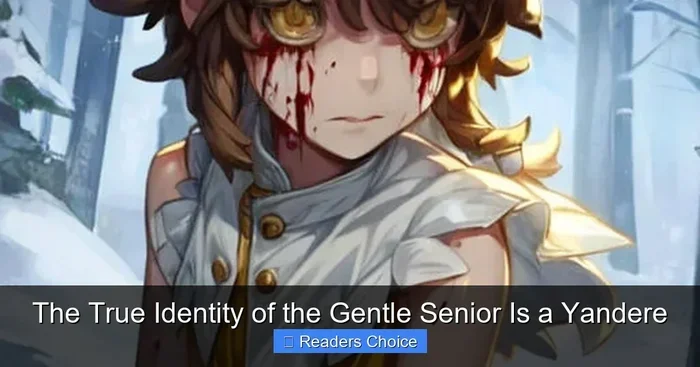
The gentle senior yandere trope is one of the most thrilling and unexpected character reveals in anime and manga. You think you know the kind, helpful upperclassman — but beneath that calm exterior lies an obsessive, intense devotion that can shock even the most seasoned fan. This guide breaks down everything you need to know about the true identity of the gentle senior is a yandere, from classic examples to the telltale signs that give them away.
You have probably seen this scene before. The upperclassman is always smiling. They help you with your problems. They walk you home. They seem almost too perfect. But then, something shifts. A look in their eyes. A comment that sends chills down your spine. The truth hits you — the gentle senior is a yandere.
This trope has captured the hearts and minds of anime fans for decades. It blends warmth with danger in a way that keeps you glued to every episode. Whether you are a longtime viewer or just discovering this world of fictional characters, understanding the gentle senior yandere adds a whole new layer to your viewing experience.
The appeal lies in the contrast. On one hand, you have a caring, supportive senior who seems like the ideal mentor or love interest. On the other hand, there is an undercurrent of obsession that can turn sweet moments into something deeply unsettling. This duality is what makes the trope so powerful and so popular in the anime fandom.
Key Takeaways
- The gentle senior yandere trope combines kindness with dark obsession, creating a memorable and shocking character reveal.
- Key signs include excessive attention, possessiveness, and a sudden shift from sweet to unsettling behavior.
- Popular examples from anime and light novels show how this trope has evolved over the years.
- The psychology behind the trope reflects real themes of attachment, idealization, and fear of loss.
- Fan art and community discussions keep this trope alive and trending in the anime fandom.
- Understanding this character archetype helps you appreciate the storytelling craft behind seemingly simple anime series.
- The contrast between appearance and reality is what makes the gentle senior yandere so compelling and unforgettable.
📑 Table of Contents
What Does “Gentle Senior Yandere” Mean?
The term yandere comes from two Japanese words: yanderu, meaning mentally or emotionally sick, and deredere, meaning lovey-dovey. A yandere character shows intense, obsessive love that often crosses into dangerous territory. When this character is also a gentle senior — a kind, respected upperclassman — the contrast becomes even more striking.
The gentle senior yandere archetype plays on a specific setup. The senior is older, wiser, and often more composed than the protagonist. They appear trustworthy and safe. But the yandere twist reveals that their calm exterior hides a deeply possessive and sometimes unstable mind. This character development from sweet to sinister is a hallmark of the trope.
In many anime series, the gentle senior starts as the supportive figure everyone admires. They offer guidance. They listen. They seem like the perfect role model. Then, slowly or suddenly, their true nature emerges. The shift can be gradual, building tension episode by episode, or it can hit all at once, leaving viewers stunned.
The Appeal of the Contrast
Why do fans love this trope so much? The answer lies in the tension between expectation and reality. When a character seems safe and then reveals a dangerous side, it creates a powerful emotional response. You feel surprised, unsettled, and strangely drawn in all at once.
This character archetype also taps into the psychological thriller side of storytelling. The gentle senior yandere forces you to question everything you thought you knew about a character. It keeps you guessing and makes every interaction feel loaded with meaning.
The Psychology Behind the Gentle Senior Yandere Trope
At its core, the yandere trope explores themes of obsessive love and attachment. The gentle senior yandere takes this a step further by layering in themes of mentorship, admiration, and the power dynamic between seniors and juniors in a school setting.
Psychologically, this trope reflects the concept of idealization. The protagonist often sees the senior as perfect. The senior, in turn, may fixate on the protagonist as their ideal. When these two forms of idealization collide, the result is a relationship that looks loving on the surface but feels deeply controlling underneath.
Obsessive Love vs. Genuine Care
One of the trickiest aspects of the gentle senior yandere is telling the difference between genuine care and obsessive love. In the early stages, the behavior can look almost identical. The senior pays close attention, shows concern, and wants to be near the protagonist.
But there are subtle differences. Genuine care respects boundaries. Obsessive love ignores them. A true gentle senior who is also a yandere will start to blur the lines between protection and control. They may isolate the protagonist from friends, monitor their movements, or react with extreme emotion when the protagonist interacts with others.
This psychological tension is what drives the story forward. The audience watches and wonders: is this love, or is this something darker? The uncertainty keeps fans engaged and talking.
The Role of the Power Dynamic
The senior-junior relationship in anime carries a natural power imbalance. The senior has more experience, more authority, and often more social standing. When a yandere hides behind this position of trust, the danger feels amplified. The protagonist — and the viewer — may feel trapped in a situation where the seemingly kind senior holds all the cards.
This dynamic also explains why the gentle senior yandere is such an effective character archetype. The very qualities that make a senior admirable — maturity, composure, authority — become tools of manipulation when twisted by obsessive love.
Iconic Examples of the Gentle Senior Who Is a Yandere
Over the years, many anime and light novel series have featured the gentle senior yandere. These characters have become iconic for their shocking reveals and intense devotion. Let us look at some of the most memorable examples.
Each example shows a different shade of the trope. Some gentle seniors reveal their yandere nature slowly, while others make the shift overnight. But all of them share one thing in common — they leave a lasting impression on the audience.
The Patient Build-Up
Some series use a slow-burn approach. The gentle senior seems kind and supportive for many episodes before the truth comes out. This build-up makes the reveal feel earned and impactful. Fans remember these moments because the contrast hits so hard after so much buildup.
In these stories, the senior might help the protagonist with studies, offer emotional support during tough times, and seem like the best mentor imaginable. Then, a single scene reveals the dark reality. The audience is left rethinking every interaction they have seen before.
The Sudden Shift
Other series prefer a sudden twist. The gentle senior is sweet and normal one moment, then reveals their yandere side in a single shocking scene. This approach creates immediate tension and keeps the audience on edge from that point forward.
Both approaches work well. The slow build creates dread, while the sudden shift creates shock. Together, they show the range and flexibility of the gentle senior yandere trope in different storytelling styles.
| Approach | Build-Up Style | Audience Reaction | Best For |
|---|---|---|---|
| Slow Reveal | Gradual hints over many episodes | Dread, rethinking past scenes | Psychological thrillers, drama-heavy series |
| Sudden Shift | One dramatic turning point | Shock, immediate tension | Action-driven, fast-paced series |
| Mixed Approach | Hints early, full reveal mid-story | Growing unease followed by shock | Romance with thriller elements |
How to Spot the Signs of a Yandere Senior
If you are watching an anime or reading a manga and wondering whether the kind senior is hiding a darker side, there are several signs to watch for. Recognizing these early can make the eventual reveal even more satisfying.
The gentle senior yandere often gives off subtle signals long before the truth is fully exposed. Being aware of these signs helps you appreciate the storytelling craft and enjoy the twist when it arrives.
Warning Signs to Watch For
- Excessive attention to the protagonist: The senior notices everything. Small changes in mood, appearance, or routine do not go unnoticed.
- Jealousy masked as concern: They express worry about the protagonist spending time with others, but it often feels more like possessiveness than care.
- Unusual knowledge of the protagonist’s habits: They seem to know where the protagonist will be and what they will do, sometimes before the protagonist does.
- Calm demeanor during tense moments: While others panic, the gentle senior stays eerily composed, which can feel unsettling rather than reassuring.
- Subtle threats wrapped in kindness: Their words sound supportive, but there is an underlying message of control or warning.
- A sudden change in behavior: The warmth drops instantly when the protagonist shows interest in someone else or tries to create distance.
Quick Tips for Identifying the Yandere Senior
Pay close attention to how the senior reacts when the protagonist talks to other characters. A gentle smile that does not reach the eyes is a classic tell. Also, notice if the senior always positions themselves between the protagonist and others — it is a subtle sign of protective control.
Common Mistakes Fans Make
One common mistake is dismissing early warning signs because the senior seems so kind at first. Fans often assume the gentleness is genuine and miss the clues. Another mistake is waiting too long to accept the truth, even when the signs become obvious.
The best approach is to stay alert from the start. Enjoy the kindness, but keep your eyes open for the subtle shifts that hint at the true identity of the gentle senior is a yandere. Trust your instincts as a viewer, and you will be less likely to be caught off guard.
Why This Trope Captivates Anime Fans
The gentle senior yandere trope has endured for a simple reason: it works. The combination of warmth and danger creates a storytelling dynamic that is hard to resist. Fans return to this trope again and again because each new example brings something fresh.
The anime fandom has embraced this character archetype in many ways. Fan art, discussions, and fan theories all revolve around the gentle senior who hides a dark secret. The trope has become a staple of the genre, appearing in school romance stories, psychological thrillers, and even comedy series that play with the expectations.
The Thrill of the Unsettling Twist
There is something deeply engaging about the unsettling twist. The gentle senior who turns out to be a yandere challenges your assumptions and forces you to reconsider the story you thought you knew. This kind of narrative surprise is what keeps audiences coming back for more.
When a beloved senior character reveals their yandere nature, it reframes every previous scene. The kind words take on new meaning. The gentle smiles become unsettling. The entire story shifts in perspective, and that shift is what makes the trope so powerful.
Community and Fandom Engagement
Fans love to discuss and debate the gentle senior yandere trope. Online forums, social media groups, and fan communities are filled with conversations about which characters best embody this archetype. The discussions often include comparisons, rankings, and creative fan works that celebrate the trope.
Many fans also create fan art depicting their favorite gentle senior yandere characters. The visual contrast between the sweet exterior and the dark interior makes for compelling illustrations. If you are into drawing, learning how to draw the back of a chair can help you nail the iconic sitting scenes where these characters often reveal their true nature.
The Gentle Senior Yandere in Different Media
This trope is not limited to just one type of media. The gentle senior yandere appears across anime series, manga, light novels, and even visual novels. Each medium brings its own strengths to the trope, allowing creators to explore the character in unique ways.
In anime, the visual medium allows for subtle expressions and body language that hint at the yandere nature. A slight change in eye contact or a moment of stillness can speak volumes. In manga and light novels, the written word lets the author build tension through internal monologue and shifting perspectives.
The trope has also found its way into games and interactive media, where the player’s choices can determine whether the gentle senior reveals their yandere side. This interactivity adds another layer of engagement and makes the reveal feel personal.
A Side Chair Moment
Think about the scenes where the gentle senior sits quietly in the background. In many anime, the senior occupies a side chair during classroom or club scenes. This simple detail — the side chair — becomes symbolic. It represents the senior’s position at the edge of the protagonist’s world, always close but never too close. Until, of course, they decide to move closer.
When you watch for these small visual details, you start to see the storytelling craft behind every scene. The placement of furniture, the angle of a chair, the position of a senior in a room — all of these elements contribute to the atmosphere and foreshadow the true identity of the gentle senior is a yandere.
The visual language of anime is rich with meaning. Even something as simple as what the back of a chair looks like in a scene can tell you something about the character’s emotional state or their role in the story. Paying attention to these details elevates your viewing experience and deepens your appreciation for the craft.
Key Takeaways
- The gentle senior yandere trope thrives on the contrast between outward kindness and inner obsession.
- Warning signs include excessive attention, masked jealousy, and subtle controlling behavior.
- Both slow reveals and sudden shifts are effective storytelling tools for this character archetype.
- The trope appears across multiple media, including anime, manga, light novels, and visual novels.
- Fan communities actively engage with this trope through discussions, fan art, and theories.
- Understanding the psychology behind the trope enriches your viewing experience and appreciation of the storytelling.
Conclusion
The true identity of the gentle senior is a yandere is one of the most compelling twists in anime storytelling. It combines warmth with danger, trust with tension, and love with obsession in a way that keeps audiences hooked. Whether you are a seasoned fan or new to the genre, recognizing this trope adds depth and excitement to your experience.
Next time you watch an anime and see the kind, helpful senior, pay close attention. The signs may be there all along. The gentle smile, the watchful eyes, the quiet presence — they all point to something deeper. The gentle senior yandere is more than just a trope. It is a celebration of complex storytelling and unforgettable character design.
Embrace the twist. Enjoy the tension. And remember — the kindest senior in the room might just be hiding the most intense secret of all.
Frequently Asked Questions
What makes a gentle senior different from other yandere characters?
The gentle senior yandere stands out because of the age and authority dynamic. The senior is older, more composed, and often holds a position of respect. This power imbalance makes the yandere twist feel more intense and the controlling behavior more unsettling than with a peer or younger character.
Are there any light novels that feature the gentle senior yandere trope?
Yes, many light novels use this trope effectively. The written format allows authors to build internal tension and reveal the senior’s true nature through the protagonist’s perspective. The slow reveal works especially well in light novel format, where readers can savor each hint and clue.
Is the gentle senior yandere trope only found in romance anime?
Not at all. While romance is the most common setting, this character archetype appears in psychological thrillers, school dramas, and even action series. The trope is versatile and can enhance any story where trust and betrayal are central themes.
Can a gentle senior yandere character be sympathetic?
Absolutely. Many well-written gentle senior yandere characters have understandable motivations behind their obsessive behavior. Their pain, fear of loss, and deep emotional needs make them complex and sometimes sympathetic, even when their actions are troubling.
How has the gentle senior yandere trope evolved over time?
Early examples were often one-dimensional villains. Modern interpretations have made the trope more nuanced, exploring the psychology behind the behavior and giving these characters more depth. The evolution reflects the broader growth of anime storytelling and character development.
What should I look for in a new anime to spot the gentle senior yandere early?
Watch for excessive attention to the protagonist, subtle jealousy, and a calm demeanor that feels slightly off. The gentle senior who knows too much or reacts strangely to the protagonist’s interactions with others is often a strong indicator. Trust your instincts and pay attention to the small details.

Similar Posts