The Key Lamp in My Deshbaord in the Car Means What? Then the Car Dont Start at First Attempt
Recipe Developer & Kitchen Guide Writer at Choose Vacuum · Certified Home Economist, ServSafe Food Handler · 8+ years developing home recipes and testing everyday kitchen techniques
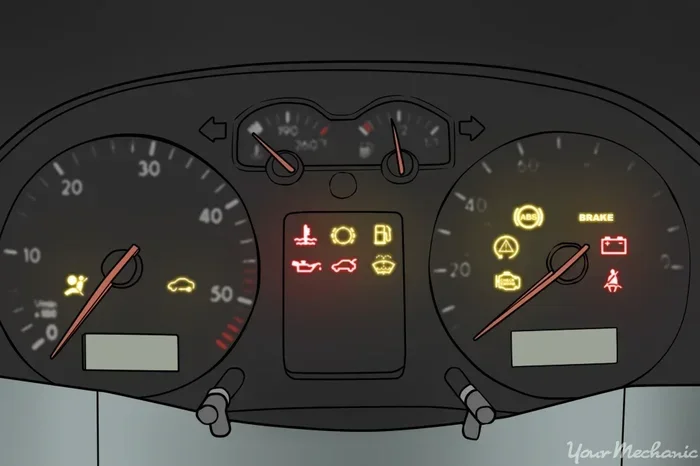
The key lamp on your dashboard is a warning light that signals an issue with your car’s ignition or immobilizer system. When this light stays on and your car doesn’t start on the first try, it usually points to a weak key fob battery, a faulty immobilizer, or a problem with the starter motor. Understanding what this symbol means can save you time, money, and a lot of frustration.
Key Takeaways
- The key lamp warns you about ignition or immobilizer problems that can prevent your car from starting.
- A dead key fob battery is the most common cause of the key warning light and no-start condition.
- Try these simple fixes first like replacing the battery or holding the fob close to the start button.
- Don’t ignore the key lamp if it stays on after your car starts, as it may signal a deeper issue.
- Regular maintenance keeps your starting system healthy and avoids unexpected breakdowns.
- Know when to call a professional if basic troubleshooting doesn’t resolve the problem.
📑 Table of Contents
What Does the Key Lamp on Your Dashboard Mean?
That little key symbol glowing on your dashboard can feel confusing. You’re just trying to get to work or run errands. Then suddenly, your car won’t start. The key lamp is your car’s way of telling you something isn’t right with the ignition system.
This warning light is part of your car’s onboard diagnostic system. It monitors the immobilizer, the key fob, and the ignition switch. When the system detects a problem, it lights up to alert you. Ignoring this light can lead to bigger problems down the road.
The key lamp may look different depending on your car model. Some cars show a simple key outline. Others display a key with a flashing signal. Either way, the meaning is the same. Your car is having trouble recognizing or communicating with your key.
Why the Key Lamp Matters
The immobilizer system is a security feature. It prevents thieves from hotwiring your car. The system works by pairing your key fob with the car’s computer. When you turn the key or press the start button, the car checks for a match. If it doesn’t find one, the key lamp stays on. This is your car saying, “I don’t recognize this key.”
Think of it like a bouncer at a club. The key fob is your ID. The car’s computer is the bouncer. If your ID is expired or damaged, you’re not getting in. That’s exactly what happens when the key lamp comes on.
Why Your Car Won’t Start on the First Attempt
A car that won’t start on the first try is frustrating. You turn the key or press the button. Nothing happens. Or you hear a clicking sound but the engine doesn’t turn over. Several things can cause this problem, and most of them are easy to fix.
Dead Key Fob Battery
This is the number one cause. Your key fob has a small battery inside. Over time, it loses power. When the battery gets too weak, the fob can’t send a strong enough signal to the car. The car doesn’t recognize the key, and the key lamp stays on.
The fix is simple. Replace the battery in your key fob. Most fobs use a CR2032 coin battery. You can buy one at any drugstore for under a dollar. It takes about two minutes to swap it out.
Weak Starter Motor
The starter motor is what cranks your engine. When it gets old or weak, it struggles to turn the engine over. You might hear a grinding sound or a slow whine. A weak starter often works on the second or third try.
Starter motors typically last about 100,000 miles. If your car has high mileage, the starter might be due for replacement. Don’t keep trying to start the car over and over. This can drain your battery even further.
Faulty Ignition Switch
The ignition switch controls the flow of electricity to your starter and engine. When it wears out, it can interrupt the connection. Your car might start sometimes but not others. This inconsistent behavior is a classic sign of a bad ignition switch.
Ignition switches usually last the life of the car. But corrosion, heat, and heavy keychains can wear them out faster. If you jiggle the key and the car starts, that’s a telltale sign. Get the switch checked by a mechanic as soon as possible.
Common Reasons for the Key Lamp and No-Start Problem
Let’s break down the most common reasons your key lamp is on and your car won’t start. Understanding these causes helps you figure out the next steps.
1. Key Fob Not Detected
Modern cars with push-button start rely on the key fob being nearby. If the fob battery is dead or the fob is in your pocket too far from the start button, the car can’t detect it. Some cars have a backup start location on the steering column or center console. Check your owner’s manual for the exact spot.
2. Immobilizer Malfunction
The immobilizer is a computer chip in your key fob. It talks to your car’s engine control unit. If the chip malfunctions or gets corrupted, the car won’t start. Sometimes the issue clears itself after a few minutes. Other times, you need a professional to reprogram the key.
3. Corroded Battery Terminals
Your car battery needs clean terminals to deliver power. Corrosion looks like a white or greenish crust on the terminals. When the connection is weak, the starter motor doesn’t get enough juice. Cleaning the terminals with a wire brush can often fix this problem.
4. Low Car Battery Voltage
A low battery is another frequent culprit. If your battery voltage drops below 12 volts, the starter may not have enough power to crank the engine. Jump-starting the car or using a battery charger can help you get going temporarily. But if the battery keeps dying, it’s time for a replacement.
5. Faulty Antenna Ring in the Ignition Cylinder
Some cars have an antenna ring around the ignition cylinder. This ring reads the transponder in your key. If the ring is damaged, the car can’t read the key. This is a less common issue, but it happens, especially in older vehicles.
How to Troubleshoot the Key Warning Light
Before you panic, try these troubleshooting steps. Most of them take just a few minutes and require no special tools.
- Check your key fob battery. Replace it with a fresh CR2032 battery. This solves the problem in most cases.
- Hold the fob close to the start button. Some cars let you start the engine even with a weak fob if you place it right against the button.
- Try the backup start method. Check your owner’s manual for the secondary key detection zone.
- Turn the steering wheel slightly while turning the key. This releases the steering lock and can sometimes reset the system.
- Cycle the ignition key. Turn it to the “on” position (not start) and wait 10 seconds. Then try starting again.
- Check the battery terminals for corrosion. Clean them with a baking soda and water solution if needed.
Pro Tip: If your car has a “dead key fob” mode, you can usually start it by placing the fob directly on the start button or on a specific spot on the steering column. This bypasses the weak battery signal. Check your owner’s manual or search online for your specific car model.
Quick Tips for Dashboard Warning Lights
- Don’t ignore any warning light that stays on after your car starts.
- Learn the common symbols for your specific car model.
- Keep your owner’s manual handy for quick reference.
- Address warning lights early before they turn into costly repairs.
- Note when the light appears — does it happen when cold, hot, or randomly?
When to See a Professional Mechanic
Some problems are easy to fix at home. But others need a trained mechanic. Knowing the difference can save you time and prevent further damage.
If you’ve replaced the key fob battery and the key lamp still won’t go off, see a mechanic. If your car starts sometimes but not others, that’s a sign of an intermittent problem that needs professional diagnosis. Also, if you hear grinding, clicking, or whirring sounds when you try to start the car, get it checked right away.
A mechanic can run a diagnostic scan to read error codes from your car’s computer. These codes tell exactly what’s wrong with the immobilizer, ignition, or starter system. Don’t wait too long to get it checked. A small problem today can become a big repair bill tomorrow.
Preventing Key Lamp and Starting Problems
The best way to deal with the key lamp is to prevent it from happening in the first place. A little maintenance goes a long way.
- Replace your key fob battery every 2 years. Don’t wait for it to die completely.
- Keep your battery terminals clean and tight. Check them every few months.
- Don’t carry heavy keychains. They put extra strain on the ignition switch.
- Store your key fob properly. Keep it away from water, heat, and magnetic fields.
- Get regular car maintenance. A professional inspection can catch small problems before they become big ones.
Just like how the back of a chair supports your posture and the levers on my office chair let you adjust your comfort, your car’s starting system has parts that all work together. If one piece fails, the whole system suffers. Taking care of each component keeps your car running smoothly.
Think of your car’s starting system like the height of a standard chair — every part needs to be at the right level for everything to work properly. If the battery voltage is too low, the fob signal is too weak, or the starter is too worn, the whole system fails. Regular checks keep everything in balance.
Key Takeaways
The key lamp on your dashboard is a warning sign, not something to ignore. It tells you that your car’s immobilizer or ignition system has detected a problem. Most of the time, the cause is simple — a dead key fob battery or a weak car battery. These are fixes you can handle yourself in minutes.
But sometimes the key lamp signals a deeper issue like a faulty immobilizer, a bad ignition switch, or a failing starter motor. When basic troubleshooting doesn’t solve the problem, it’s time to see a professional. Don’t keep trying to start the car over and over. You might drain your battery even more.
Stay proactive with your car’s maintenance. Replace key fob batteries on schedule, keep your battery terminals clean, and pay attention to warning lights. A little prevention today saves you from a big headache tomorrow. Your car works hard for you. Give it the care it deserves.
Frequently Asked Questions
What does the key symbol on my dashboard mean?
The key symbol is a warning light that indicates a problem with your car’s immobilizer or ignition system. It usually means your car can’t detect or recognize your key fob. This could be caused by a dead fob battery, a faulty transponder, or an issue with the immobilizer system itself.
Why won’t my car start on the first try but starts on the second?
This is often a sign of a weak starter motor or a dying key fob battery. The starter may be struggling to engage properly, or the fob signal is too weak to be detected immediately. Try replacing the fob battery first, as this is the easiest and most common fix.
Can a dead key fob battery prevent my car from starting?
Absolutely. Most modern cars with push-button start rely entirely on the key fob signal. When the fob battery dies, the car can’t detect the key and won’t start. Replacing the battery with a CR2032 coin cell usually solves this problem instantly.
How do I know if my starter motor is failing?
You’ll usually hear a grinding, clicking, or slow whirring sound when you try to start the car. The engine may crank slowly or not at all. If the starter works sometimes but not others, that’s a strong sign it’s wearing out and needs replacement.
Is it safe to keep driving with the key lamp on?
It depends on the situation. If the light comes on when you try to start and goes off after the car starts, it may have been a temporary signal issue. But if the light stays on while driving, you should get your car checked. A persistent key lamp can indicate an immobilizer problem that may leave you stranded.
How much does it cost to fix a key lamp and no-start issue?
The cost varies widely depending on the cause. Replacing a key fob battery costs about $5 to $10. A new starter motor ranges from $200 to $400 including labor. Ignition switch replacement can run $150 to $300. Immobilizer reprogramming typically costs $50 to $150 at a dealership or locksmith.
=== CONCLUSION ===
The key lamp on your dashboard is your car speaking to you. It’s telling you that something in the starting system needs attention. Most of the time, the fix is simple and affordable. A new key fob battery or a jump start can get you back on the road in minutes.
But don’t let that little key symbol become something big. Pay attention to it, troubleshoot the simple causes first, and know when to call for help. Your car’s starting system is made up of several parts that all need to work together. Taking care of each one keeps you safe and saves you money.
Next time that key lamp comes on, don’t panic. Check the fob battery first. Try the backup start method. And if the problem persists, see a trusted mechanic. You’ve got this. Stay informed, stay prepared, and keep your car running strong.

Similar Posts