Subaru Won’t Start but Lights Turn On
Recipe Developer & Kitchen Guide Writer at Choose Vacuum · Certified Home Economist, ServSafe Food Handler · 8+ years developing home recipes and testing everyday kitchen techniques
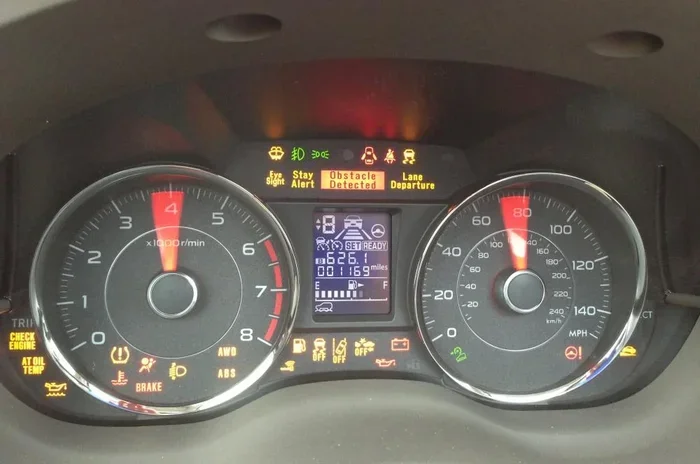
When your Subaru won’t start but lights turn on, it usually points to a problem with the ignition system, starter motor, or electrical connections. This common issue can stem from a weak battery, faulty ignition switch, dead key fob battery, or a locked security system. Understanding the root cause helps you troubleshoot effectively and avoid costly Subaru repairs.
You turn the key or press the push-button start on your Subaru, and the dashboard lights up just fine. But the engine doesn’t crank. No sound. No roar. Just silence. This frustrating situation happens more often than you might think, and it leaves a lot of Subaru owners scratching their heads. The good news is that Subaru won’t start but lights turn on is a well-documented issue with several known causes and clear paths to fixing it.
In this guide, we walk you through every possible reason your Subaru won’t turn over, even though the electrical systems seem perfectly fine. We also share practical troubleshooting tips, common mistakes to avoid, and expert advice that can save you time and money. Whether you drive a Subaru Outback, Subaru Forester, Subaru Impreza, or any other model, this article has you covered.
Let’s dive right in and figure out what’s going on under the hood. By the end, you’ll know exactly what to check, what tools you need, and when it’s time to visit a mechanic.
Key Takeaways
- Dashboard lights working doesn’t mean your battery is healthy: Your lights may still function even with a weak or failing battery.
- The most common culprits include the starter motor, ignition switch, and key fob battery: These parts fail often and are relatively easy to diagnose.
- Corroded battery terminals can mimic a dead battery: A simple cleaning may restore power to your engine.
- Security system lockout is a sneaky cause: Your Subaru may refuse to start if it doesn’t recognize the key or key fob.
- Knowing when to call a professional saves time and money: Some issues require specialized tools and expertise.
📑 Table of Contents
- Understanding Why Lights Work but the Engine Won’t Crank
- Top Causes of Subaru Won’t Start but Lights Turn On
- Step-by-Step Troubleshooting Guide
- Common Mistakes People Make When Troubleshooting
- When to See a Professional Mechanic
- Preventing Future Starting Problems
- Final Thoughts on Subaru Won’t Start but Lights Turn On
Understanding Why Lights Work but the Engine Won’t Crank
Here’s the key thing to understand about your Subaru’s electrical system. Your dashboard lights, dome lights, and radio all run on a separate circuit from the starter motor. So when your lights turn on but the engine stays silent, it tells you something specific. Your battery has enough power to run the accessories, but not enough to engage the starter.
This distinction matters a lot. It narrows down your list of suspects significantly. You’re not dealing with a completely dead battery. Something else is preventing the engine from turning over.
The Role of Your Battery in Starting Your Subaru
Your battery provides a burst of high energy to crank the engine. Think of it like a sprinter. It needs to deliver a huge amount of power in a very short time. A battery can still power your lights and radio for a while, even when it’s too weak to start the engine. This is why Subaru won’t start but lights turn on often tricks people into thinking the battery is fine.
A fully charged battery should read around 12.6 volts. When you try to start the car, it should stay above 10 volts. If it drops below that, the starter motor won’t get enough juice to turn the engine over. Cold weather makes this problem worse because batteries lose power in low temperatures.
How the Starter Motor Works
The starter motor is a small but powerful electric motor. When you turn the key or press the start button, it engages with the engine’s flywheel. This spins the engine and starts the combustion process. If the starter motor fails, you get silence. The lights work. The radio plays. But the engine simply refuses to turn over.
Starter motors wear out over time. They typically last between 100,000 and 150,000 miles. If your Subaru has high mileage, a failing starter is a strong suspect. You might also hear a clicking sound when you turn the key. That clicking usually means the starter solenoid is engaging but the motor itself isn’t working.
Top Causes of Subaru Won’t Start but Lights Turn On
Several issues can cause this exact symptom. Let’s go through them one by one so you can start narrowing down the problem.
1. Weak or Failing Battery
Even though your lights work, your battery might not have enough cranking amps. A battery can test as “okay” on a voltmeter but still lack the power to start the engine. This is especially true in older batteries or batteries that haven’t been replaced in several years.
Here are some signs your battery is the problem:
- The engine cranks slowly or not at all
- Dashboard lights dim when you turn the key
- You hear a rapid clicking sound
- The problem gets worse in cold weather
- Your Subaru sits unused for long periods
A quick fix is to try jump-starting the car. If it starts right away with a jump, your battery is likely the issue. You should also check the battery terminals for corrosion. White or greenish buildup on the terminals can block the electrical connection and prevent starting.
2. Faulty Ignition Switch
The ignition switch is the mechanism that sends power from the battery to the starter motor. When it fails, the electrical accessories still work because they draw power directly from the battery. But the starter circuit doesn’t get the signal it needs.
Ignition switches wear out over time, especially in vehicles with high mileage. In older Subarus with a traditional key, the key cylinder itself can become worn and fail to turn fully. In newer models with push-button start, the ignition switch is electronic and can fail without warning.
Signs of a bad ignition switch include:
- The key won’t turn or feels loose
- Accessories work but the engine won’t crank
- The problem comes and goes randomly
- You need to jiggle the key to get it to work
3. Dead Key Fob Battery
If you drive a newer Subaru with a smart key system, a dead key fob battery can cause this exact problem. The car’s computer can’t recognize the key, so it won’t allow the engine to start. But the lights and dashboard still work because they don’t rely on the key fob signal.
This is one of the most overlooked causes. Many people don’t realize the key fob battery needs regular replacement. A key fob battery typically lasts one to two years. If you’ve had the same battery for a while, this could be your answer.
Try holding the key fob directly against the start button. Most Subarus have a backup antenna that reads the fob even with a weak battery. If the car starts this way, replace the fob battery immediately.
4. Security System Lockout
Subarus come equipped with an immobilizer system. This system prevents the engine from starting unless it recognizes the correct key or key fob. Sometimes, this system malfunctions and locks the engine out even with the correct key.
A security system lockout can happen after a battery replacement, after working on the electrical system, or just randomly. The dashboard may flash a security light or display a warning message. If your Subaru ignition problem includes a flashing security light, this is likely the cause.
Try these steps to reset the system:
- Turn the key to the “on” position without starting the engine
- Wait for 10 to 15 minutes
- Turn the key back to the “off” position
- Wait another 5 minutes
- Try starting the engine again
5. Bad Starter Motor or Solenoid
The starter motor is what actually cranks the engine. If it fails, nothing happens when you turn the key. The solenoid is the part that engages the starter with the flywheel. If the solenoid goes bad, you might hear a single click but no cranking.
Starter problems are more common in Subarus with higher mileage. The good news is that replacing a starter is a straightforward repair. A mechanic can usually do it in one to two hours. The cost is typically between $300 and $500, depending on the model and labor rates in your area.
One thing to note: a bad starter motor can sometimes be confused with a battery problem. If you hear a single loud click but nothing else, the starter solenoid is likely trying to engage but can’t. This is a classic sign of a failing starter.
6. Neutral Safety Switch Issues
Your Subaru has a neutral safety switch that prevents the engine from starting unless the transmission is in Park or Neutral. If this switch fails, the car won’t start even though everything else works fine.
This is a surprisingly common issue, especially in older Subarus. Sometimes the switch gets stuck or the alignment shifts. You can try this simple fix:
- Shift the transmission fully into Neutral
- Try starting the engine
- If it starts in Neutral but not in Park, the switch needs adjustment or replacement
Neutral safety switch replacement is inexpensive and quick. Most mechanics can do it in under an hour.
7. Fuel Pump Failure
While less common, a failed fuel pump can also cause your Subaru to crank but not start. However, some drivers describe this as the engine not turning over at all. The fuel pump delivers fuel from the tank to the engine. If it fails, the engine has no fuel to combust.
Signs of a failing fuel pump include:
- A whining sound from the back of the car
- Engine stalling under load
- Difficulty starting after the car sits for a while
- Loss of power when accelerating
If you turn the key to the “on” position (before starting) and don’t hear the fuel pump hum for a couple of seconds, the pump might be dead. This is a more serious repair that typically requires professional help.
Step-by-Step Troubleshooting Guide
Now that you know the common causes, here’s a simple step-by-step process to diagnose your Subaru won’t start but lights turn on problem.
Step 1: Check the Dashboard Warning Lights
When you turn the key to the “on” position, look at all the dashboard lights. Do you see a red security light? Does the check engine light stay on? These warnings give you valuable clues about what’s going on.
Also check the battery voltage indicator if your model has one. A reading below 12 volts suggests a battery issue, even if the lights still work.
Step 2: Listen Carefully When You Turn the Key
What you hear (or don’t hear) tells a lot about the problem:
- Complete silence: Likely a starter, ignition switch, or neutral safety switch issue
- Single click: The solenoid is engaging but the starter motor isn’t working
- Rapid clicking: The battery has enough power for accessories but not enough to crank the engine
- Crashing but no start: The engine is turning but not firing, which points to fuel or spark issues
Step 3: Try the Key Fob Backup
If you have a push-button start model, hold the key fob directly against the start button. This uses a backup antenna to read the fob. If the car starts this way, your fob battery is dead and needs replacement.
Step 4: Check the Battery Terminals
Pop the hood and inspect the battery terminals. Look for white, green, or blue corrosion. If you see any, disconnect the terminals, clean them with a wire brush or baking soda solution, and reconnect them firmly. This simple step fixes more starting problems than people realize.
Step 5: Try Jump-Starting the Car
If your battery is weak, a jump start will confirm it. Use jumper cables and another vehicle, or a portable jump starter. If the car starts with a jump, you need to either charge or replace the battery.
Quick Tips for Subaru Owners
- Keep a portable jump starter in your trunk. It’s a lifesaver in emergencies.
- Replace your key fob battery every 12 to 18 months as a preventive measure.
- Clean your battery terminals twice a year to prevent corrosion buildup.
- Don’t leave accessories on when the engine is off. This causes parasitic draw that drains the battery over time.
- If your Subaru sits unused for more than two weeks, start it and let it run for at least 15 minutes.
Common Mistakes People Make When Troubleshooting
When your car won’t start, it’s easy to panic and make mistakes. Here are the most common errors people make when dealing with a Subaru won’t start but lights turn on situation.
Mistake 1: Assuming It’s Always the Battery
Many people immediately assume a dead battery when the car won’t start. But as we’ve covered, the lights working rules out a completely dead battery. A battery can be partially charged and still power your accessories while failing to crank the engine. Always check the battery voltage under load, not just the resting voltage.
Mistake 2: Ignoring the Key Fob Battery
This is the most overlooked cause in modern Subarus. People spend hours troubleshooting the electrical system when the real problem is a $5 battery in the key fob. Always check the fob battery first if you drive a push-button start model.
Mistake 3: Replacing Parts Without Diagnosing
It’s tempting to just replace the starter or battery based on assumptions. But throwing parts at the problem can waste hundreds of dollars. Always diagnose the issue first using the steps in this guide. A mechanic can also run a proper diagnostic test to pinpoint the exact cause.
Mistake 4: Not Checking the Neutral Safety Switch
People often forget about the neutral safety switch. It’s a simple and cheap part, but it can cause the exact same symptoms as a bad starter or ignition switch. Always try starting in Neutral before replacing more expensive components.
Expert Insight: The Electrical System Connection
Experienced Subaru technicians often say that electrical gremlins are the hardest problems to diagnose on modern vehicles. Your Subaru electrical system is complex, with multiple computers and sensors communicating through networks. When something goes wrong, the symptoms can be misleading. This is why professional diagnostics sometimes save money in the long run, even if you could try fixing it yourself.
When to See a Professional Mechanic
Not every problem is a DIY fix. Here are clear signs that you should take your Subaru to a professional mechanic instead of trying to troubleshoot further.
- You’ve checked the battery, terminals, and key fob, and the problem persists
- You hear unusual grinding or whirring sounds when you turn the key
- The check engine light is flashing along with the no-start condition
- Your Subaru has high mileage and the starter is original
- You’ve tried jump-starting and the car still won’t crank
- You smell burning or see smoke under the hood
Professional mechanics have specialized diagnostic tools that can read error codes from your Subaru’s computer system. These tools can identify problems that aren’t visible to the naked eye. For example, a failing ignition coil or a clogged fuel filter might not show obvious symptoms until the car won’t start at all.
If you’re near a Subaru dealership or a trusted independent mechanic, don’t hesitate to get a professional opinion. Many shops offer free or low-cost diagnostics. A quick diagnostic scan can save you hours of guesswork and prevent you from replacing the wrong parts.
Also, if your Subaru is still under warranty, any repair attempts you make yourself could void the warranty. Always check with your dealer before trying DIY fixes on a covered vehicle. Sometimes the simplest solution is to let the professionals handle it.
Preventing Future Starting Problems
The best way to deal with a Subaru won’t start but lights turn on situation is to prevent it from happening in the first place. Regular maintenance goes a long way toward keeping your Subaru reliable and starting every time.
Battery Maintenance
Have your battery tested at every oil change, especially after the three-year mark. Most auto parts stores offer free battery testing. Replace your battery every four to five years, even if it seems to be working fine. Preventive replacement saves you from being stranded unexpectedly.
Key Fob Care
Keep a spare key fob battery in your glove box. When you notice the fob range getting shorter or the car struggling to recognize the key, replace the battery immediately. This small habit can prevent a major inconvenience.
Regular Electrical System Checks
Ask your mechanic to inspect the starter, alternator, and battery connections during routine service. Catching a weak starter or corroded terminals early can prevent a full no-start situation later.
Drive Your Subaru Regularly
Subarus are meant to be driven. If your car sits for long periods, the battery slowly loses charge and the fluids settle. Try to drive your Subaru at least once a week for 20 to 30 minutes. This keeps the battery charged and all systems functioning properly.
Common No-Start Causes: Quick Reference
| Cause | Symptom | DIY Fix Possible? | Estimated Cost |
|---|---|---|---|
| Weak Battery | Slow crank, dim lights | Yes – jump start or replace | $100-$250 |
| Dead Key Fob Battery | No start, lights work fine | Yes – replace fob battery | $5-$10 |
| Faulty Ignition Switch | No crank, accessories work | No – needs professional repair | $150-$300 |
| Bad Starter Motor | Clicking sound, no crank | No – professional replacement | $300-$500 |
| Security System Lockout | Flashing security light | Sometimes – reset procedure | Free-$50 |
| Neutral Safety Switch | Starts in Neutral but not Park | Yes – adjustment or replacement | $100-$200 |
Final Thoughts on Subaru Won’t Start but Lights Turn On
Dealing with a Subaru won’t start but lights turn on situation is frustrating, but it’s rarely a sign of catastrophic damage. In most cases, the cause is something simple and fixable, like a weak battery, dead key fob battery, or corroded terminals. By following the troubleshooting steps in this guide, you can often identify and fix the problem yourself.
Remember that your dashboard lights working is actually helpful information. It tells you the battery has some charge and the electrical system is partially functional. Use that knowledge to narrow down the cause and focus your efforts on the right components.
Regular maintenance is your best defense against starting problems. Keep your battery clean, replace your key fob battery on schedule, and don’t ignore warning signs like slow cranking or dimming lights. These small habits can save you from a major headache down the road.
If you’ve tried everything in this guide and your Subaru still won’t start, don’t hesitate to visit a qualified mechanic. Sometimes the problem needs professional tools and expertise to diagnose. But with the knowledge you’ve gained from this article, you’ll be in a much better position to understand what the mechanic is telling you and make informed decisions about your repairs.
Stay proactive with your Subaru maintenance, keep a positive attitude, and remember that every starting problem has a solution. You’ve got this.
Frequently Asked Questions
Why do my Subaru’s lights work but the engine won’t start?
This usually means your battery has enough power for accessories but not enough to crank the engine. Common causes include a weak battery, faulty ignition switch, dead key fob battery, or a bad starter motor. The lights and starter motor operate on different circuits, which is why they can behave independently.
Can a dead key fob battery cause my Subaru not to start?
Yes, absolutely. Modern Subarus with push-button start rely on the key fob to authenticate the ignition. If the fob battery is dead, the car won’t recognize the key and will refuse to start. Try holding the fob against the start button as a workaround, and replace the fob battery as soon as possible.
How do I know if my starter motor is bad?
A bad starter typically produces a single loud click when you turn the key, but the engine won’t crank. You might also notice grinding noises or intermittent starting problems. If the starter solenoid engages but the motor doesn’t spin, the starter motor itself is likely failed and needs replacement.
Is it safe to drive my Subaru with a weak battery?
It’s not recommended. A weak battery can leave you stranded at any moment and may also damage your alternator if it’s working overtime to compensate. Have your battery tested as soon as possible and replace it if the voltage is below 12.4 volts when fully charged.
What should I do if my Subaru’s security light is flashing?
A flashing security light usually indicates an immobilizer lockout. Try turning the key to the “on” position and waiting 10 to 15 minutes before attempting to start. If that doesn’t work, try using a spare key fob. If neither method works, the security system module may need professional diagnosis and reprogramming.
How often should I replace my Subaru battery?
Most Subaru batteries last between four and five years. Have your battery tested annually after the three-year mark, and replace it proactively before it fails. This prevents unexpected no-start situations and ensures reliable performance in all weather conditions.
=== CONCLUSION ===
A Subaru won’t start but lights turn on problem is more common than you think, and in most cases, it’s fixable with the right knowledge. Whether it’s a simple key fob battery replacement, a corroded terminal, or a failing starter motor, you now have the tools to diagnose and address the issue. Start with the simplest fixes and work your way up to more complex possibilities. And remember, there’s no shame in calling a professional when the problem goes beyond DIY troubleshooting. The most important thing is getting back on the road safely and confidently.

Similar Posts































