Subaru Battery Replacement
Recipe Developer & Kitchen Guide Writer at Choose Vacuum · Certified Home Economist, ServSafe Food Handler · 8+ years developing home recipes and testing everyday kitchen techniques
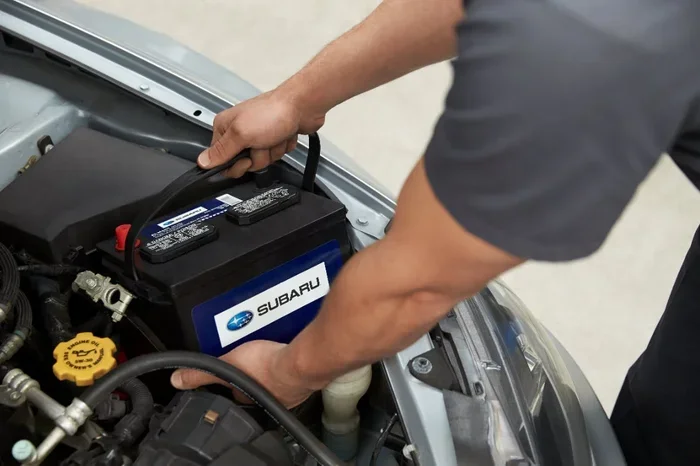
A dying Subaru battery can leave you stranded, but knowing the warning signs and replacement process saves time and money. This guide covers everything you need about Subaru battery replacement, from identifying weak battery symptoms to choosing the right battery and completing the swap yourself. We also share practical maintenance tips to extend your battery life and avoid unexpected breakdowns.
Every Subaru owner knows the frustration of turning the key and hearing nothing but silence. A dead battery can ruin your morning, your road trip, or your entire day. Subaru battery replacement is one of those maintenance tasks that catches people off guard, but it doesn’t have to be stressful.
Whether you drive a Subaru Outback, a Subaru Forester, or a Subaru WRX, your car’s battery plays a critical role in starting the engine, powering accessories, and keeping electrical systems running. Understanding how batteries work, when they need replacing, and how to do it yourself can save you hundreds of dollars and countless hours.
In this guide, we walk you through every aspect of car battery replacement for Subaru vehicles. You’ll learn to spot the early warning signs, compare battery options, understand costs, and even complete the swap in your own garage. Let’s dive in.
Key Takeaways
- Recognize the signs early: Slow cranking, dim lights, and dashboard warnings signal a failing Subaru battery.
- Replacement cost varies: Expect to pay between $150 and $350, depending on battery type and labor.
- DIY replacement is doable: With basic tools and safety precautions, most owners can swap their battery at home.
- Battery age matters: Most Subaru batteries last 3 to 5 years before needing replacement.
- Maintenance extends life: Regular cleaning of terminals and proper charging habits keep batteries healthy longer.
- Choose the right battery: Match group size, cold cranking amps, and reserve capacity for your specific Subaru model.
📑 Table of Contents
Why Your Subaru Battery Matters
The battery is the heart of your Subaru’s electrical system. Without a healthy battery, your engine won’t crank, your lights won’t shine bright, and your modern tech features will go dark. It’s easy to take this small box under your hood for granted until it stops working.
Subaru vehicles are known for their all-wheel-drive systems and boxer engines, both of which rely on steady electrical power. A weak battery health status can affect more than just starting. It can impact your fuel efficiency, your infotainment system, and even your safety features like traction control and stability management.
Most Subaru batteries last between three and five years. However, extreme temperatures, short trips, and accessory loads can shorten that lifespan significantly. If you live in a cold climate, your battery works harder during winter months. Heat, on the other hand, accelerates internal corrosion. Both conditions demand closer attention to your battery maintenance routine.
Signs Your Subaru Battery Needs Replacement
Catching a weak battery early can save you from an unexpected breakdown. Here are the most common signs that your Subaru battery replacement is overdue:
Slow Engine Crank
When you turn the key, does the engine take longer than usual to start? A slow, labored crank is one of the earliest warning signs. A healthy battery delivers power quickly and confidently. If your engine sounds sluggish, it’s time to test the battery.
Dim Dashboard Lights and Headlights
Notice your dashboard lights looking dimmer than usual? Or your headlights flickering when you idle? These are classic symptoms of low voltage. Your battery may not be holding a full charge anymore.
Battery Warning Light on the Dashboard
Modern Subarus feature a battery or charging system warning light on the dashboard. If this light illuminates, don’t ignore it. It often signals a problem with the battery, the alternator, or the charging circuit. A quick battery test at a parts store can confirm the issue.
Corrosion on Battery Terminals
Check your battery terminals regularly. A white, blue, or greenish powdery substance around the terminals indicates corrosion. This buildup interferes with the electrical connection and can prevent your car from starting. While cleaning terminals helps temporarily, persistent corrosion often means the battery is aging.
Frequent Jump Starts
If you find yourself needing a jump start more than once a month, your battery is clearly struggling. Jump-starting is a temporary fix, not a long-term solution. Repeated jump-starts also strain your alternator and other electrical components.
Battery Age Past Three Years
Even without obvious symptoms, a battery older than three years deserves a professional load test. Many auto parts stores offer free testing. Don’t wait for complete failure, especially before winter or a long road trip.
Choosing the Right Battery for Your Subaru
Not all car batteries are the same. Selecting the right battery type for your Subaru ensures reliable performance and proper fitment. Here’s what you need to know:
Battery Group Size
Every vehicle requires a specific battery group size, which refers to the physical dimensions and terminal placement. Subaru models typically use group sizes like 35, 51R, or 86. Check your owner’s manual or look at your current battery label to find the correct size. Installing the wrong group size can cause terminal misalignment and poor electrical contact.
Cold Cranking Amps (CCA)
Cold cranking amps measure a battery’s ability to start your engine in cold weather. Subarus sold in northern climates benefit from higher CCA ratings. A battery with insufficient CCA may struggle to turn over during winter mornings. As a general rule, choose a battery with CCA ratings equal to or higher than what your Subaru manufacturer recommends.
Reserve Capacity
Reserve capacity tells you how long a battery can power your vehicle’s electrical systems if the alternator fails. While this matters less for daily driving, it becomes important during long trips or when using accessories like roof racks, heated seats, and aftermarket electronics.
Standard vs. AGM Batteries
Standard flooded lead-acid batteries are the most common and affordable option. They work well for most Subaru models. However, some newer Subarus and models with start-stop technology benefit from AGM (Absorbent Glass Mat) batteries. AGM batteries are sealed, maintenance-free, and handle deep cycling better. They also resist vibration more effectively, which suits the boxer engine layout in Subarus.
| Feature | Standard Battery | AGM Battery |
|---|---|---|
| Cost | $100 – $200 | $150 – $300 |
| Maintenance | Periodic terminal cleaning | Maintenance-free |
| Lifespan | 3 – 5 years | 4 – 6 years |
| Cold Weather Performance | Good | Excellent |
| Best For | Most Subaru models | Start-stop models, cold climates |
When shopping for a replacement, consider visiting a local auto parts store or checking online retailers for competitive pricing. Always confirm the warranty period, as some battery warranty plans cover replacement for up to three years or more.
How to Replace Your Subaru Battery Step by Step
Replacing your Subaru battery is a straightforward DIY project that most owners can complete in under 30 minutes. Follow these steps carefully to ensure safety and proper installation.
What You’ll Need
- Correct replacement battery (matching group size and CCA)
- Wrench set (usually 10mm and 13mm)
- Battery terminal cleaner or wire brush
- Anti-corrosion spray or dielectric grease
- Safety gloves and goggles
- Memory saver or note-taking device for radio codes
Step-by-Step Process
- Park on a flat surface and turn off the engine. Remove the keys from the ignition.
- Open the hood and locate the battery. In most Subarus, it sits in the engine bay on the left or right side, depending on the model.
- Identify the negative terminal first. This is the black cable marked with a minus sign. Loosen the nut and carefully remove the cable. Always disconnect the negative terminal first to prevent short circuits.
- Disconnect the positive terminal next. This is the red cable marked with a plus sign. Loosen and remove it the same way.
- Remove the battery hold-down bracket. Use your wrench to loosen the clamp or bolt securing the battery in place.
- Lift the old battery out carefully. Car batteries weigh around 30 to 40 pounds. Use both hands and lift with your legs, not your back.
- Clean the battery tray and terminals. Use a wire brush or battery cleaner to remove any corrosion or residue. This ensures a solid connection with the new battery.
- Place the new battery in the tray. Make sure the positive and negative terminals align with the cables correctly.
- Reattach the hold-down bracket and tighten it securely. A loose battery can vibrate and cause damage while driving.
- Connect the positive terminal first, then the negative terminal. Tighten the nuts firmly but don’t overtighten.
- Apply anti-corrosion spray or dielectric grease to the terminals. This prevents future buildup and extends connection life.
- Start the engine and test all electrical systems. Check your headlights, radio, power windows, and dashboard indicators.
Quick Tip: If your Subaru has a radio security code or clock reset, have the code handy before disconnecting the battery. Some models also need the steering wheel alignment recalibrated after a battery swap.
Safety Precautions
- Always wear gloves and eye protection. Battery acid can cause burns.
- Never smoke or create sparks near the battery. Batteries produce hydrogen gas.
- Keep metal tools away from both terminals simultaneously to avoid short circuits.
- Dispose of your old battery properly. Most auto parts stores accept used batteries for recycling.
How Much Does Subaru Battery Replacement Cost?
The cost of Subaru battery replacement varies based on battery type, model year, and whether you do it yourself or visit a shop.
- Battery cost alone: $100 to $300 for most standard and AGM batteries
- Installation at a dealership: $50 to $100 in labor charges
- Installation at an independent shop: $30 to $70 in labor charges
- DIY replacement: Cost of the battery only, plus any tools you may need
On average, most Subaru owners spend between $150 and $350 for a complete battery replacement. The battery replacement cost is well worth the investment compared to the inconvenience and potential towing fees of a dead battery on the side of the road.
Some Subaru dealerships offer battery replacement packages that include testing, installation, and recycling of the old battery. If your vehicle is still under warranty, check whether the battery falls under coverage. Many Subaru warranties cover battery defects for the first three years or 36,000 miles, whichever comes first.
Extending Your Subaru Battery Life
Proper maintenance can add months or even years to your battery’s lifespan. Here are some proven strategies to keep your battery health in top shape:
Keep Your Battery Clean
Inspect the terminals every few months. Clean off any corrosion with a baking soda and water solution and a wire brush. A clean connection allows steady current flow and prevents parasitic drain.
Avoid Short Trips When Possible
Short drives don’t give your alternator enough time to fully recharge the battery. If you only drive around town for brief errands, consider taking a longer drive once a week to replenish the charge. This is especially important in winter when batteries work harder.
Turn Off Accessories Before Shutting Down
Make it a habit to turn off headlights, interior lights, and aftermarket electronics before switching off the engine. Leaving these on drains the battery and shortens its overall life.
Use a Battery Maintainer for Seasonal Vehicles
If you own a Subaru that sits idle for extended periods, a battery maintainer or trickle charger keeps the battery at full charge. This prevents sulfation, which permanently damages battery cells over time.
Get Regular Battery Tests
Have your battery tested at every oil change or at least twice a year. Many auto parts stores and service centers offer free load testing. Catching a weak battery early gives you time to plan for battery replacement on your schedule.
It’s also worth noting that battery maintenance isn’t just about the battery itself. Your alternator and charging system play a huge role in battery longevity. A failing alternator can overcharge or undercharge your battery, leading to premature failure. If you notice flickering lights or a whining noise from the engine bay, have the alternator checked promptly.
For those who use their Subaru for daily commuting or occasional trips, maintaining battery health is especially important. A reliable battery means you’re never stuck wondering whether your car will start. And for Subaru owners who value accessibility and ease of use, a well-maintained electrical system supports features like power seats, heated steering wheels, and adaptive driving modes that make every drive more comfortable.
When to Seek Professional Help
While DIY battery replacement works for most Subaru owners, there are times when professional help is the better choice:
- Your Subaru model has a battery located in a difficult-to-reach spot, such as under the rear seat or in the trunk.
- You’ve replaced the battery but still experience starting problems, which could indicate an alternator or starter issue.
- Your vehicle has advanced electrical systems that require coding or programming after a battery swap.
- You’re uncomfortable working with car batteries or don’t have the right tools.
A certified Subaru technician can diagnose the full electrical system, not just the battery. Sometimes what feels like a battery problem is actually a parasitic draw from a faulty accessory or a failing alternator. Professional diagnostics save time and prevent unnecessary part replacements.
Many Subaru owners also appreciate the convenience of roadside assistance programs that come with new vehicle warranties or subscription services. These programs can jump-start your vehicle, test your battery on the spot, and even arrange a tow if needed. Having this support gives peace of mind, especially during harsh weather or long road trips.
Remember, a well-maintained Subaru is a reliable Subaru. Taking care of your battery is one of the simplest yet most impactful things you can do for your vehicle’s overall health and longevity.
Just as maintaining a comfortable and accessible living space matters for overall well-being, maintaining your vehicle’s electrical system ensures safe and dependable transportation. Whether you’re adapting your home for accessibility with features like a specialized seat for post-surgery recovery, or ensuring your car is ready for every journey, proactive maintenance makes all the difference.
Conclusion
Subaru battery replacement doesn’t have to be a daunting task. With the right knowledge, the correct battery, and a little confidence, you can handle this common maintenance item yourself or make an informed decision when visiting a shop. The key is staying proactive: watch for warning signs, test your battery regularly, and replace it before it leaves you stranded.
Your Subaru is built to perform, and a healthy battery is the foundation of that performance. Whether you’re heading to the grocery store or driving through mountain passes, a fresh, properly installed battery keeps everything running smoothly. Take care of your battery today, and it will take care of you tomorrow.
Frequently Asked Questions
How long does a Subaru battery last?
Most Subaru batteries last between three and five years. The exact lifespan depends on driving habits, climate, and battery type. Regular maintenance and testing can help you get the most out of your battery.
Can I replace my Subaru battery myself?
Yes, most Subaru battery replacements are straightforward DIY projects. You need basic tools, the correct replacement battery, and standard safety precautions. Always disconnect the negative terminal first and reconnect it last.
What size battery does a Subaru need?
Battery group size varies by Subaru model. Common sizes include 35, 51R, and 86. Check your owner’s manual or the label on your current battery to find the correct size for your specific model.
How much does it cost to replace a Subaru battery?
The total cost ranges from $150 to $350, including the battery and installation. DIY replacement costs only the price of the battery, which typically runs between $100 and $300 depending on the type.
What are the signs of a failing Subaru battery?
Common signs include slow engine cranking, dim headlights, a dashboard battery warning light, corrosion on terminals, and frequent need for jump starts. If your battery is over three years old, get it tested regularly.
Does cold weather affect Subaru battery life?
Yes, cold weather significantly reduces battery performance. Low temperatures slow chemical reactions inside the battery and reduce its ability to deliver starting power. Subaru owners in cold climates should pay extra attention to battery health during winter months.

Similar Posts































