Signs Your Engine Is Overheating
Recipe Developer & Kitchen Guide Writer at Choose Vacuum · Certified Home Economist, ServSafe Food Handler · 8+ years developing home recipes and testing everyday kitchen techniques
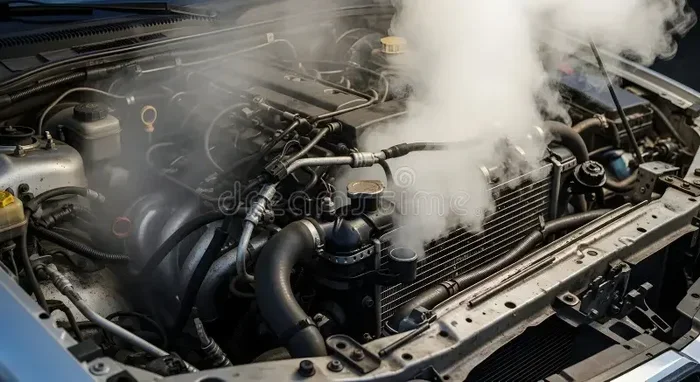
Knowing the signs your engine is overheating can save you from costly repairs and dangerous breakdowns. From a rising temperature gauge to steam billowing from the hood, your vehicle gives you clear warnings before a major failure. This guide walks you through every overheating symptom, what causes them, and exactly what steps to take to protect your car and your safety.
Your car’s engine generates an incredible amount of heat while running. A healthy cooling system keeps everything in check. But when something goes wrong, the temperature can spiral out of control fast. Recognizing the signs your engine is overheating early can make the difference between a simple fix and a total engine replacement.
Every driver should know what to look for. Whether you are stuck in traffic on a hot day or cruising down the highway, your vehicle will tell you when something is wrong. The key is paying attention before the problem gets worse. In this guide, we break down every warning sign, explain what causes overheating, and give you clear steps to take when your engine starts running too hot.
Let us be direct. Overheating is not something you should ignore. Even a few minutes of driving with an overheated engine can cause serious and expensive damage. By the end of this article, you will know exactly how to spot the danger signs and respond the right way every single time.
Key Takeaways
- Temperature gauge spikes are the #1 early warning sign that your engine is running too hot and needs immediate attention.
- Steam or smoke from under the hood signals a serious coolant leak or radiator failure that requires pulling over right away.
- Ignoring overheating symptoms can cause permanent engine damage including warped head gaskets and cracked engine blocks.
- Common causes include low coolant, broken thermostats, and radiator fan failures that are often easy and affordable to fix.
- Immediate action steps like turning on the heater and pulling over safely can prevent minor issues from becoming major disasters.
- Regular maintenance and coolant checks are the best ways to stop overheating before it starts.
📑 Table of Contents
- 1. The Temperature Gauge Spike
- 2. Steam or Smoke Coming From the Hood
- 3. Unusual Smells From the Engine Bay
- 4. Strange Sounds Coming From the Engine
- 5. Loss of Power and Poor Performance
- 6. Visible Coolant Leaks and Low Fluid Levels
- 7. What Causes Engines to Overheat
- 8. Immediate Steps When Your Engine Overheats
- 9. Preventing Overheating Before It Starts
- 10. When to See a Professional Mechanic
- Conclusion
1. The Temperature Gauge Spike
Your dashboard temperature gauge is your engine’s first line of communication. When the needle starts climbing past the normal range and moves toward the red zone, that is a clear signal. Most cars show a normal range in the middle of the gauge. When the needle shifts upward, your engine temperature is rising beyond safe levels.
Why the Gauge Moves
The gauge reads the coolant temperature circulating through your engine. When the coolant is doing its job, the needle stays steady. But if the coolant level drops, the thermostat sticks, or the radiator fails, the needle will climb. A slow rise might mean a minor issue. A fast spike means pull over immediately.
Do not wait and hope the needle comes back down on its own. A rising gauge is your car begging you for help. Take it seriously every time.
2. Steam or Smoke Coming From the Hood
Nothing grabs your attention faster than steam billowing out from under your hood. This is one of the most obvious overheating symptoms you will ever see. Steam usually means your coolant leak has reached a hot engine surface. The coolant hits the heat and turns to vapor instantly.
Steam vs. Smoke: What Is the Difference
Steam is typically white and has a sweet smell. It comes from coolant boiling off. Smoke can be different colors. Blue smoke often means oil is burning. Black smoke suggests fuel problems. Both can accompany overheating but point to different root causes.
If you see steam, do not open the hood right away. Hot coolant can cause severe burns. Pull over, turn off the engine, and wait at least fifteen minutes before checking anything. Your cooling system needs time to depressurize before you safely inspect it.
3. Unusual Smells From the Engine Bay
Your nose can detect overheating problems before the gauge even moves. Different smells signal different issues inside the engine bay. A sweet, syrupy odor usually means coolant is leaking and getting hot. A burning or rubbery smell often points to a belt melting or electrical components overheating.
Some drivers also notice a hot, metallic smell. This can mean engine oil is breaking down from extreme heat. Oil loses its lubricating properties when it overheats, which creates even more friction and heat. It is a dangerous cycle that escalates quickly.
Learn to Trust Your Senses
When you smell something unusual while driving, do not dismiss it. Your car is trying to communicate. Combined with a rising temperature gauge, strange smells are a strong indicator that your vehicle overheating is underway. Get to a safe location and investigate.
4. Strange Sounds Coming From the Engine
An overheating engine often makes noise. A knocking or pinging sound from the engine block is a serious warning. This happens when the fuel-air mixture ignites unevenly due to excessive heat. It is called detonation, and it can damage pistons, connecting rods, and bearings if you keep driving.
Cooling Fan and Water Pump Noises
Listen for a grinding or squealing noise near the front of the engine. This could mean the radiator fan is failing or the water pump belt is slipping. The water pump circulates coolant through the engine. If it stops working, heat builds up fast. A loud whirring or clicking sound from that area is never a good sign.
Some drivers hear a gurgling or bubbling noise from the dashboard or under the hood. This usually means air is trapped in the cooling system. Air pockets prevent proper coolant flow, which leads to hot spots inside the engine.
5. Loss of Power and Poor Performance
When an engine runs too hot, it does not perform well. You might notice sluggish acceleration, hesitation when pressing the gas pedal, or a general lack of power. This happens because the engine control unit (ECU) tries to protect the engine by reducing power output when temperatures climb too high.
Modern vehicles have built-in limp mode for exactly this reason. If your car feels weak or unresponsive, check the temperature gauge. A hot engine simply cannot burn fuel efficiently. You will feel the difference in how the car responds, especially when climbing hills or carrying heavy loads.
Check Your Coolant Level
Low coolant is one of the most common reasons for power loss during overheating. The engine cannot dissipate heat without enough coolant flowing through it. A quick check of the coolant reservoir tank can tell you a lot. If the level is low, top it off with the correct type of coolant for your vehicle.
6. Visible Coolant Leaks and Low Fluid Levels
Finding a puddle of colorful liquid under your parked car is a clear sign of a coolant leak. Coolant comes in bright green, orange, pink, or blue colors depending on the type. It has a slightly slippery feel and a sweet smell. If you see this under your car, your cooling system is losing fluid and your engine is at risk.
Where Leaks Typically Occur
Common leak points include the radiator hoses, water pump gasket, radiator cap, and heater core. Even a small crack in a hose can cause a significant fluid loss over time. The thermostat housing and intake manifold gaskets are also common failure points that lead to coolant escaping the system.
Check your coolant reservoir regularly. If the level drops frequently, you have a leak somewhere. Do not just keep topping it off and ignore the problem. Find the source and fix it. A small repair today prevents a blown engine tomorrow.
7. What Causes Engines to Overheat
Understanding the root causes helps you prevent overheating before it starts. Several components work together to keep your engine at the right engine temperature. When any one of them fails, the whole system suffers.
Low or Dirty Coolant
Coolant is the lifeblood of your cooling system. It absorbs heat from the engine and carries it to the radiator where it releases that heat into the air. When coolant levels drop or the fluid becomes dirty and contaminated, it cannot do its job. Old coolant loses its chemical properties and becomes less effective at transferring heat.
Thermostat Failure
The thermostat regulates coolant flow based on engine temperature. When the engine is cold, the thermostat stays closed to help warm up quickly. When the engine reaches operating temperature, it opens to allow coolant circulation. A stuck thermostat that remains closed prevents coolant from flowing, causing rapid overheating.
Radiator Fan Malfunction
The radiator fan pulls air through the radiator to cool the coolant when the car is moving slowly or idling. If the fan motor fails or the fan relay goes bad, the coolant cannot cool down properly. This is especially common in stop-and-go traffic during hot weather. You might notice overheating only when you are stuck in traffic, not at highway speeds.
Water Pump Problems
The water pump is responsible for circulating coolant through the engine block, hoses, and radiator. A worn water pump impeller or a leaking seal stops the flow entirely. Without circulation, heat builds up in the engine with nowhere to go. Water pump failures are a common cause of sudden overheating on the road.
Head Gasket Failure
A blown head gasket is one of the most serious overheating consequences and also a cause. The gasket seals the cylinder head to the engine block. When it fails, coolant can leak into the combustion chambers or oil passages. This creates a cascading effect where the engine overheats, the gasket fails further, and the damage spreads.
8. Immediate Steps When Your Engine Overheats
Finding yourself in an overheating situation on the road can be stressful. Staying calm and following the right steps is critical. Here is exactly what you should do when the signs your engine is overheating become obvious.
- Turn on the cabin heater. This sounds counterintuitive, but it helps pull heat away from the engine. Set the fan to maximum and the temperature to hot. It gives the cooling system an extra route to release heat.
- Pull over safely as soon as possible. Find a flat, shaded area away from traffic. Turn off the engine and let the car rest. Do not keep driving even a short distance with an overheating engine.
- Do not open the radiator cap immediately. The system is under high pressure. Opening it too soon can cause hot coolant to spray out and cause serious burns. Wait at least fifteen to twenty minutes.
- Check the coolant level once the engine cools. Use a towel or rag to slowly twist the radiator cap counterclockwise. Release pressure gradually. If the coolant is low, add a 50/50 mix of coolant and water if you have it available.
- Call for roadside assistance if needed. If you cannot identify the problem or the overheating persists, do not keep trying to drive. A tow truck is always a better option than a totaled engine.
Quick Tips for Hot Weather Driving
- Monitor your temperature gauge constantly during summer drives.
- Keep an extra gallon of coolant in your trunk during hot months.
- Avoid heavy braking, which generates extra heat in the engine and brakes.
- Plan rest stops on long trips to let the engine cool down naturally.
- Make sure your radiator fan kicks on when the engine is idling in traffic.
9. Preventing Overheating Before It Starts
The best way to deal with an overheating engine is to stop it from happening in the first place. Preventive maintenance is simple, affordable, and saves you from major headaches down the road.
Regular Coolant Flushes and Replacements
Follow your vehicle manufacturer’s recommended schedule for coolant flushes. Old coolant loses its effectiveness over time. Fresh coolant keeps the cooling system working at peak performance. Most manufacturers recommend a flush every 30,000 to 50,000 miles, but check your owner’s manual for the exact interval.
Inspect Hoses and Belts Regularly
Look under the hood for cracked, swollen, or soft radiator hoses. Squeeze them gently. They should feel firm but flexible. Replace any hose that feels brittle or spongy. Check the drive belt that powers the water pump for signs of wear, cracking, or glazing. A belt that slips reduces water pump efficiency and can lead to overheating.
Keep the Radiator Clean
Debris like leaves, bugs, and dirt can block airflow through the radiator fins. Use a soft brush or compressed air to clean the radiator grille regularly. Good airflow is essential for proper cooling, especially in hot weather or when towing heavy loads.
Watch for Warning Signs Daily
Make it a habit to glance at your temperature gauge every time you start the car. A quick check takes two seconds and can catch problems early. If you notice any overheating symptoms like a slight rise in temperature on hot days, have the cooling system inspected before it becomes a bigger problem.
10. When to See a Professional Mechanic
Some overheating issues are simple enough to handle at home. Topping off coolant, replacing a radiator hose, or swapping a thermostat are DIY-friendly repairs for most car owners. But certain situations demand professional attention.
If your engine overheats repeatedly even after adding coolant, there is an underlying problem you cannot see. A mechanic can perform a pressure test on the cooling system to find hidden leaks. They can also check the water pump, radiator cap, and thermostat for proper operation using specialized tools.
Any sign of a head gasket issue, such as white exhaust smoke, milky oil, or coolant loss without visible leaks, requires immediate professional diagnosis. A blown head gasket repair is expensive, but driving with a failed gasket will destroy the engine entirely. The cost of a repair is always far less than the cost of a new engine.
Also seek professional help if your temperature gauge reads normal but you still feel engine overheating symptoms like power loss or strange smells. A faulty temperature sensor can give false readings, and a mechanic can diagnose the real issue with diagnostic equipment.
Do not gamble with your engine. When in doubt, get a professional inspection. A few dollars for a diagnostic check can save you thousands in engine repair costs.
Conclusion
Your engine gives you plenty of warning before it reaches a critical point. The signs your engine is overheating are clear if you know what to look for. A rising temperature gauge, steam from the hood, unusual smells, strange sounds, and loss of power are all signals that demand immediate attention. Understanding these signs and knowing what to do can protect your vehicle and keep you safe on the road.
Prevention is always better than repair. Regular coolant checks, hose inspections, and radiator maintenance go a long way toward keeping your engine running cool and smooth. Stay proactive, stay alert, and never ignore the warnings your car gives you. A few minutes of attention today can save you from a major breakdown tomorrow.
Take care of your cooling system, and it will take care of your engine. The road ahead is much smoother when your engine temperature stays right where it should be.
Frequently Asked Questions
How quickly can an overheating engine cause damage?
Even just a few minutes of driving with an overheated engine can cause serious damage. Warped cylinder heads, blown head gaskets, and cracked engine blocks can occur rapidly when temperatures exceed safe limits. If your gauge spikes, pull over immediately and turn off the engine to prevent costly repairs.
Can low oil cause an engine to overheat?
Yes, low oil contributes to overheating because engine oil helps lubricate moving parts and absorb heat. When oil levels drop, friction increases and heat builds up faster than the cooling system can handle. Always check your oil level regularly along with your coolant to keep the engine running safely.
Is it safe to drive with the heater on full blast to cool an overheating engine?
Yes, turning the heater to maximum is a safe and effective short-term strategy. It pulls excess heat from the engine into the cabin. However, this is only a temporary fix to buy you time to pull over safely. It does not replace proper cooling system maintenance or repairs.
How much does it cost to fix an overheating engine?
Costs vary widely depending on the cause. A simple coolant flush or thermostat replacement might cost between $100 and $300. A water pump repair can range from $300 to $750. A head gasket replacement is significantly more expensive, often costing $1,000 to $2,500 or more depending on the vehicle.
What should I do if my engine overheats on the highway?
Turn on the cabin heater to maximum, signal safely, and pull off the highway as soon as possible. Turn off the engine and wait at least fifteen minutes before opening the hood. Do not attempt to drive to a nearby exit if the temperature gauge is in the red zone. Call for roadside assistance if needed.
How often should I check my coolant level?
Check your coolant level at least once a month and before any long road trips. Always check it when the engine is cool to avoid burns. If you find yourself needing to add coolant frequently, there is likely a leak in the system that a mechanic should inspect and repair promptly.
=== INTERNAL LINKS ===
If you want to learn more about vehicle safety and maintenance, check out our guide on when sitting in a chair it is important to for tips on proper positioning and comfort during long drives. You may also find our article on what is ergonomic chair helpful for understanding how proper seating supports alertness and safety behind the wheel. For additional vehicle care insights, explore our piece on what is the average cost of a chair lift to understand vehicle lift costs and maintenance considerations.

Similar Posts































