Senior Convocation Tips Every Grad Needs to Know Today
Recipe Developer & Kitchen Guide Writer at Choose Vacuum · Certified Home Economist, ServSafe Food Handler · 8+ years developing home recipes and testing everyday kitchen techniques
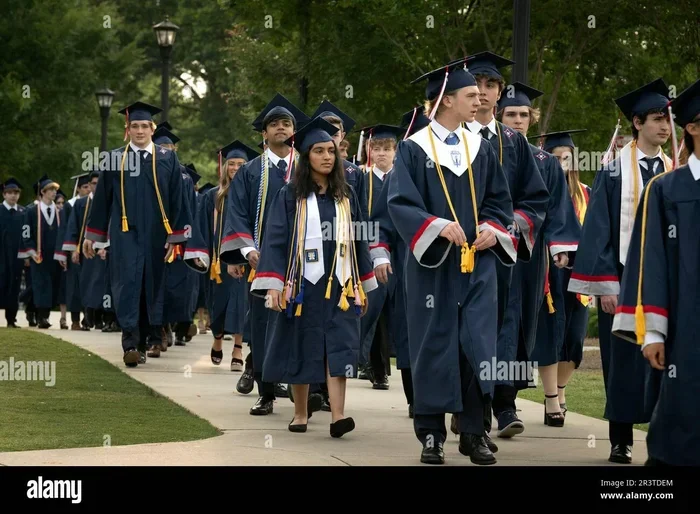
Senior convocation is one of the most important milestones in your academic journey. This guide covers everything you need to know, from preparation and what to wear to navigating the ceremony with confidence. You will learn practical tips, avoid common mistakes, and create lasting memories on your big day.
Senior convocation marks a huge moment in every student’s life. It is the day you step across the stage and claim your diploma. But let us be honest. The experience can feel overwhelming if you do not know what to expect. This guide walks you through everything you need to handle your senior convocation with ease and confidence.
You have worked hard for years. Now it is time to celebrate. Whether this is your first convocation or you are helping a younger sibling prepare, the tips here will make a real difference. Let us dive into what makes senior convocation day special and how you can get the most out of it.
Key Takeaways
- Start Early: Begin preparing for your senior convocation weeks in advance to avoid last-minute stress.
- Know the Dress Code: Understanding academic regalia and cap-and-gown rules keeps you looking sharp.
- Rehearse the Processional: Practicing the stage walk and seating plan ensures a smooth ceremony.
- Capture the Moment: Plan family photos and celebrate with loved ones after the event.
- Avoid Common Pitfalls: Skip the mistakes that trip up first-time graduates every year.
📑 Table of Contents
- What Is Senior Convocation and Why Does It Matter?
- How to Prepare for Your Senior Convocation Day
- What to Wear and Bring to Convocation
- Navigating the Ceremony Like a Pro
- Making the Most of Your Convocation Memories
- Common Mistakes to Avoid at Senior Convocation
- Expert Insights: Making Senior Convocation Truly Special
What Is Senior Convocation and Why Does It Matter?
Senior convocation is a formal academic ceremony where graduates receive their diplomas. It is different from commencement in some schools, though many people use the terms interchangeably. Convocation usually focuses on the individual school or college, while commencement may cover the entire university.
Why does it matter so much? For starters, it is the official recognition of your hard work. Walking across that stage in your cap and gown is a powerful moment. Family members, friends, and faculty all witness your achievement. It is a day filled with pride, emotion, and celebration.
Beyond the emotional value, senior convocation has practical importance. Your diploma is conferred during the ceremony. Many employers and graduate schools look for proof of completion. The event also connects you to a network of alumni and faculty who share your journey.
Understanding the significance helps you approach the day with the right mindset. You are not just attending an event. You are stepping into a new chapter of your life. Treating it with respect and preparation makes the experience even more meaningful.
The Difference Between Convocation and Commencement
Some schools hold separate convocation and commencement events. Convocation often happens at the college or department level. Commencement is usually a larger university-wide gathering. Both celebrate graduation, but the scale and focus differ.
At convocation, you may receive your diploma or a candidate card. The atmosphere feels more personal. You might see your professors and department chair up close. Commencement, on the other hand, involves a massive venue and a keynote speaker.
Check with your school to understand which events apply to you. Some students attend both. Others only participate in one. Knowing the difference helps you plan your schedule and expectations.
How to Prepare for Your Senior Convocation Day
Preparation is the key to a stress-free convocation experience. Starting early gives you time to handle every detail without rushing. Here is a step-by-step guide to get you ready.
Step 1: Review the Program Order. Your school will send a ceremony schedule. Read it carefully. Note the time, venue, and processional order. Mark any deadlines for ticket requests or gown fittings.
Step 2: Attend the Rehearsal. Most schools hold a convocation rehearsal a day or two before the event. This is not optional. The rehearsal teaches you where to stand, when to walk, and how to line up. Skipping it can lead to confusion on the big day.
Step 3: Confirm Your Gown and Regalia. Make sure your cap and gown fit properly. Check that your tassel, hood, and honor cords are correct. Honor cords often indicate academic achievements or membership in organizations. Get these sorted well in advance.
Step 4: Arrange Family Tickets and Seating. Convocation venues have limited seating. Many schools allocate tickets to graduates for their guests. Request tickets early and communicate seating plans with your family.
Step 5: Plan Your Travel and Parking. Arrive early on convocation day. Traffic and parking can be challenging, especially at large venues. Map out your route the night before and give yourself extra time.
Building a Convocation Preparation Timeline
Creating a timeline keeps you organized. Start four weeks before the event. Begin with gown fittings and ticket requests. Two weeks out, confirm your family’s travel plans. One week before, attend the rehearsal and pack your essentials. The night before, lay out your outfit and get a good night’s sleep.
A timeline reduces anxiety. It also ensures you do not forget anything important. Small tasks like charging your phone or packing a snack can slip your mind without a plan.
What to Wear and Bring to Convocation
Knowing what to wear and bring makes a big difference. You want to look great and feel comfortable while following the dress code.
Academic Regalia Basics. The standard convocation outfit includes a cap, gown, hood, and tassel. The gown is usually black. The hood shows your field of study through its lining colors. The tassel starts on the right and moves to the left after you receive your diploma.
Underneath the Gown. Wear something simple and comfortable. Many graduates choose solid-colored clothing that does not distract from the academic regalia. Avoid overly casual outfits. You are attending a formal ceremony.
Footwear Matters. You will be standing and walking for a while. Choose comfortable shoes. Some graduates wear dress shoes they can walk in easily. Others prefer flats or low-heeled options. Avoid brand-new shoes that might hurt your feet.
What to Bring. Pack a small bag with essentials. Bring your diploma cover if required. Carry your phone, a small water bottle, and any medications you need. Some graduates bring a keepsake or a small gift for family members waiting in the audience.
Quick Tips for Convocation Attire
- Iron or steam your gown the night before.
- Wear breathable fabrics, especially for indoor ceremonies.
- Remove all gum before walking across the stage.
- Secure your tassel with a small pin if needed.
- Keep jewelry minimal to avoid distractions during the ceremony.
Navigating the Ceremony Like a Pro
The ceremony itself follows a specific structure. Understanding the flow helps you stay calm and enjoy every moment.
The Processional. Faculty and graduates enter the venue in a formal procession. The faculty processional usually leads, followed by graduates by school or college. Your convocation program will list the order. Listen for announcements and follow the marshals or student leaders.
The Ceremony. The event includes welcome remarks, a commencement speech or keynote address, and the conferral of degrees. The keynote speaker is often a notable figure. Their commencement speech can be inspiring or humorous. Pay attention, but also enjoy the moment.
The Stage Walk. This is the highlight for most graduates. When your name is called, walk steadily to the stage. Pause at the podium. Shake hands with the presenter. Receive your diploma or candidate card. Smile for the camera. Then walk back to your seat.
The Recessional. After all degrees are conferred, graduates exit in reverse order. Follow the crowd and stay with your group. The recessional is a great time to find your family and share your excitement.
Tips for a Smooth Stage Walk
- Walk at a steady pace. Do not rush.
- Look up and smile when you reach the stage.
- Practice your stage walk during the rehearsal.
- Hold your diploma cover correctly if required.
- Remember that everyone is cheering for you.
Making the Most of Your Convocation Memories
Senior convocation creates memories you will cherish forever. A little planning helps you capture the moments that matter.
Family Photos. Arrange photo spots before and after the ceremony. Many graduates change out of their gowns for family portraits. Scout the venue ahead of time to find good backdrops. Assign a family member or friend as the unofficial photographer.
Celebrate with Loved Ones. After the ceremony, plan a celebration. Some families host a brunch or dinner. Others organize a small gathering at home. The celebration does not need to be elaborate. What matters is sharing your joy with the people who supported you.
Keep Your Regalia. Your cap and gown hold sentimental value. Many graduates keep their academic regalia as a keepsake. Some schools offer diploma frames or display cases. Consider preserving your hood and tassel alongside your diploma.
Share the Moment. Post photos and updates on social media if you want. Tag your school and use the convocation hashtag. Share the news with friends who could not attend. Your achievement inspires others in your community.
Creating Lasting Memories Beyond the Day
Think beyond the ceremony itself. Write a letter to your future self on graduation day. Record a short video message to share with friends. Collect signatures or notes from professors and mentors. These small gestures add depth to your convocation experience.
The memories you build during senior convocation stay with you for a lifetime. Take a moment to soak it all in. Breathe. Look around. This day belongs to you.
Common Mistakes to Avoid at Senior Convocation
Even with the best preparation, some mistakes happen every year. Knowing what to avoid saves you stress and embarrassment.
Wearing the Wrong Tassel Side. The tassel starts on the right before the degree is conferred. Move it to the left only after you receive your diploma. Getting this wrong is one of the most common convocation blunders.
Forgetting to Eat. Ceremonies can run long. Some graduates skip breakfast or lunch and feel weak or lightheaded. Eat a balanced meal before the event and pack a small snack.
Not Arriving Early. Late arrivals cause unnecessary stress. You might miss the processional or lose your seating. Aim to arrive at least an hour before the start time.
Ignoring the Rehearsal. The rehearsal exists for a reason. Skipping it means you will not know where to go or when to move. It is one of the most avoidable mistakes graduates make.
Overpacking or Underpacking. Bringing too many items creates clutter. Bringing too few means you forget essentials. Stick to a small bag with only what you need.
Quick Mistakes Checklist
- Did you move your tassel to the left?
- Did you eat before the ceremony?
- Did you arrive on time?
- Did you attend the rehearsal?
- Did you charge your phone?
- Did you confirm your gown fit?
Expert Insights: Making Senior Convocation Truly Special
We spoke with several recent graduates and event organizers about what makes senior convocation memorable. Their insights offer valuable perspective.
One graduate shared that the faculty processional moved her deeply. Seeing professors walk in with such pride reminded her why she pursued her degree. Another graduate emphasized the importance of staying present. So many people focus on taking photos that they forget to live the moment.
Event organizers recommend arriving early and staying flexible. Ceremonies sometimes run longer than expected. Weather, technical issues, or speaker changes can affect the schedule. Building buffer time into your plans helps you stay relaxed.
The most consistent advice from experienced graduates is simple: enjoy it. Senior convocation happens once. Take it all in. The nerves, the joy, the tears, and the laughter all blend into a memory you will carry forever.
Final Thoughts on Your Senior Convocation
Senior convocation is more than a ceremony. It is a celebration of your dedication, growth, and achievement. Every detail matters, from the preparation to the stage walk to the celebration afterward. By following the tips in this guide, you set yourself up for a smooth and meaningful experience.
Remember to breathe, stay organized, and enjoy every second. The day goes by fast. Make every moment count. Congratulations on reaching this milestone. Your senior convocation is the perfect start to everything that comes next.
Frequently Asked Questions
What is the difference between senior convocation and graduation?
Senior convocation is a formal ceremony where degrees are conferred, often at the college or department level. Graduation is a broader term that can refer to the entire process of completing a degree. Some schools hold both events, while others combine them into one ceremony.
Do I need to wear a cap and gown to senior convocation?
Yes, academic regalia is standard for most convocation ceremonies. Your school will provide the cap, gown, hood, and tassel. Make sure everything fits properly and follows the dress code guidelines provided by your institution.
How early should I arrive at the convocation venue?
Arrive at least 60 to 90 minutes before the ceremony starts. This gives you time to find seating, check your tassel, and settle in. Arriving early also helps you avoid the stress of rushing or missing the processional.
Can I bring guests to my senior convocation?
Most schools allow guests but require tickets or registration. The number of tickets varies by institution. Check with your convocation coordinator early to request enough tickets for family and friends.
What should I do with my tassel during the ceremony?
Keep the tassel on the right side before you receive your diploma. After you are officially conferred your degree, move the tassel to the left. This small tradition is a key part of the senior convocation experience.
How can I take great photos at my convocation?
Plan photo spots in advance. Ask a friend or family member to take candid shots during the ceremony. Use the venue’s architecture or landscaping as a backdrop. Consider hiring a professional photographer for formal portraits before or after the event.
=== CONCLUSION ===
Senior convocation is a day you will remember forever. It represents years of hard work, sacrifice, and growth. With the right preparation, you can walk into the ceremony feeling confident and ready.
From understanding what senior convocation means to mastering the stage walk and avoiding common mistakes, every tip in this guide serves you well. Plan ahead, dress appropriately, and stay present in the moment. Capture the memories and celebrate with the people who matter most.
Your diploma is waiting on that stage. Everything you have worked for leads to this day. Embrace it fully. Enjoy every second of your senior convocation. You have earned it.

Similar Posts