Senior Community Care of Michigan What You Should Know
Recipe Developer & Kitchen Guide Writer at Choose Vacuum · Certified Home Economist, ServSafe Food Handler · 8+ years developing home recipes and testing everyday kitchen techniques
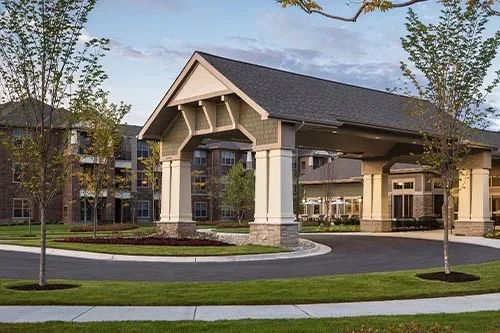
Senior community care of Michigan offers vital support for older adults across the state. From health services to social activities, these programs help seniors stay active, safe, and connected. This guide covers everything you need to know about choosing the right care option in Michigan.
Senior community care of Michigan is a broad term that covers many services designed to help older adults live safely and comfortably. Whether your parent needs a little help with daily tasks or full-time medical support, Michigan has options to fit different needs and budgets. This guide breaks down everything you should know about finding, choosing, and paying for senior care in the Great Lakes State.
As our population ages, the demand for elderly care Michigan continues to grow. Families want to make sure their loved ones receive quality support without feeling isolated or overlooked. The good news is that Michigan offers a wide range of senior living communities and care programs. Understanding these options early can save you time, money, and stress when decisions need to be made quickly.
Key Takeaways
- Michigan offers diverse senior community care options including in-home services, adult day programs, and residential communities.
- Eligibility for Michigan senior care programs depends on income, health needs, and age requirements.
- Funding sources like Medicaid, Medicare, and state grants help cover care costs for seniors.
- Choosing the right facility or service requires visiting locations, checking licenses, and asking the right questions.
- Senior community care improves quality of life through social engagement, health monitoring, and daily support.
📑 Table of Contents
- What Is Senior Community Care?
- Why Senior Community Care Matters in Michigan
- How to Choose the Right Senior Care Option
- Costs and Funding for Senior Care in Michigan
- What to Look for in a Quality Senior Community
- Common Mistakes Families Make When Choosing Senior Care
- Final Thoughts on Senior Community Care of Michigan
What Is Senior Community Care?
Senior community care refers to a network of services and facilities that support older adults in their daily lives. These services go beyond medical treatment. They focus on helping seniors maintain independence while staying safe and socially connected. In Michigan, community care can look very different depending on where you live and what level of support is needed.
Some seniors need just a few hours of help each week. Others require round-the-clock supervision and medical attention. Community care programs are designed to bridge the gap between living fully independently and needing constant professional care. The goal is always the same: helping older adults enjoy a high quality of life in a setting that feels like home.
Types of Senior Community Care Services
Michigan offers several categories of senior care. Each type serves a different level of need. Here is a quick look at the most common options:
- In-Home Care: A caregiver visits the senior’s residence to help with bathing, cooking, cleaning, and medication reminders.
- Adult Day Programs: Seniors spend part of the day at a community center where they join activities, receive meals, and get health screenings.
- Assisted Living Facilities: These residential communities provide housing, meals, and personal care support in a shared or private setting.
- Nursing Homes: For seniors with serious health conditions, nursing homes offer 24/7 medical care and rehabilitation services.
- Continuing Care Retirement Communities (CCRCs): These campuses offer multiple levels of care on one site, so seniors can stay as their needs change.
Each option has its own benefits. The right choice depends on the senior’s health, budget, and personal preferences. Families should visit multiple facilities and ask detailed questions before making a decision.
Why Senior Community Care Matters in Michigan
Michigan has a large aging population. According to recent data, more than 17 percent of Michigan residents are over the age of 65. This means the need for Michigan elder care services is growing every year. Without proper support, many seniors face isolation, health decline, and safety risks in their own homes.
Community care programs address these challenges head-on. They provide structured social activities that fight loneliness. They offer nutritious meals that support physical health. And they create safe environments where staff can monitor well-being on a daily basis. For families who cannot provide full-time care, these programs are often the best solution.
Another important reason community care matters is preventive health. Regular check-ins, medication management, and early detection of health problems can prevent hospital stays. This not only improves the senior’s life but also reduces the financial burden on families and the healthcare system.
How to Choose the Right Senior Care Option
Finding the right care setting takes research and patience. No two seniors have the same needs, so a one-size-fits-all approach does not work. Here are the steps families should follow when evaluating senior care options Michigan.
Step 1: Assess the Senior’s Needs
Start by understanding what kind of help the senior actually needs. Do they need help with mobility? Can they still cook their own meals? Do they need regular medical monitoring? Make a list of daily tasks and note which ones the senior struggles with. This assessment will guide your search and help you narrow down the right type of care.
Step 2: Set a Budget
Care costs vary widely across Michigan. In-home care might cost $25 to $35 per hour. Assisted living facilities often run between $3,500 and $5,500 per month. Nursing homes can exceed $8,000 monthly. Understanding what you can afford before you start touring facilities saves time and disappointment. Also check whether long-term care insurance or veterans benefits can help cover expenses.
Step 3: Research and Visit Facilities
Once you know the type of care and budget, start researching facilities in your area. Look for licensed providers with good reviews. Schedule tours and visit during different times of day. Notice how staff interact with residents. Ask about staff-to-resident ratios, activities programs, and meal options. Trust your instincts. If a place does not feel right, keep looking.
Step 4: Check for Special Features
Some Michigan communities offer specialized programs for conditions like Alzheimer’s or Parkinson’s disease. Others focus on active lifestyles with fitness classes and travel programs. Think about what matters most to the senior. If they love art, look for a facility with strong creative programming. If they need wheelchair accessibility, check the wheelchair width standards and whether the facility’s doorways and hallways can accommodate different mobility aids comfortably.
Costs and Funding for Senior Care in Michigan
Paying for senior care is one of the biggest concerns families face. The good news is that Michigan offers several funding sources to help manage costs. Understanding these options early in the process can make a significant difference.
Medicaid is the most common payer for long-term care in Michigan. It covers nursing home care and some in-home services for eligible low-income seniors. Medicare helps with short-term skilled nursing stays and certain medical services but does not cover long-term custodial care. Veterans may qualify for benefits through the Department of Veterans Affairs, which can help offset the cost of assisted living or nursing home care.
State programs like the Michigan Home and Community-Based Services (HCBS) waiver allow seniors to receive care in their own homes or communities instead of institutions. This program is designed to keep seniors in familiar settings while still providing the support they need. Many counties also offer local assistance programs that can supplement federal and state funding.
| Funding Source | What It Covers | Eligibility |
|---|---|---|
| Medicaid | Nursing home, some in-home care | Low-income seniors, asset limits apply |
| Medicare | Short-term skilled care, medical services | Age 65+, certain disabilities |
| Veterans Affairs | Assisted living, nursing home, home care | Veterans and surviving spouses |
| Michigan HCBS Waiver | Home and community-based services | Medicaid-eligible, assessed care needs |
| Long-Term Care Insurance | Varies by policy | Policyholder with active coverage |
Families should also explore charitable organizations and local nonprofits that offer grants or sliding-scale fees for senior care. Every little bit of help adds up when managing long-term expenses.
What to Look for in a Quality Senior Community
Not all senior care facilities are created equal. Some stand out for their excellent care, welcoming atmosphere, and strong reputation. When evaluating a Michigan senior living community, pay attention to these key factors.
Staff Qualifications and Attitude
The staff makes all the difference. Look for facilities where caregivers are trained, compassionate, and well-treated by management. High staff turnover is a red flag. It often means the workplace culture is poor, which directly affects the quality of care residents receive.
Cleanliness and Safety
During your visit, notice the overall cleanliness of the facility. Check that handrails are secure in bathrooms and hallways. Look at the condition of furniture and common areas. If you notice a worn-out chair that needs repair, it might be a sign that the facility does not invest enough in maintenance. You can learn more about proper chair seat repair and upkeep to understand what good maintenance looks like in a care setting.
Social and Recreational Activities
A great senior community offers more than just meals and medical care. Look for a calendar full of activities that cater to different interests. Book clubs, exercise classes, music sessions, and craft workshops all help residents stay engaged and mentally sharp. Social connection is one of the strongest predictors of senior well-being.
Nutrition and Meal Quality
Meals are a daily highlight for most seniors. Ask to see a sample menu and find out how dietary needs are handled. Good facilities offer options for special diets, including diabetic-friendly, low-sodium, and texture-modified meals for residents with swallowing difficulties.
Common Mistakes Families Make When Choosing Senior Care
Avoiding common pitfalls can save families from making costly and stressful mistakes. Here are the errors to watch out for:
- Waiting too long to start the search. The best facilities have waiting lists. Starting early gives you more choices and time to compare options.
- Not visiting in person. Online reviews are helpful, but they do not replace a real visit. Go see the facility, taste the food, and talk to the staff.
- Ignoring the senior’s preferences. The person receiving care should have a say in the decision. Ignoring their input can lead to unhappiness and resistance to care.
- Overlooking hidden costs. Ask about additional fees for services like transportation, activities, and personal care items. The base price is rarely the final price.
- Skipping the contract review. Read every line of the care agreement before signing. Understand what is included, what costs extra, and what the cancellation policy is.
Final Thoughts on Senior Community Care of Michigan
Choosing the right care for a senior loved one is one of the most important decisions a family will make. Senior community care of Michigan provides a wide range of options that can meet different needs, budgets, and lifestyle preferences. The key is to start early, do thorough research, and involve the senior in every step of the process.
Whether you are looking for a few hours of weekly in-home help or a full-time residential community, Michigan has resources to support you. Take the time to visit facilities, ask tough questions, and compare costs. The effort you put in now will pay off in peace of mind and better care for your loved one.
Remember that quality senior care is not just about medical services. It is about dignity, connection, and joy. The best communities understand this and build their programs around the whole person. When you find the right fit, you will see the difference in your loved one’s happiness and well-being every single day.
Frequently Asked Questions
What does senior community care of Michigan include?
Senior community care in Michigan includes in-home assistance, adult day programs, assisted living facilities, nursing homes, and continuing care retirement communities. Each option provides different levels of support, from help with daily tasks to full-time medical care and rehabilitation services.
How much does senior care cost in Michigan?
Costs vary widely depending on the type of care. In-home care typically costs $25 to $35 per hour, while assisted living facilities range from $3,500 to $5,500 per month. Nursing homes can cost over $8,000 monthly. Many families use a combination of Medicaid, Medicare, veterans benefits, and private pay to cover expenses.
Does Medicaid cover senior care in Michigan?
Yes, Medicaid covers nursing home care and some in-home and community-based services for eligible low-income seniors in Michigan. The Home and Community-Based Services waiver program is a particularly valuable option that allows seniors to receive care in their own homes or communities rather than in institutional settings.
How do I know which type of senior care is right for my loved one?
Start by assessing your loved one’s daily needs, health conditions, and personal preferences. If they need minimal help, in-home care or adult day programs may work well. For more intensive support, assisted living or nursing homes might be necessary. Consulting with a geriatric care manager can also provide professional guidance tailored to your situation.
Can seniors visit a facility before committing to move in?
Absolutely. Most senior care facilities in Michigan encourage prospective residents and their families to visit multiple times. You can schedule a tour, have a meal, attend an activity, and spend time talking with staff and current residents. This hands-on experience is the best way to determine if a community is the right fit.
What should I look for when touring a senior care facility?
Pay attention to staff friendliness and qualifications, cleanliness, safety features, activity programs, and meal quality. Notice how residents interact with staff and each other. Ask about staff turnover rates, emergency procedures, and any additional fees. Trust your instincts and do not rush the decision.

Similar Posts































