Search for Tires by Vin
Recipe Developer & Kitchen Guide Writer at Choose Vacuum · Certified Home Economist, ServSafe Food Handler · 8+ years developing home recipes and testing everyday kitchen techniques
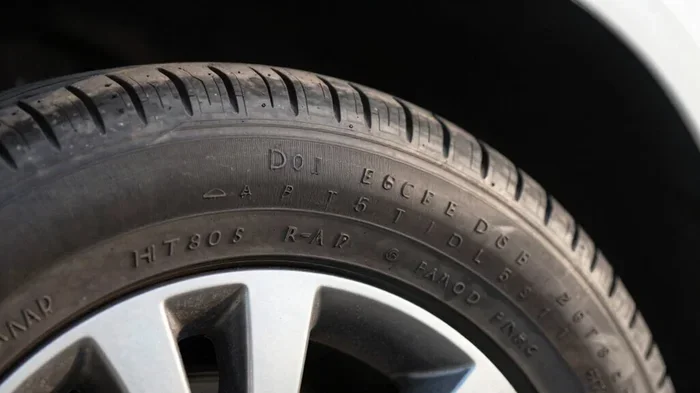
Searching for tires by VIN is the fastest and most accurate way to find the exact tires your vehicle needs. Your VIN contains all the factory tire specifications, including size, load rating, and speed index. This guide walks you through every method to look up your tire details using your VIN, compares top lookup tools, and helps you avoid costly mistakes when buying replacement tires.
Every vehicle on the road has a unique identity. That identity is your VIN, or Vehicle Identification Number. It is not just a random string of letters and numbers. Your VIN holds a treasure trove of information about your car, truck, or SUV. Among the many details it reveals is the exact tire specification your vehicle came with from the factory. If you have ever stood in a tire shop staring blankly at a wall of options, you know how overwhelming it can feel. That is where the search for tires by VIN process changes everything.
Finding the right tires does not have to be a guessing game. Whether you need a simple replacement or a full set of upgrades, starting with your VIN gives you confidence. You will know the correct size, load capacity, speed rating, and even the recommended tire type. This guide breaks down every method you can use to look up your tire information. We also share practical tips, common mistakes to avoid, and expert advice that saves you time and money. Let us dive in.
Key Takeaways
- VIN Decoding Reveals Tire Specs: Your vehicle identification number holds factory tire size, type, and pressure information.
- Multiple Free Tools Available: Online VIN tire decoders, manufacturer websites, and dealership databases all offer quick lookups.
- Accuracy Matters: Using your VIN ensures you get the correct tire size, load rating, and speed rating for safe driving.
- Avoid Common Errors: Guessing tire size or ignoring load ratings can lead to poor performance and safety risks.
- Insurance and Warranty Benefits: Some insurance plans and warranties cover tire replacements when matched to VIN specifications.
- OEM vs. Aftermarket: VIN lookups help you distinguish between original equipment tires and compatible aftermarket options.
📑 Table of Contents
- Why Searching for Tires by VIN Is the Smartest Approach
- How to Find Your VIN
- Top Methods to Search for Tires by VIN
- Understanding Your Tire Specifications
- Common Mistakes to Avoid When Buying Tires
- Can Insurance or Warranty Cover Tire Replacement?
- Best Tools and Websites for VIN Tire Lookups
- Tips for Choosing the Right Tires After Your VIN Lookup
- Frequently Asked Questions About Searching for Tires by VIN
- Final Thoughts: Make VIN Tire Lookups Part of Your Routine
Why Searching for Tires by VIN Is the Smartest Approach
When it comes to your vehicle, guessing is never a good idea. Tires are the only part of your car that touches the road. That means they directly affect safety, fuel economy, handling, and ride comfort. Using your VIN to find the right tires removes all the guesswork. Here is why this method works so well.
Your VIN Contains Factory-Exact Tire Data
Every car manufacturer records the original tire specifications in the vehicle database. This includes tire width, aspect ratio, rim diameter, load index, and speed rating. When you decode your VIN, you pull this exact data. No estimating. No hoping you picked the right size. You get the precise information your vehicle engineer designed for.
Think of it like this. Your VIN is a fingerprint for your car. Just as no two fingerprints are alike, no two VINs point to the same tire setup. A sedan and a truck may look similar on the outside, but their tire requirements are completely different. The VIN search for tires cuts through all the confusion.
Safety and Performance Depend on Correct Tire Size
Installing the wrong tire size can cause serious problems. Tires that are too wide or too narrow affect your braking distance, cornering stability, and even your fuel mileage. An incorrect load rating means your tires may not handle the weight of your vehicle properly. This is especially dangerous when you are carrying passengers or towing a trailer.
By using a VIN-based tire lookup, you ensure every tire on your vehicle matches the manufacturer’s recommendations. This is the same approach professionals use at dealerships and tire shops. Now you can do it yourself in minutes.
How to Find Your VIN
Before you can search for tires, you need your VIN. Fortunately, finding it is easy. Every vehicle has multiple locations where the VIN is displayed.
Common Places to Locate Your VIN
- Dashboard (Driver Side): Look through the windshield from outside the car. The VIN plate is usually on the lower left corner of the dashboard.
- Driver Side Door Jamb: Open your driver door. There is a sticker or plate on the door frame with the VIN printed on it.
- Vehicle Title and Registration: Your VIN is listed on your car title and registration documents.
- Insurance Card: Your auto insurance card also displays the VIN.
- Engine Block: Some vehicles stamp the VIN directly on the engine block.
Once you have your 17-character VIN, you are ready to search. Keep it handy because you will use it multiple times during the lookup process.
Top Methods to Search for Tires by VIN
Several reliable methods let you look up tire information using your VIN. Each has its own advantages. Here is a breakdown of the most popular options.
Method 1: Online VIN Tire Decoder Tools
Free online tools are the fastest way to search for tires by VIN. Websites like TireRack.com, DiscountTire.com, and various VIN decoder platforms let you enter your VIN and instantly receive your tire specifications. These tools pull data from manufacturer databases and display the original tire size, brand, model, and pressure.
Most of these decoders are completely free. You do not need to create an account or pay for access. Simply type in your VIN and wait a few seconds. The results are clear and easy to understand.
Quick Tip: Always double-check the tire pressure listed in your owner manual against the VIN decoder results. Sometimes the VIN shows the original tire size, but your pressure may vary based on trim level or optional equipment.
Method 2: Tire Manufacturer Websites
Major tire brands like Michelin, Bridgestone, Goodyear, and Continental offer VIN lookup tools on their websites. You enter your VIN and the system shows which tire models were originally fitted to your vehicle. This is especially helpful if you want to stick with the same brand and model your car came with.
Some manufacturers also show recommended replacements. These are newer tire models that meet the same specifications as your original tires. This gives you options while staying within the correct parameters for your vehicle.
Method 3: Your Vehicle Manufacturer’s Website
Car makers like Ford, Toyota, Honda, and Chevrolet maintain detailed vehicle databases. You can enter your VIN on their official parts or accessories pages to find the exact tire specifications. This method is especially reliable because the data comes directly from the source.
Some manufacturers also offer parts lookup tools where you can order OEM tires directly. This ensures you get the same tires that were installed when the vehicle was new.
Method 4: Visit a Dealership or Tire Shop
If you prefer a hands-on approach, visit your local dealership or tire shop. Their technicians can run your VIN through professional databases and confirm your tire size and specifications. Many shops offer this service for free.
This method has an added benefit. A professional can also inspect your current tires for wear, damage, or age. They can recommend replacements that match your VIN specs and your driving habits. It is a great option if you are unsure about which tires to choose.
Understanding Your Tire Specifications
Once you search for tires by VIN, you will see a series of numbers and letters. These represent your tire specifications. Understanding what each part means helps you make informed decisions when shopping for new tires.
Tire Size Breakdown
A typical tire size looks like this: 225/55R18 97V. Here is what each part means:
- 225: Tire width in millimeters from sidewall to sidewall.
- 55: Aspect ratio, which is the height of the sidewall as a percentage of the width.
- R: Radial construction, which is the standard for most passenger vehicles.
- 18: Rim diameter in inches.
- 97: Load index, which tells you the maximum weight each tire can carry.
- V: Speed rating, which indicates the maximum safe speed the tire can handle.
When you find your VIN tire data, all of these numbers will be clearly listed. Make sure you match every part of the specification when buying new tires. Even a small difference in load index or speed rating can affect how your vehicle performs.
Load Index and Speed Rating Explained
The load index and speed rating are two of the most critical parts of your tire specification. The load index tells you how much weight each tire can support. A higher load index means the tire can carry more weight. The speed rating indicates the maximum speed the tire is designed to sustain safely.
For most daily drivers, a load index between 90 and 100 and a speed rating of H or V are standard. Performance vehicles and trucks may require higher ratings. Your VIN lookup will give you the exact numbers you need. Never choose a lower load index or speed rating than what your vehicle specifies.
Common Mistakes to Avoid When Buying Tires
Even with your VIN in hand, mistakes can happen. Here are the most common errors people make when purchasing tires and how to avoid them.
Guessing the Tire Size
Never assume you know your tire size just by looking at your current tires. Tires can be replaced with different sizes, and previous owners may have made changes. The only way to be certain is to look up your VIN. This single step prevents countless returns and compatibility issues.
Ignoring the Load Index and Speed Rating
Some shoppers focus only on tire size and ignore the load index and speed rating. This is a dangerous mistake. A tire with the correct size but an insufficient load index can fail under heavy loads or at high speeds. Always match all specifications from your VIN lookup.
Skipping the Tire Age Check
Even if you find the perfect tire match using your VIN, always check the tire age before purchasing. Tires degrade over time, even if they have never been driven on. Look for the DOT code on the tire sidewall. The last four digits represent the week and year of manufacture. Avoid tires older than six years.
Not Comparing OEM and Aftermarket Options
Your VIN lookup will show you the original equipment tires. But aftermarket tires may offer better performance, durability, or value. Use your VIN data as a baseline and then compare aftermarket options that match the same specifications. This gives you the best of both worlds.
Can Insurance or Warranty Cover Tire Replacement?
Many drivers wonder whether their insurance or vehicle warranty will cover new tires. The answer depends on your specific policy and coverage type.
Some auto insurance policies include road hazard coverage that pays for tire repairs or replacements due to road damage like potholes or nails. Others cover tire replacement after accidents. When filing a claim, having your VIN and tire specifications ready speeds up the process significantly.
Vehicle warranties sometimes cover tires, especially new vehicles. However, most standard warranties have limited tire coverage. Extended warranties or tire protection plans may offer more comprehensive benefits. Always check your specific policy details.
Interestingly, some insurance-related decisions extend beyond just tires. For example, will insurance pay for a lift chair depends on your specific policy terms and medical necessity documentation. The same principle applies to tire coverage. Your insurance provider evaluates each claim based on the policy details and the circumstances of the damage.
Best Tools and Websites for VIN Tire Lookups
Not all VIN tire lookup tools are created equal. Here is a comparison of the top options available to help you find the best fit for your needs.
| Tool/Website | Cost | Data Source | Best For |
|---|---|---|---|
| TireRack.com VIN Decoder | Free | Tire manufacturer data | Finding compatible tire models |
| DiscountTire.com Lookup | Free | Retail tire database | Shopping and price comparison |
| Manufacturer Websites | Free | OEM specifications | Exact factory tire details |
| Generic VIN Decoders | Free | Vehicle database | Quick general tire size lookup |
| Dealership Service Centers | Free | Internal manufacturer systems | Professional verification and advice |
For the most accurate results, we recommend starting with a manufacturer website or a dedicated tire retailer lookup tool. These sources provide the most detailed and up-to-date tire information. Generic VIN decoders are great for a quick check but may not include tire-specific details.
Tips for Choosing the Right Tires After Your VIN Lookup
Once you have your tire specifications from your VIN search, the next step is choosing the best tires for your needs. Here are some expert tips to guide your decision.
- Consider Your Driving Climate: If you live in an area with harsh winters, consider all-season or winter tires. Hot climates call for tires with heat resistance ratings.
- Think About Your Driving Style: If you drive mostly highway miles, prioritize touring tires for comfort and fuel efficiency. City drivers may prefer tires with better grip for stop-and-go traffic.
- Check Tread Life Warranty: Quality tires come with tread life warranties. Compare warranties across brands before making your final choice.
- Read Real Reviews: Online reviews from other drivers with the same vehicle can provide valuable insights into real-world tire performance.
- Buy in Sets: Always replace tires in sets of two or four. Mixing different tire ages or brands can affect handling and stability.
When you are shopping for tires, comfort and support matter just as much as the technical specs. Just as choosing the right seating makes a big difference in your daily comfort, picking the right tires makes all the difference in how your vehicle handles the road. Whether you are comparing options for your home office setup, like which Steelcase chair is right for me, or researching vehicle tires, the process of matching specifications to your needs is the same careful approach that always pays off.
Frequently Asked Questions About Searching for Tires by VIN
Here are some of the most common questions drivers ask about using their VIN to find tire information.
Can I search for tires using my VIN for free?
Yes, most VIN tire lookup tools are completely free to use. Tire retailers, tire manufacturers, and vehicle manufacturer websites all offer free VIN decoders. You simply enter your 17-character VIN and receive your tire specifications instantly. No payment or subscription is required.
How accurate are VIN tire lookups?
VIN tire lookups are highly accurate because they pull data directly from manufacturer databases. The tire size, load index, and speed rating shown in the results match what your vehicle was designed with. However, always verify the results against your owner manual, especially if your vehicle has been modified or had tires replaced previously.
What if my VIN lookup shows tires I have never heard of?
This is normal. Many vehicles come with lesser-known tire brands that meet the manufacturer’s specifications. These tires are often cost-effective and reliable. If you prefer a different brand, use the VIN data to find aftermarket tires that match the same size, load index, and speed rating.
Can I use a VIN lookup to find tires for a used car?
Absolutely. A VIN lookup works for any vehicle, whether it is new or used. The VIN stores the original tire specifications regardless of the vehicle’s age. Just keep in mind that previous owners may have changed the tire size, so always verify the current tire size on the sidewall of the existing tires.
Does my VIN tell me what tire pressure to use?
Your VIN lookup will show your tire size and specifications, but tire pressure is typically listed in your owner manual or on a sticker inside the driver door jamb. The VIN does not directly store pressure data. Always refer to your owner manual for the correct tire pressure for your vehicle.
How often should I search for new tires using my VIN?
You should run a VIN tire lookup whenever you need to replace tires or when you are considering a tire upgrade. It is also a good practice to check your tire specs annually, especially before seasonal changes. Keeping your VIN handy makes the process quick and easy every time.
Final Thoughts: Make VIN Tire Lookups Part of Your Routine
Searching for tires by VIN is one of the simplest and most effective things you can do for your vehicle. It takes just a few minutes and gives you precise, reliable information every time. Whether you are replacing worn tires, upgrading for better performance, or just curious about what came on your vehicle from the factory, the VIN is your best resource.
Use the free online tools available today. Bookmark a reliable tire lookup site. Keep your VIN stored in your phone or glove box for easy access. When the time comes to buy new tires, you will walk into the shop with confidence and knowledge. You will know exactly what you need, and you will avoid the frustration of wrong sizes, incompatible tires, and wasted trips.
Your tires are your connection to the road. Treat them with the care they deserve by starting every tire purchase with a VIN lookup. It is a small step that makes a big difference in safety, performance, and peace of mind every time you drive.

Similar Posts































