Nissan Independent Power Distribution Module
Recipe Developer & Kitchen Guide Writer at Choose Vacuum · Certified Home Economist, ServSafe Food Handler · 8+ years developing home recipes and testing everyday kitchen techniques
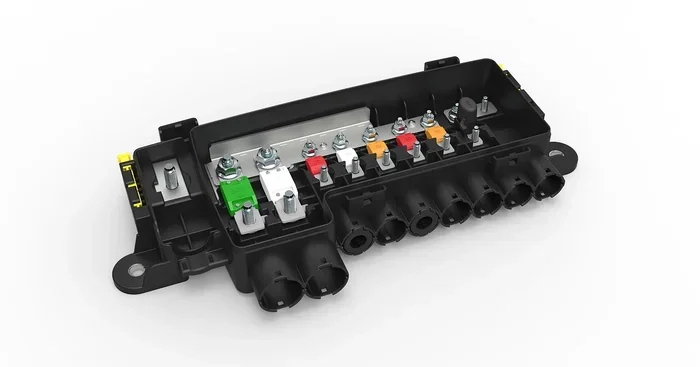
The Nissan Independent Power Distribution Module is a smart electrical hub that controls power flow throughout your vehicle. It replaces older fuse boxes with a more efficient, computerized system that protects circuits and prevents electrical failures. Understanding how this module works helps Nissan owners troubleshoot problems and keep their cars running smoothly.
If you own a Nissan, you rely on its electrical system every single day. From starting the engine to powering your radio and lights, electricity keeps everything running. But have you ever wondered how all that power gets distributed safely? That is where the Nissan Independent Power Distribution Module comes in. This small but mighty component acts as the brain of your vehicle’s electrical network.
Think of it like a traffic controller for electricity. It decides where power goes, when it goes there, and how much gets sent. Without it, your Nissan would be a mess of tangled wires and blown fuses. In this guide, we will break down everything you need to know about this essential part. Whether you are a curious car owner or someone dealing with electrical trouble, you are in the right place.
We will cover how the module works, where to find it, common problems, and simple tips to keep it in great shape. Let us dive in and make sense of your Nissan’s electrical heart.
Key Takeaways
- What It Does: The Nissan Independent Power Distribution Module manages and distributes electrical power to all circuits in your vehicle.
- Smart Protection: It uses electronic fuses and relays to prevent electrical overloads and short circuits.
- Common Issues: Symptoms include blown fuses, flickering lights, and power loss to accessories.
- Location Matters: The module is typically found under the hood or inside the cabin near the driver’s side.
- Maintenance Tips: Regular inspections and clean connections help extend the life of your power distribution module.
- Replacement Cost: Expect to pay between $200 and $600 depending on your Nissan model and labor rates.
📑 Table of Contents
- What Is the Nissan Independent Power Distribution Module?
- How Does the Power Distribution Module Work?
- Where Is the Module Located?
- Common Problems and Symptoms
- How to Maintain Your Power Distribution Module
- How Does This Compare to Traditional Fuse Boxes?
- When Should You Replace the Module?
- Final Thoughts
What Is the Nissan Independent Power Distribution Module?
The Nissan Independent Power Distribution Module is an electronic control unit that manages electrical power distribution in Nissan vehicles. It replaced the traditional fuse box design with a smarter, more efficient system. Instead of simple blade fuses, it uses electronic circuits and relays to control power flow.
Older Nissan models used a standard fuse panel. You would open the hood, pull out a fuse, and inspect it visually. The modern power distribution module works differently. It is a sealed unit with multiple circuits built in. Each circuit handles a specific electrical task, from powering the fuel pump to running the dashboard lights.
Why Was It Designed?
Nissan engineers created this module to solve several problems. Traditional fuse boxes were bulky and prone to corrosion. Wires could come loose, and identifying a blown fuse was time-consuming. The new design is compact, reliable, and easier to diagnose when something goes wrong.
Here are the key benefits of the modern design:
- Compact size: Takes up less space under the hood.
- Better protection: Electronic circuits respond faster to overloads.
- Easier diagnostics: Onboard computers can flag specific circuit failures.
- Longer lifespan: Sealed housing protects against moisture and dirt.
Think of it this way. The old fuse box was like a basic light switch. The Nissan Independent Power Distribution Module is more like a smart home electrical panel. It knows what is happening and can protect itself.
How Does the Power Distribution Module Work?
Understanding how the module works does not require an engineering degree. The basic idea is simple. Power from the battery flows into the module. The module then splits that power and sends it to different circuits throughout the vehicle.
The Role of Relays
Inside the module, you will find several relays. A relay is like an electronic switch. When your Nissan needs power to a specific component, the relay clicks on and allows current to flow. When the component is off, the relay stays closed and stops the power.
For example, when you turn on your headlights, a relay inside the module sends power to the headlight circuit. When you switch them off, the relay cuts the power. This happens in milliseconds, and you never even notice.
Electronic Fuse Protection
Each circuit inside the module has its own electronic fuse. Unlike traditional fuses that melt and need replacement, electronic fuses can often be reset. They monitor the current flowing through each circuit. If the current gets too high, the fuse trips and stops power to that circuit.
This is a huge safety improvement. It prevents electrical fires and protects your vehicle’s wiring. It also means you might not always need to replace parts when something goes wrong.
The module also communicates with your Nissan’s onboard computer. If a circuit fails, the computer logs a trouble code. You can read these codes with a diagnostic tool. This makes electrical troubleshooting much faster and more accurate.
Where Is the Module Located?
Finding the Nissan Independent Power Distribution Module depends on your vehicle model. In most Nissan cars, you will find it in one of two places. Let us look at both.
Under the Hood
The most common location is in the engine bay. Look on the driver’s side of the engine compartment. The module is usually mounted near the battery or the inner fender wall. It is a small black box with multiple electrical connectors plugged into it.
In Nissan Sentra and Altima models, the module sits close to the battery for easy access to the main power supply. In smaller models like the Nissan Versa, it may be tucked behind a plastic cover on the left side of the engine bay.
Inside the Cabin
Some Nissan models also have a secondary power distribution point inside the cabin. This is usually located under the dashboard on the driver’s side. It handles interior circuits like the radio, power windows, and interior lights.
Tip: Always check your owner’s manual for the exact location. The manual will include a diagram showing the module position for your specific model year.
Common Problems and Symptoms
Like any electrical component, the power distribution module can develop problems over time. Recognizing the symptoms early can save you from bigger repairs down the road.
Flickering or Dimming Lights
If your dashboard lights or headlights flicker randomly, the module may be failing. A loose connection inside the module can cause intermittent power loss. This is one of the earliest warning signs.
Power Loss to Accessories
When the module starts to fail, you may lose power to certain accessories. Your radio might cut out. The power windows might stop working. The air conditioning blower might stop blowing air.
These symptoms often come and go. They might get worse when it is raining or when you hit a bump in the road. Moisture and vibration can worsen a failing module.
Blown Fuses That Keep Coming Back
If you keep replacing fuses and they blow again, the module could be the culprit. A short circuit inside the module can cause repeated fuse failures. This is a serious issue that needs immediate attention.
Check Engine Light
Your Nissan’s computer monitors the power distribution module. If it detects a problem, it will trigger the check engine light. Do not ignore this warning. Get a diagnostic scan done to read the trouble codes.
How to Maintain Your Power Distribution Module
Good maintenance goes a long way in keeping your electrical system healthy. The Nissan Independent Power Distribution Module is designed to last, but simple habits can extend its life significantly.
Keep Connections Clean
Corrosion on electrical connections is a common problem. Over time, moisture can cause the connectors to oxidize. This creates resistance and reduces power flow. Periodically inspect the module connectors and clean them with a electrical contact cleaner spray.
Check the Battery Regularly
A weak battery puts extra strain on the power distribution module. When the battery voltage drops too low, the module has to work harder to regulate power. Keep your battery in good condition and replace it every 4 to 5 years.
Avoid Overloading Circuits
Adding aftermarket accessories like extra lights or a sound system can overload your circuits. Always use properly rated fuses and relays. If you are unsure, consult a qualified mechanic before installing new electrical components.
Scan for Trouble Codes
Even if your car seems fine, getting a diagnostic scan once or twice a year is a smart habit. Early detection of electrical issues can prevent expensive repairs. Many auto parts stores offer free diagnostic scanning services.
Quick tip: If you notice any electrical gremlins, address them quickly. A small problem today can become a big problem tomorrow. The power distribution module protects your entire electrical system, so keeping it healthy keeps everything else healthy too.
How Does This Compare to Traditional Fuse Boxes?
To really appreciate the Nissan Independent Power Distribution Module, it helps to compare it with the old fuse box design. Here is a side-by-side look at the differences.
| Feature | Traditional Fuse Box | Power Distribution Module |
|---|---|---|
| Design | Mechanical fuses and switches | Electronic circuits and relays |
| Size | Bulky and heavy | Compact and lightweight |
| Protection | Basic fuse melting | Electronic overload detection |
| Diagnostics | Visual inspection only | Computer-read trouble codes |
| Maintenance | Replace blown fuses manually | Often resettable electronic fuses |
| Moisture Resistance | Poor, prone to corrosion | Sealed housing, water resistant |
The modern module clearly wins in almost every category. It is smarter, safer, and easier to maintain. If your Nissan came with this system, you have a real advantage over older vehicles with traditional fuse boxes.
For those interested in how power distribution works in smaller electrical devices, you might enjoy learning about what a power chair is and how its electrical system operates on similar principles. Understanding how power distribution works across different applications builds your overall electrical knowledge.
When Should You Replace the Module?
Sometimes maintenance is not enough, and the module needs to be replaced. Here are the signs that replacement time has come:
- Multiple electrical failures: Several systems stop working at the same time.
- Burning smell: A burning odor near the engine bay is a red flag.
- Visible damage: Melted plastic or scorch marks on the module.
- Persistent trouble codes: Diagnostic scans keep showing the same electrical codes.
- No power at all: The vehicle loses all electrical power and will not start.
If you notice any of these signs, get your vehicle to a mechanic right away. Driving with a failing power distribution module can cause further damage to your electrical system. The cost of replacement typically ranges from $200 to $600, including parts and labor. This is much cheaper than replacing damaged wiring or electrical components throughout the car.
For those who want to understand the power components that feed into the module, learning about power motors and battery systems can give you a broader understanding of how electrical power is generated, stored, and distributed across different systems.
Final Thoughts
The Nissan Independent Power Distribution Module is one of those parts you rarely think about until something goes wrong. But it plays a vital role in keeping your vehicle safe and functional. It manages power distribution, protects your circuits, and makes diagnostics easier than ever before.
By understanding how it works and taking care of it, you can avoid many common electrical problems. Keep your connections clean, monitor your battery health, and address electrical issues promptly. Your Nissan’s electrical system will thank you for it.
Whether you are a DIY mechanic or someone who just wants to understand your car better, knowing about this module gives you an edge. Next time you pop the hood, you will know exactly where your vehicle’s electrical brain lives and what it does. Stay curious, stay informed, and keep your Nissan running strong.
Frequently Asked Questions
What does the Nissan Independent Power Distribution Module do?
The module manages and distributes electrical power to all circuits in your Nissan vehicle. It replaces the traditional fuse box with electronic circuits and relays that provide smarter, faster protection against electrical overloads.
Where is the power distribution module located on a Nissan?
In most Nissan models, the module is located under the hood on the driver’s side of the engine compartment, near the battery. Some models also have a secondary distribution point inside the cabin under the dashboard.
How much does it cost to replace a Nissan power distribution module?
Replacement costs typically range from $200 to $600, depending on your Nissan model and local labor rates. The part itself usually costs between $100 and $300, with the rest going toward professional installation.
Can I drive my Nissan with a bad power distribution module?
It is not recommended. A failing module can cause unpredictable electrical failures that may leave you stranded. It can also cause further damage to other electrical components in your vehicle.
How long does the Nissan power distribution module last?
With proper maintenance, the module can last the lifetime of the vehicle or 150,000 miles or more. However, exposure to moisture, corrosion, or electrical overloads can shorten its lifespan significantly.
What are the signs of a failing power distribution module?
Common signs include flickering lights, power loss to accessories, repeatedly blown fuses, a burning smell, and the check engine light illuminating. If you notice any of these symptoms, have your vehicle inspected by a qualified mechanic.

Similar Posts































