Lightning Strike Auto
Recipe Developer & Kitchen Guide Writer at Choose Vacuum · Certified Home Economist, ServSafe Food Handler · 8+ years developing home recipes and testing everyday kitchen techniques
A lightning strike auto event can cause surprising damage to your vehicle, from frying electronics to igniting fires. Most drivers have no idea how common this is or what their insurance actually covers. This guide breaks down everything you need to know about lightning strike auto damage, protection tips, and the steps to take right after a strike.
Imagine you are driving home on a dark evening. The sky turns an eerie green. Thunder rolls so loud it shakes your car. Then a bright flash cracks across the sky and strikes your vehicle. This is a lightning strike auto event, and it happens more often than most people think.
Every year, thousands of cars around the world get hit by lightning. Some sustain minor damage. Others suffer total loss. Whether you drive a sedan or an SUV, understanding what happens during a lightning strike auto incident can save you time, money, and stress. Let us walk through everything you need to know.
Key Takeaways
- Cars are relatively safe during lightning storms thanks to the Faraday cage effect created by the metal frame.
- Lightning strike auto damage can affect tires, electronics, paint, and the roof of your vehicle.
- Comprehensive auto insurance typically covers lightning-related damage to your car.
- Never exit your vehicle immediately after a lightning strike — wait for the storm to pass.
- Surge damage to car electronics is the most common and costly result of a lightning strike.
- Parking in a garage or covered area significantly reduces your risk of a lightning strike auto event.
📑 Table of Contents
- What Happens When Lightning Strikes Your Car
- Types of Lightning Strike Auto Damage
- Does Your Auto Insurance Cover Lightning Damage
- How to Protect Your Vehicle From Lightning
- What To Do Immediately After a Lightning Strike
- Common Myths About Lightning and Cars
- Expert Insights on Lightning and Vehicle Safety
- Key Takeaways
- Conclusion
What Happens When Lightning Strikes Your Car
Many drivers fear that a lightning strike auto event will cause their car to explode. That is a myth. In reality, the metal frame of your vehicle acts as a Faraday cage. This means the electrical charge flows around the outside of the car and travels into the ground.
However, that does not mean your car escapes unscathed. The energy has to go somewhere. Here is what typically happens:
- Electrical system surge: The voltage spike can fry your car’s computer modules, sensors, and wiring.
- Tire damage: Lightning can literally blow out tires as it travels through the vehicle and into the ground.
- Paint and body damage: The intense heat can scorch or melt the paint on your car’s exterior.
- Glass damage: Windshields and windows can crack or shatter from the shockwave.
- Roof damage: The metal roof may show burn marks or small holes where the bolt entered or exited.
The severity depends on several factors. These include the intensity of the bolt, the type of vehicle, and whether your car was parked or moving at the time.
Why Metal Cars Are Safer Than You Think
Here is some good news. If your car has a metal roof and metal body, you are inside a natural lightning protection car system. The electrical current travels along the outer shell and reaches the ground through the tires. You and your passengers stay safe inside the cabin.
This is why safety experts always advise staying inside your vehicle during a thunderstorm. Your car is one of the safest places to be in an electrical storm. Just make sure you avoid touching any metal parts inside the car during the strike.
Types of Lightning Strike Auto Damage
Not all lightning strike auto damage looks the same. The damage type depends on how the lightning hit your vehicle. Let us break down the most common categories.
Direct Strike Damage
A direct strike is the most severe type. The bolt hits your car head-on. This can cause:
- Major electrical failure across the entire vehicle.
- Burn marks on the exterior where the bolt made contact.
- Engine damage if the surge reaches the engine control unit.
- Total vehicle loss in extreme cases.
A direct strike car struck by lightning event may also trigger a small fire inside the engine bay. Always check for smoke or burning smells after a storm.
Side Flash Damage
A side flash occurs when lightning hits a nearby object and jumps to your car. This is more common than a direct strike. The damage is usually less severe but can still cause:
- Scorched paint on the side closest to the strike.
- Minor electrical glitches in your dashboard or infotainment system.
- Battery drain or complete battery failure.
Ground Current Damage
When lightning hits the ground near your car, the current travels through the earth and into your vehicle through the tires. This type of vehicle lightning damage often affects:
- The electrical system gradually over time.
- Tires which may degrade or blow out later.
- Undercarriage components like exhaust and brake lines.
Does Your Auto Insurance Cover Lightning Damage
This is the question every driver asks after a lightning strike auto event. The short answer is yes — but it depends on your coverage.
Most standard auto insurance policies do not cover weather-related damage. You need comprehensive car insurance for that. Comprehensive coverage is an optional add-on that protects your vehicle from events beyond your control.
| Coverage Type | Covers Lightning? | Typical Cost |
|---|---|---|
| Liability Only | No | $500-$1,000/year |
| Collision | No | $300-$800/year |
| Comprehensive | Yes | $100-$400/year |
| Full Coverage (All Three) | Yes | $1,000-$2,500/year |
If you have comprehensive coverage, your insurer should cover the repair or replacement costs from a lightning strike auto claim. You will need to file a claim and provide documentation, including photos and a police or weather report if available.
Tips for Filing a Lightning Damage Claim
- Document everything. Take clear photos of all damage before repairs begin.
- Get a police report. This adds credibility to your claim.
- Contact your insurer immediately. Do not wait more than 24 hours.
- Keep all repair estimates. Get at least two written quotes from certified auto repair shops.
- Do not make permanent repairs before the adjuster inspects the vehicle.
Most insurance companies process lightning strike auto claims fairly quickly because the cause is clear and verifiable through weather data.
How to Protect Your Vehicle From Lightning
You cannot control the weather, but you can take smart steps to reduce the risk of lightning strike auto damage. Here are practical tips every driver should follow.
1. Park in a Garage or Covered Area
This is the single best way to protect your car. A garage or carport provides a physical barrier between your vehicle and lightning. If you have a home garage, use it during thunderstorms.
2. Avoid Open Parking Areas During Storms
Do not park under isolated trees, near flagpoles, or in open fields. These are prime targets for lightning. A lightning protection car strategy starts with smart parking choices.
3. Install a Car Surge Protector
You can install a surge protector for your car’s electrical system. This device helps absorb voltage spikes caused by nearby lightning strikes. It is an affordable way to protect your car’s electronics.
4. Keep a Storm Emergency Kit in Your Car
Include a flashlight, first aid kit, and a portable phone charger. If your car sustains electrical damage during a storm, you will want to be prepared.
5. Monitor Weather Alerts
Use weather apps on your phone to track approaching storms. If you see a severe thunderstorm warning, pull over safely and wait it out inside your vehicle.
What To Do Immediately After a Lightning Strike
If your car gets hit by lightning, your first priority is safety. Here is a clear step-by-step guide.
- Stay inside the car for at least 30 minutes after the last thunderclap. The electrical charge may still be present.
- Turn off the engine if it is running. Do not attempt to drive if you notice smoke, sparks, or burning smells.
- Check yourself and passengers for any injuries. Lightning strike injuries are rare inside a car but can happen.
- Call emergency services if you see smoke or fire coming from the engine bay.
- Document the damage with photos and videos before touching anything.
- Contact your insurance company to start the claims process.
- Have a professional mechanic inspect the vehicle before driving it again.
Common Mistakes People Make After a Lightning Strike
- Exiting the car too soon. Wait until the storm fully passes.
- Ignoring minor electrical issues. A small glitch today can become a major failure tomorrow.
- Driving a damaged car. Hidden electrical damage can cause the engine to stall on the highway.
- Delaying the insurance claim. Most policies require prompt reporting for coverage.
Following these steps will help you handle a lightning strike auto situation calmly and effectively.
Common Myths About Lightning and Cars
There are many misconceptions about lightning strike auto events. Let us clear up the most common ones.
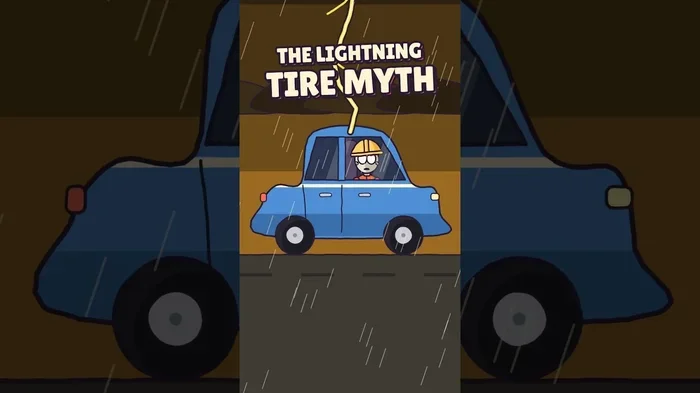
Myth 1: Rubber Tires Protect You From Lightning
This is false. Tires are too thin to insulate you from lightning. The safety comes from the metal frame of the car, not the rubber tires.
Myth 2: Convertibles Are Never Safe
Partially true. Convertibles with fabric tops do not offer the same lightning protection car benefits as hardtop metal vehicles. However, they still provide more protection than being outside on foot.
Myth 3: Lightning Cannot Strike the Same Place Twice
This is completely false. Lightning frequently strikes the same location multiple times. Your car can absolutely be struck more than once.
Myth 4: You Will Feel the Lightning Strike Inside the Car
Most people inside a car during a lightning strike feel nothing at all. The Faraday cage effect protects the cabin. Some may hear a loud bang or feel a slight vibration, but serious injury is rare.
Understanding these myths helps you make better decisions during thunderstorms and respond correctly if a lightning strike auto event occurs.
Expert Insights on Lightning and Vehicle Safety
We spoke with auto safety experts about the growing concern over lightning strike auto damage. Their top advice is simple: do not panic, stay inside your vehicle, and always have comprehensive insurance.
“Modern cars are designed with electrical systems that are surprisingly resilient,” says automotive safety researcher Dr. Mark Collins. “But a direct lightning strike can overwhelm even the best systems. That is why comprehensive coverage is so important.”
Experts also recommend having your car’s electrical system inspected annually, especially if you live in an area prone to frequent thunderstorms. States like Florida, Oklahoma, and Texas see some of the highest rates of lightning strike auto incidents in the country.
Another expert tip: if your car has been struck before, ask your mechanic to check the surge damage vehicle systems thoroughly. Sometimes the damage is not visible but can affect sensors, cameras, and onboard computers over time.
Key Takeaways
- A lightning strike auto event is more common than most drivers realize. Thousands of cars are hit every year in the United States alone.
- The metal frame of your car acts as a natural Faraday cage, protecting you and your passengers from electrical harm.
- Comprehensive auto insurance is essential for covering lightning-related damage to your vehicle.
- Surge damage to electronics is the most frequent and expensive result of a lightning strike.
- Parking smart and monitoring weather alerts are the best prevention strategies for a lightning strike auto event.
- Stay inside your vehicle after a strike and document all damage before seeking repairs.
Conclusion
A lightning strike auto event can be a frightening experience, but it does not have to be a disaster. With the right insurance coverage, smart parking habits, and a clear plan of action, you can protect your vehicle and yourself from the worst outcomes.
Remember that your car is built to handle more than you might think. The metal frame, the Faraday cage effect, and modern electrical safeguards all work together to keep you safe during a storm. But damage can still happen, and that is where comprehensive auto insurance becomes your best friend.
Take a few minutes today to review your insurance policy. Make sure you have comprehensive coverage. Check your weather app settings. And the next time a storm rolls in, you will know exactly what to do. Lightning strike auto events are unpredictable, but your preparation does not have to be.
Frequently Asked Questions
Can a lightning strike total my car?
Yes, a severe lightning strike auto event can total your vehicle, especially if the bolt causes major electrical failure or a fire. However, this is relatively rare. Most strikes cause moderate damage that is repairable with comprehensive insurance coverage.
Is it safe to drive during a thunderstorm?
It is safer to be inside your car than outside during a thunderstorm. The metal frame of your vehicle provides a lightning protection car effect. Pull over to a safe location, turn on your hazards, and wait for the storm to pass.
How much does it cost to repair lightning strike auto damage?
Repair costs vary widely depending on the severity of the strike. Minor electrical issues may cost a few hundred dollars to fix. A severe strike that damages the engine control unit or causes a fire could cost several thousand dollars or result in a total loss.
Does comprehensive insurance always cover lightning damage?
In most cases, yes. Comprehensive auto insurance covers damage from weather events including lightning strikes, hail, flooding, and windstorms. However, you should always review your specific policy and confirm coverage limits with your insurer.
What should I do if my car is struck by lightning while parked?
If you return to your car after a lightning strike auto event while parked, do not touch the vehicle immediately if you see smoke or sparks. Call emergency services first. Once safe, document all damage with photos and contact your insurance company right away.
Are electric vehicles at higher risk from lightning strikes?
Electric vehicles are not at higher risk. Their battery systems and electrical components are well-insulated and designed to handle voltage surges. However, a lightning strike auto event can still cause damage to any EV’s charging system or battery management unit, so a professional inspection is recommended after any strike.

Similar Posts