Letters Parents Write to Their Future Seniors Today
Recipe Developer & Kitchen Guide Writer at Choose Vacuum · Certified Home Economist, ServSafe Food Handler · 8+ years developing home recipes and testing everyday kitchen techniques
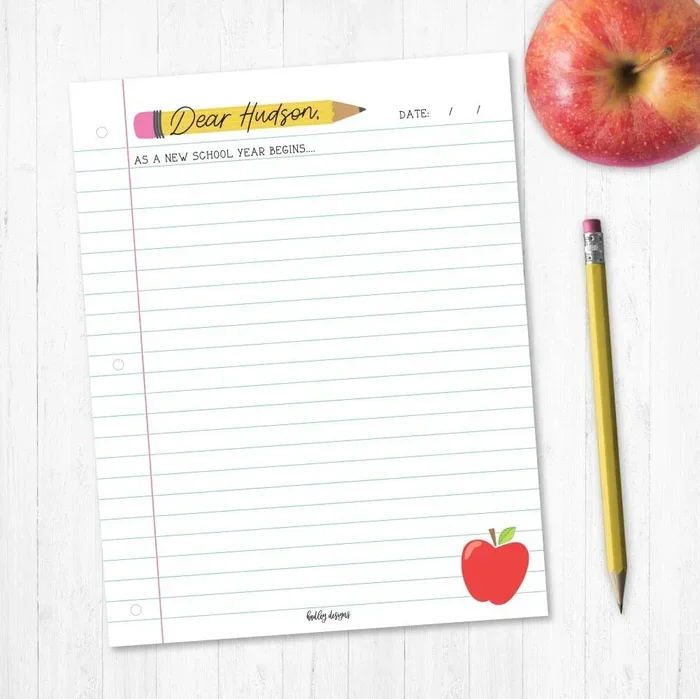
Letters parents write to their future seniors are powerful messages that capture love, wisdom, and hope for the years ahead. These heartfelt notes become treasured keepsakes that strengthen the parent-child bond and preserve family memories across generations. Writing a letter today creates a meaningful gift your future senior will cherish forever.
There is something truly special about a handwritten letter. When parents sit down and write letters to their future seniors, they are creating something far more valuable than any gift wrapped in paper. These letters carry love, wisdom, and the hope that comes from watching a child grow. The idea of writing to a future senior might feel unusual at first, but the impact is profound.
Letters parents write to their future seniors are personal messages filled with memories, advice, and encouragement. They capture a moment in time and preserve it for the years ahead. Whether your child is a toddler today or already an adult, there has never been a better time to start. These letters become family treasures that future generations will hold close to their hearts.
In this guide, we will walk you through everything you need to know about writing letters to your future seniors. You will learn why these letters matter, how to get started, what to include, and the best ways to preserve them. By the end, you will feel inspired and ready to put pen to paper.
Key Takeaways
- Letters create lasting connections: Written messages from parents to future seniors preserve emotions and wisdom for decades.
- It is never too early to start: Writing letters today ensures your children will have a tangible keepsake when they become seniors.
- Letters capture family legacy: These personal messages pass down values, stories, and life lessons to future generations.
- Writing is simple and free: You do not need special skills or expensive materials to create a meaningful letter.
- Seniors treasure these letters: Future seniors deeply value receiving heartfelt words from their parents during their golden years.
- Letters complement other traditions: Written words pair beautifully with family rituals, heirlooms, and shared memories.
📑 Table of Contents
What Are Letters Parents Write to Their Future Seniors?
A letter to a future senior is exactly what it sounds like. It is a written message from a parent, directed toward their child years or decades from now. The child will be a senior citizen by the time they read it. These letters are not casual notes. They are deeply personal reflections filled with emotion, life lessons, and family history.
Many parents start writing these letters when their children are young. Others wait until a meaningful milestone, like a graduation or a birthday. Some parents write one letter per year, building a collection over time. Each letter captures a different season of life. Together, they tell a story that spans generations.
The beauty of letters parents write to their future seniors lies in their simplicity. You do not need special stationery or a perfect vocabulary. You just need honesty and love. The words you choose today will become a gift your child opens years from now, perhaps during their own golden years.
Why Do Parents Write These Letters?
Parents have many reasons for writing letters to their future seniors. Some want to share their deepest feelings while they are still able. Others hope to offer comfort during difficult times their children may face later in life. These letters serve as a bridge between generations.
They also help preserve family history. A letter written today might mention what life was like in 2024, what your neighborhood looked like, or how you felt when your child took their first steps. These details matter. They become part of your family’s written legacy, something that no photograph can fully capture.
Why Writing Letters to Future Seniors Matters
In a world filled with texts and emails, a handwritten letter stands out. It shows thoughtfulness, patience, and care. When a parent writes a letter to their future senior child, they are saying, “I was thinking about you even before you needed me to.” That message is powerful.
The Emotional Impact of Written Words
Studies show that receiving handwritten letters boosts emotional well-being. For seniors especially, these messages can fight feelings of loneliness and isolation. A letter from a parent reminds them of their roots. It reconnects them to the people who loved them first.
Emotional letters also help seniors feel valued. When they read words of pride and love from their parents, it reinforces their sense of identity. These are not just words on paper. They are anchors that keep seniors grounded in their family story.
Building Stronger Generational Bonds
Letters from parents to children strengthen the parent-child bond across time. Even when physical distance grows, the words in a letter remain close. Seniors who read these letters often feel a deeper connection to their parents, even if those parents are no longer living.
These letters also create a sense of continuity. They show younger family members what came before them. A grandchild who reads their grandparent’s letter to their parent gains a new understanding of their family’s journey. This is how generational bonds are strengthened through the written word.
How to Write a Meaningful Letter to Your Future Senior
Writing a letter to your future senior does not have to be complicated. The most important thing is sincerity. Here are some practical steps to help you get started.
Step 1: Choose the Right Time and Setting
Find a quiet moment when you can think clearly. Some parents write on New Year’s Eve. Others choose a child’s birthday or a holiday. The setting does not matter as much as the intention. What matters is that you are present and focused when you write.
Make sure you are comfortable. You might want to sit in your favorite chair with a cup of tea nearby. If you are setting up a cozy writing space, consider how you can make it comfortable for long sessions. Sometimes placing a soft throw on a chair can make your writing spot feel warm and inviting.
Step 2: Start with Your Feelings
Begin by writing how you feel about your child right now. Do not worry about grammar or perfection. Just let your heart speak. Say what makes you proud. Say what you hope for their future. These honest words will resonate deeply with your future senior.
You might write about the day they were born, their first smile, or the moment you realized how much you loved them. These memories form the foundation of a powerful letter.
Step 3: Share Life Lessons and Advice
Every parent has wisdom gained through experience. Share the lessons you have learned. Talk about challenges you faced and how you overcame them. Your future senior will appreciate knowing that their parent navigated difficulties too.
Keep your advice practical and warm. Do not lecture. Instead, offer guidance the way you would in a conversation. Think of it as sitting down with your child and sharing what you know.
Step 4: Include Family Stories and Memories
Stories bring letters to life. Share a funny family memory. Describe a tradition you love. Talk about a relative who meant a lot to you. These stories give your child a window into their family history.
If you have a beloved family piece of furniture, like a dining chair that has been in the family for decades, you might mention it. You could even share how you plan to reupholster that chair to keep it looking beautiful for the next generation. These small details make your letter feel personal and real.
Step 5: Close with Love and Hope
End your letter with a strong message of love. Tell your future senior that you believe in them. Express hope for their senior years and the joy they will find. A warm closing leaves a lasting impression.
You might write something like, “No matter where life takes you, know that I am always proud of you.” Simple words carry enormous weight when read years later.
Topics to Include in Your Letter
Not sure what to write about? Here are some meaningful topics to consider for your letters to future seniors.
Personal Memories and Milestones
Write about moments you will never forget. The first time you held your child. Their first day of school. The time they made you laugh until you cried. These milestones shape who we are, and your future senior will treasure reading about them.
Your Hopes and Dreams for Their Future
Share what you hope their life will look like. Do you wish they will travel the world? Build a loving family? Find a career they love? Your hopes show your child that you see a bright future ahead for them.
You might also mention how you hope they will take care of themselves as they age. Talk about the importance of staying active, staying connected, and staying curious. These messages about aging gracefully resonate deeply with future seniors.
Family Values and Traditions
Every family has values that define it. Write about what your family stands for. Is it kindness? Hard work? Laughter? Describe the traditions you want to pass down, whether it is a holiday recipe or a yearly camping trip.
If your family has a special piece of furniture that holds memories, mention it. Perhaps you have a cozy reading chair where you used to read bedtime stories. You could even plan ahead and look into making a chair taller so it remains comfortable for your aging parent or grandparent in the future. These thoughtful details show your family cares about comfort and continuity.
Life Advice for Difficult Times
Your future senior will face challenges. Write about how you handled tough times. Share what helped you stay strong. Offer reassurance that difficult seasons do pass. This advice becomes a lifeline when your child needs it most.
Reflections on Aging and Growing Older
Be honest about your own experience with aging. What has surprised you? What do you wish you had known earlier? Your reflections help normalize the aging process and reduce fear. They also show your child that growing older can be beautiful and meaningful.
When and How to Deliver These Letters
Timing matters when it comes to delivering letters to future seniors. You want the moment to feel special and thoughtful.
Milestone Birthdays
Many parents choose to give their letters on milestone birthdays. The 60th, 65th, or 70th birthday are popular choices. These milestones mark the transition into senior life, making them the perfect time to share a heartfelt letter.
You could also give letters on a 50th birthday as a “head start” to the senior years. This gives your child something to look forward to and cherish as they approach that stage of life.
Graduations and Life Transitions
Graduations are another meaningful time to share letters. Whether your child graduates from college, starts a new career, or becomes a parent themselves, these transitions are milestones worth celebrating with a letter.
Life transitions like moving to a new city or retiring from a career also create natural moments for delivery. The letter becomes a comforting companion during times of change.
Holiday Gatherings and Family Reunions
Family gatherings provide a warm, intimate setting for exchanging letters. Imagine the scene: everyone is gathered around, sharing food and stories, and a parent hands their child an envelope. It becomes a moment the whole family remembers.
If you are preparing your home for a holiday gathering with visiting seniors, you might want to make sure your furniture is ready. Checking out where to purchase chair covers can help you protect your seats and create a welcoming atmosphere for elderly guests.
Sealed Envelopes with Dates
Always seal your letters and write the date on the outside. This creates a sense of ceremony and preserves the timeline of your family’s story. Your future senior will appreciate knowing exactly when each letter was written.
Consider storing letters in a safe, dry place. A family keepsake box works wonderfully. You might also include a note that explains where the letters are kept, so they are easy to find when the time comes.
Preserving and Sharing Your Letters with Family
A letter is only as powerful as its ability to be found and read years later. Proper preservation ensures your words stand the test of time.
Storage Tips for Long-Lasting Letters
Use acid-free paper if possible. It resists yellowing and deterioration over time. Store letters in a cool, dry place away from direct sunlight. A fireproof box adds an extra layer of protection.
Consider scanning or photographing each letter as a backup. Digital copies ensure your words survive even if the physical paper does not. Share these digital copies with family members so everyone has access.
Creating a Family Letter Collection
Encourage other family members to write letters too. Siblings, grandparents, and even aunts and uncles can contribute. A collection of letters from multiple family members creates a rich tapestry of love and wisdom.
This collection becomes a family heirloom. It is something tangible that connects generations. Future seniors will feel surrounded by the voices of their loved ones every time they open the box.
Sharing Letters at Family Gatherings
Reading letters aloud at family gatherings can be a beautiful tradition. It brings everyone closer and allows the whole family to share in the emotions. These moments become cherished memories in themselves.
You might read a letter at Thanksgiving or during the holiday season. It adds depth and meaning to your family traditions and gives everyone a chance to reflect on the bonds that hold your family together.
Conclusion
Letters parents write to their future seniors are among the most meaningful gifts you can give. They capture love, wisdom, and family history in a way that nothing else can. These letters become treasured keepsakes that seniors read again and again, finding comfort, pride, and connection with every word.
You do not need to be a skilled writer to create something beautiful. You just need to be honest and present. Start today. Write a letter to your future senior and give them a gift they will carry for the rest of their life. The words you put down now will echo through the years, reminding your child that they were always deeply loved.
Take a moment right now to think about what you would say. Your future senior is waiting to hear from you. The time to write is today.
Frequently Asked Questions
What should I write in a letter to my future senior child?
Include personal memories, life lessons, your hopes for their future, family values, and reflections on aging. Share funny stories, challenges you overcame, and words of encouragement. The most important thing is to write from the heart.
When is the best time to start writing these letters?
The best time is now. You can start writing letters to your future seniors at any point, whether your child is a baby, a teenager, or an adult. Starting early gives you more material and creates a longer collection over time.
How often should I write letters to my future senior?
There is no set rule. Some parents write one letter per year, while others write a single comprehensive letter. Choose a frequency that feels natural to you. Consistency matters more than quantity.
Should I give the letter in person or mail it?
Both approaches work well. Handing the letter in person creates an intimate, emotional moment. Mailing it adds an element of surprise and anticipation. Choose the method that fits the occasion and your relationship with your child.
What if I am not a good writer?
You do not need to be a skilled writer. These letters are about sincerity, not style. Your future senior will treasure the effort and emotion behind the words, not perfect grammar or eloquence. Just be honest and authentic.
Can I include photos or mementos with the letter?
Absolutely. Adding a photo, a pressed flower, or a small memento makes the letter even more personal and memorable. These extras give your future senior something tangible to connect with the words on the page.

Similar Posts