Lesbian Other Identities
Recipe Developer & Kitchen Guide Writer at Choose Vacuum · Certified Home Economist, ServSafe Food Handler · 8+ years developing home recipes and testing everyday kitchen techniques
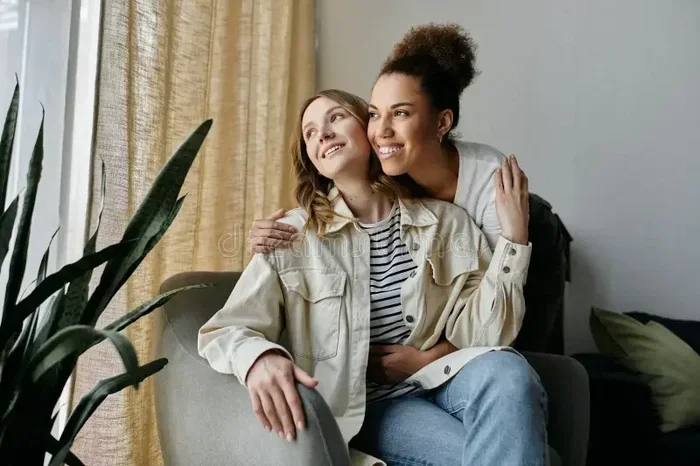
Lesbian other identities explore the rich spectrum of sexual orientations and romantic labels that exist beyond traditional categories. These identities reflect the diverse ways queer women experience attraction, connection, and self-expression. Understanding lesbian other identities helps build inclusion and deeper self-awareness. Whether you are questioning or exploring, these labels offer a sense of belonging. This guide breaks down the most important terms and what they mean in real life.
Sexuality is not a simple box you check once and forget about. It is a living, breathing part of who we are. For many women, the word “lesbian” is a starting point, but it does not capture the full picture. That is where lesbian other identities come in. These terms describe the many ways queer women experience attraction, connection, and self-understanding.
Maybe you have heard words like “sapphic” or “queer heteroflexible” and wondered what they really mean. Perhaps you are questioning your own feelings and searching for language that fits. Whatever brought you here, this guide is for you. We will walk through the most important lesbian other identities in a clear, friendly way. No jargon, no judgment, just real talk about how attraction and identity work.
Key Takeaways
- Lesbian other identities expand our understanding of attraction beyond simple labels.
- Sexual fluidity means feelings of attraction can shift over time, and that is completely valid.
- Labels like sapphic, queer, and heteroflexible help many women find community and self-understanding.
- Romantic orientation and sexual orientation are separate, and both matter in identity exploration.
- Inclusive language and allyship create safer spaces for all queer women to express themselves.
- There is no rush to label yourself, and your identity is valid at every stage of your journey.
📑 Table of Contents
What Are Lesbian Other Identities?
The term lesbian other identities refers to sexual and romantic orientations that fall under the broader lesbian and queer umbrella but use different labels. These identities recognize that attraction is complex. It is not always black and white. Some women feel attracted to the same gender most of the time but not exclusively. Others experience shifts in their feelings over the course of their lives. And some women connect with labels that go beyond traditional categories entirely.
Understanding these identities matters because language shapes how we see ourselves. When you find the right word for what you feel, it can bring clarity and comfort. It can also help you connect with others who share similar experiences. The lesbian other identities landscape is wide and welcoming, and there is room for everyone.
Why Labels Matter
Some people resist labels, and that is okay too. But for many, a label is like a key. It opens a door to community, history, and self-understanding. When you say “I am sapphic” or “I am queer heteroflexible,” you are joining a long tradition of people finding words for experiences that once felt invisible. Labels give us a shared vocabulary. They help us explain ourselves to partners, friends, and family. And they help us find others who truly get it.
That said, labels are tools, not traps. You can use one label today and a different one tomorrow. Your identity belongs to you, and no one else gets to define it. The beauty of lesbian other identities is that they offer options, not restrictions.
The Spectrum of Sexual Orientation
Sexual orientation exists on a spectrum. This idea has been around for decades, and it helps explain why so many different labels exist. At one end, you have exclusive same-gender attraction. At the other end, you have attraction to different genders. But most people do not land neatly at either extreme. They land somewhere in the middle, or they move around over time.
The LGBTQ+ spectrum includes all of these experiences. It acknowledges that same-sex attraction can look different for different people. Some women are only attracted to women. Others are mostly attracted to women but feel drawn to other genders too. And still others find that their feelings change depending on the person, the moment, or the phase of life they are in.
Sexual Fluidity in Practice
Sexual fluidity is a concept that has gained more attention in recent years. It means that a person’s patterns of attraction can shift over time. A woman who identified as a lesbian for years might find herself feeling attracted to a man. Another woman might move from feeling mostly straight to feeling mostly queer. These shifts are normal and natural.
Sexual fluidity does not mean you are confused. It does not mean you are doing it for attention. It simply means that human attraction is complex and dynamic. Many people who experience fluidity find that lesbian other identities give them a way to describe their experiences more accurately than a single fixed label ever could.
Common Lesbian Other Identities Explained
There are many labels used within the queer women’s community. Each one carries its own meaning and history. Let us explore some of the most well-known lesbian other identities and what they mean in everyday life.
Sapphic Identity
The word “sapphic” comes from the ancient Greek poet Sappho, who wrote about her love for women on the island of Lesbos. Today, sapphic is an umbrella term for women and non-binary people who are attracted to other women. It includes lesbians, bisexual women, pansexual women, and anyone else who feels attraction to women.
One of the great things about the sapphic label is its inclusivity. You do not have to be “purely” lesbian to use it. You do not have to fit a specific mold. If you are a woman who loves women, sapphic might be the word for you. Many people use it as a way to feel connected to the broader community without being boxed into one specific category.
Queer Heteroflexible
Queer heteroflexible describes someone who is primarily attracted to the opposite gender but feels some flexibility or openness toward same-gender attraction. This term has become popular among women who do not fully see themselves as straight but also do not feel the label “lesbian” fits perfectly.
Being queer heteroflexible does not mean you are half and half. It means your orientation has some flexibility. You might mostly date men but find yourself drawn to women in certain situations. You might have had meaningful connections with women that felt different from your experiences with men. All of that is valid. The lesbian other identities space makes room for these nuanced experiences.
Bisexual and Pansexual Women
Bisexual and pansexual are two labels that many queer women use. Bisexual means attraction to more than one gender. Pansexual means attraction regardless of gender. Both identities exist within the broader queer women community, and both are completely legitimate.
Some bisexual women feel more connected to the lesbian community than to the broader bisexual community. Others straddle both worlds. The point is that lesbian other identities include bisexual and pansexual women who are part of the same-sex attraction conversation. These women are not “less queer” or “less valid.” They are part of the fabric of the community.
Demisexual and Asexual Lesbians
Not all attraction is the same. Some women experience demisexual attraction, meaning they only feel sexual attraction after forming a deep emotional bond. Others identify as asexual, meaning they experience little to no sexual attraction. Both demisexuality and asexuality exist on the LGBTQ+ spectrum and can overlap with lesbian identity.
A demisexual lesbian might feel romantic attraction to women but only experience sexual attraction after trust and closeness are established. An asexual lesbian might love women romantically without feeling sexual desire at all. These experiences are real and important. They are part of the rich tapestry of lesbian other identities.
Romantic Orientation vs. Sexual Orientation
One thing that often gets overlooked is the difference between romantic orientation and sexual orientation. These are not the same thing, and understanding the distinction can be incredibly helpful. Sexual orientation describes who you are sexually attracted to. Romantic orientation describes who you want romantic, emotional, and relational connections with.
Some people experience a mismatch between the two. A woman might be sexually attracted to women but romantically drawn to men. Another woman might experience no sexual attraction but deep romantic love for other women. These experiences are part of lesbian other identities and help explain why the community is so diverse.
What Is Queerplatonic Attraction?
You may have heard the term queerplatonic used in recent years. It describes a deep, committed, non-romantic bond that goes beyond what society typically considers a “regular” friendship. Queerplatonic relationships can involve living together, sharing finances, and building lives together, but without the romantic or sexual framing.
Queerplatonic attraction is its own kind of connection. It is worth understanding because it expands our idea of what relationships can look like. For many queer women, queerplatonic bonds are just as meaningful as romantic ones. They are part of the broader conversation about lesbian other identities and how we define closeness and commitment.
Coming Out and Finding Your Label
Finding the right label for your identity is a personal journey. It is not a race, and there is no wrong answer. Some people know exactly who they are from a young age. Others spend years exploring and questioning before finding language that fits. Both paths are completely valid.
Coming out is not a one-time event. It is an ongoing process. You might come out as one label, then later realize a different term fits better. You might come out to some people but not others. You might change your mind more than once. All of that is normal. The goal is not to find the “perfect” label. The goal is to find words that help you understand yourself and connect with others.
Tips for Exploring Your Identity
Here are some practical tips if you are in the process of exploring your identity:
- Read widely. Explore blogs, books, and videos by queer women. Hearing others’ stories can help you figure out your own.
- Try on labels like clothes. You do not have to commit to a word forever. See how it feels to say “I am sapphic” or “I am queer heteroflexible.”
- Connect with community. Online spaces, local LGBTQ+ groups, and pride events can help you feel less alone.
- Give yourself grace. You do not need to have everything figured out. Identity is a journey, not a destination.
- Talk to trusted people. A supportive friend, therapist, or mentor can help you process your feelings without pressure.
Why Visibility and Representation Matter
When lesbian other identities are visible, it changes lives. Representation lets people know they are not alone. It shows young queer women that there is a place for them in the community. It challenges the narrow stereotypes that still surround same-sex attraction.
During pride month and beyond, visibility efforts help normalize the full spectrum of queer identities. When more people see themselves reflected in media, conversations, and public life, it becomes easier to come out and live authentically. Allyship plays a big role here too. Straight and cisgender allies who support queer visibility help create environments where everyone can thrive.
Common Mistakes People Make
As we talk about lesbian other identities, it is worth noting some common mistakes that can cause harm:
- Assuming all queer women are the same. There is no single “lesbian experience.” Every woman’s journey is different.
- Pressuring people to label themselves. Not everyone needs or wants a label, and that is their right.
- Dismissing fluidity. Saying “you just haven’t made up your mind” invalidates real experiences of sexual and romantic change.
- Using labels as insults. Words like “confused” or “attention-seeking” have no place in respectful conversations about identity.
- Ignoring the difference between romantic and sexual orientation. This oversight erases the experiences of many queer people.
Building an Inclusive Future
The conversation around lesbian other identities is still evolving. New terms emerge. Old terms get redefined. The community grows and changes as more people share their stories. What stays constant is the need for acceptance, understanding, and respect.
Whether you are a queer woman looking for your words, an ally wanting to be more supportive, or simply someone curious about the spectrum of human attraction, you are welcome here. The world of lesbian other identities is big enough for everyone. It is a space built on the idea that love, attraction, and identity are beautifully complex. And they should be celebrated, not boxed in.
So keep exploring. Keep asking questions. Keep being kind to yourself and others. The right words will come, and when they do, they will open doors to connection, community, and a deeper understanding of who you are.
Key Takeaways
- Lesbian other identities reflect the diversity of attraction and self-expression within the queer women’s community.
- Sexual fluidity and shifting feelings are normal and do not mean you are confused.
- Labels like sapphic, queer heteroflexible, and demisexual offer ways to describe nuanced experiences of attraction.
- Romantic orientation and sexual orientation are separate concepts, and both deserve attention.
- Finding your identity is a personal journey with no timeline or wrong answers.
- Inclusive language and queer visibility create safer, more welcoming spaces for everyone.
- Allyship and respect go a long way in building a world where all identities are valued.
Frequently Asked Questions
What does “lesbian other identities” mean?
Lesbian other identities refers to the wide range of sexual and romantic orientations that exist under the broader lesbian and queer umbrella. These include labels like sapphic, queer heteroflexible, demisexual, and more. They recognize that attraction is complex and does not always fit into simple categories.
Can someone be both lesbian and bisexual?
Yes, absolutely. Many women who are attracted to the same gender also experience attraction to other genders. They might identify as bisexual, pansexual, or queer while still feeling a strong connection to the lesbian community. Lesbian other identities include all of these experiences without judgment.
Is sexual fluidity the same as being confused?
No, sexual fluidity is not confusion. It means your patterns of attraction can shift over time, and that is a normal part of being human. Many people who experience fluidity find that lesbian other identities help them describe their experiences more accurately than a single fixed label ever could.
What is the difference between sexual and romantic orientation?
Sexual orientation describes who you are sexually attracted to. Romantic orientation describes who you want deep emotional and relational bonds with. These can be the same or different, and both are important parts of understanding your full identity.
Do I need to pick a label to be part of the community?
Not at all. Labels are tools, not requirements. Some people use them for years, some try them on and set them aside, and some never use any at all. You belong in the queer community simply by being yourself and respecting others. Lesbian other identities are here to help, not to pressure.
How can I be a better ally to queer women?
Start by listening without judgment. Use the labels people choose for themselves, even if they are new to you. Support queer visibility and representation in your workplace, school, and social circles. And remember that allyship means showing up consistently, not just during pride month.
=== CONCLUSION ===
The world of lesbian other identities is vast, vibrant, and deeply human. From sapphic to queer heteroflexible, from demisexual to queerplatonic, these labels help millions of women understand themselves and find their people. They remind us that attraction is not one-size-fits-all. It is fluid, it is personal, and it is beautiful.
As you continue your journey, remember that there is no rush. There is no perfect label. There is only your truth, and it deserves to be honored. Whether you have known exactly who you are for years or you are still exploring, you are valid. You are seen. And you are part of a community that is always growing, always welcoming, and always ready to embrace you.
Keep learning. Keep sharing your story. And never let anyone make you feel small for the way you love. Lesbian other identities exist because love itself is too big to fit in a single box. And that is something worth celebrating every single day.

Similar Posts































