Is There Any Other Way to Put Transmission Fluid in a Bmw
Recipe Developer & Kitchen Guide Writer at Choose Vacuum · Certified Home Economist, ServSafe Food Handler · 8+ years developing home recipes and testing everyday kitchen techniques
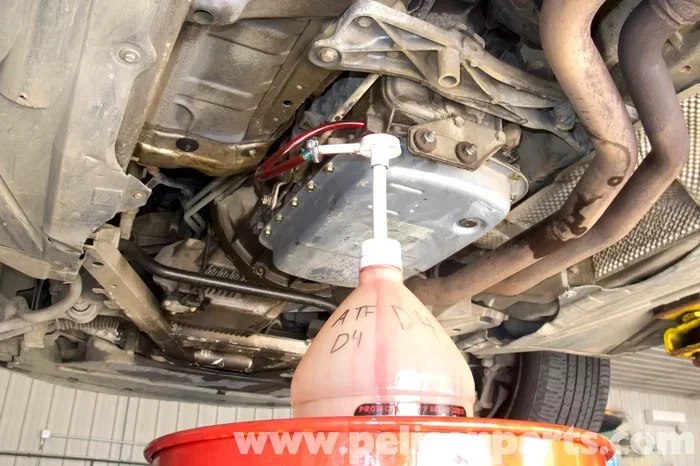
Putting transmission fluid in a BMW might seem straightforward, but there are a few alternative methods you should know about. Whether your BMW has a traditional dipstick or a fill plug-only system, this guide covers every safe way to add or change your transmission fluid. We will walk you through each method step by step so you can keep your BMW running smoothly.
BMW vehicles are engineering marvels. They are built for performance, precision, and long-lasting reliability. But even the best machines need regular care. One essential maintenance task every BMW owner should know is how to properly put transmission fluid in the vehicle. Whether you are topping off or doing a full change, understanding your options matters.
Many people wonder if there is any other way to put transmission fluid in a BMW besides the standard method. The good news is yes. There are several approaches depending on your BMW model, the type of transmission, and the tools you have available. This guide will walk you through every method in simple, clear steps. You will learn what tools you need, what to watch out for, and how to keep your BMW’s transmission healthy for years to come.
Key Takeaways
- Multiple Methods Exist: BMWs can be filled through a dipstick tube, a fill plug, or a drain plug depending on the model and year.
- Using the Right Fluid Matters: Always use the BMW-specified transmission fluid to avoid damage and ensure smooth shifting.
- Safety First: Work on a level surface and let the engine cool before adding or draining transmission fluid.
- Alternative Methods Save Time: Some approaches like using a fluid pump or vacuum extractor can make the process cleaner and faster.
- Know When to Call a Pro: If you are unsure or uncomfortable, a certified BMW mechanic can handle the job safely.
- Regular Maintenance Helps: Checking and changing your transmission fluid on schedule extends the life of your BMW’s gearbox.
📑 Table of Contents
Understanding BMW Transmission Fluid
Before diving into the methods, let us talk about what transmission fluid does and why it matters. Transmission fluid serves a few critical jobs. It lubricates the gears inside your transmission. It helps cool the system during operation. It also acts as a hydraulic fluid that helps your BMW shift smoothly.
What Type of Transmission Fluid Does a BMW Use?
BMW uses specific transmission fluid formulations. The most common types include BMW LT-71141 and BMW ATF 3+ for automatic transmissions. Manual BMW transmissions often require a different fluid, such as a GL-4 or GL-5 rated gear oil. Always check your owner’s manual or consult a BMW specialist to confirm the right fluid for your model. Using the wrong fluid can cause serious damage.
Why Transmission Fluid Level Matters
Low transmission fluid leads to poor shifting. It can cause grinding, slipping, or even complete transmission failure over time. High fluid levels are also problematic. They can cause foaming, which reduces lubrication. This is why checking your fluid level regularly and knowing the correct way to add fluid is so important.
Standard Methods for Adding Transmission Fluid
Most BMW owners use one of two standard methods to add transmission fluid. These are the most common and widely recommended approaches. Let us look at each one closely.
Method 1: Using the Dipstick Tube
Some BMW models, especially older ones, have a transmission dipstick. This works similarly to your engine oil dipstick. You pull it out, check the level, and pour fluid directly into the tube using a funnel. This is the simplest and most familiar method for most people.
Here is how to do it safely:
- Park your BMW on a level surface.
- Let the engine run for a few minutes to warm up the fluid.
- Shift through all gears and then return to park.
- Locate the transmission dipstick, usually near the back of the engine bay.
- Remove the dipstick, insert a funnel, and pour fluid slowly.
- Check the level frequently to avoid overfilling.
Method 2: Using the Fill Plug
Many newer BMW models do not have a transmission dipstick. Instead, they use a fill plug on the side of the transmission housing. This method requires you to raise the vehicle slightly and remove the plug to add fluid. It is a bit more involved but still very doable at home.
Steps for the fill plug method:
- Lift the front of the BMW using a jack and secure it with jack stands.
- Locate the fill plug on the transmission housing.
- Remove the plug using the correct size wrench.
- Insert a fluid pump or use a funnel to pour in the transmission fluid.
- Fill until fluid just reaches the opening of the plug hole.
- Reinstall the plug and tighten it securely.
Alternative Ways to Put Transmission Fluid in a BMW
If you are looking for other ways to handle this task, you are in the right place. Several alternative methods can make the process easier, cleaner, or more effective. Let us explore them.
Method 3: Using a Fluid Pump and Extension Tube
This is one of the most popular alternative methods. A fluid pump with a narrow extension tube allows you to reach the fill hole or dipstick tube without removing any parts. You simply insert the tube and pump fluid in. This method is especially useful for BMWs that do not have a dipstick.
Why this method works well:
- It gives you precise control over how much fluid you add.
- It reduces the risk of spills and mess.
- It works for both top-up and full fluid changes.
Method 4: Vacuum Extraction and Refill
Some BMW enthusiasts use a vacuum extractor to remove old fluid and then refill with new fluid. This method works well for a complete fluid change rather than just a top-off. You attach the vacuum tool to the dipstick or fill hole, extract the old fluid, and then use the same tool or a pump to add fresh fluid.
This approach is great because it allows you to change the fluid more thoroughly. You are not just topping off old fluid. You are replacing a larger portion of it. This can extend the life of your transmission significantly.
Method 5: Using the Drain Plug for a Full Fluid Change
For a complete transmission fluid replacement, some people prefer to drain the fluid through the drain plug. After draining, you wait for the fluid to stop dripping, reinstall the plug, and then refill through the fill hole. This method ensures the most complete fluid replacement possible.
Important tip: Always replace the drain plug washer or gasket when you reinstall it. This prevents leaks and keeps your transmission sealed properly.
Step-by-Step Guide for the Alternative Pump Method
Let us walk through the fluid pump method in detail since it is the most commonly used alternative approach.
What You Will Need
- A transmission fluid pump with a narrow tube attachment
- The correct BMW transmission fluid (check your owner’s manual)
- A funnel (optional, for extra precision)
- A clean rag or towel for spills
- Jack and jack stands if accessing from below
- Your BMW owner’s manual for reference
Step-by-Step Process
- Prepare the vehicle. Park on a flat surface and engage the parking brake. Let the engine cool slightly but not completely cold. Warm fluid flows better and gives a more accurate reading.
- Locate the fill point. Check your owner’s manual to find the fill plug or dipstick location for your specific BMW model.
- Attach the pump tube. Connect the narrow tube to your fluid pump. Insert it gently into the fill hole or dipstick tube.
- Pump fluid slowly. Add fluid in small amounts. Pause frequently to check the level if your vehicle has a way to measure it.
- Check for proper level. For dipstick models, reinsert the dipstick and check. For fill-plug models, fluid should reach just below the plug opening.
- Clean up and test drive. Wipe any spills with a clean rag. Start the engine, shift through the gears, and take a short test drive to verify smooth operation.
Quick Tips for Success
- Always use a clean funnel or pump tube to avoid contaminating the fluid.
- Do not overfill. Too much fluid can cause pressure buildup and leaks.
- Dispose of old transmission fluid properly at a recycling center.
- Keep a log of when you changed your fluid for future reference.
- After working under the car, make sure to sit in a chair properly to avoid back strain and fatigue during long garage sessions.
Common Mistakes to Avoid
Even with the best intentions, mistakes happen. Here are some common errors BMW owners make when putting in transmission fluid.
Using the Wrong Fluid Type
This is the number one mistake. Not all transmission fluids are the same. BMW requires specific formulations. Using a generic or incorrect fluid can lead to poor shifting, overheating, and expensive repairs. Always double-check your owner’s manual before purchasing fluid.
Overfilling the Transmission
It is easy to add too much fluid. Overfilling causes pressure inside the transmission to build up. This can lead to leaks, foaming, and reduced lubrication. Add fluid in small amounts and check frequently.
Ignoring the Fluid Condition
Before adding new fluid, check the color and smell of the existing fluid. Dark brown or black fluid with a burnt smell indicates it is time for a full change. Simply topping off old, degraded fluid does not solve the underlying problem.
Skipping the Warm-Up
Adding transmission fluid to a cold transmission gives an inaccurate reading. The fluid needs to be warm so it circulates properly and settles at the correct level. Run the engine for a few minutes before checking or adding fluid.
Not Tightening Plugs Properly
Loose fill or drain plugs can cause leaks. Always tighten them to the manufacturer’s recommended torque. Overtightening can strip threads, so use a torque wrench if possible.
When to Seek Professional Help
While many BMW owners can handle transmission fluid changes themselves, there are times when professional help is the best choice. If you notice any of the following signs, it is wise to visit a certified BMW mechanic.
- Your transmission fluid is leaking from multiple points.
- You hear grinding or clunking noises when shifting gears.
- The transmission slips or fails to engage properly.
- Your BMW’s dashboard shows a transmission warning light.
- You are unsure about which fluid type to use for your specific model.
A professional mechanic has the right tools, diagnostic equipment, and expertise to handle complex transmission issues. They can also perform a full transmission service, including a fluid and filter change, if your BMW requires it.
Remember, regular maintenance goes a long way. Just as you would take care of other parts of your vehicle, keeping your transmission fluid fresh helps your BMW perform at its best. And if you ever need to clean up after a messy job, knowing how to properly clean your workspace and tools is just as important as the repair itself.
Key Takeaways
- Multiple methods work for adding transmission fluid to a BMW: dipstick tube, fill plug, fluid pump, vacuum extraction, and drain plug drainage.
- Always use BMW-approved transmission fluid: Using the wrong fluid type can cause serious and costly damage.
- Precision is key: Add fluid in small amounts and check the level frequently to avoid overfilling.
- Warm the fluid before checking: This gives you a more accurate reading and better flow.
- Clean up spills promptly: Transmission fluid can damage surfaces, so have a rag ready and clean up any drips immediately.
- Know your limits: If the job feels too complex or you notice warning signs, trust a certified BMW technician.
- Regular maintenance pays off: Staying on top of your transmission fluid changes helps your BMW last longer and shift smoother.
Frequently Asked Questions
Can I use any transmission fluid for my BMW?
No, you should always use the transmission fluid specified by BMW for your particular model. Different BMW transmissions require different fluid types, such as BMW LT-71141 for certain automatics or GL-4 for manual transmissions. Using the wrong fluid can lead to poor performance and potential transmission damage. Check your owner’s manual or consult a BMW specialist to confirm the correct fluid.
How often should I change the transmission fluid in my BMW?
BMW generally recommends changing transmission fluid every 30,000 to 60,000 miles, depending on the model and driving conditions. If you drive in stop-and-go traffic or tow heavy loads, you may need to change it more frequently. Regularly checking the fluid condition can also help you determine if an earlier change is needed.
Is it safe to add transmission fluid with the engine running?
Yes, in most cases it is safe and recommended to add transmission fluid with the engine running. The engine needs to be running so the fluid circulates and settles at the proper level for an accurate reading. However, be careful around moving parts and make sure the vehicle is in park with the parking brake engaged.
What happens if I overfill my BMW transmission with fluid?
Overfilling can cause the fluid to foam, which reduces its lubricating ability. It can also create excess pressure inside the transmission, leading to leaks from seals and gaskets. If you suspect you have overfilled, drain the excess fluid carefully and recheck the level to bring it back to the proper range.
Do all BMW models have a transmission dipstick?
No, many newer BMW models do not come with a transmission dipstick. These models typically use a fill plug system instead. If your BMW does not have a dipstick, you will need to check the fluid level using the fill plug method or use a fluid pump to add fluid through the fill hole. Always refer to your owner’s manual for the correct procedure.
Can I mix old and new transmission fluid in my BMW?
In a pinch, you can top off with new fluid mixed with old fluid. However, for a complete fluid change, it is best to drain all the old fluid and replace it with fresh fluid. Mixing fluids is not ideal because the old fluid may contain contaminants and metal particles that reduce the effectiveness of the new fluid. A full drain and refill provides the best results for your BMW’s transmission health.
=== CONCLUSION ===
Knowing if there is any other way to put transmission fluid in a BMW opens up options for every owner. Whether you choose the standard dipstick method, a fill plug approach, or one of the alternative techniques like a fluid pump or vacuum extraction, the key is to do it correctly and safely. Always use the right BMW-specified fluid, take your time, and follow each step carefully.
Transmission maintenance is one of the most important things you can do for your BMW. It protects your investment and keeps your vehicle shifting smoothly for miles to come. With the information in this guide, you now have the knowledge and confidence to handle this task yourself or make informed decisions when visiting a mechanic. Take care of your BMW, and it will take care of you on every drive.

Similar Posts