Is Divorce a Sin in the Catholic Church
Recipe Developer & Kitchen Guide Writer at Choose Vacuum · Certified Home Economist, ServSafe Food Handler · 8+ years developing home recipes and testing everyday kitchen techniques
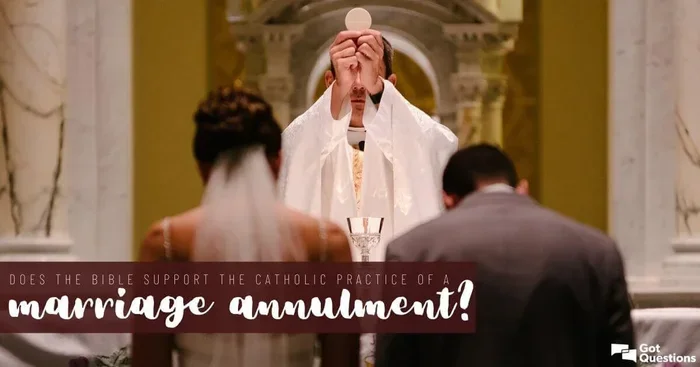
Divorce is considered a sin in the Catholic Church because the Church teaches that marriage is a sacrament that cannot be broken. The Catholic Church does not recognize divorce for sacramental marriages, but it does offer a path through annulment. Understanding Catholic teaching on divorce requires looking at Church doctrine, canon law, and the conditions under which a marriage may be declared invalid.
Is divorce a sin in the Catholic Church? This is a question many people ask, especially those going through difficult marriages or those who have already experienced divorce. The short answer is yes. The Catholic Church teaches that divorce goes against God’s plan for marriage. But the full answer is more nuanced than that. Let us walk through this together and understand what the Church really teaches.
The Catholic Church views marriage as something sacred. It is not just a legal contract. It is a sacrament, a holy bond between a man, a woman, and God. Because of this, the Church believes that a valid sacramental marriage cannot be broken by human action. When people ask about divorce in the Catholic Church, they often confuse divorce with annulment. These are very different things. Let us explore what each one means and how the Church handles them.
Key Takeaways
- Divorce is a sin: The Catholic Church does not recognize divorce for sacramental marriages.
- Annulment is different: An annulment declares that a valid marriage never existed.
- Remarriage is restricted: Catholics who divorce without an annulment cannot remarry in the Church.
- Canon law governs the process: The marriage tribunal handles annulment cases.
- Exceptions exist: The Pauline privilege and Petrine privilege allow for certain cases.
- God’s mercy applies: Divorced Catholics are still welcome in the Church community.
📑 Table of Contents
- What the Catholic Church Teaches About Marriage
- Why Divorce Is Considered a Sin
- Annulment: Not the Same as Divorce
- Can Divorced Catholics Remarry in the Church?
- Exceptions to the Rule
- What Happens After Divorce in the Catholic Church
- Common Misconceptions About Divorce and the Catholic Church
- How to Move Forward After Divorce as a Catholic
- Final Thoughts on Divorce and the Catholic Church
What the Catholic Church Teaches About Marriage
The Catholic Church teaches that marriage is a lifelong commitment. This teaching comes from both Scripture and Church tradition. Jesus himself said that what God has joined together, no human being should separate. This is found in the Gospel of Mark. The Church takes this very seriously. Marriage is one of the seven sacraments. It is a visible sign of God’s invisible grace.
The Sacrament of Marriage
When two Catholics get married in the Church, they enter into a sacramental marriage. This means the marriage is not just between the two people. God is also a party to it. The Church teaches that this bond is permanent. It cannot be dissolved by any human power. This is why divorce is seen as going against God’s will.
The Catechism of the Catholic Church is very clear on this point. It states that the marriage bond, once validly entered into, is binding. This is called the indissolubility of marriage. It means that a sacramental marriage lasts until death do the couple part. No one, not even the couple themselves, can end it.
Natural Marriage vs. Sacramental Marriage
Not all marriages in the Catholic Church are sacramental. Some marriages are considered natural marriages. These include marriages between non-Catholics or marriages where one person is not baptized. Natural marriages are still binding, but they do not carry the same sacramental weight. The Church still does not recognize divorce for natural marriages, but the rules can differ slightly.
Why Divorce Is Considered a Sin
Now let us get to the heart of the matter. Why does the Catholic Church consider divorce a sin? It comes down to the Church’s understanding of God’s plan for marriage. God designed marriage to be a permanent union. Divorce goes against this design. It breaks the covenant that was made before God.
The Church also teaches that divorce can cause real harm. It can hurt spouses, children, and families. The Church wants to protect the sanctity of marriage. It wants to encourage couples to work through their problems. Divorce is seen as a failure to live up to the promises made at the wedding.
What the Bible Says About Divorce
The Bible has a lot to say about marriage and divorce. Jesus addressed this directly in several places. In the Gospel of Matthew, Jesus says that anyone who divorces their spouse and marries another commits adultery. This is a strong statement. It shows how seriously the Church takes the permanence of marriage.
Paul also wrote about marriage in his letters. He taught that husbands and wives should not deprive each other of their conjugal rights. He encouraged couples to stay together. The Bible consistently presents marriage as a lifelong commitment.
The Church’s View on Civil Divorce
Here is where things get complicated. The Catholic Church does not forbid Catholics from obtaining a civil divorce. In some cases, a civil divorce may be necessary. For example, if there is abuse or danger involved, the Church understands that. A civil divorce does not make the marriage invalid in the eyes of the Church. It simply addresses the legal aspects of the relationship.
But the Church does teach that remarrying after a civil divorce, without an annulment, is sinful. This is because the Church still considers the first marriage valid. A Catholic who remarries without an annulment is considered to be living in an irregular situation. They cannot receive the sacraments in this state.
Annulment: Not the Same as Divorce
Many people confuse annulment with divorce. They are not the same thing. An annulment is a declaration by the Church that a valid marriage never existed. This is very different from divorce. Divorce ends a valid marriage. Annulment says that there was never a valid marriage to begin with.
The Catholic Church has a formal process for annulment. This process is handled by a marriage tribunal. A tribunal is a Church court. It examines the circumstances of the marriage to determine whether it was valid from the start.
Grounds for Annulment
There are several reasons a marriage might be annulled. Here are some of the most common grounds:
- Lack of consent: One or both spouses did not freely consent to the marriage.
- Impediments: There was a legal or canonical barrier to the marriage.
- Defect of form: The marriage was not celebrated according to Church rules.
- Lack of capacity: One spouse lacked the psychological ability to enter into marriage.
- Fraud or force: One spouse used fraud or force to get the other to marry.
- Ignorance: One spouse did not understand the nature of the marriage commitment.
The Annulment Process
The annulment process can take time. It involves gathering evidence and testimony. Both spouses have the opportunity to present their side. A tribunal panel reviews the case and makes a decision. If the tribunal grants the annulment, the marriage is declared invalid from the beginning.
An annulment is not a quick fix. It is a serious process. The Church takes it seriously because it involves the sanctity of marriage. Not every annulment request is granted. Many are denied because the evidence does not support the claim.
Can Divorced Catholics Remarry in the Church?
This is one of the most common questions people ask. Can a divorced Catholic remarry in the Church? The answer depends on whether an annulment was granted. If an annulment is granted, the previous marriage is declared invalid. The person is free to marry again in the Church.
If no annulment is granted, the person is still considered married in the eyes of the Church. They cannot remarry in the Church while the first spouse is alive. This is a difficult teaching for many people. But the Church believes it is protecting the sanctity of marriage.
The Role of Church Authority
Much like a committee chair in the House of Representatives is always bound by the rules of their position, the Church follows its own authority and canon law when making decisions about marriage. The Pope and bishops exercise teaching authority in matters of doctrine, and the marriage tribunal exercises judicial authority in marriage cases. These authorities work within the framework of Church law to ensure justice and mercy are both served.
The Church also has what is called the Petrine privilege. This allows the Pope to dissolve certain marriages under specific circumstances. This is rare, but it does exist. The Petrine privilege applies mainly to marriages between non-baptized persons.
Living in an Irregular Situation
Divorced Catholics who have remarried without an annulment are said to be living in an irregular situation. This means they cannot receive the sacraments. The Church does not turn them away. They are still welcome to attend Mass and participate in the community. But they are asked to live according to Church teaching.
Pope Francis has made some changes to how the Church handles these situations. In his apostolic exhortation Amoris Laetitia, he encouraged pastors to accompany divorced and remarried Catholics with mercy. He did not change the teaching on divorce. But he emphasized the importance of pastoral care and understanding.
Exceptions to the Rule
While divorce is generally considered a sin in the Catholic Church, there are some exceptions. These exceptions are rare, but they do exist. Understanding them can help people who are going through difficult situations.
The Pauline Privilege
The Pauline privilege is one of the most important exceptions. It comes from the Apostle Paul’s writings. This privilege allows the Church to dissolve a marriage between two non-baptized persons if one of them later becomes baptized and wants to marry a baptized person. This is also called the privilege of the faith.
Here is how it works. Two non-baptized persons get married. Later, one of them becomes a Catholic. They want to marry a baptized Catholic. The Church can dissolve the first marriage under the Pauline privilege. This allows the Catholic to marry in the Church.
The Petrine Privilege
The Petrine privilege is similar but different. It is exercised by the Pope. It allows the Church to dissolve a marriage between two non-baptized persons at the request of a baptized person. This privilege is named after Saint Peter, who holds the keys to the kingdom of heaven.
Both the Pauline and Petrine privileges are rare. They only apply to marriages between non-baptized persons. They do not apply to sacramental marriages between two baptized Catholics.
Other Grounds for Dissolution
In very rare cases, the Church may grant a dissolution of a sacramental marriage. This is not an annulment. It is a dissolution. The conditions for this are very strict. They usually involve extreme circumstances. The Church does not take this step lightly.
What Happens After Divorce in the Catholic Church
Going through a divorce as a Catholic can be emotionally and spiritually challenging. The Church understands this. It offers support and guidance to those who are struggling. Divorced Catholics are not excommunicated. They are still members of the Church.
Here are some things divorced Catholics should know:
- You are still welcome: The Church wants you to stay involved in the community.
- You can still pray: Divorce does not stop your relationship with God.
- You can attend Mass: Divorced Catholics can still attend Mass and receive Communion if they are not remarried.
- You can seek an annulment: The Church encourages you to explore whether your marriage may have been invalid.
- You can find support: Many parishes offer support groups for divorced Catholics.
The Church teaches that divorce does not define a person. It does not cut them off from God’s love. God’s mercy is always available. The Church wants to help people heal and move forward.
Common Misconceptions About Divorce and the Catholic Church
There are many misconceptions about divorce in the Catholic Church. Let us clear up some of the most common ones.
Misconception 1: The Catholic Church never allows divorce. This is not entirely true. The Church does not recognize divorce for sacramental marriages. But it does allow for civil divorce in certain situations. And it does have processes for annulment and dissolution.
Misconception 2: Annulment means the marriage was fake. An annulment does not mean the marriage was fake or that the love was not real. It means that something was missing at the time of the wedding that made the marriage invalid.
Misconception 3: Divorced Catholics are banned from the Church. Divorced Catholics are still welcome in the Church. They can attend Mass, pray, and participate in parish life. The restrictions mainly apply to remarriage and sacraments.
Misconception 4: The annulment process is easy. The annulment process is not easy. It can take months or even years. It requires thorough investigation. Many annulment requests are denied.
Misconception 5: Divorce is the unforgivable sin. Divorce is not the unforgivable sin. God’s forgiveness is always available. The Church teaches that divorced Catholics can still receive God’s grace and mercy.
How to Move Forward After Divorce as a Catholic
If you are a Catholic who has gone through a divorce, you are not alone. Many Catholics face this situation. The Church offers guidance and support. Here are some steps you can take to move forward.
- Talk to your pastor: Your parish priest can offer guidance and support. He can help you understand your options.
- Explore the annulment process: Talk to your diocesan tribunal about whether an annulment might be possible.
- Stay connected to the Church: Continue attending Mass and participating in parish life.
- Seek counseling: Consider speaking with a Catholic counselor or spiritual director.
- Lean on your community: Lean on your faith community for support and encouragement.
- Pray for healing: Prayer can bring comfort and strength during difficult times.
Remember that God loves you no matter what. Divorce does not make you a bad Catholic. It does not cut you off from God’s love. The Church is a place of mercy and healing. You are always welcome there.
Final Thoughts on Divorce and the Catholic Church
Is divorce a sin in the Catholic Church? Yes, the Church teaches that divorce for sacramental marriages is a sin. But the Church also teaches that God’s mercy is greater than any sin. The Church does not want to condemn divorced Catholics. It wants to help them heal and find their way back to God.
The Catholic Church’s teaching on divorce is rooted in its understanding of marriage as a sacred and lifelong commitment. This teaching may be difficult for some to accept. But it comes from a place of love and care for the institution of marriage and for the people who are affected by divorce.
If you are going through a divorce or have been through one, know that you are not alone. The Church is with you. God is with you. There is always hope for healing and renewal.
Frequently Asked Questions
Is divorce ever allowed in the Catholic Church?
The Catholic Church does not recognize divorce for sacramental marriages. However, civil divorce may be permitted in certain situations, such as abuse or danger. A civil divorce does not end the marriage in the eyes of the Church, but it can be necessary for legal protection.
What is the difference between divorce and annulment?
Divorce ends a valid marriage, while an annulment declares that a valid marriage never existed. The Church does not recognize divorce for sacramental marriages. Annulment is a formal process handled by a Church tribunal that determines whether the marriage was valid from the beginning.
Can a divorced Catholic receive Communion?
A divorced Catholic who has not remarried can still receive Communion. A divorced Catholic who has remarried without an annulment is considered to be living in an irregular situation and should not receive Communion until the situation is resolved.
How long does the annulment process take?
The annulment process can take several months to a few years. It depends on the complexity of the case and the tribunal’s schedule. Each case is reviewed individually, and the Church takes the process seriously.
Does the Catholic Church allow remarriage after divorce?
The Catholic Church allows remarriage after divorce only if an annulment has been granted. Without an annulment, a divorced Catholic is still considered married in the eyes of the Church and cannot remarry. Exceptions like the Pauline privilege may apply in limited circumstances.
What happens if a Catholic marries outside the Church?
A Catholic who marries outside the Church without permission from their bishop is in an invalid marriage. This is called a disparity of cult or a marriage without proper form. An annulment may be granted more easily in these cases because the marriage did not follow Church requirements.
=== CONCLUSION ===
Is divorce a sin in the Catholic Church? Yes, according to Catholic doctrine, divorce for a sacramental marriage is considered a sin. The Church teaches that marriage is a lifelong sacrament that cannot be broken by human action. However, the Church also offers paths to healing and resolution. Annulment, the Pauline privilege, and the Petrine privilege provide alternatives for those in difficult situations.
The Church’s teaching on divorce is not meant to punish. It is meant to protect the sacredness of marriage. It is meant to guide people toward God’s plan for their lives. If you are a Catholic going through divorce, know that the Church still loves you and welcomes you. God’s mercy is always available, and there is always hope for a new beginning.

Similar Posts































