If the Tow Company Has Your Car for a Long Time Can You Sell It to Them
Recipe Developer & Kitchen Guide Writer at Choose Vacuum · Certified Home Economist, ServSafe Food Handler · 8+ years developing home recipes and testing everyday kitchen techniques
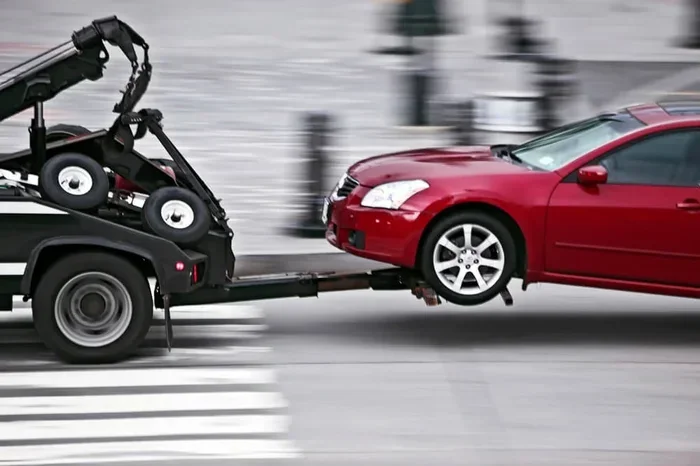
Yes, you may be able to sell your car to a tow company if they have held it for an extended period. However, the process depends on your state laws, the tow company’s policies, and whether you still owe money on the vehicle. Understanding your rights as a car owner can save you time, money, and unnecessary stress during a difficult situation.
If the tow company has your car for a long time can you sell it to them? This is a question many car owners face after an accident, breakdown, or roadside incident. The short answer is yes, in most cases you can sell your vehicle back to the tow company. But the process is not always simple, and there are several important factors you need to understand before making any decisions.
When your car ends up at a tow yard, it can feel overwhelming. You are dealing with stress, possible repairs, and mounting storage fees. The last thing you want to worry about is whether you can sell the vehicle. This guide walks you through everything you need to know about selling a car that a tow company has been holding. We will cover your legal rights, the steps to take, potential costs, and the best strategies to get the best outcome.
Key Takeaways
- You can sell your car to a tow company: In many cases, tow companies will purchase vehicles they have stored for an extended time.
- State laws vary: Each state has different rules about how long a tow company can hold your vehicle before taking action.
- You must clear the title: You cannot legally sell a vehicle with an outstanding lien or unpaid loans.
- Storage fees add up fast: The longer your car stays at the tow yard, the more you will pay in daily storage charges.
- Act quickly: The sooner you address the situation, the more options you will have and the less money you will lose.
- Get everything in writing: Always document all agreements with the tow company before handing over ownership.
📑 Table of Contents
- What Happens When a Tow Company Keeps Your Car
- Your Rights as a Car Owner
- Can You Sell a Car That Is Still at the Tow Company?
- How Long Can a Tow Company Hold Your Vehicle
- Steps to Take If You Want to Sell Your Towed Car
- What to Do If the Tow Company Sells Your Vehicle Without Your Consent
- Common Mistakes to Avoid
- Expert Insights on Selling Towed Vehicles
- Conclusion
What Happens When a Tow Company Keeps Your Car
When your vehicle gets towed, it goes to an impound lot or a storage facility owned by the towing company. The tow company is legally required to store your vehicle safely until the situation is resolved. But what happens over time? Let us break this down.
The Towing and Storage Process
After your car is towed, the company will document its condition. They will take photos and note any existing damage. This is important because it protects both you and the tow company. You will receive a towing receipt and a storage notice. These documents contain key information about retrieval fees, daily storage rates, and the timeline for reclaiming your vehicle.
Most tow yards charge a flat fee for towing plus a daily storage fee. These costs can range from 50 to 150 dollars per day depending on your location and the type of vehicle. Over time, these fees can add up to hundreds or even thousands of dollars. This is exactly why many car owners start wondering about selling the vehicle instead of paying to get it back.
Why Tow Companies Hold Vehicles for Long Periods
There are several reasons a tow company might keep your car for an extended period. Sometimes it is because you have not paid the storage fees. Other times, it is because there is an ongoing insurance claim or legal matter. In some cases, the vehicle is simply waiting for the owner to come forward.
Tow companies are in the business of vehicle storage and recovery. They prefer to return cars to their owners. But when a vehicle sits for weeks or months without being claimed, the tow company starts losing money on daily storage costs. This is where the possibility of selling the vehicle comes into play.
Your Rights as a Car Owner
Understanding your rights is the most important step in this process. You are the legal owner of your vehicle, and no tow company can simply take it from you without following proper procedures. However, your rights do have limits, especially when it comes to unpaid fees and outstanding loans.
Legal Ownership and the Vehicle Title
The vehicle title is the most important document you own when it comes to your car. If the title is in your name and you have no outstanding loans, you are the sole legal owner. This means you have the right to sell the vehicle to anyone, including the tow company.
But if you still owe money on an auto loan, the lender holds a lien on the title. A lien means the lender has a legal claim to the vehicle until the loan is paid off. In this case, you cannot sell the car without paying off the lien first. The tow company will also not accept a vehicle with an outstanding lien unless the lien is cleared.
State Laws on Tow Company Holding Periods
Every state has its own laws about how long a tow company can hold a vehicle. Some states require the tow company to notify the owner after a certain number of days. Other states set a maximum holding period after which the tow company can take ownership of the vehicle.
For example, in California, a tow company must hold a vehicle for at least 30 days and notify the owner. In Texas, the holding period can be as short as 15 days before the tow company can sell the vehicle at auction. You should check your state’s specific laws to understand what applies to your situation.
Can You Sell a Car That Is Still at the Tow Company?
This is the core question, and the answer is yes, you can sell your car to the tow company even if they have been holding it. But there are specific conditions and steps you must follow to make this happen legally and smoothly.
Selling Directly to the Tow Company
Many tow companies are open to buying vehicles from owners. They do this because it saves them the cost of long-term storage and the hassle of handling abandoned vehicles. When you sell your car directly to the tow company, you can often get a fair price, especially if the vehicle is still in decent condition.
The tow company will typically inspect the vehicle and make you an offer based on its market value, condition, and any repair needs. If you accept the offer, you will sign a bill of sale and transfer the title. The tow company will then handle the rest, including paying off any storage fees you owe.
One thing to keep in mind is that your car’s interior condition matters too. If you have been sitting in the driver’s seat waiting for updates on your vehicle, you know how stressful this process can be. But the condition of your car’s seats and interior can actually affect the tow company’s offer. A well-maintained interior can help you get a better price.
Selling to a Third Party While the Car Is Towed
You are not limited to selling only to the tow company. You can also sell your vehicle to a private buyer or a dealership while it is still at the tow yard. However, this process is more complicated because the buyer will need to pick up the vehicle or arrange for transport.
Before you sell to a third party, you must make sure all storage fees are paid or accounted for. Most buyers will not want to take on the responsibility of unpaid towing and storage costs. You should also check with the tow company to see if they allow third-party pickups, as some yards have strict policies about who can access the vehicles in their lot.
What If the Car Needs Repairs?
If your vehicle was damaged during the towing process or while sitting in the yard, this will affect its sale value. Tow companies will factor in repair costs when making you an offer. In some cases, the damage might be minor and easily fixable. In other cases, the vehicle might be considered a total loss.
If the damage is significant, you might want to consider selling the car for parts. Many tow companies and salvage yards buy vehicles for their parts and scrap value. While you might not get top dollar, you can at least recover some of the costs you have already paid in storage fees.
Reupholstering or Repairing Your Car Seats Before Sale
If your car has been sitting for a long time, the seats may show wear and tear. You might consider making repairs before selling. For example, if the back seat of your car is damaged, you could look into how to recover the back of a chair as a DIY approach to seat repair. Similarly, if the leather is worn, understanding whether you can reupholster leather could help you improve the vehicle’s appearance and boost its sale value.
Even small improvements like cleaning the seats, fixing small tears, or replacing seat covers can make a big difference in the tow company’s offer. Think of it as an investment that could return you more money when you sell.
How Long Can a Tow Company Hold Your Vehicle
The length of time a tow company can hold your vehicle depends on your state laws and the reason for the tow. Understanding these timelines is crucial because they directly impact your decision about whether to sell the vehicle or continue paying storage fees.
Typical Holding Periods by State
Most states require tow companies to release vehicles within 30 to 60 days of the initial tow. If the owner does not reclaim the vehicle within this period, the tow company may have the legal right to sell it at auction or dispose of it. However, this varies widely by jurisdiction.
Here is a general overview of common holding periods:
- 15 to 30 days: Some states allow tow companies to hold vehicles for a short period before taking further action.
- 30 to 60 days: This is the most common holding period across many states.
- 60 to 90 days: A few states allow longer holding periods, especially if there are ongoing legal disputes.
What Happens When the Holding Period Expires
When the holding period expires and the owner has not claimed the vehicle, the tow company may send a final notice. This notice typically gives the owner a short window to respond before the vehicle is sold or disposed of. If you receive a final notice, you need to act quickly.
If you do not respond, the tow company may sell the vehicle at a public auction or sell it to a salvage yard. The proceeds from the sale are typically used to cover the towing and storage fees you owe. Any remaining balance is usually returned to you, but if the sale does not cover the fees, you may still owe money.
The Cost of Waiting Too Long
Waiting too long to address your towed vehicle can be very expensive. Storage fees accumulate daily, and the longer you wait, the more you will owe. In some cases, the storage fees can exceed the actual value of the vehicle. When this happens, it makes financial sense to sell the car to the tow company rather than continuing to pay for storage.
For example, if your car is worth 2,000 dollars and your storage fees have already reached 1,500 dollars, you are essentially losing most of the vehicle’s value just by keeping it in the lot. Selling it to the tow company at that point could help you recover some of that money and avoid further costs.
Steps to Take If You Want to Sell Your Towed Car
If you have decided to sell your car to the tow company, there are specific steps you should follow to ensure the process goes smoothly and you get the best possible outcome.
Step 1: Gather Your Documents
Before you approach the tow company, gather all relevant documents. You will need the vehicle title, your photo ID, the towing receipt, and any storage fee invoices. Having these documents ready will speed up the process and show the tow company that you are the legitimate owner.
Step 2: Contact the Tow Company
Call the tow company and ask about their process for selling a vehicle they are storing. Some companies have a dedicated department for vehicle purchases. Others may require you to speak with a manager or the owner. Be clear about your intention to sell and ask about their requirements.
Step 3: Get an Inspection and Offer
The tow company will want to inspect your vehicle before making an offer. Be present during the inspection so you can point out any damage that occurred during the towing process. This documentation can be valuable if you ever need to dispute the offer or seek compensation.
Once the inspection is complete, the tow company will make you a written offer. Review the offer carefully and make sure it accounts for the vehicle’s condition, market value, and any outstanding fees. Do not feel pressured to accept the first offer. It is perfectly acceptable to ask for time to consider the offer or to negotiate.
Step 4: Complete the Sale
If you accept the offer, the tow company will provide you with a bill of sale. This document transfers ownership of the vehicle from you to the tow company. Make sure the bill of sale includes the vehicle identification number, the sale price, and the date of the transaction.
You should also request a receipt for any storage fees that are being deducted from the sale price. This protects you in case of any future disputes. Once the sale is complete, the tow company will handle the title transfer with your state’s department of motor vehicles.
Step 5: Follow Up on the Title Transfer
After the sale, check with your state’s DMV to confirm that the title has been transferred. This step is critical because if the title is not properly transferred, you could still be held responsible for the vehicle. This includes any parking tickets, toll violations, or liability issues that arise after the sale.
What to Do If the Tow Company Sells Your Vehicle Without Your Consent
In some cases, a tow company may sell your vehicle without your explicit permission. This typically happens when the holding period has expired and you have not responded to notices. While this is legal in many states, it can be frustrating and financially damaging for the owner.
If you believe your vehicle was sold improperly, you have the right to dispute the sale. Contact the tow company first to understand their reasoning. If you are not satisfied with their response, you can file a complaint with your state’s consumer protection agency or the department of motor vehicles.
You may also want to consult with a lawyer who specializes in tow company disputes. They can help you understand your legal options and determine whether you are entitled to compensation for the sale of your vehicle.
Common Mistakes to Avoid
When dealing with a towed vehicle, it is easy to make mistakes that can cost you time and money. Here are some common pitfalls to avoid:
- Ignoring storage fee bills: Even if you do not plan to pay them, you need to know how much you owe.
- Waiting too long to act: The longer you wait, the more fees accumulate and the less your vehicle is worth.
- Not checking the tow company’s reputation: Some tow companies have a history of unfair practices. Research them before agreeing to anything.
- Skipping the inspection: Always be present during the vehicle inspection and document any existing damage.
- Forgetting about the lien: If you have an outstanding auto loan, you cannot sell the vehicle until the lien is cleared.
Expert Insights on Selling Towed Vehicles
Industry professionals recommend taking a proactive approach when dealing with a towed vehicle. The sooner you address the situation, the more control you have over the outcome. Towing companies prefer to work with owners who are responsive and organized.
According to industry experts, the average tow company would rather sell a vehicle to the owner than to a third party or at auction. This is because a direct sale is faster, simpler, and avoids the costs associated with auctions and storage. Use this to your advantage when negotiating the sale price.
One tip from industry insiders is to always ask for a written breakdown of the fees and the offer price. This transparency builds trust and ensures there are no surprises later in the process. It also gives you leverage to negotiate if you feel the offer is too low.
Additionally, if your vehicle has been sitting for a very long time, consider whether it might be more cost-effective to simply let the tow company handle it. Sometimes the storage fees alone make it not worth trying to reclaim or sell the vehicle. In these cases, a direct sale to the tow company can be the cleanest and most efficient solution.
Remember, your car’s condition plays a role in the offer you receive. While you cannot change the mechanical condition of a vehicle that has been sitting, you can improve its appearance. Something as simple as cleaning the interior or fixing minor cosmetic issues can help. Even something like replacing a worn slipcover on a seat could make the interior look more presentable and potentially increase the offer you receive.
Conclusion
If the tow company has your car for a long time, you absolutely can sell it to them. The process is straightforward as long as you understand your rights, gather the necessary documents, and act in a timely manner. Whether you choose to sell directly to the tow company or to a third party, the key is to be informed and proactive.
Do not let storage fees eat away at the value of your vehicle. Take control of the situation by understanding the holding period laws in your state, negotiating a fair price, and completing the sale properly. With the right approach, you can turn a stressful situation into a manageable resolution and move forward with your life.
The most important takeaway is this: you have options. You do not have to sit and watch your car sit in a tow yard while fees pile up. Whether you sell it, reclaim it, or let the tow company handle it, the power is in your hands as the legal owner of the vehicle.
Frequently Asked Questions
Can I sell my car to the tow company if I still owe money on it?
You cannot sell the car until the lien is cleared. The tow company will not accept a vehicle with an outstanding loan. You will need to pay off the remaining balance on your auto loan before you can legally transfer ownership to the tow company or any other buyer.
How much can I expect to get if I sell my car to a tow company?
The offer depends on the vehicle’s make, model, year, condition, and market value. Tow companies typically offer between 50 and 75 percent of the vehicle’s fair market value. The offer may be lower if the vehicle needs significant repairs or has been damaged during the towing process.
What if the tow company refuses to buy my car?
Not all tow companies purchase vehicles from owners. If the company you are dealing with does not buy cars, you can still sell the vehicle to a private buyer or a dealership. You will need to arrange for the vehicle to be transported from the tow yard, which may involve additional costs.
Do I need to be present when the tow company inspects my car?
Yes, it is highly recommended that you be present during the inspection. This allows you to document the vehicle’s condition, point out any pre-existing damage, and ensure the inspection is thorough and fair. Being present also gives you the opportunity to negotiate based on any issues the inspector finds.
Can I reclaim my car instead of selling it to the tow company?
Yes, you can reclaim your car at any time by paying the towing and storage fees. However, if the fees have accumulated to a point where they exceed the vehicle’s value, it may not make financial sense to reclaim it. In those cases, selling the car to the tow company is often the better option.
What happens to my personal belongings left in the towed car?
You have the right to retrieve your personal belongings from the vehicle. Most tow companies will allow you access to the vehicle to collect your items, but you may need to make an appointment and show identification. It is best to retrieve your belongings as soon as possible, as some tow yards have policies about removing items after a certain period.

Similar Posts