The Ultimate Hummingbird Food Recipe Sugar Water Guide
Recipe Developer & Kitchen Guide Writer at Choose Vacuum · Certified Home Economist, ServSafe Food Handler · 8+ years developing home recipes and testing everyday kitchen techniques
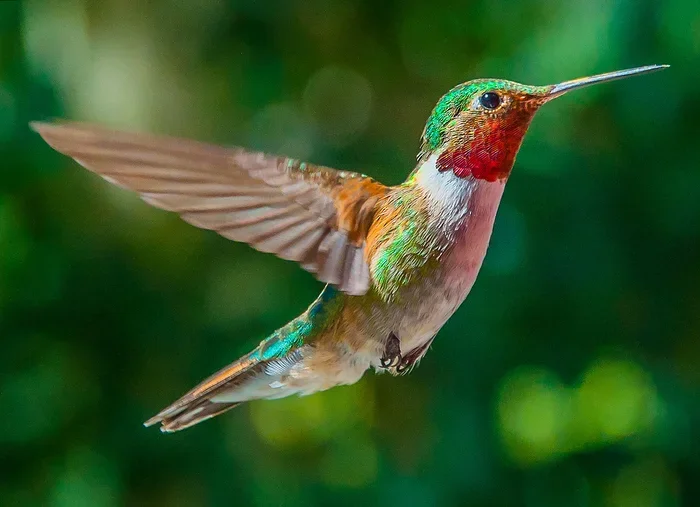
Making hummingbird food at home is simple, affordable, and one of the best ways to attract these dazzling birds to your yard. All you need is white sugar and water in the right ratio to create a safe, healthy nectar that mimics natural flower nectar. This guide covers everything from the basic recipe to feeding tips, common mistakes, and how to keep your hummingbird feeder clean and fresh all season long.
There is something magical about watching a hummingbird hover at your feeder. These tiny, vibrant birds dart through gardens with incredible speed, and their humming wings create a sound like living jewelry. If you have ever wanted to bring these amazing creatures closer to your home, learning the right hummingbird food recipe sugar water is the first and most important step.
Making nectar at home is incredibly easy. You do not need fancy ingredients or expensive store-bought mixes. Just two things, and a little patience, are all it takes. This guide walks you through everything you need to know about creating the best homemade nectar, keeping your feeder clean, and attracting more hummingbirds to your yard.
## Why Homemade Hummingbird Nectar Is the Best Choice
### Save Money and Keep It Natural
Store-bought hummingbird nectar can be expensive, and many brands contain additives you do not want near your birds. When you make your own hummingbird food recipe sugar water, you control exactly what goes into it. No preservatives, no artificial colors, no mystery ingredients. Just pure, simple nectar that hummingbirds love.
### A Healthier Option for Your Birds
Homemade nectar is safer for hummingbirds because you avoid harmful chemicals. Some commercial nectar products use red dye, which has been linked to health problems in birds. By making your own, you ensure that every drop is clean and natural. This small effort makes a big difference in the health and lifespan of the hummingbirds visiting your garden.
## The Perfect Hummingbird Food Recipe Sugar Water Ratio
### The Basic Recipe
The standard hummingbird nectar recipe is simple and reliable. Here is what you need:
- 1 part white granulated sugar
- 4 parts water
For example, use 1 cup of sugar with 4 cups of water. This creates a sugar water concentration that closely resembles the natural nectar found in flowers. It is sweet enough to attract hummingbirds but not so concentrated that it harms them.
### How to Make It Step by Step
Follow these easy steps to prepare your nectar:
- Boil the water first to remove chlorine and impurities.
- Stir in the white sugar until it dissolves completely.
- Let the solution cool to room temperature before using.
- Pour the cooled nectar into a clean hummingbird feeder.
- Store any extra nectar in the refrigerator for up to one week.
Never use honey, brown sugar, or artificial sweeteners. These can ferment quickly or contain substances harmful to hummingbirds. Stick with plain white granulated sugar for the safest and most effective hummingbird food ingredients.
## Where to Place Your Hummingbird Feeder
### Choose the Right Spot
The location of your hummingbird feeder matters more than most people realize. Place it in a shaded area to slow down fermentation and keep the nectar fresh longer. Direct sunlight can cause the sugar water to spoil within hours, especially on hot days.
### Keep It Safe from Predators
Hang your feeder away from areas where cats or other predators can easily reach it. A height of about 5 feet off the ground works well. You can also position it near shrubs or trees so hummingbirds have a quick escape route if they feel threatened.
### Make It Easy to Refill
Choose a spot where you can easily access the feeder for cleaning and refilling. If it is too high or tucked away in a corner, you might skip maintenance, which can harm the birds. Think about convenience when you decide on the final hummingbird feeding tips for your setup.
## How Often to Change the Sugar Water
### The 3-to-5-Day Rule
Fresh nectar is essential for healthy hummingbirds. Change your sugar water for hummingbirds every 3 to 5 days, even if it looks fine. Fermentation can start invisibly, and mold can grow quickly in warm weather.
### Signs Your Nectar Needs Changing
Watch for these warning signs:
- The nectar turns cloudy or murky
- You see black spots inside the feeder
- The liquid smells sour or off
- Hummingbirds stop visiting the feeder
If you notice any of these, clean the feeder immediately and replace the nectar with a fresh batch. Regular maintenance is one of the most important hummingbird care practices you can follow.
## Common Mistakes to Avoid When Making Hummingbird Nectar
### Using the Wrong Sugar
This is the most common mistake people make. Never use brown sugar, powdered sugar, honey, or artificial sweeteners. These alternatives can cause digestive problems or promote dangerous bacterial growth. White granulated sugar is the only safe choice for your hummingbird food recipe sugar water.
### Adding Red Dye
Many people think red dye helps attract hummingbirds. This is a myth. The hummingbird feeder itself already has red parts that draw birds in. Adding dye is unnecessary and potentially harmful. Keep your nectar pure and natural.
### Making the Mixture Too Concentrated
Some folks think a stronger sugar solution will give hummingbirds more energy. In reality, overly concentrated nectar can dehydrate birds and damage their kidneys. Always stick to the 1:4 ratio for a safe and effective nectar solution.
### Ignoring Feeder Cleanliness
A dirty feeder can harbor mold and bacteria that make hummingbirds sick. Clean your feeder thoroughly every time you change the nectar. Use hot water and a bottle brush, and rinse well. For deeper cleaning, use a mild vinegar solution once a month.
## Attracting More Hummingbirds to Your Backyard
### Plant Native Flowers
While a hummingbird feeder is a great attractant, pairing it with native flowering plants creates an even better habitat. Hummingbirds love tubular flowers like bee balm, trumpet vine, and salvia. These plants provide natural nectar and make your garden a hummingbird hotspot.
### Create a Hummingbird Garden
Design your yard with hummingbirds in mind. Group brightly colored flowers together, add a small water feature, and keep pesticide use to a minimum. A well-planned hummingbird garden gives birds food, shelter, and safe spaces to nest.
### Enjoy the Experience from Your Outdoor Setup
Once your feeder is up and working, sit back and enjoy the show. If you want to relax nearby while watching hummingbirds, consider setting up a comfortable outdoor seat. For a fun and easy outdoor option, a blow up water chair makes a great spot to lounge in the garden while you observe your tiny visitors at the feeder.
## Expert Tips for Year-Round Hummingbird Feeding
### Adjust the Recipe for Hot Weather
In very hot climates, you can slightly weaken the nectar by using a 1:5 ratio. This helps prevent fermentation during peak heat. Monitor your feeder more frequently and change the nectar every 2 to 3 days when temperatures soar.
### Feed During Migration Seasons
Hummingbirds pass through many areas during spring and fall migration. Having a clean, filled feeder ready during these times can provide a crucial energy boost for migrating birds. This is especially helpful if natural nectar sources are scarce along their route.
### Keep Multiple Feeders Strategically Placed
If you want to attract more hummingbirds, consider adding a second or third feeder. Place them in different parts of your yard to reduce competition. More feeding stations mean more birds and more entertainment for you.
## Final Thoughts on Your Hummingbird Food Recipe Sugar Water
Making hummingbird nectar at home is one of the simplest and most rewarding things you can do for backyard wildlife. With just sugar and water, you create a safe, healthy food source that brings joy and color to your outdoor space. Follow the 1:4 ratio, keep your feeder clean, and change the nectar regularly.
If you are exploring ways to enhance your outdoor dining and garden experience, you might also enjoy checking out some Don Cha Peruvian food reviews for inspiration on creating a welcoming outdoor space where food and nature come together beautifully.
Remember, every hummingbird that visits your feeder is a tiny gift. Take care of them, and they will reward you with hours of wonder and beauty. Start your hummingbird food recipe sugar water today, and watch your garden come alive with these extraordinary birds.
Key Takeaways
- Simple Ingredients: Only white granulated sugar and water are needed for safe hummingbird nectar.
- Correct Ratio Matters: A 1:4 sugar-to-water ratio is the standard for homemade hummingbird food.
- No Red Dye Needed: Skip artificial dyes; the feeder color is enough to attract hummingbirds.
- Freshness Is Key: Change your sugar water every 3 to 5 days to prevent mold and fermentation.
- Clean Feeders Regularly: A clean feeder keeps hummingbirds healthy and coming back.
- Placement Matters: Hang your feeder in a shaded spot to keep the nectar fresh longer.
Frequently Asked Questions
Can I use bottled water instead of tap water for hummingbird nectar?
Yes, bottled water works fine if your tap water has high chlorine or mineral content. However, regular tap water is generally safe after boiling. The key is to use clean, fresh water for the best hummingbird nectar recipe results.
How long does homemade hummingbird nectar last in the refrigerator?
Store-bought nectar keeps for up to 7 days in the refrigerator. Always let it cool completely before putting it in the fridge. Discard any unused nectar after the one-week mark to ensure freshness and safety for the birds.
Why are hummingbirds not visiting my feeder?
There are several possible reasons. The nectar might be old or contaminated, the feeder could be in the wrong location, or there may not be enough natural food sources nearby. Try moving the feeder, refreshing the nectar, and adding native flowers to attract more visitors.
Is it okay to feed hummingbirds year-round?
Yes, year-round feeding is fine if you live in an area where hummingbirds are present throughout the year. In colder climates, remove the feeder during winter months when hummingbirds have migrated. Adjust your hummingbird feeding tips based on your local climate and bird activity.
Can I use a microwave to heat the water for hummingbird nectar?
Yes, a microwave works for heating water, but boiling on the stove is more reliable for ensuring proper temperature. The goal is to dissolve the sugar fully and sterilize the water. Always let the solution cool completely before filling the feeder.
What color should my hummingbird feeder be?
Red or orange feeders work best because these colors naturally attract hummingbirds. Avoid painting or adding red dye to the nectar itself. The feeder color is sufficient to draw birds in, and keeping the nectar pure protects their health.
=== CONCLUSION ===
The ultimate hummingbird food recipe sugar water guide shows you that feeding these beautiful birds is easy, affordable, and deeply rewarding. Stick to the simple 1:4 ratio, use only white granulated sugar, and commit to regular cleaning and fresh nectar changes. Your backyard will soon become a favorite stop for hummingbirds, and you will get to enjoy their incredible energy and color every single day. Start today, and let the magic of hummingbird feeding begin.

Similar Posts































