How to Maintain Waxing a Car
Recipe Developer & Kitchen Guide Writer at Choose Vacuum · Certified Home Economist, ServSafe Food Handler · 8+ years developing home recipes and testing everyday kitchen techniques
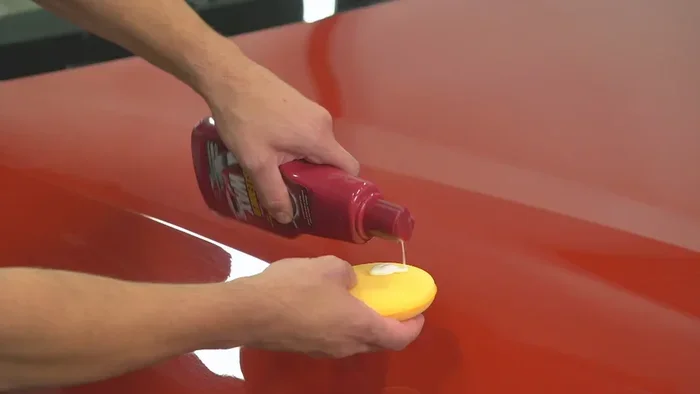
Maintaining your car wax is essential for protecting your vehicle’s paint and keeping it looking showroom fresh. Regular waxing shields against UV rays, dirt, and oxidation while extending the life of your paint job. This guide covers everything from choosing the right wax to applying it like a pro.
Maintaining wax on your car is one of the simplest yet most effective ways to protect your vehicle’s paint and keep it looking stunning. Whether you are a car enthusiast or someone who just wants their daily driver to look great, maintain waxing a car should be part of your regular routine. A good wax job does more than make your car shine. It creates a protective barrier that shields your paint from UV rays, dirt, bird droppings, and everyday wear. In this guide, we will walk you through everything you need to know about keeping your car waxed and protected all year long.
If you have ever wondered why your friend’s car always looks so glossy while yours seems to fade after just a few weeks, the answer is simple. They are maintaining their wax. Think of car wax like sunscreen for your vehicle. Without it, the paint is left exposed to the elements. With proper care and regular application, you can keep your car looking brand new for years. Let us dive into the details of how to make waxing a car part of your easy maintenance routine.
One thing to keep in mind is that maintain waxing a car is not just about the exterior. Your car’s interior also benefits from regular cleaning and protection. For instance, if your car has leather seats, you should treat them with the same care you give the paint. Just like you would clean and maintain a leather office chair, your car leather needs regular conditioning and gentle cleaning to stay supple and crack-free.
Key Takeaways
- Wax every 2-3 months: Regular waxing keeps your paint protected and looking great year-round.
- Choose the right wax type: Natural carnauba, synthetic, and ceramic options each offer different benefits for your vehicle.
- Preparation is everything: Always wash and decontaminate your car before applying wax for the best bond.
- Avoid common mistakes: Waxing in direct sunlight or using too much product can ruin your results.
- Extend wax life: Between wax sessions, use a quick detailer and avoid automatic car washes when possible.
- Combine wax with sealant: Layering products creates a stronger, longer-lasting protective barrier on your paint.
📑 Table of Contents
Why Maintaining Your Car Wax Matters
Many car owners skip waxing or forget about it altogether. They do not realize what they are missing. Wax is your car’s first line of defense against the world. It sits on top of your paint and absorbs the damage so your clear coat does not have to. Understanding why wax matters is the first step toward making it a habit.
Understanding What Car Wax Does
Car wax fills in tiny imperfections on your paint’s surface. It creates a smooth, reflective layer that bounces light and gives your car that deep, wet look. But the cosmetic benefits are only half the story. Wax also provides a hydrophobic barrier. This means water beads up and rolls off instead of soaking into your paint.
When rain hits a freshly waxed car, you will notice the water forming perfect little beads. Those beads carry dirt and contaminants with them as they roll off. This self-cleaning effect is one of the biggest advantages of regular waxing. It also makes your next wash much easier because grime has a harder time sticking to the surface.
Beyond water resistance, wax protects against ultraviolet (UV) rays. Just like your skin can burn, your car’s paint can fade and oxidize from sun exposure. Wax acts as a shield, blocking harmful UV radiation and slowing down the aging process of your paint. For cars parked outside or driven in sunny climates, this protection is absolutely essential.
Another benefit of maintain waxing a car is preventing chemical etching. Tree sap, bird droppings, bug splatter, and even harsh road salt can eat into your clear coat over time. Wax creates a sacrificial layer that takes the hit so your paint stays intact. When the wax gets contaminated, you simply wash it off and apply a fresh layer.
How Often Should You Wax Your Car
The frequency of waxing depends on several factors. These include your climate, how often you drive, and where you park your car. As a general rule, you should wax your car every two to three months. That gives you about four to six wax applications per year.
If you live in an area with harsh winters, road salt, or heavy rain, you may want to wax more often. Cars parked outdoors also need more frequent waxing than those kept in a garage. Similarly, if you drive your car every day, the wax wears off faster than if it sits in the driveway most of the time.
A simple way to check if your car needs wax is the water bead test. After washing your car, spray it with water. If the water beads up into tight, round droplets, your wax is still doing its job. If the water spreads out and soaks into the paint, it is time to apply a new coat. This easy test takes just a few seconds and can save you from waxing too early or too late.
Choosing the Right Wax for Your Vehicle
Not all car waxes are created equal. The type of wax you choose affects how long it lasts, how easy it is to apply, and the level of protection it provides. Let us break down the main options so you can pick the best one for your needs.
Natural Carnauba Wax
Carnauba wax comes from the leaves of a Brazilian palm tree. It is the gold standard for car enthusiasts who want that deep, warm glow. Natural carnauba wax produces the hardest shine of any wax product. It creates a rich, wet look that makes your paint look almost liquid.
The downside of carnauba wax is durability. Because it is a natural product, it tends to break down faster than synthetic options. You can expect carnauba wax to last anywhere from four to eight weeks depending on conditions. It also requires more effort to apply and remove, but many car owners love the ritual of hand waxing.
If you enjoy the traditional approach, carnauba wax is worth the extra work. For those who prefer a more natural cleaning approach for their car interior, you might also consider cleaning a leather chair naturally using similar gentle, non-toxic methods that work well on car interiors too.
Synthetic Wax and Sealants
Synthetic waxes, often called paint sealants, are made from polymers and resins. They do not give the same warm glow as carnauba, but they make up for it in durability. Synthetic sealants can last three to six months, making them a popular choice for people who want long-lasting protection with less frequent application.
Sealants also bond more aggressively to the paint surface. This means they are more resistant to car washes, rain, and daily driving. Many car detailers use a hybrid approach. They apply a sealant first for durability and then layer carnauba wax on top for that beautiful shine. This combination gives you the best of both worlds.
Ceramic Coatings
Ceramic coatings are the newest option in paint protection. They use nanotechnology to bond directly with your paint at a molecular level. Once cured, a ceramic coating creates an incredibly hard and durable shell over your clear coat. These coatings can last one to five years depending on the product and maintenance.
Ceramic coatings offer excellent UV protection and hydrophobic properties. They are also much easier to maintain than traditional wax. Dirt and grime slide right off the surface. However, ceramic coatings require precise application and proper curing time. They are also more expensive upfront. For many car owners, ceramic coating is a long-term investment in paint protection.
| Wax Type | Durability | Shine Level | Ease of Application | Best For |
|---|---|---|---|---|
| Carnauba Wax | 4-8 weeks | Excellent (warm glow) | Moderate | Enthusiasts wanting deep shine |
| Synthetic Sealant | 3-6 months | Good (slick shine) | Easy | Long-lasting protection |
| Ceramic Coating | 1-5 years | Very Good (glass-like) | Difficult | Maximum long-term protection |
Step-by-Step Guide to Maintaining Your Wax
Now that you understand why wax matters and which type to choose, let us walk through the process of maintain waxing a car step by step. Following a proper process ensures the wax bonds correctly and lasts as long as possible.
Preparing Your Car Before Waxing
Preparation is the most important step in the entire waxing process. If you apply wax over dirty paint, it will not bond properly. The contaminants will get trapped under the wax, and you will end up with a cloudy, uneven finish. Start by washing your car thoroughly with a quality car wash soap and a microfiber mitt.
After washing, rinse your car completely and dry it with a clean, soft microfiber towel. Do not let your car air dry, as water spots can form and interfere with wax adhesion. Once the car is dry, inspect the paint closely. Look for any remaining contaminants like tar spots, overspray, or stubborn grime.
For a truly clean surface, consider using a clay bar. A clay bar removes embedded contaminants that regular washing cannot reach. It glides over the paint and pulls out tiny particles of dirt, sap, and industrial fallout. After claying, wipe the surface with a panel wipe or isopropyl alcohol solution to remove any residue. Your paint should feel perfectly smooth when you run your hand over it.
Inside your car, you should also take care of the interior. Just as you would steam clean a chair to refresh fabric surfaces, you can use a steam cleaner on your car seats and carpet to remove embedded dirt and allergens before you start working on the exterior.
Applying Wax the Right Way
Once your car is clean and prepped, it is time to apply the wax. Work in a shaded area or in the evening. Direct sunlight causes wax to dry too quickly, making it hard to buff off and leaving a hazy residue. Keep your car in the shade and work on a cool surface for the best results.
Apply a thin, even layer of wax using an applicator pad. Use small, overlapping circular motions and work on one panel at a time. Do not apply too much wax. A thin layer bonds better and is easier to remove. If you use too much, you will end up with a sticky mess that takes forever to buff off.
Wait for the wax to haze over before buffing. This usually takes about five to fifteen minutes depending on the product and temperature. You will notice the wax goes from wet to dull and chalky. That is the signal that it is ready to be removed. Use a clean, soft microfiber towel to buff off the wax in straight, overlapping lines. Flip the towel frequently to avoid reintroducing wax onto the surface.
For hard-to-reach areas like door jambs and trim, use a smaller applicator or a foam pad wrapped around a trim tool. Take your time and be thorough. Rushing through the application is one of the most common mistakes people make when maintain waxing a car.
Buffing and Finishing
After you have applied wax to all panels, go back and give the entire car a final buff. Use a fresh microfiber towel and gentle pressure. This second pass removes any remaining wax residue and brings out the full depth of the shine. Your car should look incredible at this point, with a smooth, reflective finish.
If you want an extra level of protection, you can apply a second coat of wax. Let the first coat fully cure before applying the second. Two thin coats always outperform one thick coat. The layered wax provides better protection and a more impressive shine.
For the interior, do not forget about your seats and cushions. If your car has fabric or cushion seats, keeping them clean is part of overall vehicle maintenance. Just as you would clean a cushion chair regularly, your car seat cushions need periodic vacuuming and spot cleaning to stay fresh and maintain their appearance.
Common Mistakes to Avoid When Maintaining Wax
Even experienced car owners make mistakes when waxing. Learning what not to do is just as important as learning the right technique. Here are the most common errors people make and how to avoid them.
Waxing in Direct Sunlight
This is the number one mistake people make. Waxing in direct sunlight causes the product to dry too fast. It becomes difficult to spread, hard to buff off, and can leave a stubborn haze on your paint. Always work in a cool, shaded area or wait for an overcast day. Your patience will be rewarded with a much better finish.
Using Too Much Wax
More wax does not mean more protection. In fact, applying too much wax creates a thick layer that is difficult to remove and can trap dirt underneath. A thin, even coat is all you need. Remember, wax works by bonding with the paint at a microscopic level. A little goes a long way.
Skipping the Wash Before Waxing
Never apply wax to a dirty car. Dirt and debris will get trapped under the wax and can actually scratch your paint when you buff it off. Always wash, dry, and decontaminate your car before waxing. A clean surface ensures the wax bonds properly and lasts longer.
Using the Wrong Towel
Not all towels are created equal for waxing. Avoid using old t-shirts or rough towels. They can leave lint and scratches on your freshly waxed paint. Always use a clean, high-quality microfiber towel for both applying and buffing wax. Keep several towels on hand so you can flip and replace them as needed.
Ignoring the Wax Cure Time
After applying wax, give it time to cure before driving your car or getting it wet. Most waxes need at least 30 minutes to fully harden. Driving or washing too soon can peel off the wax before it has properly bonded. Check the product instructions for specific cure times.
Extending the Life of Your Car Wax
Once you have put in the effort to wax your car, you want that protection to last as long as possible. There are several simple steps you can take to extend the life of your wax and keep your paint looking great between waxing sessions.
Between Wax Sessions
Between wax applications, use a quick detailer spray to maintain the shine and add a little extra protection. Quick detailers are lightweight spray waxes that you can apply in minutes. They are perfect for a mid-week touch-up or for removing water spots and light fingerprints. Spray it on, wipe it off with a microfiber towel, and your car looks freshly waxed again.
When washing your car between wax sessions, use a pH-neutral car wash soap. Harsh detergents can strip away your wax prematurely. Wash your car by hand whenever possible, and avoid automatic car brushes that can drag dirt across your paint and wear down the wax faster. If you must use an automatic wash, touchless options are gentler on your wax layer.
Also, try to park your car in a garage or covered area whenever possible. Sun exposure and environmental fallout are the biggest enemies of car wax. A covered parking spot can add weeks to the life of your wax application.
How to Tell When It Is Time to Re-Wax
Knowing when to re-wax is easy if you pay attention to a few key signs. The water bead test is your best friend. If water no longer beads up on your paint or if the beads flatten out and spread, your wax is wearing thin. Other signs include a dull, faded appearance and the paint feeling rough or gritty to the touch.
You should also watch for increased difficulty when washing your car. If dirt seems to stick more stubbornly to the surface, the protective wax layer has likely worn off. At that point, it is time to wash your car and apply a fresh coat of wax. Staying on top of this cycle is the key to maintain waxing a car effectively over the long term.
Pro Tips for Long-Lasting Paint Protection
Want to take your paint protection to the next level? These pro tips will help you get the most out of every wax application and keep your car looking incredible for years to come.
Combining Wax with Sealant
One of the best techniques in the detailing world is layering a sealant under a wax. Apply a synthetic sealant first, let it cure completely, and then apply a coat of carnauba wax on top. The sealant provides a durable base layer that bonds strongly with the paint. The wax goes on top and adds that beautiful, warm glow while also extending the life of the sealant underneath.
This hybrid approach gives you both durability and aesthetics. Many professional detailers use this method for their own vehicles, and it is a great way to get the best of both worlds. Just make sure each layer cures fully before adding the next.
Seasonal Waxing Tips
Different seasons bring different challenges for your car’s paint. In spring and summer, pollen, bugs, and UV rays are the main threats. In fall, leaf sap and road grime take a toll. Winter brings road salt, ice melt chemicals, and freezing temperatures. Adjusting your waxing schedule to match the season gives your car targeted protection when it needs it most.
Many car owners like to wax their vehicle before winter to protect against salt and road chemicals. Applying a fresh coat in late spring helps defend against UV rays and summer heat. By thinking seasonally, you ensure your car always has the right protection at the right time.
Remember that maintaining your car is not just about the paint. Just as you care for a throw on a chair to protect the upholstery, using seat covers and interior protectors helps preserve your car’s cabin from sun damage and daily wear.
Conclusion
Maintain waxing a car is a rewarding practice that pays off in paint protection, shine, and long-term value. By following the steps in this guide, you now know how to choose the right wax, apply it properly, avoid common mistakes, and extend the life of every wax job. The key is consistency. Make waxing part of your regular car care routine, and your vehicle will thank you with a stunning, protected finish for years to come.
Start with a good wash, choose a wax that fits your needs, and take your time during application. Small efforts like these add up to big results. Your car deserves the best protection you can give it, and a well-maintained wax job is one of the simplest ways to provide that. Now grab your supplies and give your car the care it deserves.
Frequently Asked Questions
How long does car wax last before needing to be reapplied?
Car wax typically lasts between four to eight weeks depending on the type of wax and driving conditions. Natural carnauba wax tends to wear off faster, while synthetic sealants and ceramic coatings can last several months. The water bead test is the easiest way to check if your wax is still effective.
Can I wax my car in the winter?
Yes, you can wax your car in winter, but you should work in a heated garage or sheltered area. Cold temperatures slow down the curing process and can affect how well the wax bonds to the paint. Winter waxing is actually a great idea because it protects against road salt and harsh winter chemicals.
Is it better to wax by hand or use a machine buffer?
Both methods have their advantages. Hand waxing gives you more control and is great for getting into tight spots. A machine buffer or polisher applies wax more evenly and saves time on larger vehicles. For most car owners, a dual-action polisher offers a good balance of ease and effectiveness.
How often should I wash my car after waxing?
You can wash your car as needed after waxing, but wait at least 24 hours after application to let the wax fully cure. Use a pH-neutral car wash soap and wash by hand when possible. Avoid automatic car washes with brushes, as they can wear down your wax prematurely.
What is the difference between car wax and car sealant?
Car wax is typically a natural or synthetic product that provides a warm, glossy shine and moderate protection. Sealants are synthetic polymers that offer stronger, longer-lasting protection but a less warm-looking shine. Many car enthusiasts use both together for maximum protection and aesthetics.
Do I need to clay bar my car before every wax job?
No, you do not need to clay bar before every wax application. Clay barring removes embedded contaminants from the paint surface. It is best done once or twice a year or whenever you notice your paint feeling rough. Before every wax, a thorough wash and dry is sufficient.

Similar Posts































