How to Diagnose Overheating Engine
Recipe Developer & Kitchen Guide Writer at Choose Vacuum · Certified Home Economist, ServSafe Food Handler · 8+ years developing home recipes and testing everyday kitchen techniques
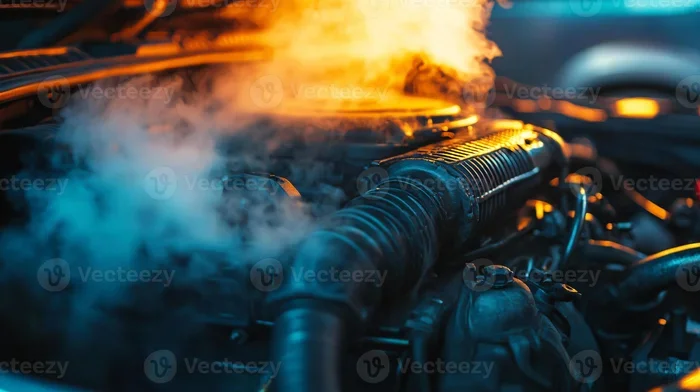
Knowing how to diagnose overheating engine issues can save you from costly repairs and dangerous breakdowns. This guide walks you through the most common symptoms, root causes, and a clear step-by-step diagnosis process you can follow at home. Whether your temperature gauge is climbing or you notice steam under the hood, you will find practical, actionable advice here.
Your car’s engine generates a tremendous amount of heat while it runs. The cooling system is designed to keep temperatures in a safe range. But sometimes, things go wrong. When that happens, your engine can overheat fast, leading to serious damage if you do not act quickly.
If you have ever seen steam curling from under your hood or watched your temperature gauge climb into the red zone, you know how scary it can feel. The good news is that how to diagnose overheating engine problems is something most car owners can learn to do. You do not need to be a master mechanic. With a few basic tools and a little knowledge, you can figure out what is going wrong and decide the best next step.
This guide breaks down the entire process in simple, easy-to-follow steps. We will cover the warning signs to watch for, the most common causes, the tools you need, and exactly how to pinpoint the problem. By the end, you will feel confident tackling an overheating engine diagnosis on your own.
Key Takeaways
- Act fast: Pull over immediately if you see steam or the temperature gauge spikes to avoid engine damage.
- Check the basics first: Coolant level, radiator hoses, and the thermostat are the most common culprits behind overheating.
- Use the right tools: A basic scan tool, infrared thermometer, and pressure tester make diagnosis much easier.
- Don’t ignore warning signs: A rising temperature gauge or unusual smells under the hood always need attention.
- Know when to call a pro: Head gasket failures and internal engine damage require professional diagnosis and repair.
- Prevention matters: Regular coolant flushes and hose inspections help you avoid overheating problems altogether.
📑 Table of Contents
- Understanding Why Engines Overheat
- Common Symptoms of an Overheating Engine
- Top Causes of Engine Overheating
- Step-by-Step Process to Diagnose Overheating
- Tools You Will Need for Diagnosis
- When to Call a Professional Mechanic
- Preventing Future Overheating Problems
- Final Thoughts on Diagnosing Overheating Engines
Understanding Why Engines Overheat
Before you start diagnosing, it helps to understand how your engine cooling system works. Think of it as a loop that moves heat away from the engine block. Coolant flows through channels inside the engine, absorbs heat, and then travels to the radiator where the heat gets released into the air. A water pump keeps the coolant moving, and a thermostat regulates the flow based on temperature.
When any part of this system fails, heat builds up instead of getting released. That is what causes an overheating car situation. The problem could be as simple as a low coolant level or as serious as a failed head gasket. The key is catching it early and figuring out the root cause.
The Role of Coolant
Coolant, also called antifreeze, is the lifeblood of your cooling system. It does two jobs: it absorbs heat from the engine and it prevents the remaining coolant from freezing in cold weather. When coolant levels drop or the fluid becomes old and contaminated, the system cannot do its job properly. This is one of the first things to check when you are trying to diagnose overheating engine problems.
How Temperature Regulation Works
Your engine runs best within a specific temperature range, usually between 195 and 220 degrees Fahrenheit. The thermostat opens and closes to maintain this range. If the thermostat gets stuck closed, coolant cannot reach the radiator, and the engine heats up fast. Understanding this basic flow helps you narrow down the cause when things go wrong.
Common Symptoms of an Overheating Engine
Spotting the early signs of overheating can make a huge difference. The sooner you notice a problem, the less damage your engine will sustain. Here are the most common symptoms to watch for.
Temperature Gauge in the Red Zone
This is the most obvious sign. Your dashboard temperature gauge should normally sit in the middle of the dial. If it starts climbing toward the hot zone or the red line, your engine is running too hot. Do not ignore this. Pull over safely and turn off the engine.
Steam or Smoke Coming from the Hood
Seeing steam or smoke rising from under your hood is a clear signal that something is seriously wrong. This usually means coolant is leaking onto hot engine parts and turning to steam. If you notice this, stop driving immediately and let the engine cool down before you open the hood.
Unusual Smells
Your nose can be a useful diagnostic tool. A sweet, syrupy smell often means coolant is leaking and hitting hot surfaces. A burning or oil-like smell could point to oil overheating. Both situations require prompt attention.
Coolant Leaks Under the Car
If you see a puddle of green, orange, or pink fluid under your car after parking, you likely have a coolant leak. Even a small leak can cause the coolant level to drop low enough to trigger overheating.
Warning Lights on the Dashboard
Modern cars have temperature warning lights that activate when the engine gets too hot. If you see a red thermometer icon or a check engine light, do not keep driving. Pull over and investigate.
Top Causes of Engine Overheating
Now that you know what to look for, let us explore the most common reasons engines overheat. Knowing these causes helps you narrow down your diagnosis faster.
Low Coolant Level
This is the number one cause of overheating. Coolant can leak out through worn hoses, a loose radiator cap, or a failing water pump. If the level drops too low, there is not enough fluid to absorb and carry away heat. Always check your coolant reservoir when your engine runs hot.
Thermostat Failure
The thermostat controls coolant flow. When it gets stuck in the closed position, coolant cannot reach the radiator to release heat. A stuck thermostat is a very common and relatively inexpensive fix, but it will cause overheating if you do not address it.
Water Pump Problems
The water pump circulates coolant through the engine and radiator. If the pump fails or its impeller becomes damaged, coolant stops moving and heat builds up. Signs of a bad water pump include coolant leaks near the front of the engine and whining noises.
Radiator Issues
A clogged or damaged radiator cannot release heat properly. Over time, debris, rust, and old coolant can block the radiator fins. A radiator fan that is not working also prevents proper cooling, especially in stop-and-go traffic.
Head Gasket Failure
A blown head gasket is one of the most serious causes of overheating. It allows combustion gases to leak into the cooling system, which contaminates the coolant and reduces its effectiveness. This problem often requires professional repair and can be expensive to fix.
Broken or Slipping Drive Belt
Many water pumps and cooling fans are driven by a belt connected to the engine. If that belt breaks or slips, the water pump stops working and the fan stops spinning. Without both of those, your engine will overheat quickly.
Step-by-Step Process to Diagnose Overheating
Follow this systematic process when you are trying to figure out why your engine is overheating. Working through the steps in order helps you avoid missing the real cause.
Step 1: Safety First
Never open the radiator cap when the engine is hot. Pressurized coolant can spray out and cause serious burns. Let the engine cool down for at least 30 minutes before you look under the hood. Keep a pair of gloves and safety glasses in your glove box for exactly this kind of situation.
Step 2: Check the Coolant Level
Once the engine is cool, open the radiator cap and look at the coolant level. It should reach the full mark in the reservoir. If the level is low, top it off with the correct type of coolant for your vehicle. Watch for any visible leaks around the hoses, radiator, and water pump.
Step 3: Inspect the Radiator Hoses
Look at every hose connected to the radiator. Squeeze them gently to check for soft spots, cracks, or bulges. A hose that feels spongy or shows visible damage is a likely source of a leak. Replace any damaged hoses right away.
Step 4: Test the Thermostat
Start the engine from cold and watch the temperature gauge. The thermostat should open once the engine reaches operating temperature, allowing coolant to flow to the radiator. If the upper radiator hose stays cold while the engine heats up, the thermostat is probably stuck closed.
Step 5: Check the Radiator Fan
Let the engine warm up and watch for the radiator fan to kick on. It should activate when the temperature reaches a certain point. If the fan does not come on, the issue could be a faulty fan motor, a bad temperature sensor, or a wiring problem.
Step 6: Use a Pressure Tester
A cooling system pressure tester lets you pressurize the system and check for leaks that are not visible to the naked eye. This tool is especially helpful for finding small leaks in the radiator, hoses, or head gasket. Many auto parts stores rent these testers out for a small fee.
Step 7: Scan for Error Codes
If the check engine light is on, use an OBD2 scan tool to read the error codes. Codes related to engine temperature, coolant flow, or fan operation can point you directly to the problem area. You can buy a basic scan tool for under $30 or borrow one from many auto parts stores.
Tools You Will Need for Diagnosis
Having the right tools makes diagnosing an overheating engine much easier and more accurate. Here is a list of what you should have on hand.
- Basic socket set: For removing covers and accessing components.
- Coolant pressure tester: To find hidden leaks in the cooling system.
- Infrared thermometer: To measure the temperature of hoses, the radiator, and the engine block without touching hot surfaces.
- OBD2 scan tool: To read diagnostic trouble codes from your vehicle’s computer.
- Flashlight: A good light helps you see under the hood clearly.
- Gloves and safety glasses: For protection against hot coolant and sharp edges.
- Funnel and coolant: For topping off the system after checking or repairing a leak.
You do not need expensive professional-grade equipment to get started. A pressure tester and a basic scan tool cover most common overheating diagnosis scenarios. As you gain experience, you can add more specialized tools to your kit.
When to Call a Professional Mechanic
There are times when a DIY diagnosis is not enough. If you have gone through the steps above and still cannot find the cause, it is time to call in a professional. Some problems are simply too complex or too risky to tackle at home.
You should also seek professional help if you suspect a head gasket failure. Symptoms include white smoke from the exhaust, a milky appearance in the coolant, and bubbles in the radiator. A blown head gasket can cause severe engine damage if you keep driving on it.
Similarly, if you notice the engine temperature fluctuating wildly or the overheating keeps coming back after you fix it, there may be an underlying issue you have not found yet. A mechanic with experience in engine cooling system diagnostics can use advanced tools and their expertise to find problems that are hard to detect at home.
Do not let cost concerns keep you from seeking help. Ignoring an overheating problem almost always leads to more expensive repairs down the road. A quick diagnostic visit can save you thousands of dollars in engine replacement costs.
Preventing Future Overheating Problems
The best way to deal with an overheating engine is to prevent the problem from happening in the first place. Regular maintenance goes a long way toward keeping your cooling system in top shape.
- Check coolant levels regularly: Make it a habit to glance at the coolant reservoir once a month. Topping off a low level takes just a minute and can prevent overheating.
- Flush and replace coolant on schedule: Old coolant loses its effectiveness over time. Check your owner’s manual for the recommended flush interval, which is typically every 30,000 to 50,000 miles.
- Inspect hoses and clamps: Look for cracks, swelling, or loose clamps during your regular under-hood checks. Replacing a worn hose before it fails is much cheaper than dealing with a sudden leak.
- Listen for unusual sounds: A whining noise from the front of the engine can signal a failing water pump or a loose belt. Catching these sounds early can prevent a breakdown.
- Keep the radiator clean: Debris like leaves, bugs, and dirt can block airflow through the radiator. Rinse the radiator fins gently with a hose during regular car washes.
- Never ignore warning signs: If your temperature gauge climbs or you see steam, pull over and address the issue immediately. Continuing to drive on an overheating engine can cause catastrophic damage.
Taking these simple preventive steps can save you a lot of trouble and expense. Most overheating problems are avoidable with a little regular attention to your cooling system.
Final Thoughts on Diagnosing Overheating Engines
Learning how to diagnose overheating engine problems gives you confidence and saves money. You do not need to be a professional mechanic to follow the steps in this guide. Start with the basics, check the coolant level, inspect the hoses, and work your way through the system systematically.
Remember that overheating is your engine’s way of telling you something is wrong. Respect that warning and take action quickly. The longer you drive on an overheating engine, the more damage you risk. Whether the fix is as simple as topping off coolant or as complex as replacing a head gasket, the most important thing is to address the problem right away.
Keep your tools handy, stay curious, and do not be afraid to get under the hood. With a little practice and patience, you will be able to handle most overheating diagnosis situations on your own. And when the problem is beyond your scope, you will know exactly when to call a professional and why.
Frequently Asked Questions
What are the first signs my engine is overheating?
The first signs usually include a rising temperature gauge on your dashboard, steam or smoke coming from under the hood, and a sweet smell from coolant leaking onto hot engine parts. Some cars also display a red temperature warning light. If you notice any of these signs, pull over safely and turn off the engine.
Can I keep driving if my engine is overheating?
No, you should never keep driving if your engine is overheating. Continuing to drive can cause the engine block to crack, the head gasket to fail, or other serious internal damage. Pull over, turn off the engine, and let it cool down before you check the coolant level or call for a tow.
How much does it cost to fix an overheating engine?
The cost varies widely depending on the cause. A simple coolant top-off or hose replacement might cost under $50, while a thermostat fix could run $150 to $300. A head gasket repair can cost anywhere from $1,000 to $2,500 or more. Getting an accurate diagnosis early helps you avoid the most expensive repairs.
What type of coolant should I use in my car?
Always use the coolant type recommended in your vehicle’s owner manual. Different cars require different coolant formulations, and mixing the wrong types can cause cooling system problems. If you are unsure, check with your dealership or a trusted auto parts store for the correct specification.
How often should I check my coolant level?
It is a good habit to check your coolant level once a month and before any long road trips. Always check the coolant when the engine is completely cool to avoid burns from pressurized hot fluid. Low coolant is the most common cause of overheating.
Can a faulty thermostat cause my engine to overheat?
Yes, a stuck thermostat is one of the most common reasons engines overheat. If the thermostat gets stuck in the closed position, coolant cannot flow to the radiator to release heat. The good news is that replacing a thermostat is usually an affordable and straightforward repair that many car owners can do themselves.

Similar Posts































