How to Check Engine Oil on Bmw
Recipe Developer & Kitchen Guide Writer at Choose Vacuum · Certified Home Economist, ServSafe Food Handler · 8+ years developing home recipes and testing everyday kitchen techniques
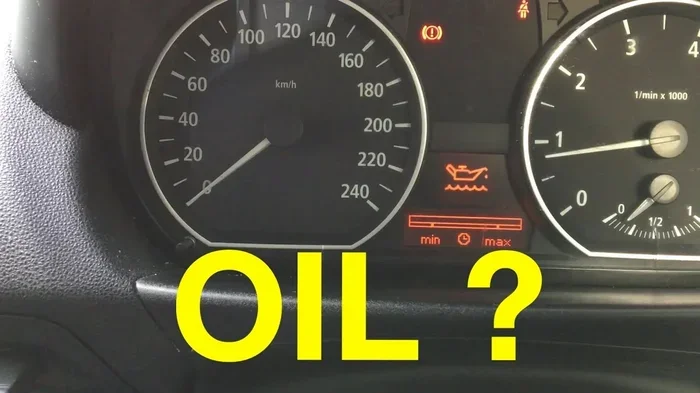
Checking your BMW engine oil is a simple 5-minute DIY task that prevents costly repairs. You just need to locate the dipstick, pull it out, wipe it clean, reinsert it, and read the level. This guide walks you through the entire process for every BMW model, from the 3 Series to the X5, with clear steps and pro tips.
Checking your BMW engine oil is one of the easiest ways to protect your investment. Many drivers overlook this simple task, but it takes just a few minutes and can save you from expensive repairs. Whether you drive a BMW 3 Series, a BMW 5 Series, or an X5, the process is nearly the same. This guide will show you exactly how to check engine oil on BMW models with confidence. You will learn where the dipstick is, how to read the level, and what to do if the oil is low. We also cover common mistakes so you never damage your engine. Let’s get started.
Key Takeaways
- Locate the dipstick: On most BMWs, it’s near the engine bay, marked with a yellow or orange pull loop.
- Check when cold: Always check oil when the engine is cool or after sitting for 5 minutes for an accurate reading.
- Use the right oil: BMWs typically need synthetic oil, often 5W-30 or 0W-40 depending on the engine.
- Don’t overfill: Too much oil can cause foaming and engine damage.
- Look for warning signs: The oil warning light on the dashboard means you should check immediately.
- Change oil regularly: Follow BMW’s maintenance schedule, usually every 10,000–15,000 miles.
📑 Table of Contents
Why Checking Your BMW Engine Oil Matters
Engine oil is the lifeblood of your BMW. It lubricates every moving part inside the engine, reducing friction and heat. Without enough oil, metal parts grind against each other. This causes wear, overheating, and eventually engine failure. BMW engines are high-performance machines. They run hotter and faster than standard engines. That means they rely on clean, properly leveled oil more than ever. Checking your oil regularly ensures your engine stays protected. It also helps you catch leaks early. A small drip today can become a big problem tomorrow.
The Role of Engine Oil in Your BMW
Engine oil does more than just lubricate. It cleans internal components by carrying away dirt and debris. It also helps cool the engine by absorbing heat. In BMWs, the oil must meet strict specifications. BMW uses synthetic oil for its superior performance. Synthetic oil flows smoothly even in cold weather. It also resists breaking down under high heat. Using the wrong oil can void your warranty. It can also reduce engine efficiency. Always check your owner’s manual for the BMW oil type recommended for your model.
What Happens When Oil Levels Drop
Low oil pressure is a serious warning sign. If your dashboard shows an oil warning light, do not ignore it. Driving with low oil can cause catastrophic engine damage. You might hear knocking sounds from the engine. You could also notice reduced performance. The engine may overheat quickly. In worst cases, the engine seizes completely. Regular oil checks prevent these scenarios. A few minutes of attention can save thousands of dollars in repairs.
Tools and Preparation for Checking Oil on a BMW
Before you start, gather a few simple items. You do not need any special tools. Just a clean cloth and the correct BMW oil if you need to top up.
What You’ll Need
- A clean microfiber cloth or paper towel
- The correct BMW synthetic oil (check your manual)
- A funnel if you plan to add oil
- Gloves to keep your hands clean
Safety First
Always park your BMW on a level surface. This ensures the oil settles evenly in the pan. Turn off the engine and wait at least 5 minutes. This lets the oil drain back into the sump. Never check oil immediately after driving. Hot oil can give a false reading and may also burn your hands. Pop the hood and locate the engine bay. BMW engines are easy to spot. The dipstick is usually near the front of the engine.
Step-by-Step Guide: How to Check Engine Oil on BMW
Now that you are prepared, let’s walk through the process. Follow these steps exactly for an accurate reading.
Step 1: Park on a Level Surface
Find a flat, paved area. Avoid checking oil on a slope. Gravity pulls the oil to one side, giving a false level. Engage the parking brake and turn off the ignition. Wait a few minutes for the engine to cool slightly.
Step 2: Locate the Oil Dipstick
Open the hood and secure it with the prop rod. Look for a yellow or orange loop near the engine. That is the oil dipstick handle. On some BMW models, the dipstick is located near the front of the engine block. On others, it might be slightly to the side. Consult your owner’s manual if you are unsure. The BMW dipstick is typically longer than a standard one, with a bright handle for easy identification.
Step 3: Pull, Wipe, and Reinsert
Firmly grip the dipstick loop and pull it straight out. Wipe the entire length with a clean cloth. This removes any old oil clinging to the stick. Pay special attention to the tip, where the oil level marks are. Once clean, reinsert the dipstick fully. Push it all the way back in until it clicks or seats snugly. Do not let it hang loosely.
Step 4: Read the Oil Level
Pull the dipstick out again. Look at the tip. You will see two marks or a crosshatched area. These indicate the safe operating range. The oil should fall between the minimum and maximum lines. If the oil streak is below the minimum mark, you need to add oil. If it is above the maximum, you have overfilled, which is also dangerous.
How to Add Oil to Your BMW
If your oil level is low, you can top it up easily. Always use the BMW oil type specified in your manual. Most modern BMWs require synthetic 5W-30 or 0W-40 oil. Using the wrong viscosity can affect engine performance.
Choosing the Right BMW Oil
BMW engines are precision-built. They require oil that meets BMW Longlife specifications. Look for the LL-01 or LL-04 rating on the bottle. These oils are designed for BMW turbocharged and non-turbocharged engines. Never mix different oil brands if possible. Stick to one type for consistency. If you are unsure, ask your BMW dealer or a trusted mechanic.
Adding Oil Without Overfilling
Use a funnel to pour oil into the fill hole. Add small amounts, usually half a quart at a time. Wait a minute for the oil to settle, then recheck the level with the dipstick. It is easy to add too much oil. Overfilling causes the oil to foam. Foamy oil loses its lubricating power. It can also cause pressure build-up in the crankcase. If you accidentally overfill, drain the excess carefully.
Common Mistakes When Checking BMW Oil
Even simple tasks can go wrong if you are not careful. Here are the most common mistakes BMW owners make.
Checking Oil While the Engine Is Hot
Many people check oil right after a drive. Hot oil expands and coats the dipstick unevenly. This gives a lower reading than reality. Always wait at least 5 minutes after turning off the engine. The oil needs time to settle back into the pan.
Ignoring the Oil Warning Light
The oil warning light on your BMW dashboard is not a suggestion. It is a critical alert. If it comes on, pull over safely and check the oil immediately. Driving with the light on can destroy your engine within minutes. Do not wait until you get home.
Using the Wrong Oil Type
BMW engines are sensitive to oil viscosity. Using a generic 10W-40 instead of the recommended synthetic oil can cause poor performance. Always check the owner’s manual or the oil cap for the correct specification. The oil fill cap often lists the BMW oil type directly.
Garage Chair Care Tips
While you are under the hood, it is a great time to think about your garage workspace. A clean, organized garage makes every DIY task easier. If you have a folding chair or office chair in your garage, a little maintenance goes a long way. For easy mobility, learn how to put wheels on a chair. This lets you roll your chair around the workbench without straining your back. Keeping your chair clean is also important, so find out how to wash a chair properly with the right products. Finally, if you want to add a personal touch, try how to tie a bow on a chair for a polished, decorative look. These small upgrades make your garage a more pleasant place to work on your BMW.
When to Change Your BMW Oil
Checking oil is not the only maintenance task. You also need to change the oil at the right intervals. BMW oil change frequency depends on your driving habits and model.
BMW Oil Change Intervals
Most modern BMWs have an oil change interval of 10,000 to 15,000 miles. However, if you drive in severe conditions, you may need to change it more often. Severe conditions include short trips, extreme heat, or heavy towing. Check your BMW maintenance schedule for the exact recommendation. The iDrive system in newer models will also remind you when an oil change is due.
Signs Your BMW Needs an Oil Change
Watch for these warning signs. The oil may look dark and gritty on the dipstick. You might notice a burning oil smell inside the cabin. Unusual engine noises, like ticking or knocking, can also indicate old oil. If the oil warning light stays on after checking the level, schedule a service immediately. Fresh oil keeps your BMW engine running smoothly for years.
Conclusion
Learning how to check engine oil on BMW is a valuable skill for every owner. It takes just a few minutes and gives you peace of mind. You now know where to find the dipstick, how to read the level, and when to add oil. Remember to always use the correct BMW synthetic oil and never ignore the warning lights. Regular oil checks are the foundation of BMW maintenance. They keep your engine healthy and your drives enjoyable. Make it a habit to check your oil every two weeks. Your BMW will thank you with reliable performance for many miles to come.
Frequently Asked Questions
How often should I check my BMW engine oil?
You should check your BMW oil at least once a month. It is also a good idea to check before any long road trip. Regular checks help you catch leaks early and keep the engine properly lubricated.
Can I check the oil while the engine is running?
No, always turn off the engine and wait five minutes before checking. Hot oil rises and does not settle in the pan, giving you an inaccurate reading. Let the engine cool slightly for the most accurate measurement.
What type of oil does my BMW need?
Most BMWs require synthetic oil, typically 5W-30 or 0W-40. Always check your owner’s manual or the oil fill cap for the exact BMW oil specification. Using the wrong oil can harm your engine.
What should I do if the oil warning light comes on?
Pull over safely as soon as possible and turn off the engine. Check the oil level with the dipstick. If the oil is low, add the correct BMW oil immediately. If the light stays on, do not drive the car and call for assistance.
Is it normal for BMW oil level to drop between changes?
A slight drop is normal, especially if you drive frequently. However, a large drop could indicate an oil leak. Inspect the engine bay for any signs of oil pooling or drips and address them promptly.
Can I use conventional oil instead of synthetic in my BMW?
It is not recommended. BMW engines are designed for synthetic oil, which provides better protection at high temperatures. Conventional oil can break down faster and may void your warranty if it causes engine damage.

Similar Posts































