How Do I Sell a Used Classic Vehicle in Pennsylvania
Recipe Developer & Kitchen Guide Writer at Choose Vacuum · Certified Home Economist, ServSafe Food Handler · 8+ years developing home recipes and testing everyday kitchen techniques
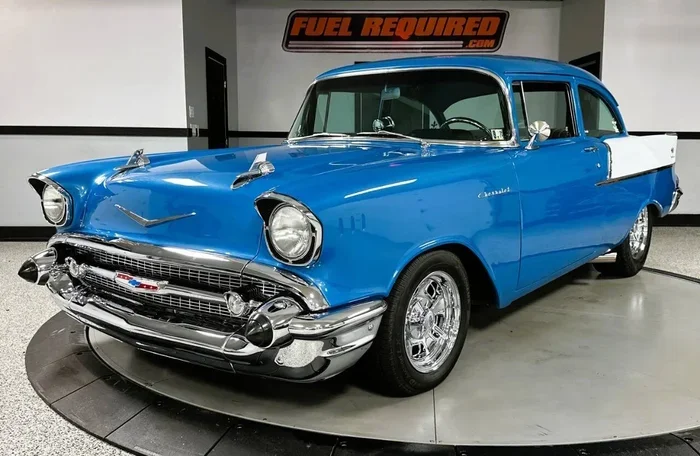
Selling a used classic vehicle in Pennsylvania requires preparation, proper pricing, and knowledge of state regulations. This guide walks you through every step of the classic car sale process, from preparing your antique automobile for market to handling the car title transfer and vehicle registration. Follow our expert tips to maximize your sale price and avoid common pitfalls.
Key Takeaways
- Know Your Market: Understanding the classic car market in Pennsylvania helps you set a competitive price.
- Prepare Thoroughly: A well-maintained vehicle attracts more buyers and commands a higher price.
- Price Smartly: Use classic car valuation tools and comparable sales to determine the right asking price.
- Handle Paperwork Correctly: Proper vehicle documentation and bill of sale protect both you and the buyer.
- Choose the Right Platform: Whether online or at a car show, picking the best venue increases your chances of a quick sale.
- Transfer Ownership Properly: Follow Pennsylvania DMV guidelines to complete the car title transfer smoothly.
📑 Table of Contents
- Understanding the Classic Car Market in Pennsylvania
- Preparing Your Classic Vehicle for Sale
- Setting the Right Price for Your Classic Car
- Where and How to Sell Your Used Classic Vehicle
- Navigating the Legal Requirements in Pennsylvania
- Closing the Sale Successfully
- Common Mistakes to Avoid When Selling a Classic Vehicle
- Final Thoughts on Selling Your Classic Vehicle
Understanding the Classic Car Market in Pennsylvania
The classic car market in Pennsylvania is thriving. Whether you own a muscle car from the 1960s or a vintage sedan from the 1950s, there are buyers out there looking for your vehicle. Pennsylvania has a rich automotive history, and many enthusiasts across the state actively search for vintage vehicle selling opportunities.
Before you list your car, take time to understand who your buyers are. Classic car enthusiasts often specialize in specific eras, makes, or models. A 1969 Mustang buyer is different from someone searching for a 1957 Chevrolet Bel Air. Research what similar vehicles have sold for recently. This classic car valuation work gives you a realistic starting point.
Why Pennsylvania Is a Great Place to Sell
Pennsylvania has a strong network of car clubs, swap meets, and auction houses. Cities like Pittsburgh, Philadelphia, and Harrisburg host regular car shows where you can connect with serious buyers. The state also has a large population of collectors who attend events throughout the year. This means you have multiple avenues to reach your target audience.
Additionally, Pennsylvania’s four-season climate means many classic car owners store their vehicles during winter. This creates a seasonal demand spike in spring and summer when owners want to buy or sell. Timing your sale correctly can make a big difference in how quickly you find a buyer.
Preparing Your Classic Vehicle for Sale
First impressions matter a lot when selling car privately. A clean, well-presented vehicle draws more attention and justifies a higher asking price. Spend time making your classic car look its best before you list it.
Clean and Detail Thoroughly
Start with a deep clean inside and out. Wash the exterior by hand, polish the paint, and clean all chrome trim. Inside, vacuum the seats, wipe down the dashboard, and clean the windows. If you have leather seats, condition them to prevent cracking.
Don’t forget the engine bay. A clean engine shows that you maintained the vehicle well. Use a degreaser and a soft brush to remove grease and grime. A vehicle inspection will go much more smoothly when everything looks pristine.
Gather All Documentation
Buyers want to see paperwork. Collect your vehicle documentation before you list the car. This includes the original purchase receipt if you have it, maintenance records, and any restoration receipts. A full history report adds credibility and trust.
If you have a vehicle history report, run one before you sell. Services like Carfax or AutoCheck can reveal accident history, title status, and ownership records. A clean report makes your classic car sale much easier.
When buyers come to inspect the vehicle, you want them to feel comfortable taking their time. Set up a shaded area where they can sit and review documents. Just like how to sit in a chair during a long inspection, comfort matters for both you and the buyer during these meetings.
Setting the Right Price for Your Classic Car
Pricing is one of the most critical parts of the car selling process. Price too high, and you scare away buyers. Price too low, and you leave money on the table. Finding the sweet spot takes research and honesty.
Research Comparable Sales
Look at recent sales of the same make, model, and year. Websites like Bring a Trailer, Hemmings Motor News, and ClassicCars.com list completed sales. Use these as benchmarks for your car selling price.
Consider the condition of your vehicle. A fully restored classic car commands a premium over one that needs work. Be honest about your car’s condition. Buyers appreciate transparency and will trust you more.
Get a Professional Appraisal
If your vehicle is rare or valuable, invest in a classic car appraisal. A certified appraiser evaluates your car based on originality, condition, rarity, and market demand. An official appraisal gives you a solid number to reference during negotiations.
Many sellers skip this step, but it pays off. An appraisal protects you if a buyer questions your price. It also shows that you take the sale seriously.
Factor in Pennsylvania-Specific Costs
Remember that the buyer will need to register and title the vehicle in Pennsylvania. They may need to pass a vehicle inspection before completing the purchase. Mentioning this upfront shows you understand the process and helps build trust.
Where and How to Sell Your Used Classic Vehicle
You have several options for selling a used classic vehicle in Pennsylvania. Each method has pros and cons. Choose the one that fits your timeline, budget, and comfort level.
Online Marketplaces
Online platforms reach the widest audience. Websites like Craigslist, Facebook Marketplace, and specialty sites like Hemmings Motor News let you list your car with photos and detailed descriptions.
Take high-quality photos. Shoot in natural light, capture all angles, and include close-ups of the engine, interior, and any damage. Write a detailed description that covers the car’s history, condition, and features.
Car Shows and Swap Meets
Car shows are excellent places to find buyers. Pennsylvania hosts many events throughout the year. The Carlisle Swap Meet, for example, draws thousands of collectors from across the country.
Set up a comfortable viewing area for interested buyers. Having a place where people can relax and look at documents makes a big difference. Some sellers even bring a portable setup, similar to how you might how do I make a bean bag chair for a casual display area at a swap meet, to create a welcoming atmosphere.
Consignment and Dealerships
Consignment shops and classic car dealerships handle the sale for you. They take a commission, usually 10 to 15 percent, but they manage the entire process. This option works well if you don’t want to deal with negotiations and paperwork yourself.
Before choosing a consignment service, check their reputation. Read reviews and ask for references. A good dealer will market your vehicle effectively and connect you with serious buyers.
Auctions
Live auctions create urgency and competition among bidders. This can drive up the final price. However, auction fees and buyer premiums can eat into your profits. Research the auction house thoroughly before committing.
Some sellers prefer online auctions because they reach a national audience. Platforms like Russo and Steele and Bring a Trailer specialize in classic cars and attract qualified buyers.
Navigating the Legal Requirements in Pennsylvania
Selling a vehicle in Pennsylvania involves specific legal steps. Following these rules protects you from liability and ensures a smooth transaction.
Complete the Bill of Sale
A bill of sale is essential for any private vehicle sale. Include the buyer’s name and address, the vehicle identification number (VIN), the sale price, and the date of sale. Both parties should sign and date the document.
Keep a copy for your records. The bill of sale serves as proof of the transaction if any disputes arise later. It also helps the buyer with registration and title transfer.
Transfer the Title Correctly
The car title transfer is the most important legal step. Sign the title over to the buyer and make sure all fields are filled out completely. Both the seller and buyer must sign the title.
Submit the signed title to the Pennsylvania Department of Transportation (PennDOT) within 20 days. The buyer needs the title to register the vehicle in their name. Delays can cause problems for both parties.
Cancel Your Insurance and Registration
Once the sale is complete, cancel your auto insurance for that vehicle. Contact your insurance provider and let them know the car has been sold. This prevents you from paying premiums on a vehicle you no longer own.
Also, remove the license plates. In Pennsylvania, license plates stay with the seller when a vehicle is sold privately. You can transfer them to another vehicle you own.
Understand Pennsylvania Emission and Inspection Rules
Pennsylvania requires a safety inspection for vehicle registration. The buyer will need to pass this inspection before they can register the car. If your vehicle has known issues that would fail an inspection, disclose them upfront.
Some areas of Pennsylvania also require emissions testing. Check with your local PennDOT office to understand the requirements. Being upfront about any inspection concerns builds trust with buyers.
Closing the Sale Successfully
The final steps matter just as much as the preparation. A smooth close leaves both parties satisfied and protects your interests.
Meet in a Safe Location
Always meet buyers in a public, well-lit place. A local police station parking lot or a busy shopping center works well. Bring a friend or family member with you if possible.
Have all your paperwork ready. This includes the title, bill of sale, and any maintenance records. Answer questions honestly and don’t pressure buyers into making a quick decision.
Negotiate with Confidence
Negotiation is part of the car selling process. Know your minimum acceptable price before you start. Be willing to negotiate, but don’t undervalue your vehicle.
When you meet with buyers, approach the conversation like you would how do I chair a meeting — stay organized, keep the discussion focused, and guide the process toward a positive outcome. Confidence and preparation lead to better results.
Consider offering a short warranty or guarantee on major components. This can set your listing apart from other sellers and give buyers peace of mind.
Accept Payment Securely
Cash is the most straightforward payment method. If the buyer needs to write a check, verify the funds are available before handing over the keys and title.
For high-value vehicles, consider using an escrow service. These services hold the payment until the title is transferred and the transaction is complete. It protects both you and the buyer.
Never accept personal checks from unknown buyers without verifying them first. Scams involving fake checks are common in private vehicle sales.
Finalize the Transfer
After payment is received, hand over the title, bill of sale, and any spare keys. Remove your personal belongings from the vehicle. The buyer should then complete the registration and title transfer at their local PennDOT office.
Follow up with the buyer a week later to make sure everything went smoothly. A positive experience encourages referrals and repeat business if you ever sell another vehicle.
Common Mistakes to Avoid When Selling a Classic Vehicle
Even experienced sellers make mistakes. Avoid these common pitfalls to ensure a successful sale.
- Skipping the prep work: A dirty or poorly presented vehicle turns buyers off. Always clean and detail before showing.
- Overpricing the vehicle: Emotional attachment can make you overvalue your car. Use market data to set a fair price.
- Hiding flaws: Disclose any known issues honestly. Buyers will find problems during inspection, and dishonesty damages your reputation.
- Skipping the bill of sale: Never sell without a written agreement. It protects you legally.
- Ignoring paperwork: Incomplete title transfers create legal headaches. Fill out every field correctly.
- Meeting in unsafe locations: Always prioritize your safety when meeting strangers.
Final Thoughts on Selling Your Classic Vehicle
Selling a used classic vehicle in Pennsylvania is a rewarding process when you do it right. From preparing your vehicle and setting the right price to handling the legal requirements and closing the deal, each step matters. Take your time, do your research, and trust the process.
The classic car market is full of passionate buyers who appreciate well-maintained vehicles. Your car has a story, and sharing that story with the right buyer makes the sale even more satisfying. Use the tips in this guide, stay organized, and you will find the right buyer for your antique automobile.
Remember that every sale is also a chance to connect with fellow enthusiasts. Whether you sell at a car show, online, or through a consignment service, the relationships you build can lead to future opportunities. Happy selling!
Frequently Asked Questions
How long does it take to sell a classic vehicle in Pennsylvania?
The timeline varies depending on the vehicle’s rarity, condition, and price. Well-maintained classics in high demand can sell within a few weeks. Rarer vehicles or those needing restoration may take several months. Patience and proper marketing are key to a successful sale.
Do I need a bill of sale when selling a classic car privately in PA?
Yes, a bill of sale is strongly recommended and often required. It protects both you and the buyer by documenting the sale price, date, and vehicle details. Pennsylvania law requires a written agreement for private vehicle transactions, and the bill of sale is essential for the title transfer process.
What is the best way to price a classic car in Pennsylvania?
Research comparable sales on platforms like Bring a Trailer and Hemmings Motor News. Get a professional appraisal for high-value vehicles. Factor in the car’s condition, originality, mileage, and any restoration work. A fair price based on market data attracts serious buyers and speeds up the sale.
Can I sell a classic car that failed a Pennsylvania safety inspection?
Yes, you can sell a vehicle that has failed inspection, but you must disclose this to the buyer honestly. Many classic car buyers are willing to purchase vehicles that need work. Transparency about inspection issues builds trust and prevents legal disputes after the sale.
How do I handle taxes when selling a classic vehicle in PA?
Private sales of used vehicles in Pennsylvania are generally not subject to sales tax for the seller. However, the buyer is responsible for paying registration and title fees at PennDOT. Keep records of the sale for your own tax purposes, especially if the vehicle was a significant investment or business asset.
Should I sell my classic car at auction or privately?
Auctions can fetch higher prices due to competitive bidding, but they charge fees and may not suit every vehicle. Private sales give you more control over the price and process. Consider your vehicle’s value, your timeline, and your comfort level with negotiation when choosing between the two options.

Similar Posts































