General Elder Care Planning Tips for Ordinary Families
Recipe Developer & Kitchen Guide Writer at Choose Vacuum · Certified Home Economist, ServSafe Food Handler · 8+ years developing home recipes and testing everyday kitchen techniques
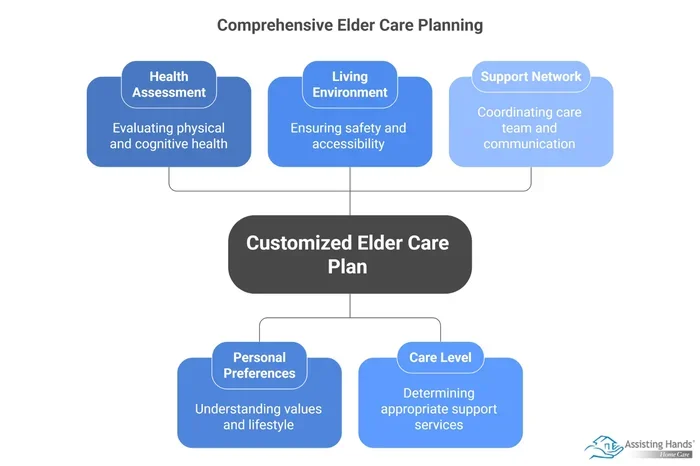
General elder care planning is essential for every family navigating the challenges of aging parents. This guide covers financial preparation, health needs, home safety, and emotional support in simple, actionable steps. You will learn how to assess your loved one’s needs, explore Medicare options, and build a strong support network. These tips empower ordinary families to make confident, informed decisions.
Getting older is a part of life that every family will face. But when it comes to general elder care planning, most families feel unprepared. You might wonder where to start, what to plan for, or how to afford it all. The truth is, you do not need a perfect plan. You just need to start.
This guide walks you through everything you need to know about general elder care planning for ordinary families. We keep it simple, practical, and real. No jargon, no fluff. Just clear steps you can take today to protect the people you love most.
Key Takeaways
- Start early: Begin elder care planning as soon as possible to avoid rushed decisions during emergencies.
- Assess needs honestly: Evaluate health, mobility, and daily living requirements before choosing a care plan.
- Explore Medicare and insurance: Understanding coverage for items like lift chair recliners and chair lifts can save thousands.
- Make homes safer: Simple modifications reduce fall risks and support aging in place.
- Build a care team: No family should handle elder care alone. Seek support from professionals, community groups, and neighbors.
📑 Table of Contents
Why Elder Care Planning Matters for Every Family
Many families put off elder care planning. They think it is something to worry about later. But later comes faster than you expect. Planning early gives your family time, options, and peace of mind.
When you plan ahead, you avoid crisis decisions. You can research options calmly. You can have honest conversations with your parents while they are still able to share their wishes. This is one of the biggest gifts you can give your family.
Here is why general elder care planning matters so much:
- It reduces stress: When a health emergency hits, families who have a plan feel calmer and more in control.
- It saves money: Early planning helps you find cost-effective solutions before expenses spiral.
- It honors your parents’ wishes: Planning lets your parents have a voice in their own care.
- It protects the whole family: Caregiver burnout is real. A good plan spreads the responsibility.
The Cost of Waiting
Families who wait often face tough choices with little time to think. They may end up in reactive mode, making fast decisions under pressure. This can lead to higher costs and less satisfying care. Starting your general elder care planning now, even with small steps, makes a huge difference.
Assessing Your Parents’ Needs and Lifestyle
The first real step in general elder care planning is understanding what your parents actually need. Every family is different. Your parents may be active and independent, or they may need more help than you realize.
Start by asking simple questions. What do they struggle with each day? Can they cook their own meals? Do they manage their medications? Can they get in and out of the bathroom safely?
Daily Living Activities
Doctors and care experts use something called Activities of Daily Living, or ADLs, to measure how much help a person needs. These include:
- Bathing and grooming
- Dressing
- Eating
- Moving around
- Using the toilet
- Managing medications
Watch your parents over a week or two. Take notes on where they need help. This honest assessment forms the foundation of your general elder care planning strategy.
Emotional and Social Needs
Elder care is not just about physical needs. Loneliness and isolation are serious problems for older adults. Check in on how your parents feel day to day. Do they still see friends? Do they enjoy hobbies? Are they engaged in their community?
Sometimes the best thing you can do is simply spend more time with them. A regular phone call, a weekly visit, or a shared meal can make a world of difference. Keeping them socially active supports their mental health and overall well-being.
Financial Planning for Elder Care
Money is one of the trickiest parts of general elder care planning. But it is also the most important. You need to understand what resources are available and how to use them wisely.
Start by gathering financial documents. Know what income your parents receive, what savings they have, and what insurance policies they hold. This gives you a clear picture of what you can work with.
Understanding Medicare Coverage
Medicare covers a lot of health care for people over 65. But it does not cover everything. Many families are surprised to learn that Medicare does not pay for long-term care in most cases. However, it does cover certain medical equipment and services.
For example, Medicare may cover lift chair recliners if they are prescribed as durable medical equipment. Similarly, Medicare may help with the cost of a chair lift for stairs in certain situations. Understanding these details can save your family thousands of dollars.
Here are some key Medicare facts to keep in mind:
- Medicare Part A covers hospital stays and some home health care.
- Medicare Part B covers outpatient services and medical equipment.
- Medicare Part D helps with prescription drug costs.
- Medicare Advantage plans may offer extra benefits like dental and vision.
Exploring Supplemental Options
Medigap policies and Medicare Advantage plans can fill gaps in standard Medicare coverage. Long-term care insurance is another option, though it works best when purchased well before care is needed. Some families also use health savings accounts, or HSAs, to set aside money for medical expenses.
If you need help navigating the system, consider working with a certified elder care planner or a social worker. They can help you understand what benefits are available and how to apply for them. The more you know, the better decisions you can make.
Health and Wellness Considerations
Keeping older family members healthy goes beyond doctor visits. General elder care planning should include a full picture of physical and mental wellness. Small daily habits can have a big impact on quality of life.
Nutrition and Meal Planning
Eating well becomes even more important as we age. Older adults need enough protein, calcium, fiber, and vitamins to stay strong. But cooking for one or two people can feel like too much effort.
Here are some simple tips:
- Prepare meals in batches and freeze portions.
- Use grocery delivery services to avoid trips to the store.
- Look into community meal programs for seniors.
- Keep healthy snacks like nuts, fruit, and yogurt within easy reach.
Staying Physically Active
Movement is medicine for older adults. Even gentle exercise helps maintain strength, balance, and flexibility. Chair-based exercises are a great option for those with limited mobility. Chair yoga is a wonderful low-impact activity that improves flexibility, reduces stress, and can even help with weight management.
Walking, swimming, and light stretching are also excellent choices. The goal is not to run a marathon. The goal is to keep the body moving and the joints loose. Even 15 minutes of gentle activity each day can make a real difference.
Mental Health and Cognitive Care
Do not overlook mental health. Depression and anxiety are common among older adults, especially those dealing with loss or isolation. Encourage your parents to stay engaged. Puzzles, reading, music, and social activities all help keep the mind sharp.
If you notice changes in memory or mood, talk to a doctor early. Early detection of conditions like dementia opens up more options for treatment and care planning. This is a vital part of general elder care planning that families often skip.
Making the Home Safe and Accessible
Most older adults want to stay in their own homes as they age. This is called aging in place, and it is a wonderful goal. But the home needs to be safe and accessible for it to work.
Start with a room-by-room walkthrough. Look for hazards like loose rugs, poor lighting, and cluttered walkways. These simple things cause many falls each year.
Bathroom Safety
The bathroom is one of the most dangerous rooms in the home for seniors. Consider these upgrades:
- Install grab bars near the toilet and in the shower.
- Use a shower chair or bench for seated bathing.
- Add non-slip mats inside and outside the tub.
- Raise the toilet seat if getting up is difficult.
Stairs and Mobility Aids
Stairs can be a major challenge for older adults. If your parents have trouble climbing stairs, a chair lift can be a life-changing solution. These devices allow safe, easy movement between floors without the strain of stairs.
Other helpful mobility aids include:
- Walk-in tubs for safer bathing
- Ramps for wheelchair or walker access
- Handrails on both sides of staircases
- Raised toilet seats and shower heads
When considering equipment like a lift chair recliner or a stair chair lift, always check what your insurance may cover. Many families are surprised to find that their policy helps with some of these costs.
General Home Safety Checklist
Here is a quick checklist you can use to make any home safer for an older adult:
- Improve lighting in hallways, stairways, and entryways
- Remove or secure loose rugs and cords
- Keep frequently used items within easy reach
- Install smoke and carbon monoxide detectors
- Set up a medical alert system
- Ensure doorways are wide enough for walkers or wheelchairs
Building a Strong Support Network
No family should carry the weight of elder care alone. General elder care planning includes building a team of people and resources you can lean on when needed.
Family Roles and Communication
Gather the family together and talk openly about care responsibilities. One sibling might handle finances while another manages doctor appointments. Another might live nearby and help with daily tasks. Dividing roles prevents burnout and keeps everyone involved.
Use family meetings or group chats to stay connected. Regular communication helps everyone stay on the same page. It also makes it easier to adjust the plan as needs change over time.
Professional Help and Community Resources
Sometimes you need help beyond what family can provide. Consider these options:
- In-home care aides: They help with daily tasks like bathing, cooking, and cleaning.
- Adult day programs: These offer social activities and supervision during the day.
- Meals on Wheels: Delivers nutritious meals to seniors who have trouble cooking.
- Senior centers: Provide social events, exercise classes, and educational programs.
- Elder law attorneys: Help with legal matters like wills, power of attorney, and advance directives.
Your local Area Agency on Aging is a great starting point. They can connect you with services and programs in your community. Many of these resources are free or low-cost.
Taking Care of the Caregiver
If you are the primary caregiver, your own health matters too. Caregiver burnout is real and it is serious. You cannot pour from an empty cup. Make time for rest, hobbies, and your own medical appointments.
Join a caregiver support group, either in person or online. Talking to others who understand your situation can be incredibly helpful. Remember, asking for help is a sign of strength, not weakness.
Legal and Advance Care Planning
One of the most important parts of general elder care planning is handling legal matters before a crisis arrives. These conversations can be difficult, but they are essential.
Make sure your parents have these key documents in place:
- Will or trust: Explains how assets and property should be handled.
- Power of attorney: Designates someone to make financial decisions if your parents cannot.
- Healthcare power of attorney: Names someone to make medical decisions.
- Advance directive or living will: States your parents’ wishes for end-of-life care.
These documents give your family clarity and peace of mind. They prevent arguments and confusion during already stressful times. If your parents have not yet created these documents, gently encourage them to do so with the help of an elder law attorney.
Conclusion
General elder care planning does not have to be overwhelming. You can take it one step at a time. Start with a simple assessment of your parents’ needs. Then work through finances, health, home safety, and legal matters at your own pace.
The most important thing is to begin. Even small steps today can prevent big problems tomorrow. Your parents deserve thoughtful care, and your family deserves the peace of mind that comes from being prepared. Use the tips in this guide to start your journey with confidence and clarity.
Remember, you are not alone in this. Millions of families face the same challenges every day. With the right plan and the right support, you can navigate elder care with love, dignity, and smart decisions.
Frequently Asked Questions
What is the first step in general elder care planning?
The first step is to assess your parents’ daily needs. Look at their health, mobility, nutrition, and social life. This honest evaluation helps you understand what kind of support they need now and what to plan for in the future.
How much does elder care planning cost?
The cost varies widely depending on your family’s situation. Some planning steps are free, like organizing documents and having family conversations. Professional advisors may charge fees, but many community resources are low-cost or free.
Does Medicare cover elder care expenses?
Medicare covers many health care services for seniors, but it does not cover long-term custodial care. It may cover medical equipment like lift chair recliners and certain home modifications. Understanding what Medicare covers is a key part of general elder care planning.
When should families start elder care planning?
The earlier, the better. Ideally, families should start planning while parents are still healthy and able to participate in the conversation. Waiting until a crisis occurs limits options and increases stress for everyone involved.
Can ordinary families afford elder care planning?
Absolutely. Elder care planning is not just for wealthy families. Many steps are free or low-cost, like organizing documents, having conversations, and using community resources. The goal is to be informed and prepared, not to spend a lot of money.
What if my family disagrees about elder care decisions?
Family disagreements are common in elder care. The best approach is open communication and putting your parents’ wishes first. Consider involving a neutral third party, like a mediator or social worker, to help facilitate productive conversations and find solutions everyone can support.

Similar Posts































