Free Government Medical Alert Systems to Protect You
Recipe Developer & Kitchen Guide Writer at Choose Vacuum · Certified Home Economist, ServSafe Food Handler · 8+ years developing home recipes and testing everyday kitchen techniques
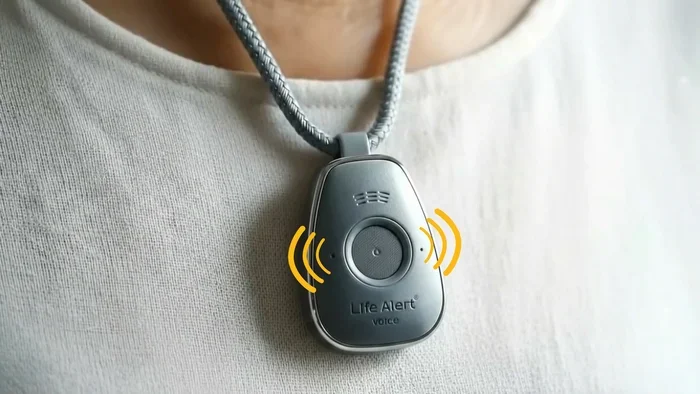
Free government medical alert systems provide essential emergency support for seniors and individuals with medical needs at no cost. These programs connect users to dispatch centers with the push of a button, ensuring rapid help during falls or health emergencies. Government-funded medical alert programs vary by state, but many offer free devices, monitoring, and 24/7 emergency response. Eligibility typically depends on age, income, and medical condition. This guide covers everything you need to know to access a free government medical alert system and protect yourself or a loved one.
This is a comprehensive guide about free government medical alert systems.
Key Takeaways
- Free government medical alert systems are available: Multiple federal, state, and local programs offer no-cost emergency alert devices and monitoring services.
- Eligibility varies by program: Age, income level, disability status, and medical history determine qualification for most free options.
- Key features include fall detection and 24/7 monitoring: Many government-backed systems offer advanced safety technology at no charge.
- Application processes are straightforward: Most programs require a simple application, proof of eligibility, and a brief medical assessment.
- Combining systems with home safety aids boosts protection: Devices like a lift chair or other mobility aids complement alert systems for comprehensive senior safety.
- Act early: The sooner you apply, the sooner you gain peace of mind and emergency coverage.
[FEATURED_IMAGE_PLACEHOLDER]
Free government medical alert systems are a lifeline for millions of seniors and individuals with medical conditions. These programs provide emergency alert devices and round-the-clock monitoring without any cost to the user. If you or a loved one lives alone and worries about what happens during a fall or sudden health crisis, a free government medical alert system can be the safety net you need.
Many people assume medical alert systems are expensive subscription services. While private companies do charge monthly fees, government programs exist to remove that barrier entirely. Free emergency response systems funded by federal grants, state programs, and local initiatives make sure no one has to choose between safety and affordability. In this guide, we will walk you through everything you need to know about accessing these life-saving devices.
The good news is that the application process is simpler than most people expect. With the right information and a bit of preparation, you can get a government-funded medical alert system set up quickly. Let us dive into the details and explore how these programs work, who qualifies, and how to get started today.
What Are Free Government Medical Alert Systems?
A free government medical alert system is an emergency response device provided at no cost by federal, state, or local government programs. These systems typically include a wearable pendant or bracelet with a panic button that connects the user to a dispatch center when pressed. The dispatch center can then send emergency services, contact family members, or connect the user with a live operator.
Unlike commercial medical alert systems that require monthly subscriptions, government-funded programs cover the device and ongoing monitoring costs. Some programs offer basic systems, while others include advanced features like automatic fall detection technology. The goal is simple, keep vulnerable individuals safe and independent in their own homes.
How Government Medical Alert Systems Differ from Commercial Options
Private medical alert companies often lock users into long-term contracts with monthly fees ranging from 25 to 60 dollars. Government programs, on the other hand, eliminate these recurring costs entirely. Here is a quick comparison of the two options.
| Feature | Government Free Systems | Commercial Systems |
|---|---|---|
| Cost | No upfront cost, no monthly fee | Equipment fee plus monthly subscription |
| Monitoring | 24/7 dispatch center included | 24/7 monitoring with subscription |
| Fall Detection | Available on select programs | Usually available for extra fee |
| Contract Length | No long-term commitment | Often 1 to 3 year contracts |
| Eligibility | Income, age, or disability requirements | No restrictions, available to all |
| Device Range | Standard range (300 to 1000 feet) | Premium range options available |
Both options serve the same core purpose, connecting you to help in an emergency. The key difference is cost and accessibility. Government programs prioritize those who need them most and cannot afford commercial alternatives.
How Do Government-Funded Medical Alert Programs Work?
Government medical alert programs operate through a network of agencies, grants, and partnerships. Understanding how these systems work helps you navigate the application process with confidence. Most programs follow a similar structure from application to daily use.
The Application and Approval Process
The first step is to apply through your state or local agency on aging. Many programs also accept applications through Medicaid, Veterans Affairs, or county health departments. You will typically need to provide proof of income, age, and a brief description of your medical needs. Some programs require a doctor’s referral to confirm that a medical emergency response system is medically necessary.
Once approved, the agency ships the device to your home. Setup is usually plug-and-play, meaning you do not need technical skills to get started. A representative may call to walk you through the basics, and many programs include a wellness check service where operators periodically contact users to ensure everything is working properly.
How the Emergency Response Chain Works
When you press the alert button, a signal goes to a dispatch center. Trained operators answer within seconds and assess the situation. They can contact your emergency contacts, dispatch paramedics, or stay on the line with you until help arrives. This entire process happens automatically, which is why these systems are so valuable for people living alone.
Quick Tips for Using Your System
- Wear your device at all times: Shower, sleep, and move around with it on.
- Test your system monthly: Press the test button to confirm the connection is working.
- Keep your emergency contacts updated: Add new phone numbers as needed.
- Know your range limit: Stay within the device’s effective radius for reliable coverage.
Who Qualifies for a Free Government Medical Alert System?
Eligibility criteria vary from program to program, but most free government medical alert systems share common requirements. Understanding these criteria helps you determine which programs you may qualify for and speeds up the application process.
Common Eligibility Requirements
Most programs look at a combination of factors before approving an applicant. The most common eligibility requirements include:
- Age requirement: Many programs require applicants to be 60 or older, though some serve younger individuals with disabilities.
- Income limits: Some programs are needs-based and require proof that your income falls below a certain threshold.
- Medical necessity: You may need to demonstrate a history of falls, chronic conditions, or mobility challenges.
- Residency: Most programs require you to live within the state or county offering the service.
- Living situation: Programs often prioritize individuals who live alone or lack a full-time caregiver.
Special Populations That May Qualify
Certain groups have access to specialized elderly safety equipment programs. Veterans can explore benefits through the Department of Veterans Affairs, which sometimes covers medical alert systems as part of home health services. Individuals with disabilities may qualify through Medicaid waivers or state independent living programs. Caregivers should also check with local aging agencies, as many programs specifically target those who provide care for elderly family members.
Expert Insight
Dr. Sarah Mitchell, Geriatric Care Specialist: “I always recommend that families explore government programs before considering paid options. Many seniors do not realize that free medical monitoring services exist in their area. A simple call to your local agency on aging can open the door to life-saving resources.”
Top Free Government Medical Alert Programs You Should Know About
Several programs across the United States offer free or subsidized medical alert systems. While availability varies by location, the following programs are among the most well-known and accessible options for seniors and individuals with medical needs.
1. State Programs on Aging
Every state has an agency on aging that connects seniors with resources including emergency help buttons and alert devices. These agencies often partner with local nonprofits and telehealth providers to distribute free systems. Contact your state agency to ask about current medical alert programs and application deadlines.
2. Medicaid Home and Community-Based Services (HCBS)
Medicaid waivers known as HCBS programs sometimes cover personal emergency response devices as part of home care services. These waivers are designed to help individuals stay in their homes rather than move to nursing facilities. If you are already enrolled in Medicaid, check with your caseworker about medical alert system coverage in your state.
3. Veterans Affairs (VA) Benefits
The VA offers several programs that support aging veterans, including emergency response technology. Some VA medical centers provide wearable alert devices to veterans with mobility issues or fall risks. Contact your local VA office or visit the VA website to learn about available veteran safety programs.
4. Area Agencies on Aging (AAA)
Area Agencies on Aging serve local communities by connecting residents with senior services. Many AAAs distribute free personal emergency buttons through grant-funded programs. These agencies are an excellent starting point for anyone searching for local government medical alert options.
How to Get Your Free Medical Alert System
Getting a free government medical alert system involves a few practical steps. Following this process ensures you do not miss any opportunities and increases your chances of approval.
Step-by-Step Application Guide
- Research programs in your area: Start by calling your state agency on aging or visiting their website.
- Gather required documents: Prepare proof of income, identification, and any medical records that support your application.
- Complete the application form: Fill out the application accurately and completely to avoid delays.
- Submit your application: Send it via the method specified, whether online, by mail, or in person.
- Follow up: Check on your application status within two to three weeks if you have not heard back.
- Set up your device: Once approved, follow the instructions to activate and test your alert system.
Common Mistakes to Avoid
Many applicants make avoidable errors that delay or deny their applications. Here are the most common mistakes to watch out for.
- Missing deadlines: Some programs have limited funding and close applications early.
- Incomplete paperwork: Leaving out a single document can hold up your entire application.
- Not exploring multiple programs: If one program denies you, another may still approve your application.
- Ignoring local resources: County-level programs sometimes have different criteria than state programs.
If your first application is denied, do not give up. Ask for the reason and explore alternative programs. Many seniors successfully secure a free medical alert device through a second or third option.
Quick Tips to Strengthen Your Application
- Include a doctor’s letter: A note from your physician explaining your fall risk or medical needs adds weight to your application.
- Apply to multiple programs: Cast a wide net to increase your chances of approval.
- Keep copies of everything: Save all application materials and correspondence for your records.
- Ask about waitlists: Even if a program is full, you may be contacted when a spot opens up.
Making the Most of Your Free Medical Alert System
Once you receive your government-funded medical alert system, there are several ways to maximize its effectiveness and ensure it works when you need it most.
Integrating Your Alert System into Daily Life
The best emergency response system is one that becomes a natural part of your routine. Wear your pendant or bracelet consistently, and make sure family members know how the system works. Consider placing extra buttons in key areas of your home, such as the bedroom, bathroom, and kitchen.
Combining your alert system with a safe home environment adds another layer of protection. For instance, having stable reclining medical chairs or other supportive furniture reduces fall risks and complements your alert device. A well-organized home with clear pathways and good lighting works hand in hand with your medical alert system to keep you safe around the clock.
Staying Informed About Program Updates
Government programs change from year to year. Some expand services, while others adjust eligibility requirements. Stay connected with your local agency on aging and sign up for newsletters or alerts that notify you of new free medical alert programs in your area. This proactive approach ensures you always have access to the best available resources.
Remember, these programs exist to serve you. There is no shame in applying for help, and millions of seniors rely on free government medical alert systems every day to live independently and safely. Taking that first step to apply could be one of the most important decisions you make for your well-being.
Conclusion
Free government medical alert systems offer a practical, no-cost solution for anyone who needs emergency support at home. From state programs on aging to Medicaid waivers and VA benefits, multiple pathways exist to help you access a life-saving device. By understanding the eligibility requirements, following the application process carefully, and avoiding common mistakes, you can secure the protection you deserve.
Do not wait for an emergency to take action. Explore the programs available in your area today, gather your documents, and submit your application. A free government medical alert system could give you and your family the peace of mind that help is always just a button press away.
Frequently Asked Questions
Are free government medical alert systems really completely free?
Yes, most government-funded programs provide the device and monitoring at no cost to the user. Some programs may require you to return the device when it is no longer needed, but there are never hidden monthly fees or contracts.
How long does it take to get approved for a free medical alert system?
Approval times vary by program, but most applicants receive a response within two to four weeks. Programs with high demand may have waitlists, so applying early in the year is a good strategy.
Can I get a free medical alert system if I already have a caregiver?
Yes, having a caregiver does not automatically disqualify you. Many programs prioritize individuals living alone, but caregivers can still apply if the care recipient has significant medical needs or fall risks.
What happens if my alert device breaks or stops working?
Most government programs offer replacement devices at no additional cost. Contact your program administrator as soon as you notice an issue, and they will guide you through the replacement process.
Do I need to be a senior citizen to qualify for a free medical alert system?
Not necessarily. While many programs serve seniors 60 and older, some state and federal programs also support younger individuals with disabilities or chronic medical conditions that put them at risk.
Can I travel with my government-issued medical alert device?
Most devices have a range of 300 to 1000 feet from the base unit, so they work well within your home and yard. For travel, check with your program provider about portable options or mobile alert systems that use cellular networks.

Similar Posts































