Engine Light on Carcar Cranking but Want Run Why
Recipe Developer & Kitchen Guide Writer at Choose Vacuum · Certified Home Economist, ServSafe Food Handler · 8+ years developing home recipes and testing everyday kitchen techniques
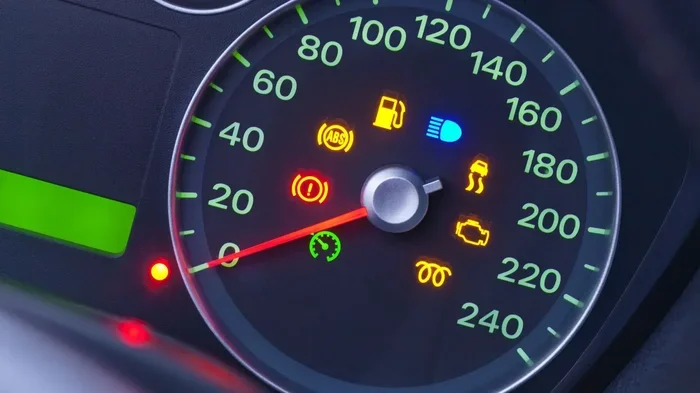
An engine light flashing while your car is cranking but won’t run points to a serious issue that should not be ignored. Common causes include a dead battery, faulty starter motor, fuel pump failure, or ignition system problems. This guide walks you through the most likely reasons, how to diagnose them, and when to seek professional help.
There is nothing more frustrating than turning your key and hearing your car crank without it actually starting. Add a glowing engine light on the dashboard, and the situation feels even more stressful. If you have ever been in this spot, you are not alone. Thousands of drivers face the same problem every day. The good news is that most causes are fixable once you know what to look for.
When your engine light car cranking situation happens, it means your vehicle’s computer has detected a problem. The light is your car’s way of waving a red flag. Ignoring it can lead to bigger issues down the road. This article breaks down everything you need to know. We will cover the most common causes, how to diagnose the problem, and what steps to take next. Think of this as your friendly guide to understanding why your car cranks but refuses to run.
Like a person sitting on a chair who notices the seat is sinking, your car sends signals when something is off. The engine light is one of those signals. Paying attention early can save you time, money, and a lot of headaches. Let us dive into the details and help you get your car running again.
Key Takeaways
- Check your battery first: A weak battery is the most common reason your car cranks but won’t start.
- Listen for warning sounds: Clicking or grinding noises point to starter motor or ignition issues.
- Read your diagnostic codes: OBD-II scanners can reveal exactly what triggered the engine light.
- Don’t ignore the fuel system: A failing fuel pump or clogged filter can prevent your car from running.
- Act quickly: Driving with the engine light on can lead to further damage and higher repair costs.
- Regular maintenance helps: Routine checks of spark plugs, filters, and battery terminals prevent many cranking problems.
📑 Table of Contents
What Happens When Your Engine Light Comes On During Cranking
Your car’s check engine light is part of the onboard diagnostics system. This system monitors dozens of sensors throughout the vehicle. When something falls outside the normal range, the computer stores a code and lights up the dashboard. The engine warning light can show up for many reasons, from a loose gas cap to a serious misfire.
How the Check Engine Light Works
The engine control unit, or ECU, acts as your car’s brain. It constantly reads data from sensors that monitor the air fuel mixture, battery voltage, oxygen sensor readings, and more. When the ECU detects a problem, it triggers the dashboard warning light. This is called a diagnostic trouble code, or DTC. Each code points to a specific issue area. You can read these codes with a simple OBD-II scanner. Many auto parts stores will read them for free.
Why Cranking Matters
Cranking is the process where the starter motor turns the engine over. For the engine to start, several things must happen at once. The combustion process needs fuel, air, and a spark. If any one of these is missing, the engine will crank but not fire. The engine light may come on during this phase if the ECU detects a failure in the starting sequence. Think of it like why does my chair keep lowering – something in the system is not holding its position, and the whole mechanism suffers.
Quick Tips
- Pay attention to when the light comes on – during cranking or after starting.
- Note any unusual sounds like clicking, grinding, or silence.
- Check your dashboard for other warning lights at the same time.
- Write down any codes you see so you can share them with a mechanic.
Top Reasons Your Car Cranks but Won’t Start
Several issues can cause your engine light car cranking problem. Some are simple and cheap to fix. Others need professional attention. Here are the most common culprits.
Weak or Dead Battery
A dead battery is the number one reason cars crank but won’t start. The battery provides the electrical power needed to turn the starter motor. If the battery voltage is too low, the starter may barely crank or not crank at all. You might notice dim headlights or slow power windows before the problem gets worse. A battery tester can tell you if your battery is holding a charge. Most car batteries last three to five years. If yours is older, it might be time for a replacement.
Faulty Starter Motor
The starter motor is responsible for turning the engine over during cranking. When it fails, you might hear a single click or a rapid clicking sound when you turn the key. The engine light may stay on because the ECU did not detect the normal cranking rotation. Starter motors can wear out over time, especially in older vehicles. Corrosion on the electrical connections can also cause starter problems. A mechanic can test the starter and replace it if needed.
Fuel System Problems
Your engine needs fuel to run. If the fuel pump fails, fuel cannot reach the fuel injectors. This means the combustion process cannot happen, even though the engine is cranking. A clogged fuel filter can cause similar issues. You might notice your engine running rough before it completely fails to start. Fuel pump failures often happen without much warning. If you hear a faint humming sound from the back of your car when you turn the key to the on position, that is the fuel pump working. No sound could mean it has failed.
Ignition System Failures
The ignition system creates the spark that ignites the fuel-air mixture in the combustion chamber. Worn spark plugs are a common cause of cranking but no-start issues. Damaged ignition coils or a faulty crankshaft position sensor can also prevent your car from starting. The crankshaft sensor tells the ECU the position and speed of the crankshaft. Without this information, the ECU cannot time the spark correctly. This is one of those problems that can leave you stranded if it happens suddenly.
Common Mistakes
- Assuming it is just the battery when the fuel pump could be the real issue.
- Ignoring the engine light and hoping it will go away on its own.
- Trying to jump-start a car with a faulty starter motor, which wastes time.
- Not checking the fuel level – yes, running on empty does happen.
Diagnostic Trouble Codes and What They Mean
When your engine light comes on, the ECU stores a specific diagnostic trouble code. These codes give you a starting point for finding the problem. You can use an OBD-II scanner to read them. The scanner plugs into a port usually found under the steering column. Once plugged in, it displays the codes stored in the ECU memory.
Reading Your Codes
Each code starts with a letter followed by four numbers. The letter tells you the system affected. P codes relate to the powertrain, B codes to the body, C codes to the chassis, and U codes to network communication. For cranking issues, you will most often see P codes. For example, P0351 points to an ignition coil problem. P0230 indicates a fuel pump primary circuit issue. P0335 points to a crankshaft position sensor malfunction. These codes do not tell you exactly what part to replace, but they narrow down the search area significantly.
Common DTCs for Cranking Issues
Here are some of the most common codes you might see when your car cranks but won’t run:
- P0351-P0358: Ignition coil circuit problems
- P0230-P0234: Fuel pump circuit issues
- P0335-P0339: Crankshaft position sensor faults
- P0401-P0402: Insufficient EGR flow, which can affect engine performance
- P0562-P0563: System voltage low, pointing to battery or alternator problems
Think of these codes like what are casters on a chair – they are the small but essential parts that help the whole system work smoothly. Without the right codes, diagnosing a cranking problem is like trying to fix something blindfolded.
Step-by-Step Troubleshooting Guide
Before you rush to the mechanic, there are several things you can check at home. Follow these steps in order to narrow down the cause of your engine light car cranking problem.
Quick Checks You Can Do at Home
- Check the battery: Look at the battery terminals for corrosion. Clean them with a wire brush if needed. Use a multimeter to check the voltage. A healthy battery should read 12.6 volts or higher.
- Check the fuel level: It sounds simple, but running out of fuel is more common than you think.
- Listen to the starter: Turn the key and pay attention. A single click might mean a bad starter. Rapid clicking often means a weak battery.
- Check for spark: Pull a spark plug and look for signs of wear or damage. A worn spark plug can prevent ignition.
- Scan for codes: Use an OBD-II scanner to read any stored trouble codes. This gives you a clear direction for next steps.
When to Call a Professional
If the basic checks do not reveal the problem, it is time to call a mechanic. Some issues require specialized tools and expertise. Fuel pump replacement, starter motor repair, and crankshaft sensor diagnosis all fall into this category. A professional mechanic has the experience to diagnose problems quickly and correctly. Trying to fix complex electrical issues without the right knowledge can make things worse. If your engine light is flashing rather than solid, seek help immediately. A flashing light usually indicates a more serious problem like engine misfire that could damage the catalytic converter.
Expert Insights
Seasoned mechanics often say that the engine light is your car’s best friend, not its enemy. It warns you early so small problems do not become big expenses. One mechanic shared that nearly half of the cranking-but-no-start calls he receives trace back to something as simple as a corroded battery terminal or a weak ground connection. Always check the simple things first before moving to complex repairs.
Common Mistakes and Expert Prevention Tips
Dealing with a car that cranks but won’t run can be stressful. In the rush to fix it, many people make mistakes that actually make the problem worse. Here is what to watch out for and how to prevent future issues.
Common Mistakes
- Ignoring the problem: Many drivers hope the issue will resolve itself. It rarely does, and the problem often gets worse over time.
- Replacing parts without diagnosis: Changing the battery, spark plugs, or fuel pump without proper diagnosis wastes money.
- Overlooking simple fixes: A loose gas cap can trigger the engine light and cause emissions-related codes.
- Continuously cranking the engine: Cranking for long periods can overheat the starter motor and drain the battery further.
- Skipping regular maintenance: Neglecting oil changes, filter replacements, and spark plug checks leads to avoidable problems.
Think about how why does my office chair keep going down – small issues like a worn seal get worse when you ignore them. The same logic applies to your car. Small problems grow into expensive repairs when left unchecked.
Expert Tips to Prevent Future Engine Light Issues
- Keep a maintenance log: Track oil changes, spark plug replacements, and filter changes. This helps you stay ahead of problems.
- Check battery terminals regularly: Clean any corrosion and ensure tight connections every few months.
- Use quality fuel: Cheap or contaminated fuel can damage the fuel pump and injectors over time.
- Do not ignore warning signs: If your car starts running rough or the dashboard warning lights up, get it checked promptly.
- Keep an OBD-II scanner handy: Having one at home lets you check codes early and catch problems before they become serious.
Regular maintenance is the best way to avoid the engine light car cranking situation altogether. A well-maintained vehicle starts reliably and runs efficiently. The small effort you put into routine checks pays off big time in the long run.
Final Thoughts
Dealing with an engine light while your car is cranking but won’t run is never fun. But understanding the possible causes puts you back in control. Start with the simple checks – battery, fuel level, and spark plugs. Use an OBD-II scanner to read any codes. And do not be afraid to call a professional when the problem goes beyond DIY fixes. Most cranking issues are solvable, and many are inexpensive to repair when caught early. Your car is trying to tell you something through that glowing light. Listen to it, take action, and you will be back on the road in no time.
Remember, your vehicle works hard every day to get you where you need to go. Taking care of it with regular maintenance and prompt attention to warning signs keeps it running smoothly. The next time you turn that key and hear your engine fire up without a hitch, you will know that your attention to detail made all the difference.
Frequently Asked Questions
Why does my check engine light come on when I turn the key?
The check engine light comes on when the ECU detects a problem during the startup sequence. This could be anything from a loose gas cap to a serious sensor failure. When your car is cranking, the ECU runs a quick self-test. If a sensor reading falls outside the normal range, it triggers the light. Reading the diagnostic codes with an OBD-II scanner will tell you exactly what the issue is.
Can a low battery cause the engine light to flash?
Yes, a low battery voltage can cause the engine light to flash or stay solid. When the battery cannot deliver enough power, the starter motor struggles, and the ECU may detect abnormal voltage levels. This triggers a warning. If you notice the light flickering along with slow cranking, the battery is likely the culprit. Have it tested as soon as possible.
How do I know if my fuel pump is bad?
Signs of a failing fuel pump include a whining noise from the fuel tank, difficulty starting, stalling under load, and loss of power during acceleration. If your car cranks but will not start, the fuel pump could be preventing fuel from reaching the engine. A mechanic can test the fuel pressure to confirm whether the pump is working correctly.
Is it safe to drive with the engine light on?
It depends on the severity. If the light is solid and the car is running normally, you can usually drive to a repair shop safely. However, if the light is flashing, you should stop driving immediately. A flashing light often indicates a severe misfire that can damage the catalytic converter. Pull over and call for assistance if the light is flashing.
What does it mean when the car cranks but won’t fire?
When your car cranks but won’t fire, it means the engine is turning over but the combustion process is not starting. This usually points to a missing ingredient in the combustion equation – fuel, air, or spark. Common causes include a dead battery, bad fuel pump, worn spark plugs, or a faulty crankshaft sensor. Diagnosing the exact cause requires checking each of these systems step by step.
How much does it cost to fix a car that cranks but won’t start?
The cost varies widely depending on the cause. A dead battery replacement might cost $50 to $200. A fuel pump replacement can range from $400 to $800. Starter motor repairs typically cost $300 to $500. Ignition system repairs vary based on which components need replacing. Always get a detailed estimate from your mechanic before approving repairs. Catching the problem early often keeps costs lower.

Similar Posts































