Does Car Insurance Cover Maintenance
Recipe Developer & Kitchen Guide Writer at Choose Vacuum · Certified Home Economist, ServSafe Food Handler · 8+ years developing home recipes and testing everyday kitchen techniques
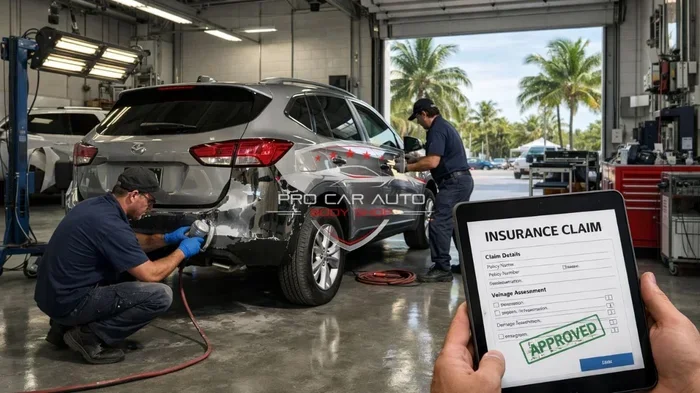
Car insurance does not cover routine maintenance like oil changes, tire rotations, or brake pad replacements. Standard policies cover damages from accidents, theft, or weather events, not normal wear and tear. Understanding your policy limits helps you budget for car upkeep and avoid unexpected costs.
Every car owner has asked this question at some point. You’re staring at a repair bill or planning your next oil change, and the thought crosses your mind. Does car insurance cover maintenance? The short answer is no, not for routine upkeep. But the full picture is more nuanced than that simple response. Let’s break it all down so you know exactly what to expect from your auto policy.
Understanding what your insurance covers can save you from nasty surprises. It also helps you plan your budget smarter. Whether you drive a brand-new sedan or a trusty older truck, knowing your coverage limits matters. This guide walks you through everything you need to know about car insurance and vehicle maintenance.
Key Takeaways
- Routine maintenance is not covered: Oil changes, tire replacements, and brake jobs are your responsibility.
- Accident damage is covered: Collision and comprehensive coverage pay for repairs from covered events.
- Mechanical breakdowns need a warranty: Consider an extended warranty or maintenance plan for older vehicles.
- Read your policy carefully: Know what your specific plan includes and excludes.
- Budget separately for upkeep: Set aside money each month for non-covered maintenance costs.
- Some insurers offer add-ons: Optional coverage may help with certain repair costs.
📑 Table of Contents
- What Does Car Insurance Actually Cover?
- Why Routine Maintenance Is Not Covered
- When Insurance Might Cover a Repair
- Car Warranty vs. Car Insurance
- How to Budget for Car Maintenance Without Insurance Help
- Optional Coverage That Might Help
- Common Mistakes People Make About Insurance and Maintenance
- Final Thoughts
What Does Car Insurance Actually Cover?
Most standard auto policies focus on unexpected events. They protect you from accidents, theft, vandalism, and weather damage. They do not cover the slow, predictable costs of owning a vehicle. Let’s look at what is typically included.
Collision Coverage
This pays for damage to your car after an accident. If you hit another vehicle or a stationary object like a fence or guardrail, collision coverage steps in. It pays for repairs minus your deductible. This is a core part of most full-coverage policies.
Comprehensive Coverage
Comprehensive coverage handles non-collision events. Think fire, flooding, hail, falling tree branches, or theft. If a deer crashes into your windshield, comprehensive coverage has you covered. It also covers damage from riots or civil disturbances.
Liability Coverage
Liability coverage pays for damage you cause to others. It does not pay for repairs to your own car. This is the most basic and legally required form of auto insurance in most states. It covers the other person’s medical bills and property damage.
Why Routine Maintenance Is Not Covered
Insurance companies view routine maintenance as part of the cost of owning a car. These are predictable expenses that every driver faces. They are not sudden or accidental. That is why standard policies exclude them.
Here are common maintenance items that fall outside your insurance coverage:
- Oil changes and fluid top-offs
- Tire replacements and rotations
- Brake pad and rotor replacements
- Windshield wiper changes
- Battery replacements
- Air filter and cabin filter swaps
- Spark plug replacements
- Transmission fluid flushes
- Alignment and suspension checks
These tasks keep your car running safely and smoothly. But they happen over time through normal use. Insurance is designed for the unexpected, not the expected. Think of it this way: insurance protects you from bad luck, not from the natural aging of your vehicle.
When Insurance Might Cover a Repair
There are situations where your policy may pay for repairs that feel like maintenance. The key is whether the damage was sudden and accidental.
Accidental Damage During Maintenance
Imagine a mechanic accidentally damages your car while performing an oil change. Your insurance company might cover this. It depends on your policy and who was at fault. If the shop’s error caused the damage, their shop insurance may be responsible instead.
Weather-Related Wear
Severe weather can accelerate car wear. A hail storm might dent your hood and crack your windshield. A flood might ruin your brakes and electrical system. Comprehensive coverage typically handles these situations. The line between wear and tear and weather damage can get blurry though.
Defective Parts Causing Damage
If a defective part fails and causes further damage, things get complicated. Your insurance might cover the secondary damage. The manufacturer’s warranty should cover the defective part itself. This is where having a car warranty really helps.
Car Warranty vs. Car Insurance
Many people confuse these two. They serve very different purposes. A car warranty covers manufacturing defects and mechanical failures. Insurance covers accidental damage and liability.
Here is a quick comparison:
| Feature | Car Insurance | Car Warranty |
|---|---|---|
| Covers accidents | Yes | No |
| Covers mechanical failures | No (unless caused by a covered event) | Yes |
| Covers routine maintenance | No | Sometimes (maintenance plans) |
| Required by law | Yes (in most states) | No |
| Cost | Monthly or annual premium | |
| Duration | Ongoing as long as you pay | Limited time or mileage |
See the difference? They complement each other. A good warranty protects you from repair bills. Insurance protects you from liability and accidents. Together, they give you solid financial protection.
How to Budget for Car Maintenance Without Insurance Help
Since your insurance policy won’t foot the bill for routine upkeep, you need your own plan. Here are practical ways to prepare.
Set Up a Maintenance Fund
Start small. Even $50 per month adds up to $600 per year. That covers most basic maintenance for many vehicles. Put this money in a separate savings account. Treat it like a bill you pay to yourself every month.
Follow Your Maintenance Schedule
Your owner’s manual has a recommended maintenance schedule. Stick to it. Regular upkeep prevents expensive breakdowns later. A $30 oil change today can prevent a $3,000 engine rebuild tomorrow.
Shop Around for Repair Shops
Don’t just go to the dealership. Independent mechanics often charge less for the same work. Get multiple quotes for major repairs. Read online reviews before choosing a shop.
Consider a Maintenance Plan
Some dealerships and third-party companies offer maintenance plans. These cover oil changes, tire rotations, and inspections for a flat fee. They are not insurance, but they can save you money if you keep your car long-term.
Optional Coverage That Might Help
Some insurers offer add-ons that blur the line between insurance and maintenance. These are worth exploring if you want extra protection.
Mechanical Breakdown Insurance
This optional coverage pays for repairs when parts fail unexpectedly. It is different from a warranty. It covers things like engine failure, transmission issues, and electrical problems. Think of it as insurance for your car’s mechanical health. Not all states offer this coverage, and availability varies by insurer.
Rental Car Reimbursement
If your car is in the shop for a covered claim, this add-on pays for a rental. It won’t cover maintenance directly, but it helps with the downtime. This is a small cost that can provide big peace of mind.
Roadside Assistance Coverage
This covers towing, jump-starts, flat tire changes, and lockout services. It is not maintenance either, but it keeps you from the roadside. Many insurers offer this as an add-on for a few dollars per month.
Common Mistakes People Make About Insurance and Maintenance
Avoid these pitfalls to keep your finances and your car in good shape.
Mistake 1: Assuming all repairs are covered. Many drivers file claims for routine repairs, only to get denied. Know your policy inside and out before you need it.
Mistake 2: Skipping maintenance to save money. This is a false economy. Skipping oil changes or tire rotations leads to bigger, costlier problems down the road.
Mistake 3: Not reading the fine print. Your policy documents contain exclusions and limitations. Take the time to read them. Call your agent if anything is unclear.
Mistake 4: Confusing warranty with insurance. A warranty does not replace car insurance. You need both for full protection. One covers defects; the other covers accidents and liability.
Final Thoughts
So does car insurance cover maintenance? The answer remains no for routine upkeep. Your auto insurance policy is there for the unexpected, not the expected. It protects you from accidents, theft, and weather damage. It does not pay for oil changes, new tires, or brake jobs.
But that does not mean you are on your own. Smart car owners plan ahead. They budget for maintenance. They consider warranties and maintenance plans. They understand what their insurance actually covers. This knowledge puts you in control of your finances and your vehicle’s health.
Take time to review your policy today. Talk to your insurance agent about any gaps in your coverage. Set up a maintenance fund and stick to a regular service schedule. Your car will last longer, run better, and cost you less in the long run. Being informed is the best maintenance plan of all.
Frequently Asked Questions
Does car insurance cover oil changes?
No, car insurance does not cover oil changes. Oil changes are considered routine maintenance and fall under the owner’s responsibility. You should budget for oil changes as part of regular vehicle ownership costs.
Will my insurance pay for brake repairs?
Insurance will only pay for brake repairs if the damage was caused by a covered event like an accident or vandalism. Normal brake wear from everyday driving is not covered. You will need to pay for brake pad and rotor replacements out of pocket.
Can I get insurance that covers routine car maintenance?
Standard auto insurance policies do not cover routine maintenance. However, some insurers offer mechanical breakdown insurance or maintenance plan add-ons. These are optional and vary by provider and state availability.
What is the difference between a car warranty and car insurance?
A car warranty covers manufacturing defects and mechanical failures that occur over time. Car insurance covers accidental damage, theft, and liability to others. They serve different purposes and work best when you have both.
Does comprehensive insurance cover wear and tear?
No, comprehensive insurance does not cover normal wear and tear. It covers sudden, unexpected events like weather damage, fire, theft, and vandalism. Gradual deterioration from everyday use falls outside comprehensive coverage.
How can I save money on car maintenance?
You can save money by following your maintenance schedule, shopping around for competitive repair quotes, and setting aside a monthly maintenance fund. Consider a maintenance plan from your dealership or a trusted independent mechanic for consistent, affordable service.

Similar Posts































