Help With Couging Up Spit During Nighttime 83 Year Male Dog
Recipe Developer & Kitchen Guide Writer at Choose Vacuum · Certified Home Economist, ServSafe Food Handler · 8+ years developing home recipes and testing everyday kitchen techniques
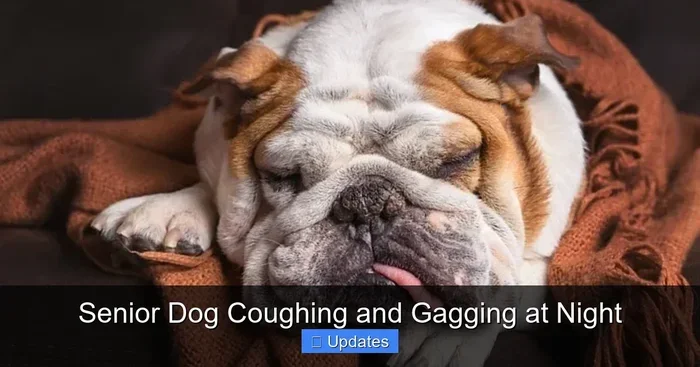
Coughing up spit during nighttime in an 83-year-old male dog is a common concern for senior pet owners. This guide covers the top causes, warning signs, home remedies, and vet-recommended treatments to help your aging dog breathe easier and sleep better at night.
Watching your beloved 83-year-old male dog cough up spit in the middle of the night is worrying. You love him, and you want him to feel comfortable. coughing up spit during nighttime 83 year male dog is a problem many senior dog owners face. It can happen for many reasons, from simple irritation to serious health conditions. This guide will walk you through everything you need to know. You will learn what causes it, when to worry, and how to help your dog feel better tonight.
Senior dogs need extra care, especially when nighttime coughing and phlegm become a regular thing. An 83-year-old male dog has a body that is working hard every day. His lungs, heart, and immune system may not be as strong as they used to be. That is why elderly dog nighttime cough issues are so common. The good news? There are many things you can do at home and with your vet to make a real difference.
Key Takeaways
- Nighttime coughing in senior dogs can stem from heart issues, respiratory infections, or age-related mucus buildup.
- An 83-year-old male dog is at higher risk for chronic bronchitis, heart disease, and collapsing trachea.
- Simple home changes like elevating the sleeping area and using a humidifier can reduce nighttime coughing fits.
- Watch for red flags like blood in the spit, labored breathing, or loss of appetite that need immediate vet attention.
- Your dog may seek comfort by sitting under a chair at night, which is normal but worth monitoring.
- Early vet visits lead to better management of chronic conditions in elderly dogs.
📑 Table of Contents
Why Senior Dogs Cough Up Phlegm at Night
Understanding the root cause is the first step. Coughing up mucus in elderly dogs at night is not normal aging. It is a signal. Your dog’s body is trying to clear something from his airways. Let us look at the most common reasons this happens.
Fluid Buildup and Heart Problems
Heart disease is very common in older male dogs. As the heart weakens, fluid can build up in the lungs. This is called congestive heart failure. When your dog lies down at night, gravity shifts. Fluid moves around, and that triggers a dog cough with phlegm at night. You might notice a wet, gurgling sound when he coughs. This is one of the most serious causes and needs vet attention fast.
Chronic Bronchitis and Airway Inflammation
Older dogs often develop chronic bronchitis. The airways become inflamed and produce extra mucus. At night, when the air is cooler and still, mucus pools in the throat. Your dog tries to clear it by coughing. Senior dog respiratory issues like this can worsen with age. Smoke, dust, and even strong smells can make it worse.
Collapsed Trachea
Many small and medium-sized male dogs develop a collapsing trachea as they age. the windpipe weakens and flattens. This makes it hard to breathe. A dog coughing up white foam at night is a classic sign. The cough often sounds like a goose honk. It gets worse when the dog is excited, pulls on a leash, or lies down.
Kennel Cough and Respiratory Infections
Even old dogs can pick up infections. Kennel cough is a highly contagious respiratory disease. It causes a harsh, dry cough that can turn wet. If your dog has been around other dogs recently, this could be the cause. Canine respiratory infections in seniors need prompt treatment to prevent pneumonia.
Allergies and Environmental Irritants
Dust mites, mold, and pet dander collect in bedding. At night, your dog breathes this in deeply. Allergies trigger inflammation and mucus production. A dog coughing at night due to allergies will often scratch or lick his paws too. Check his bedding and the air quality in his sleeping area.
Common Causes of Nighttime Coughing in Elderly Dogs
Let us break down the causes more clearly. Not every cough is the same. The type of cough, the sound, and the timing all matter.
| Cause | Cough Type | Nighttime Severity | Urgency Level |
|---|---|---|---|
| Heart Disease | Wet, gurgling | Worse when lying down | High |
| Chronic Bronchitis | Dry then wet | Moderate to high | Medium |
| Collapsed Trachea | Goose honk sound | Worse at rest | Medium |
| Kennel Cough | Harsh, dry | Moderate | Medium |
| Allergies | Scratchy, frequent | Moderate | Low to Medium |
| Pneumonia | Deep, wet, painful | High | Very High |
| Lung Tumor | Persistent, worsening | High | Very High |
As you can see, some causes are more urgent than others. A dog coughing up blood or green mucus at any age needs immediate vet care. For an 83-year-old male dog, even a mild cough should not be ignored. His body is more fragile, and quick action can prevent serious complications.
Many owners wonder about dog wheezing at night in old age. Wheezing and coughing often go together. Both point to airway narrowing or blockage. Do not wait and see if it goes away on its own. Senior dogs need faster responses to breathing problems.
When to Visit the Vet: Warning Signs
Knowing the difference between a minor cough and an emergency saves lives. Here are the warning signs you should never ignore:
- Blood in the spit or phlegm — this is never normal at any age.
- Labored or rapid breathing — your dog should not struggle to breathe at rest.
- Blue or purple gums — this signals low oxygen levels.
- Loss of appetite for more than a day — senior dogs lose interest in food fast when they feel unwell.
- Lethargy and weakness — if your dog will not move or seems very tired.
- Coughing fits that last more than a few minutes — prolonged coughing can cause vomiting and exhaustion.
- Fever or warm ears — signs of infection that need antibiotics.
If your dog shows any of these signs, call your vet right away. For an 83-year-old male dog, time matters even more. His immune system is weaker, and problems can escalate quickly. Keep your vet’s after-hours number saved in your phone. Nighttime emergencies happen, and being prepared makes all the difference.
Many vets now offer telehealth visits. This means you can describe the symptoms and even show a video of the cough from home. It is a great first step if you are unsure whether it is an emergency.
Home Remedies and Comfort Tips
You do not have to wait for a vet visit to start helping your dog. There are safe, gentle things you can do at home tonight. These tips can reduce dog coughing and mucus at night and help your senior friend rest better.
Elevate the Sleeping Area
Gravity is your friend. When your dog lies flat, fluid and mucus pool in the lungs and throat. Elevating his head and chest by just a few inches helps drainage. You can use a small fold up chair placed under his bed to raise one side. A rolled towel under the chest works too. The goal is a slight incline of about 15 to 20 degrees.
Use a Humidifier
Dry air irritates inflamed airways. A cool-mist humidifier in your dog’s room adds moisture to the air. This loosens mucus and soothes the throat. Run it for at least an hour before bedtime. Clean the humidifier daily to prevent mold growth.
Keep the Sleeping Area Clean
Dust and allergens make coughing worse. Wash your dog’s bedding weekly in hot water. Vacuum the area around his bed. If your dog likes to sleep under furniture, that is normal — many dogs seek out enclosed, safe spaces at night, which is a natural behavior explained in detail in our article on why dogs sit under chairs. Just make sure those spots are clean and dust-free.
Hydration is Key
Water thins mucus. Make sure your senior dog has fresh water available at all times. Some older dogs do not drink enough during the day. Try offering warm water or low-sodium bone broth in the evening. This encourages drinking and helps keep airways moist.
Gentle Chest Thumping
Lightly patting your dog’s chest in a rhythmic motion can help loosen mucus. Use a flat hand and gentle pressure. Do this for 2 to 3 minutes before bed. Many dogs find this soothing, and it helps them cough up phlegm more easily during the night.
Avoid Irritants Before Bed
Do not use scented candles, air fresheners, or cleaning sprays near your dog’s area. Smoke from fireplaces or cigarettes is especially harmful. Even strong laundry detergents on bedding can trigger a coughing episode. Keep the air clean and simple.
Managing Sleep Position and Environment for Your Aging Dog
Where and how your dog sleeps matters more than you think. An 83-year-old male dog spends a lot of time resting. His sleep environment directly affects his breathing and coughing.
Dogs with chronic bronchitis or heart issues often sleep better with their head elevated. A memory foam dog bed with a raised edge can work well. Some owners place a best childrens fold up chair near the bed to sit on during nighttime check-ins. This gives you a comfortable spot to monitor your dog without disturbing your own sleep too much.
Keep the room temperature cool but not cold. Warm air holds more moisture, which can worsen congestion. A room temperature of 65 to 70 degrees Fahrenheit is ideal. Use a fan for gentle air circulation, but avoid pointing it directly at your dog.
If your dog uses a crate, make sure it is large enough for him to stand and turn around comfortably. Older dogs with arthritis may curl up tightly, which compresses the chest and makes breathing harder. A larger sleeping space with supportive bedding can reduce nighttime coughing episodes.
Daytime Habits That Help at Night
What your dog does during the day affects his nighttime cough. Short, gentle walks help clear the lungs. Avoid vigorous exercise in the evening, as it can trigger coughing fits. Keep your dog calm in the hours before bed. Soft music or quiet time can help reduce anxiety, which sometimes worsens coughing in senior dogs.
Also, make sure your dog finishes his last meal at least two hours before bedtime. A full stomach pushes on the diaphragm and lungs. This is especially true for dogs prone to acid reflux, which can mimic or worsen a nighttime cough.
Long-Term Care for Senior Dogs with Respiratory Issues
Managing coughing up phlegm in old dogs is not a one-time fix. It is an ongoing commitment. Your 83-year-old male dog deserves consistent, loving care. Here is how you can build a long-term plan.
Start with regular vet checkups. Senior dogs should see the vet at least every six months. Bloodwork, x-rays, and heart monitoring help catch problems early. Many conditions that cause nighttime coughing are manageable when caught in time.
Your vet may prescribe medications like:
- Diuretics to reduce fluid buildup from heart disease.
- Cough suppressants for dry, persistent nighttime coughs.
- Mucolytics to thin mucus and make it easier to expel.
- Bronchodilators to open up the airways.
- Antibiotics if a bacterial infection is present.
Never give human cough medicine to your dog without vet approval. Many ingredients safe for humans are toxic to dogs. Always follow your vet’s exact dosing instructions.
Nutrition also plays a big role. Senior dogs need high-quality protein to maintain muscle mass, including the muscles used for breathing. Omega-3 fatty acids from fish oil can reduce inflammation in the airways. Ask your vet about the best senior dog food for respiratory health.
Weight management is critical. Extra weight puts pressure on the lungs and heart. Even a small weight loss can improve breathing in overweight senior dogs. Work with your vet to find the right diet and portion sizes for your 83-year-old male dog.
Finally, give your dog plenty of love and patience. He has been with you through so much. Now it is your turn to make his golden years comfortable. A little extra attention to his nighttime routine can bring both of you better sleep and peace of mind.
Remember, you are not alone in this. Millions of senior dog owners face similar challenges every night. Reach out to your vet, join online senior dog support groups, and trust your instincts. You know your dog best. With the right care, managing nighttime coughing in elderly dogs is absolutely possible.
Conclusion
Coughing up spit during nighttime in an 83-year-old male dog is a sign that deserves attention and action. Whether the cause is heart disease, bronchitis, allergies, or something else, you have many tools to help. Start with the home remedies tonight. Elevate his bed, use a humidifier, and keep his area clean. Watch for warning signs that need a vet visit. And build a long-term care plan with your vet for the best results.
Your senior dog gave you years of loyalty and love. Helping him breathe easier at night is one of the best ways to give back. Do not wait. Start making changes tonight, and you will both sleep better tomorrow.
Frequently Asked Questions
Why does my 83-year-old dog cough up phlegm only at night?
Nighttime coughing often gets worse because mucus pools in the throat when your dog lies down. Gravity shifts fluid and mucus when the body is horizontal. Cooler nighttime air and indoor allergens like dust mites also trigger airway irritation. This combination makes nighttime the worst period for elderly dogs with respiratory issues.
Can I give my old dog human cough medicine for nighttime coughing?
No. Many human cough medicines contain ingredients that are toxic to dogs, especially acetaminophen and ibuprofen. Always consult your vet before giving any medication. Your vet can prescribe dog-safe cough suppressants or mucolytics that are formulated for canine use.
Is coughing up white foam a sign of a serious problem in senior dogs?
White foam can indicate a collapsing trachea or mild bronchitis, which are common in older dogs. However, if the coughing is persistent or worsening, it needs vet evaluation. Pink or bloody foam is more serious and requires immediate attention.
How can I help my senior dog sleep better when he coughs at night?
Elevate his head and chest with a rolled towel or wedge. Use a cool-mist humidifier in his room. Keep the bedding clean and dust-free. Offer warm water or broth before bed to keep airways moist. A calm, quiet environment also reduces nighttime coughing triggers.
What should I do if my 83-year-old dog coughs so hard he gags or vomits?
Forceful coughing that leads to gagging is common with tracheal issues and mucus buildup. Keep your dog calm and upright after a coughing fit. Offer small sips of water. If gagging continues or your dog cannot breathe, go to the emergency vet immediately.
Can allergies cause an elderly male dog to cough up mucus at night?
Yes. Allergens like dust mites, mold, and dander accumulate in bedding and trigger nighttime coughing. Dogs with allergies often have itchy skin and paws too. Washing bedding weekly, using hypoallergenic covers, and running an air purifier can significantly reduce allergy-related nighttime coughing.
=== CONCLUSION ===
Coughing up spit during nighttime in an 83-year-old male dog is manageable with the right approach. Use the tips in this guide to help your senior companion tonight. From elevating his bed to watching for warning signs, every action counts. Share this guide with fellow senior dog owners who might need it. Your dog deserves a peaceful, cough-free night.

Similar Posts