Checking Transmission Fluid Level 2015 Nissan Altima with Out Dipstick
Recipe Developer & Kitchen Guide Writer at Choose Vacuum · Certified Home Economist, ServSafe Food Handler · 8+ years developing home recipes and testing everyday kitchen techniques
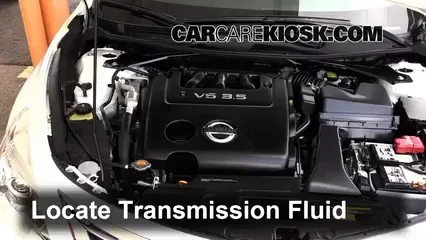
Checking transmission fluid level 2015 Nissan Altima with out dipstick is a simple process once you know the right steps. The 2015 Altima uses a CVT transmission that does not include a traditional dipstick. You can still check the fluid level using the transmission fluid reservoir and a few basic tools. This guide walks you through every step in plain language. Follow along to keep your Altima’s transmission healthy and avoid costly repairs.
Key Takeaways
- No Dipstick Design: The 2015 Nissan Altima CVT transmission does not include a traditional dipstick for fluid checks.
- Reservoir Method Works: You can check fluid levels through the transmission fluid reservoir with the engine warm and running.
- Right Fluid Matters: Always use Nissan-recommended CVT fluid to protect your transmission from wear.
- Regular Checks Prevent Damage: Checking your fluid regularly helps you catch low levels before they cause serious problems.
- Safety First: Always let the engine cool slightly and work on a level surface for accurate readings.
- Change Intervals Matter: Most experts recommend changing CVT fluid every 30,000 to 60,000 miles.
📑 Table of Contents
Why the 2015 Nissan Altima Has No Dipstick
If you have a 2015 Nissan Altima, you might have looked under the hood for a transmission dipstick. And you probably could not find one. That is not a mistake. Nissan designed the CVT transmission in the 2015 Altima without a traditional dipstick. This decision was made to simplify the design and reduce potential leaks.
But it also means that checking your fluid level requires a different approach. Many car owners do not know this. They assume something is wrong because they cannot find the dipstick. The truth is, this is completely normal for this model. Once you know the method, it is actually quite straightforward.
The CVT, or continuously variable transmission, works differently from a standard automatic transmission. It uses a belt and pulley system instead of fixed gears. This system relies heavily on the right amount of transmission fluid. Too little fluid and the transmission can overheat. Too much and you may cause other issues. That is why knowing how to check the level matters so much.
Understanding your car is the first step toward better maintenance. The 2015 Altima is a reliable vehicle, but it does need regular attention. Transmission fluid is the lifeblood of your CVT system. Keeping it at the right level ensures smooth shifting and long life for your transmission.
What You Need Before You Start
Before you check your transmission fluid, gather a few items. You do not need anything fancy. Most of these tools are things you likely already have at home.
Here is what you will need:
- A clean rag or paper towel
- Nissan-approved CVT transmission fluid (NS-3 is the recommended type)
- A funnel (optional but helpful)
- A level surface to park on
- Your vehicle owner’s manual for reference
Make sure you have the correct fluid. Using the wrong type of transmission fluid can damage your CVT. Nissan specifies NS-3 fluid for the 2015 Altima. You can find this at most auto parts stores or order it online. Do not substitute with generic ATF unless your manual specifically allows it.
Also, plan to do this check when the engine is warm. Warm fluid flows more easily and gives you a more accurate reading. However, do not check it right after a long drive when everything is scorching hot. Let the engine idle for a few minutes and then turn it off. You want it warm but not burning hot.
Working on a level surface is essential. If your car is tilted, the fluid reading will be inaccurate. Park on a flat driveway or garage floor. This small step makes a big difference in getting the right measurement.
Quick Tip
Keep a bottle of Nissan NS-3 fluid in your garage at all times. That way, if you find the level is low, you can top it off immediately without making a trip to the store.
Step-by-Step Guide to Check Transmission Fluid
Now let us get into the actual process. Checking the transmission fluid level on a 2015 Nissan Altima without a dipstick is a simple procedure. Follow these steps carefully and you will have an accurate reading in just a few minutes.
Step 1: Warm Up the Engine
Start your car and let it idle for about 5 to 10 minutes. This warms up the transmission fluid and allows it to circulate properly. The fluid needs to be warm to give you an accurate reading. Watch the temperature gauge and make sure the engine is in the normal operating range.
Once the engine is warm, shift through all the gears (P, R, N, D) and then return to Park. This helps distribute the fluid evenly throughout the transmission system. Let the engine idle in Park for another minute before proceeding.
Step 2: Locate the Transmission Fluid Reservoir
Open the hood and locate the transmission fluid reservoir. On the 2015 Nissan Altima, the reservoir is typically located near the back of the engine bay, close to the firewall. It may be labeled “CVT Fluid” or simply “Transmission.”
If you are having trouble finding it, consult your owner’s manual. The manual includes a diagram of the engine bay that shows the exact location. The reservoir is usually a small plastic tank with a cap that has a transmission fluid symbol on it.
Step 3: Clean the Area Around the Reservoir
Before you open the reservoir cap, wipe the area around it with a clean rag. This prevents any dirt or debris from falling into the fluid. Dirt particles can cause serious damage to your CVT transmission over time. Take a moment to clean the cap and the surrounding area thoroughly.
This is a small step that many people skip. But it makes a big difference in keeping your transmission clean and protected. Think of it as the equivalent of washing your hands before a meal. It is a simple habit that prevents problems.
Step 4: Remove the Cap and Check the Level
Remove the cap from the transmission fluid reservoir. Look inside to see where the fluid level sits. The reservoir has markings or a visible maximum line. The fluid should be between the minimum and maximum marks.
If the fluid level is below the minimum mark, you need to add more fluid. Use a funnel to pour in the NS-3 CVT fluid slowly. Add small amounts at a time and check the level frequently. It is much easier to add fluid than to remove excess fluid if you overfill.
Step 5: Replace the Cap and Test Drive
Once the fluid level is correct, replace the cap firmly. Wipe up any spills with your rag. Start the engine and let it idle for a minute. Then shift through the gears again and listen for any unusual noises.
Take your Altima for a short test drive. Pay attention to how the transmission shifts. Smooth shifting is a good sign. If you notice any hesitation, slipping, or rough shifts, you may need to check the fluid level again or consult a mechanic.
Common Mistakes to Avoid
Here are some common errors people make when checking transmission fluid:
- Checking the fluid when the engine is cold: This gives an inaccurate reading. Always warm up the engine first.
- Using the wrong type of fluid: Never substitute generic ATF for Nissan CVT fluid unless specified.
- Overfilling the reservoir: Too much fluid can cause foaming and pressure buildup.
- Skipping the cleanup step: Dirt entering the reservoir can contaminate the fluid and damage internal parts.
- Ignoring fluid color: Healthy transmission fluid is reddish-pink. Dark brown or black fluid needs to be changed.
Expert Insight
Many mechanics recommend checking your transmission fluid every 3,000 to 5,000 miles as part of your regular maintenance routine. This might seem frequent, but it only takes about five minutes. Catching a low fluid level early can save you from expensive transmission repairs down the road. Think of it as insurance for your car’s most important drivetrain component.
How Often Should You Change the Transmission Fluid?
Checking the fluid level is only part of the equation. You also need to know when to change the fluid entirely. Over time, transmission fluid breaks down and loses its effectiveness. Old fluid does not lubricate as well and can lead to increased wear on internal components.
For the 2015 Nissan Altima, most experts recommend changing the CVT fluid every 30,000 to 60,000 miles. However, this can vary depending on your driving conditions. If you drive in heavy traffic, tow heavy loads, or frequently drive in extreme heat, you may need to change the fluid more often.
Here are some signs that your transmission fluid needs to be changed:
- The fluid appears dark brown or black instead of reddish-pink
- You notice a burnt smell coming from the fluid
- Shifting feels rough or delayed
- You hear unusual noises from the transmission area
- The fluid level drops quickly even after topping off
Changing the transmission fluid is a more involved process than just checking the level. If you are not comfortable doing it yourself, take your Altima to a trusted mechanic. A professional transmission fluid change typically costs between $150 and $300, depending on your location and the shop you visit.
Regular fluid changes are one of the best investments you can make in your car. A new set of fresh CVT fluid can make your transmission feel brand new again. The shifts will be smoother, and the transmission will run cooler. It is a small cost that pays for itself in longevity and performance.
Quick Tip
Keep a maintenance log in your glove box. Write down the date and mileage every time you check or change your transmission fluid. This helps you stay on track and gives you a record to share with your mechanic.
Maintaining Your Altima’s Transmission for Long Life
Checking and changing the fluid is important, but there is more you can do to keep your transmission healthy. Proper maintenance goes beyond just fluid changes. Here are some additional tips to help your 2015 Altima transmission last for years to come.
First, avoid aggressive driving habits. Rapid acceleration and hard braking put extra stress on the transmission. Smooth, steady driving is much easier on your drivetrain. If you can, try to anticipate stops and starts rather than making sudden movements.
Second, pay attention to warning signs. Your car will often tell you when something is wrong. Listen for unusual sounds, feel for vibrations, and watch for warning lights on your dashboard. The check engine light can sometimes indicate transmission issues. Do not ignore these signals. Addressing problems early is always cheaper than waiting until something breaks.
Third, keep your transmission cool. Overheating is one of the biggest enemies of transmission fluid. If you frequently drive in hot climates or tow heavy loads, consider installing an external transmission cooler. This helps maintain the proper fluid temperature and extends the life of your fluid and transmission.
Fourth, get regular professional inspections. Even if you check your fluid yourself, have a mechanic inspect your transmission during routine service appointments. They have specialized tools and experience to spot problems you might miss. A professional inspection every 15,000 to 20,000 miles is a good rule of thumb.
Just like maintaining your car, keeping your vehicle’s interior in good shape matters too. For example, learning how to adjust a chair height with lever helps you maintain your furniture properly. Similarly, knowing how to get wrinkles out of chair covers keeps your car seats looking great. And if you have leather interiors, understanding how to get smell out of leather chair ensures your cabin stays fresh and pleasant.
Key Takeaways
- Treat your transmission with care and it will reward you with years of reliable service.
- Smooth driving habits reduce stress on the CVT system.
- Regular professional inspections catch problems early.
- Keeping your transmission cool extends fluid life significantly.
Conclusion
Checking transmission fluid level 2015 Nissan Altima with out dipstick does not have to be intimidating. The process is straightforward once you understand the reservoir method. By following the steps outlined in this guide, you can confidently check and maintain your transmission fluid at home.
Remember to use the correct NS-3 CVT fluid, always check on a level surface with a warm engine, and never ignore warning signs. Regular fluid checks and timely changes are the foundation of transmission longevity. Your 2015 Altima is a well-built vehicle, and with proper care, it will continue to serve you reliably for many miles to come.
Take a few minutes today to check your transmission fluid. It is one of the simplest things you can do to protect your investment. Your future self will thank you when your transmission is still running smoothly years from now.
Frequently Asked Questions
Can I use regular automatic transmission fluid in my 2015 Nissan Altima?
No, you should always use Nissan NS-3 CVT fluid. Regular ATF is not formulated for CVT transmissions and can cause damage over time. Using the wrong fluid may void your warranty and lead to expensive repairs. Always check your owner’s manual for the recommended fluid type.
How do I know if my 2015 Altima transmission fluid is low?
Signs of low transmission fluid include rough shifting, slipping gears, hesitation when accelerating, and unusual whining noises. You may also see the fluid level below the minimum mark on the reservoir. If you notice any of these symptoms, check your fluid level right away and top off if needed.
Is it safe to drive my 2015 Nissan Altima with low transmission fluid?
Driving with low transmission fluid is not recommended. The CVT transmission relies on proper fluid levels for lubrication and cooling. Running low can cause overheating, increased wear, and eventually transmission failure. If your fluid is low, top it off immediately and have the system inspected for leaks.
How long does transmission fluid last in a 2015 Nissan Altima?
Transmission fluid typically lasts between 30,000 and 60,000 miles, depending on driving conditions. If you drive in stop-and-go traffic, tow heavy loads, or operate in extreme temperatures, the fluid may degrade faster. Regular checks help you determine when a change is needed.
Do I need a mechanic to check the transmission fluid on a 2015 Altima?
No, you can check the fluid yourself following the steps in this guide. All you need is a clean rag, the correct fluid, and about five minutes. However, if you are uncomfortable or notice something unusual, it is always a good idea to consult a professional mechanic.
What color should the transmission fluid be in a 2015 Nissan Altima?
Healthy CVT fluid should be reddish-pink in color. If the fluid appears dark brown or black, it has degraded and needs to be changed. A burnt smell is another clear indicator that the fluid is worn out and should be replaced immediately.

Similar Posts