Can You Flood a Fuel Injected Engine
Recipe Developer & Kitchen Guide Writer at Choose Vacuum · Certified Home Economist, ServSafe Food Handler · 8+ years developing home recipes and testing everyday kitchen techniques
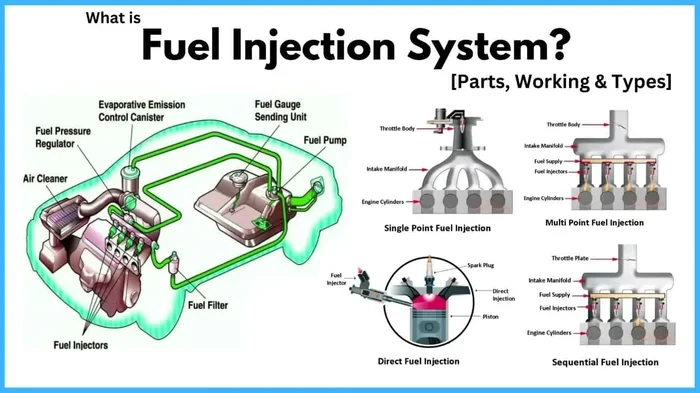
Yes, you can flood a fuel injected engine, though it happens far less often than with older carbureted engines. When excess fuel enters the combustion chamber, the air-fuel mixture becomes too rich for ignition. This guide covers the causes, symptoms, and simple step-by-step fixes to recover your engine and prevent future flooding.
Have you ever turned the key or pushed the start button, only to hear your engine crank and crank without catching? That frustrating moment might mean you have flooded a fuel injected engine. Many car owners assume that modern fuel injection systems make flooding impossible, but that is not entirely true.
While fuel injected engines are far less likely to flood than older carbureted engines, flooding can still happen under certain conditions. Understanding what causes it, how to spot it, and how to fix it can save you time, money, and a lot of stress.
In this guide, we walk you through everything you need to know about flooding a fuel injected engine. You will learn how the fuel system works, why flooding occurs, the clear signs to watch for, and the best steps to recover from it. Let us dive in.
Key Takeaways
- Fuel injected engines can still flood: Modern systems resist flooding better than carburetors, but it is not impossible.
- Repeated failed starts are the #1 cause: Each attempt pushes more fuel into the cylinders without ignition.
- Spot the symptoms early: A strong fuel smell, cranking without starting, and rough idling are clear warning signs.
- Recovery is simple and DIY-friendly: Stopping start attempts, depressing the accelerator, and checking spark plugs often solves the problem.
- Prevention saves time and money: Regular maintenance of fuel injectors, spark plugs, and sensors keeps your engine running smoothly.
- Faulty components can trigger flooding: A bad fuel pressure regulator or stuck fuel injector can cause repeated flooding events.
📑 Table of Contents
What Does It Mean to Flood a Fuel Injected Engine?
Engine flooding happens when too much fuel enters the combustion chamber and mixes with the air. The air-fuel mixture becomes too rich, meaning there is more fuel than the engine needs to ignite. When this happens, the spark plugs cannot create a proper spark, and the engine fails to start or runs very rough.
In older cars with carburetors, flooding was a common problem. Carburetors relied on mechanical parts to mix fuel and air, and those parts could easily become overwhelmed. Modern fuel injection systems use electronic controls and precise sensors to deliver the exact amount of fuel needed. This makes engine flooding much less common.
However, fuel injection does not make flooding impossible. Sensors can fail, fuel injectors can stick open, and other issues can still cause an over-rich condition. When that happens, you are dealing with a fuel flooded engine that needs attention.
How a Normal Fuel Injection System Works
A healthy fuel injection system delivers fuel in precise bursts through each fuel injector. The fuel pump sends fuel from the tank to the fuel rail, which distributes it to the injectors. The engine control unit, or ECU, monitors sensors like the mass airflow sensor and oxygen sensor to calculate the perfect air-fuel mixture for every moment.
This closed-loop system constantly adjusts fuel delivery based on driving conditions, engine temperature, and load. When everything works correctly, the system prevents excess fuel from entering the combustion chamber. The result is smooth starting, efficient running, and lower emissions.
How Fuel Injection Systems Work to Prevent Flooding
Modern vehicles have several built-in safeguards that help prevent engine flooding. These systems work together to keep the air-fuel mixture balanced and the fuel injection system running smoothly.
The Role of the ECU
The engine control unit acts as the brain of your fuel system. It reads data from dozens of sensors and adjusts fuel delivery in milliseconds. If the ECU detects that the engine is hot or that the air-fuel mixture is too rich, it reduces fuel delivery immediately.
This real-time adjustment is a major reason why fuel injected engines rarely flood. The ECU constantly monitors and corrects fuel delivery, something a carburetor simply cannot do. It is one of the biggest advantages of modern fuel injection systems over older technology.
Fuel Injector Precision
Each fuel injector is designed to spray a very specific amount of fuel in a very short time. The injector opens and closes with extreme precision, controlled by the ECU. This precision means that fuel is delivered in exact amounts, reducing the chance of fuel overflow into the cylinders.
However, if an injector becomes dirty, clogged, or mechanically stuck, it can deliver too much fuel. A stuck-open injector is one of the most common causes of engine flooding in modern vehicles. Regular fuel system maintenance helps keep injectors clean and functioning properly.
Sensor Feedback Loops
Modern engines rely on a network of sensors to manage fuel delivery. The oxygen sensor, the mass airflow sensor, and the coolant temperature sensor all feed information back to the ECU. Together, they ensure the air-fuel mixture stays within the optimal range for combustion.
If any one of these sensors fails, the ECU may make incorrect fuel delivery decisions. This can lead to a rich condition where too much fuel enters the combustion chamber. Keeping sensors in good working order is an important part of preventing engine flooding.
Common Causes of a Flooded Engine
Even though fuel injected engines resist flooding better than older engines, several factors can still cause it. Understanding these causes helps you avoid the problem and spot it early.
Repeated Failed Start Attempts
The most common cause of a fuel flooded engine is trying to start the car multiple times without success. Each time you turn the key, the fuel injector delivers fuel into the combustion chamber. If the engine does not start, that fuel has nowhere to go. After several attempts, excess fuel pools in the cylinders and floods the engine.
This is especially common on cold mornings when drivers keep cranking the engine, hoping it will catch. The cold start process requires a richer mixture, which means more fuel is already being delivered. After a few failed attempts, the cylinders become overwhelmed and the engine will not fire.
Faulty Fuel Pressure Regulator
The fuel pressure regulator controls how much fuel stays in the fuel system and how much returns to the tank. If the regulator fails, it can allow too much fuel to flow through the fuel injectors. This excess fuel overwhelms the combustion chamber and leads to flooding.
A failing regulator often shows other symptoms too, such as reduced fuel efficiency and a strong fuel smell near the engine. Catching these early signs can help you avoid a full engine flooding event. A simple fuel pressure test at a repair shop can confirm whether the regulator is working correctly.
Damaged or Dirty Fuel Injectors
As mentioned, a stuck-open fuel injector will drip fuel continuously into the cylinder. Over time, carbon buildup, dirt, or wear can cause an injector to stick. When this happens, the air-fuel mixture becomes dangerously rich, and the engine may not start at all.
Regular fuel system maintenance, including fuel injector cleaning, can help prevent this issue. Using quality fuel and adding a fuel system cleaner every few thousand miles keeps fuel injectors functioning properly. Dirty injectors are a leading cause of engine start problems and flooding in modern vehicles.
Sensor Malfunctions
Several sensors tell the ECU how much fuel to deliver. The mass airflow sensor, the oxygen sensor, and the coolant temperature sensor all play a role. If one of these sensors sends incorrect data, the ECU may add too much fuel, creating an over-rich condition.
For example, a faulty coolant temperature sensor might tell the ECU that the engine is cold even when it is warm. The ECU then delivers extra fuel for a cold start that the engine does not actually need, leading to potential engine flooding. Regular diagnostic checks can catch these sensor issues before they cause problems.
Leaking Fuel Injectors
Sometimes the problem is not a stuck injector but a leaking one. A cracked injector seal or a worn injector o-ring can allow fuel to seep into the intake manifold even when the engine is off. This creates a pool of fuel in the cylinders that leads to flooding when you try to start the car.
Leaking injectors are less common but still worth checking if you experience repeated flooding. A smoke test or fuel leak inspection by a qualified mechanic can identify this issue quickly.
Warning Signs That Your Engine Is Flooded
Recognizing the symptoms of a fuel flooded engine early can help you take action before the problem worsens. Here are the most common engine flooding symptoms to watch for.
Strong Fuel Smell
The most obvious sign of a flooded engine is a strong, raw fuel smell around the car. If you notice a heavy gasoline odor near the exhaust or engine compartment, excess fuel is likely present in the combustion chamber or exhaust system.
Do not ignore this smell. Not only does it indicate flooding, but raw fuel can also damage components of your fuel system over time. It can also pose a safety risk, so always address a persistent fuel odor promptly.
Engine Cranks But Won’t Start
A classic engine start problem is when the engine turns over rapidly but refuses to fire. You hear the starter motor engaging, the ignition system is working, but the engine simply will not catch. This usually means the air-fuel mixture is too rich for combustion to occur.
If you experience this, especially after multiple start attempts, stop trying to start the car. Each additional attempt pushes more fuel into the cylinders and worsens the flooding. Let the engine sit for a while and then try the recovery steps outlined below.
Rough or Uneven Idling
Sometimes a partially flooded engine does start but runs poorly. You may notice rough idling, hesitation when accelerating, or the engine misfiring. These are signs that the fuel injectors delivered too much fuel during startup, and the air-fuel mixture remains unbalanced.
A rough idle after starting is a clear engine flooding symptom that should not be ignored. Addressing it quickly prevents further damage to the ignition system and spark plugs. Left unchecked, a rich mixture can also cause catalytic converter damage over time.
Black Smoke from the Exhaust
Thick black smoke coming from the exhaust pipe is another telltale sign of a fuel flooded engine. The excess fuel that does not combust gets burned in the exhaust system, producing dark smoke. This is a clear indication that the air-fuel mixture is far too rich.
If you see black smoke, do not keep driving. Pull over safely and let the engine rest. Continuing to drive with a flooded engine can cause further damage to the fuel system and exhaust components.
Step-by-Step: How to Fix a Flooded Fuel Injected Engine
If you suspect you have flooded a fuel injected engine, do not panic. Recovery is usually straightforward and does not require a mechanic. Follow these steps carefully to get your engine running again.
Step 1: Stop Attempting to Start the Engine
The first and most important step is to stop turning the key or pressing the start button. Every attempt pushes more fuel into the cylinders. Walk away and give the engine time to clear the excess fuel.
Waiting for about 10 to 15 minutes allows the fuel injectors to stop delivering fuel and gives the excess fuel time to evaporate from the combustion chamber. This simple pause can be the difference between a quick fix and a long recovery process.
Step 2: Depress the Accelerator Fully
With your foot fully on the gas pedal, hold it down and attempt to start the engine. This opens the throttle wide, allowing maximum air to flow into the engine. The ECU should respond by reducing fuel delivery, helping to correct the air-fuel mixture.
Hold the accelerator down for about 5 to 10 seconds while cranking the engine. If the engine starts, slowly release the pedal. If it does not start, release the pedal, wait a few more minutes, and try again. This technique works because it forces the ECU into a lean mode that burns off excess fuel.
Step 3: Check the Spark Plugs
If the engine still will not start after a few attempts, the spark plugs may be fouled by excess fuel. Remove the spark plugs and inspect them. Fouled plugs will look wet and black with fuel residue.
Clean the plugs with a wire brush or replace them if they are heavily fouled. Dry plugs are essential for proper ignition. After reinstalling, try starting the engine again with the accelerator fully depressed. Clean spark plugs are a key part of successful flooded engine recovery.
Step 4: Inspect the Fuel System
If flooding keeps happening, you need to look deeper into the fuel system. Check the fuel pressure regulator, the fuel injectors, and the fuel pump for signs of failure. A fuel pressure test at a repair shop can reveal whether the regulator or pump is delivering too much fuel.
Consider having the fuel injectors professionally cleaned or tested. Sometimes a simple cleaning restores proper spray patterns and prevents future flooding. A mechanic can also run diagnostic scans to check for sensor errors that may be contributing to the problem.
Step 5: Allow the Engine to Run
Once the engine starts, let it idle for a few minutes. Do not rev it high or load it with accessories right away. The ECU needs time to rebalance the air-fuel mixture and clear any remaining excess fuel from the combustion chamber.
Listen for smooth idling and steady RPMs. If the engine still sounds rough, let it sit a bit longer. The flooded engine recovery process may take a little extra time depending on how much excess fuel was present. Once the engine runs smoothly, take it easy for the first few minutes of driving.
Tips to Prevent Engine Flooding
Prevention is always easier than repair. Here are practical steps to keep your fuel injection system working properly and avoid engine flooding.
- Avoid excessive cranking: If the engine does not start within a few seconds, wait at least 30 seconds before trying again. This gives excess fuel time to clear from the cylinders.
- Maintain your spark plugs: Replace spark plugs at the recommended intervals. Fouled plugs contribute to engine start problems and can worsen flooding when it occurs.
- Use quality fuel: Top-tier gasoline helps keep fuel injectors clean and the fuel system running smoothly. Poor fuel quality can cause injector deposits and malfunctions.
- Address warning signs early: A strong fuel smell, rough idle, or hesitation during startup should be checked promptly. Early flooded engine recovery is much easier than fixing damage caused by prolonged flooding.
- Keep sensors maintained: Regular diagnostics can catch failing sensors before they cause the ECU to deliver too much fuel. A simple scan at each oil change can reveal hidden problems.
- Follow the maintenance schedule: Stick to your vehicle’s recommended service intervals for fuel filter changes and fuel system inspections. Prevention saves you from costly repairs down the road.
Taking these simple precautions goes a long way in keeping your engine healthy and your fuel injection system running at peak efficiency. A little preventive care can save you from the hassle of dealing with a fuel flooded engine altogether.
Conclusion
So, can you flood a fuel injected engine? The answer is yes, but it is far less common than with older engine types. Modern fuel injection systems are designed with precision and built-in safeguards that make engine flooding a rare event. However, it can still happen due to repeated failed starts, faulty regulators, damaged injectors, or sensor malfunctions.
If you do experience engine start problems or notice the signs of a fuel flooded engine, stay calm. Follow the recovery steps outlined in this guide, and your engine should be back to normal in no time. Stopping start attempts, depressing the accelerator, and checking the spark plugs are your best first steps.
Regular maintenance and attentive driving habits are your best defense against engine flooding and other fuel system issues. Keep your fuel system clean, your sensors in good shape, and your spark plugs fresh. A little knowledge and proactive care keep your engine running smoothly for years to come.
Frequently Asked Questions
Can a fuel injected engine flood even in warm weather?
Yes, warm weather flooding is possible, though less common. It usually happens when a fuel injector sticks open or a sensor sends incorrect data to the ECU. The temperature does not prevent flooding if a component in the fuel system fails.
How long should I wait before trying to start a flooded engine again?
Wait at least 10 to 15 minutes before attempting to restart. This gives the excess fuel time to evaporate from the combustion chamber. Holding the accelerator fully down during your next attempt helps clear remaining fuel from the cylinders.
Is flooding a fuel injected engine covered under warranty?
It depends on the cause and your vehicle’s warranty terms. If a defective fuel injector or sensor causes the flooding, it may be covered. However, flooding caused by repeated failed start attempts is typically considered driver error and may not be covered. Check with your dealer for specific details.
Can flooding damage the catalytic converter?
Yes, repeated or prolonged flooding can damage the catalytic converter. Unburned fuel entering the exhaust system can overheat and clog the converter. This is an expensive repair, which is why addressing engine flooding symptoms quickly is so important.
Do turbocharged engines flood more easily than naturally aspirated engines?
Turbocharged engines have more complex fuel injection systems and higher fuel pressures, which can make them slightly more susceptible to flooding if a component fails. However, the ECU and sensors in turbocharged engines are designed to prevent this. Proper maintenance is the key to avoiding issues.
What is the difference between a flooded engine and a flooded carburetor?
A flooded carburetor happens when fuel overflows from the carburetor bowl into the intake manifold. A fuel flooded engine in a fuel injected vehicle means excess fuel has entered the combustion chamber through the fuel injectors. Both result in the engine not starting, but the causes and fixes differ between the two systems.

Similar Posts































