Can a Wrong Oil Couse Car No Start
Recipe Developer & Kitchen Guide Writer at Choose Vacuum · Certified Home Economist, ServSafe Food Handler · 8+ years developing home recipes and testing everyday kitchen techniques
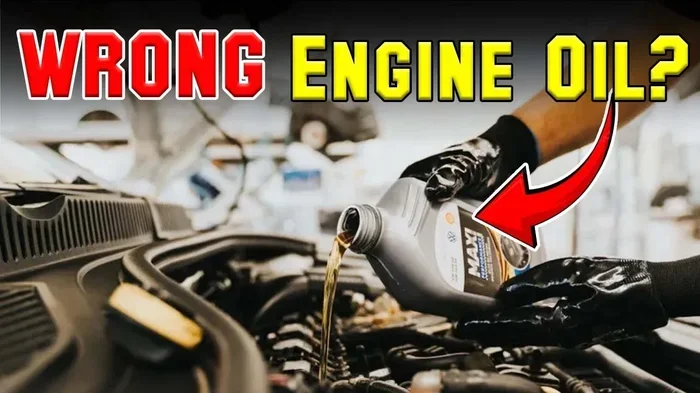
Using the wrong oil can absolutely cause your car not to start. Incorrect oil viscosity, type, or quality can lead to engine damage, oil pump failure, and ignition problems. This guide covers exactly how wrong oil affects your vehicle and what you can do about it.
Have you ever turned your key and heard nothing but silence? That sinking feeling when your car won’t start can ruin your entire day. One culprit many drivers overlook is using the wrong oil. Can a wrong oil cause car no start? The short answer is yes. It happens more often than most people realize.
Oil is the lifeblood of your engine. It keeps everything moving smoothly, reduces friction, and prevents overheating. When you put the wrong oil in, you disrupt that delicate balance. The results can range from minor sluggishness to a complete engine failure that leaves you stranded.
In this guide, we will walk through exactly how wrong oil affects your vehicle’s ability to start. We will cover the symptoms to watch for, the types of oil mistakes people make, and what you should do right now if you find yourself in this situation. Whether you are a seasoned driver or a complete beginner, this information will help you protect your engine and your wallet.
Key Takeaways
- Wrong oil viscosity can prevent engine turnover: Oil that is too thick or too thin fails to lubricate properly, making it hard for your engine to start.
- Oil type matters as much as weight: Using conventional oil where synthetic is required can cause starting issues and long-term damage.
- Low oil levels from wrong oil cause starter problems: Insufficient lubrication leads to increased friction, which can stall the engine.
- Oil pressure drops with incorrect oil: A weak oil pump cannot circulate the wrong oil effectively, leading to engine failure.
- Immediate action can prevent costly repairs: If you suspect wrong oil, drain and replace it promptly to avoid permanent engine damage.
- Always follow manufacturer oil specifications: Your owner’s manual tells you exactly what oil weight and type your engine needs.
📑 Table of Contents
- How Oil Works in Your Engine
- Can a Wrong Oil Cause Car No Start
- Symptoms of Wrong Oil Affecting Engine Start
- Common Oil Mistakes That Lead to Starting Problems
- How to Fix a Car That Won’t Start Due to Wrong Oil
- Preventing Wrong Oil Problems in the Future
- Expert Insights on Oil and Engine Start Issues
- Key Takeaways
How Oil Works in Your Engine
Before we dive into the problems, let us understand how oil keeps your engine running. Engine oil serves several critical jobs. It lubricates moving parts, reduces heat, cleans away debris, and seals gaps between components. Without proper oil flow, your engine literally grinds to a halt.
The Role of Oil Viscosity
Viscosity is the thickness of your oil. Think of it like the consistency of honey versus water. Honey is thick and flows slowly. Water is thin and moves fast. Your engine needs oil with the right thickness to flow through tiny passages and reach every component. The wrong viscosity means oil either moves too slowly or too quickly, and neither situation is good.
How Oil Gets to the Engine
Your oil pump pushes oil through channels inside the engine block. It reaches the crankshaft, camshaft, pistons, and valve train. When you turn the key, the starter motor engages, and the crankshaft begins to rotate. Oil must be present and flowing properly for this to happen smoothly. If the oil is too thick or too thin, it cannot do its job, and your engine may not turn over.
Can a Wrong Oil Cause Car No Start
The answer is a definite yes. Using the wrong oil can create several problems that prevent your car from starting. Let us look at the main ways this happens.
Oil Too Thick in Cold Weather
If you use oil with a viscosity that is too high for the temperature, it becomes sludge-like in cold conditions. Think about trying to pour cold syrup from the fridge. It barely moves. The same thing happens inside your engine. The oil pump struggles to push thick oil through the passages. This means the engine components do not get the lubrication they need to turn freely.
In cold weather, this problem becomes even worse. Many drivers switch to a lighter oil weight for winter driving for good reason. If you put in oil that is too heavy, your car may simply refuse to turn over on a chilly morning.
Oil Too Thin Under High Heat
On the flip side, oil that is too thin breaks down faster under high temperatures. It loses its ability to form a protective film between metal parts. This leads to increased friction and heat. Over time, the engine components wear out faster. In extreme cases, the oil pressure drops so low that the engine seizes up entirely. A seized engine will not start, period.
Wrong Oil Type: Conventional vs. Synthetic
Not all oils are created equal. Conventional oil comes from crude oil and has been used for decades. Synthetic oil is chemically engineered to perform better in extreme temperatures and last longer. Some modern engines require synthetic oil specifically. If you use conventional oil in an engine that needs synthetic, you may experience starting problems.
The additives in synthetic oil help it flow more easily at low temperatures and resist breaking down at high temperatures. Conventional oil simply cannot match this performance. Over time, using the wrong type leads to deposit buildup, reduced oil pressure, and eventually, a car that won’t start.
Symptoms of Wrong Oil Affecting Engine Start
Your car usually gives you warning signs before it completely refuses to start. Knowing these symptoms can save you from a major breakdown.
Slow Cranking When You Turn the Key
If your engine turns over slowly or sluggishly, the oil may be the problem. Thick oil creates more resistance inside the engine. The starter motor has to work harder to rotate the crankshaft. You might hear a slow, labored cranking sound instead of the quick, snappy start you are used to.
Oil Pressure Warning Light
Most modern vehicles have an oil pressure warning light on the dashboard. If this light comes on, do not ignore it. Wrong oil can cause low oil pressure because the pump cannot move the oil effectively. Low oil pressure means the engine components are not getting lubricated, which can lead to starting problems and serious engine damage.
Strange Engine Noises
Listen to your engine when you turn the key. Ticking or tapping sounds often indicate insufficient oil flow. The valve train and camshaft need a constant supply of oil to operate quietly. If the oil is too thick or too thin, these components make noise because they are not getting proper lubrication.
Oil Smell or Burning Smell
If you smell oil inside the cabin or notice a burning smell when you try to start the car, something is wrong. Wrong oil can overheat and break down faster than it should. This produces a burnt odor and can damage engine seals and gaskets, leading to further starting issues.
Common Oil Mistakes That Lead to Starting Problems
Understanding what goes wrong helps you avoid these mistakes in the future. Here are the most common errors drivers make with engine oil.
Using the Wrong Oil Weight
Oil weights like 5W-30 or 10W-40 are not random numbers. The first number refers to the oil’s thickness in cold temperatures, and the second number refers to its thickness at operating temperature. Using 10W-40 when your engine needs 5W-30 can cause starting problems, especially in cold weather. The oil is simply too thick to flow properly when you need it most.
Mixing Different Oil Types
Some drivers think mixing conventional and synthetic oil is harmless. It is not. The additives in each type can react with each other and reduce the overall performance of the oil blend. This can lead to inconsistent lubrication and oil pressure problems that affect your engine’s ability to start.
Overfilling or Underfilling the Oil
Too much oil creates excess pressure inside the engine. Too little oil means the pump cannot maintain proper oil flow. Both situations can prevent your car from starting. Always check your oil level with the dipstick and keep it between the minimum and maximum marks.
Using Old or Degraded Oil
Oil breaks down over time. It loses its viscosity and protective properties. Old oil becomes less effective at lubricating engine parts. If you have not changed your oil in a long time, the degraded oil can cause the engine to seize or refuse to start. Regular oil changes are one of the simplest ways to prevent starting problems.
How to Fix a Car That Won’t Start Due to Wrong Oil
If you suspect that wrong oil is causing your car not to start, do not panic. There are steps you can take to fix the problem.
Step 1: Check the Oil Level and Condition
Pull out the dipstick and check the oil. Is it at the right level? What color is it? Fresh oil is amber or golden. Dark, gritty oil needs to be changed immediately. If the oil looks like sludge or has a burnt smell, you have found your problem.
Step 2: Drain the Wrong Oil
If you know you put in the wrong oil, the best course of action is to drain it completely. You can do this yourself or take your vehicle to a mechanic. Draining the wrong oil removes the contaminated fluid and allows you to refill with the correct oil.
Step 3: Replace the Oil Filter
While you are at it, replace the oil filter too. The old filter may be clogged with contaminants from the wrong oil. A fresh filter ensures clean oil flows through the engine, which is essential for proper lubrication and starting.
Step 4: Refill with the Correct Oil
Check your owner’s manual for the correct oil weight and type. Use only the oil specification your manufacturer recommends. Pour in the new oil and check the level again with the dipstick. Start the engine and listen for smooth operation.
Step 5: Let the Engine Warm Up
After refilling with the correct oil, let the engine idle for a few minutes. This allows the new oil to circulate through all the passages and reach every component. Do not rev the engine hard right away. Give it time to warm up and build proper oil pressure.
Preventing Wrong Oil Problems in the Future
Prevention is always better than cure. Here are simple steps to make sure you never face a car that won’t start because of wrong oil.
- Read your owner’s manual: It tells you exactly what oil weight and type your engine needs. Follow it to the letter.
- Keep a record of oil changes: Track when you last changed your oil and what type you used. This helps you stay consistent.
- Check oil levels regularly: Make it a habit to check your oil once a month. Catching low oil early prevents engine damage.
- Use quality oil from reputable brands: Cheap or counterfeit oil may not meet the specifications printed on the label.
- Consult a professional if unsure: If you are not confident about which oil to use, ask a trusted mechanic for advice.
Taking these simple precautions goes a long way in keeping your engine healthy and your car starting reliably every time.
Expert Insights on Oil and Engine Start Issues
Automotive experts agree that wrong oil is one of the most overlooked causes of engine starting problems. Many drivers focus on the battery, starter motor, or ignition system but forget about the oil. The truth is, oil affects every moving part in your engine, and without proper lubrication, none of those parts can function correctly.
Mechanics often see customers who have used the wrong oil and wonder why their car struggles to start. In most cases, the fix is simple: drain the wrong oil, replace the filter, refill with the correct oil, and the engine starts right up. However, if the wrong oil has been in the engine for a long time, the damage may already be done. Worn bearings, damaged oil pumps, and scored cylinder walls are all possible consequences of prolonged use of incorrect oil.
The key takeaway is simple: oil is not just a fluid. It is a carefully formulated substance designed to protect your engine under specific conditions. Using the wrong oil is like putting the wrong fuel in your car. The effects may not be immediate, but they will catch up with you eventually.
Key Takeaways
- Wrong oil can definitely prevent your car from starting: Viscosity, type, and quality all play a role in engine performance.
- Cold weather makes thick oil problems worse: Heavy oil does not flow well in low temperatures, leading to hard starts.
- Watch for warning signs like slow cranking and oil pressure lights: These are your car’s way of telling you something is wrong.
- Drain and replace wrong oil immediately: The longer wrong oil stays in your engine, the more damage it can cause.
- Always follow manufacturer oil specifications: Your owner’s manual is your best guide for choosing the right oil.
- Regular oil changes prevent most starting problems: Fresh oil keeps your engine lubricated, clean, and ready to start.
Frequently Asked Questions
Can using the wrong oil weight cause a car not to start?
Yes, using the wrong oil weight can absolutely cause a car not to start. Oil that is too thick will not flow properly through the engine, especially in cold weather. This prevents the engine components from getting the lubrication they need to turn over smoothly.
What happens if I put conventional oil in a car that needs synthetic?
Conventional oil in a synthetic-required engine can cause starting problems over time. The conventional oil breaks down faster and does not flow as well at extreme temperatures. This leads to reduced oil pressure and increased engine wear, which can eventually prevent the car from starting.
How long can you drive with the wrong oil before the car won’t start?
The timeline varies depending on how wrong the oil is and the driving conditions. Some drivers notice problems after a few hundred miles, while others may drive thousands of miles before experiencing starting issues. The key is to fix the problem as soon as you discover it to prevent permanent engine damage.
Can wrong oil damage the starter motor?
Wrong oil does not directly damage the starter motor, but it can cause the engine to resist turning over. The starter motor has to work much harder when the engine is stiff from poor lubrication. Over time, this extra strain can wear out the starter motor prematurely.
Is it safe to start the car after putting in the wrong oil?
If you just added the wrong oil and the engine has not been running long, it may be okay to drive to a shop for an oil change. However, if the wrong oil has been in the engine for an extended period, starting the car could cause further damage. Drain and replace the oil as soon as possible.
How do I know which oil my car needs?
Your owner’s manual lists the exact oil weight and type recommended by the manufacturer. You can also check the oil cap under the hood, which often has the specification printed on it. When in doubt, consult a certified mechanic who can confirm the right oil for your specific vehicle.
=== CONCLUSION ===
Can a wrong oil cause car no start? The evidence is clear. Yes, it can. Using the wrong oil weight, type, or quality disrupts the delicate balance your engine needs to turn over and run smoothly. From thick sludge in cold weather to thin, broken-down oil under high heat, the wrong oil creates conditions that prevent your car from starting.
The good news is that this problem is entirely preventable. Follow your manufacturer’s oil specifications, change your oil on schedule, and watch for warning signs like slow cranking or oil pressure warnings. If you ever suspect wrong oil is the culprit, act quickly. Drain the old oil, replace the filter, refill with the correct oil, and your engine should start right up again.
Your car depends on clean, correct oil to start and run properly. Give it what it needs, and it will reward you with reliable performance for years to come. Do not let a simple oil mistake turn into a costly engine repair. Stay informed, stay proactive, and keep your engine running strong.

Similar Posts































