Best Recommended Tires for 2020 Ford Explorer
Recipe Developer & Kitchen Guide Writer at Choose Vacuum · Certified Home Economist, ServSafe Food Handler · 8+ years developing home recipes and testing everyday kitchen techniques
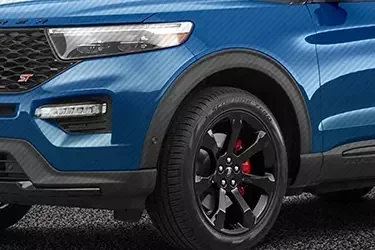
Choosing the best tires for 2020 Ford Explorer is essential for safety, comfort, and performance. This guide covers top brands, tire types, sizes, and maintenance tips to help you make the right choice. Whether you need all-season tires or all-terrain options, you will find everything you need here.
Key Takeaways
- Right tire size matters: The 2020 Ford Explorer uses specific tire sizes that affect handling and safety.
- All-season tires are the most popular choice: They offer a great balance of comfort, traction, and durability for daily driving.
- Top brands like Michelin, Goodyear, and Bridgestone lead the pack: Each offers unique benefits for different driving styles.
- Regular maintenance extends tire life: Rotation, alignment, and proper pressure keep your tires performing at their best.
- Consider your driving environment: Wet roads, highway commuting, and light off-roading all influence the best tire type for your Explorer.
📑 Table of Contents
- Why Choosing the Right Tires for Your 2020 Ford Explorer Matters
- Top Tire Brands for the 2020 Ford Explorer
- All-Season vs. All-Terrain Tires for the Explorer
- Tire Size and Specifications for the 2020 Ford Explorer
- Best Tires for Different Driving Conditions
- Maintenance Tips to Keep Your Tires in Top Shape
- Comparison Table: Top Tires for the 2020 Ford Explorer
- Common Mistakes to Avoid When Buying Tires
- Final Thoughts on the Best Tires for the 2020 Ford Explorer
Why Choosing the Right Tires for Your 2020 Ford Explorer Matters
Your 2020 Ford Explorer is a capable SUV built for comfort, power, and versatility. But none of that matters if your tires are not up to the task. Tires are the only part of your vehicle that touches the road. That makes them one of the most important components you can invest in.
Many drivers overlook their tire size and type until something goes wrong. A flat tire, poor fuel economy, or uncomfortable ride often signals that it is time for a change. The right set of SUV tires can transform how your Explorer handles on highways, city streets, and even light trails.
In this guide, we break down the best options available. We cover top brands, tire types, sizes, and maintenance tips. By the end, you will know exactly which tires fit your driving needs and budget.
Top Tire Brands for the 2020 Ford Explorer
Not all tire brands are created equal. Some focus on comfort, while others prioritize durability or off-road grip. Here are the top brands that consistently earn strong reviews for the Ford Explorer.
Michelin
Michelin is a household name in the tire world. Their tires are known for excellent tread life and smooth ride quality. The Michelin Defender LTX M/S is a popular choice for SUV owners. It offers strong performance in both wet and dry conditions. Many drivers report getting over 70,000 miles of tread life from this model.
Goodyear
Goodyear has been making tires for over a century. Their Goodyear Assurance MaxLife is a great all-season option for the Explorer. It provides solid traction on highways and city roads. Goodyear tires also tend to offer strong warranties, which gives buyers peace of mind.
Bridgestone
Bridgestone focuses on innovation and safety. Their Bridgestone Turanza QuietTrack is a favorite among drivers who value a quiet, comfortable ride. The tire absorbs road noise well and handles wet surfaces with confidence. For daily commuters, this is a strong contender.
Firestone
Firestone offers excellent value without sacrificing quality. Their Firestone Destination LE3 is an affordable all-terrain option. It works well for drivers who occasionally venture off the beaten path. Firestone tires are widely available and easy to replace.
All-Season vs. All-Terrain Tires for the Explorer
Choosing between all-season tires and all-terrain tires is one of the biggest decisions you will make. Each type has its own strengths. Let us break them down.
All-Season Tires
All-season tires are the go-to choice for most Explorer owners. They work well in dry, wet, and light snow conditions. These tires balance comfort, fuel efficiency, and tread life. If you drive your Explorer mostly for commuting and road trips, all-season tires are a smart pick.
Key benefits of all-season tires include:
- Smooth and quiet ride on highways
- Reliable traction in rain and light snow
- Longer tread life compared to summer-only tires
- Better fuel economy than aggressive tread patterns
All-Terrain Tires
All-terrain tires are built for drivers who want more capability. They have a more aggressive tread pattern that handles gravel, dirt roads, and light off-roading. If you enjoy weekend adventures or live in a rural area, all-terrain tires add versatility to your Explorer.
However, all-terrain tires do come with trade-offs:
- Slightly louder ride on paved roads
- Reduced fuel economy compared to all-season tires
- Faster tread wear on highway surfaces
For most drivers, all-season tires strike the perfect balance. But if you love exploring, all-terrain tires are worth the extra cost.
Tire Size and Specifications for the 2020 Ford Explorer
Getting the right tire size is critical. The 2020 Ford Explorer comes in several trims, and each may use a different tire size. Here is a quick reference guide.
Standard Tire Sizes by Trim
Most 2020 Ford Explorer models use 21-inch or 18-inch wheels depending on the trim level. Here are the common sizes:
- Base (SE): 215/65R18
- XLT: 255/50R18 or 255/45R20
- Limited: 255/45R20
- ST: 255/40R21
Always double-check your owner’s manual or the tire placard on the driver’s door jamb. Using the wrong size can affect your speedometer readings and handling.
Understanding Tire Ratings
Tire ratings tell you a lot about performance. Two key numbers to look at are the load rating and speed rating.
- Load Rating: This indicates how much weight the tire can carry. The Explorer is a heavy vehicle, so choose a tire with a high load index.
- Speed Rating: This shows the maximum safe speed the tire can handle. Most Explorer tires have a speed rating of S (112 mph) or T (118 mph).
Matching these ratings to your driving habits ensures safety and optimal performance.
Best Tires for Different Driving Conditions
Your driving environment plays a big role in choosing the right tires. Let us look at the best options for common scenarios.
Highway and Commuting
If you spend most of your time on highways and city roads, comfort and fuel efficiency matter most. The Michelin Defender LTX M/S and Goodyear Assurance MaxLife are excellent choices. They provide a quiet ride, strong wet traction, and long tread life.
Wet and Rainy Conditions
Living in a rainy area means you need tires that channel water effectively. Look for tires with deep grooves and advanced tread designs. The Bridgestone Turanza QuietTrack excels in wet conditions. It resists hydroplaning and maintains strong grip on rain-soaked roads.
Light Off-Road and Adventure Driving
If you enjoy camping trips or exploring unpaved roads, consider all-terrain tires. The Firestone Destination LE3 handles gravel and dirt with confidence. Before heading out on your next adventure, you might want to check out the best chair for RV to make your travel setup more comfortable.
Winter and Snow Driving
The 2020 Ford Explorer handles light snow well with all-season tires. However, if you live in an area with heavy winters, consider adding a set of winter tires. They provide superior grip on ice and deep snow. Storing a second set of tires during warmer months keeps them in great shape.
Maintenance Tips to Keep Your Tires in Top Shape
Buying the right tires is only half the battle. Proper maintenance keeps them performing well for years. Here are some simple tips every Explorer owner should follow.
Check Tire Pressure Regularly
Underinflated tires wear out faster and reduce fuel economy. Check your tire pressure at least once a month. The recommended pressure for the 2020 Ford Explorer is typically between 32 and 35 PSI. You can find the exact number on the driver’s door jamb sticker.
Rotate Your Tires
Tire rotation ensures even wear across all four tires. Most experts recommend rotating every 5,000 to 7,500 miles. This simple habit can add thousands of miles to your tire tread life.
Get Regular Alignments
Misaligned wheels cause your Explorer to pull to one side. They also lead to uneven tire wear. Have your alignment checked at least once a year or after hitting a large pothole.
Inspect Tread Depth
The penny test is an easy way to check your tread depth. Insert a penny into the tread groove with Lincoln’s head facing down. If you can see the top of his head, it is time for new tires. Most safety experts recommend replacing tires when tread depth drops below 4/32 of an inch.
Comparison Table: Top Tires for the 2020 Ford Explorer
Here is a quick comparison of our top picks to help you decide.
| Tire Model | Type | Tread Life | Wet Traction | Price Range |
|---|---|---|---|---|
| Michelin Defender LTX M/S | All-Season | 70,000+ miles | Excellent | Premium |
| Goodyear Assurance MaxLife | All-Season | 85,000 miles | Very Good | Mid-Range |
| Bridgestone Turanza QuietTrack | All-Season | 65,000 miles | Excellent | Premium |
| Firestone Destination LE3 | All-Terrain | 50,000 miles | Good | Budget-Friendly |
Each of these tires has its own strengths. The Michelin and Bridgestone models excel in comfort and wet performance. The Goodyear offers the longest tread life in this group. The Firestone is a great budget option for drivers who want all-terrain capability.
When you are ready to upgrade, consider pairing your new tires with the right accessories. For outdoor adventures, a comfortable setup makes a big difference. Check out these best heated chairs for outdoors for a cozy experience during your next camping trip.
Common Mistakes to Avoid When Buying Tires
Even experienced car owners make mistakes when purchasing tires. Here are a few to watch out for.
- Ignoring the size: Always verify the correct tire size for your specific Explorer trim. Using the wrong size can compromise safety.
- Skipping the warranty: A good tire warranty protects you against premature wear. Always check the warranty details before buying.
- Focusing only on price: The cheapest tires may save you money upfront but wear out faster. Consider long-term value instead.
- Neglecting the spare tire: Do not forget to check your spare tire. A flat spare defeats the purpose of having one.
Taking a few extra minutes to research can save you time and money in the long run.
Final Thoughts on the Best Tires for the 2020 Ford Explorer
Selecting the best recommended tires for 2020 Ford Explorer comes down to your driving habits, budget, and environment. For most owners, all-season tires from trusted brands like Michelin, Goodyear, and Bridgestone offer the best overall value. They deliver comfort, safety, and durability day after day.
If you enjoy off-road adventures or live in an area with harsh winters, consider all-terrain or winter-specific options. Whatever you choose, proper maintenance will keep your tires performing at their peak for years to come.
Remember, your tires are the foundation of your driving experience. Take the time to choose wisely, and your Explorer will reward you with a smooth, safe, and confident ride on every road you take.
For those who love weekend getaways, a cozy setup enhances the journey. Pair your new tires with a comfortable resting spot by exploring the best chair for cottage options for your next retreat.
Frequently Asked Questions
What size tires does the 2020 Ford Explorer use?
The 2020 Ford Explorer uses different tire sizes depending on the trim. The base SE trim uses 215/65R18, while higher trims like XLT and Limited use 255/50R18 or 255/45R20. The ST trim uses 255/40R21. Always check your owner’s manual for the exact size for your specific model.
How often should I rotate my tires on the Ford Explorer?
Most experts recommend rotating your tires every 5,000 to 7,500 miles. Regular rotation ensures even wear and extends the overall tread life of your tires. Check your owner’s manual for Ford’s specific recommendations.
Are all-season tires good enough for winter driving?
All-season tires handle light snow and rain well, making them suitable for most winter conditions. However, if you live in an area with heavy snowfall or icy roads, dedicated winter tires will provide better grip and safety. Consider your local climate when making your choice.
What is the best all-terrain tire for the 2020 Ford Explorer?
The Firestone Destination LE3 is a popular and affordable all-terrain option for the Explorer. It offers good traction on gravel, dirt, and light off-road trails. For a more premium choice, the Michelin LTX M/S2 also performs well in mixed terrain conditions.
How can I tell when my tires need to be replaced?
Use the penny test to check tread depth. Insert a penny into the tread groove with Lincoln’s head facing down. If you can see the top of his head, your tread is too worn. Also watch for cracks, bulges, or frequent air loss, which all signal the need for replacement.
Do I need to replace all four tires at once?
Yes, replacing all four tires at the same time is strongly recommended. Mixing tire brands, sizes, or tread depths can cause handling issues and strain your drivetrain. If you must replace only two, always put the new tires on the rear axle for better stability.

Similar Posts































