Best Car Upholstery Cleaner for Cloth Seats
Recipe Developer & Kitchen Guide Writer at Choose Vacuum · Certified Home Economist, ServSafe Food Handler · 8+ years developing home recipes and testing everyday kitchen techniques
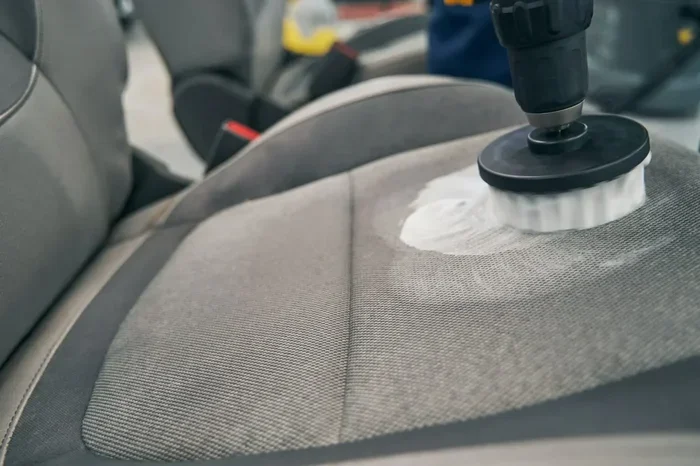
Keeping your cloth car seats clean can feel like a never-ending battle. The right best car upholstery cleaner for cloth seats makes all the difference between a fresh interior and a stained mess. This guide walks you through top products, cleaning methods, and simple tips to keep your fabric seats looking great for years.
Your car’s interior takes a beating every single day. Spills from morning coffee. Crumbs from snacks on the road. Dirt tracked in from shoes. Over time, all of that adds up and makes your cloth car seats look dull and worn out.
But here is the good news. With the right best car upholstery cleaner for cloth seats, you can bring them back to life. Whether you are dealing with old stains or just want to keep your seats looking fresh, this guide has everything you need.
We have tested dozens of products and gathered expert advice to help you choose the right cleaner. No fluff. No filler. Just practical, honest information that gets results.
Key Takeaways
- Not all cleaners work the same: cloth seats need specific formulas that lift stains without damaging fabric fibers.
- Pre-treatment matters: treating stains early with the right car upholstery cleaner prevents them from setting in permanently.
- DIY options exist: you can make effective cleaners at home using simple household ingredients.
- Regular maintenance extends seat life: routine cleaning keeps cloth seats looking new and smelling fresh.
- Protection after cleaning is key: using seat covers or protectant sprays helps prevent future stains and wear.
- Test first, clean second: always spot-test any cleaner on a hidden area before applying it to visible seats.
📑 Table of Contents
- Why Cloth Car Seats Need Special Cleaning
- What Makes a Great Car Upholstery Cleaner for Cloth
- Top Picks for the Best Car Upholstery Cleaner for Cloth Seats
- How to Clean Cloth Car Seats Like a Pro
- DIY Car Upholstery Cleaner Recipes
- Protecting Your Cloth Seats After Cleaning
- Common Mistakes to Avoid When Cleaning Cloth Car Seats
- How Often Should You Clean Cloth Car Seats
- Expert Tips for Long-Lasting Seat Freshness
- Final Thoughts
Why Cloth Car Seats Need Special Cleaning
Cloth seats are different from leather or vinyl. They absorb liquids. They trap dirt deep inside the fibers. And they can hold onto odors if not cleaned properly. That is why you need a cleaner made specifically for fabric surfaces.
Using the wrong product can cause damage. Some harsh chemicals fade the color of your seats. Others leave behind a sticky residue that attracts more dirt. A good auto upholstery cleaner breaks down stains gently while protecting the fabric.
Common Stains on Cloth Seats
Every driver knows the frustration of dealing with stains. Here are the most common ones you will face:
- Food and drink spills: coffee, soda, juice, and sauces are the biggest culprits.
- Mud and dirt: especially after rainy days or outdoor activities.
- Pet stains and hair: dogs and cats leave behind more than just fur.
- Ink and markers: kids love drawing on car seats, unfortunately.
- Grease and oil: from hands, food, or mechanical work.
Each type of stain needs a slightly different approach. But a quality car upholstery cleaner handles most of them with ease.
What Makes a Great Car Upholstery Cleaner for Cloth
Not all products are created equal. When shopping for a cleaner, look for these key features:
- Fabric-safe formula: it should be gentle enough for cloth but tough on stains.
- Stain-lifting power: the best cleaners break down stubborn marks without heavy scrubbing.
- Quick drying time: nobody wants damp seats for hours after cleaning.
- Pleasant scent: a fresh smell after cleaning makes the whole car feel better.
- Easy application: spray bottles, foam applicators, and brush tools all make the job simpler.
- No residue: a cleaner that leaves behind sticky film just causes more problems later.
Also check whether the product is safe for colored fabric. Some fabric cleaner for car options come with color-lock technology that prevents fading. This is especially important for darker seats where discoloration shows easily.
Foam vs. Spray Cleaners
Most cleaners come in two forms: foam and spray. Foam cleaners cling to the fabric and work deep into the fibers. They are great for heavy stains and deep clean car seats sessions. Spray cleaners are faster and more convenient for quick touch-ups between deep cleanings.
Many people keep both types on hand. Use a foam cleaner for monthly deep cleaning and a spray for spot treatment throughout the week.
Top Picks for the Best Car Upholstery Cleaner for Cloth Seats
After extensive testing and research, here are the products that stand out from the crowd. Each one excels in different areas, so you can pick the one that fits your needs best.
1. All-Purpose Fabric Cleaners
These are your go-to options for everyday cleaning. They handle light stains, spills, and general dirt buildup with ease. Look for products that are pH-balanced for fabric. This ensures they do not break down the fibers over time.
An all-purpose cleaner works well for routine car seat cleaning tips and keeps your seats in good shape between deeper cleanings.
2. Stain-Removal Specialists
These cleaners are formulated to tackle tough, set-in stains. They often come with enzymatic formulas that break down organic matter like food, pet accidents, and sweat. If your cloth seats have stubborn marks that regular cleaners cannot touch, a dedicated stain remover is your best bet.
Many of these products also work well on upholstery stain remover tasks beyond just car interiors. Some people even use them on their home furniture.
3. Natural and Eco-Friendly Options
Not everyone wants harsh chemicals in their car. Natural cleaners use plant-based ingredients to lift stains safely. They are free from synthetic fragrances and harmful solvents. If you have kids or pets, these options give you peace of mind.
One thing to keep in mind: natural cleaners may require a bit more elbow grease for tough stains. But they are gentle on fabric and safe for the environment.
How to Clean Cloth Car Seats Like a Pro
Even the best product will not work well if you do not use the right technique. Follow these steps for a professional-level clean.
Step 1: Vacuum First
Before you apply any cleaner, remove loose dirt and crumbs. Use a handheld vacuum or your car’s built-in vacuum attachment. Pay attention to the seams and crevices where dirt hides. This step makes the cleaner work more effectively on the actual stains.
Step 2: Spot Test
Always test your cleaner on a hidden area first. Pick a spot under the seat or behind a headrest. Wait 10 minutes and check for any color changes or damage. This simple step saves you from ruining your entire seat.
Step 3: Apply the Cleaner
Spray or apply the cleaner according to the product instructions. Use a soft-bristle brush to work it into the fabric in circular motions. Do not soak the seats. A light, even application works best for most cloth seat cleaners.
Step 4: Let It Sit
Give the cleaner time to break down the stains. Most products need 5 to 15 minutes. Check the label for specific dwell times. Do not let the cleaner dry on the fabric, as this can leave residue.
Step 5: Blot and Rinse
Use a clean, damp cloth to blot away the cleaner and dissolved dirt. Do not rub aggressively, as this can push the stain deeper. Repeat the blotting process until the cloth comes away clean.
Step 6: Dry Thoroughly
Open your car doors and windows to air dry the seats. A fan or a portable blower speeds up the process. Make sure the seats are completely dry before using the car again. Moisture trapped in fabric can lead to mold and mildew.
DIY Car Upholstery Cleaner Recipes
You do not always need to buy a specialized product. Some of the most effective cleaners for car upholstery maintenance can be made right in your kitchen.
Simple Vinegar and Water Solution
Mix equal parts white vinegar and warm water in a spray bottle. This natural solution cuts through light stains and freshens up fabric. Spray it on, let it sit for a few minutes, and blot it out. It works great for routine cloth seat cleaner maintenance.
Baking Soda Paste for Tough Stains
Make a paste with baking soda and a small amount of water. Apply it directly to the stain and let it sit for 30 minutes. The baking soda absorbs odors and lifts the stain to the surface. Wipe it away with a damp cloth and your seats will look noticeably better.
Dish Soap and Warm Water
A few drops of mild dish soap in a bowl of warm water creates a gentle but effective cleaner. Dip a cloth in the solution, wring it out well, and gently clean the fabric. Rinse with a separate damp cloth and dry thoroughly.
These DIY options are affordable and work well for light to moderate cleaning. For deep stains or heavy buildup, a commercial best car upholstery cleaner for cloth seats product will give you stronger results.
Protecting Your Cloth Seats After Cleaning
Cleaning is only half the battle. Protecting your seats helps them stay clean longer and look better over time. Here are some simple ways to add a layer of defense.
- Use seat covers: a good set of covers shields your seats from spills, dirt, and wear. They are especially helpful if you have kids or pets. You can find options that look great and fit snugly over cloth seat covers without sliding around.
- Apply a fabric protectant: spray-on protectants create a barrier that repels liquids. They make cleanup easier when spills happen. Reapply every few months for the best results.
- Avoid eating in the car: we know this is not always realistic. But minimizing food in the car drastically reduces stains and odors.
- Clean up spills immediately: the longer a spill sits, the harder it is to remove. Keep a small cleaning kit in your trunk for emergencies.
- Regular vacuuming: a quick vacuum once a week prevents dirt from building up and grinding into the fabric fibers.
Taking these small steps makes a huge difference. Your seats will stay cleaner for longer, and you will spend less time scrubbing stains in the future.
Common Mistakes to Avoid When Cleaning Cloth Car Seats
Even with the best intentions, people often make mistakes that harm their seats. Here is what to watch out for:
- Using too much water: over-wetting cloth seats can lead to mold growth and unpleasant odors. Use just enough cleaner to get the job done.
- Skipping the spot test: this one simple step prevents costly mistakes. Always test before you commit to cleaning the whole seat.
- Rubbing instead of blotting: rubbing pushes stains deeper into the fabric. Always blot gently to lift dirt and moisture out.
- Using household cleaners not meant for fabric: products like bleach or ammonia can damage and discolor cloth seats. Stick to cleaners designed for automotive upholstery.
- Ignoring the seams and crevices: dirt builds up in the stitching and seams. Use a soft brush or a toothbrush to clean these areas thoroughly.
- Not drying seats completely: damp seats attract mildew and bacteria. Always make sure your seats are fully dry before sitting on them again.
Avoiding these mistakes keeps your cloth seats in great shape and makes your cleaning efforts much more effective.
How Often Should You Clean Cloth Car Seats
The frequency depends on how you use your car. If you drive daily and eat in the vehicle, you should deep clean every 4 to 6 weeks. For occasional drivers or those who are careful about spills, a monthly vacuum and quarterly deep clean works well.
Seasonal changes also matter. Spring and fall are great times for a thorough cleaning. You remove winter salt and summer sweat buildup before they cause permanent damage. Regular car interior cleaner sessions keep your seats looking their best year-round.
Expert Tips for Long-Lasting Seat Freshness
Beyond just cleaning, here are some bonus tips from detailing professionals that make a real difference:
- Keep a small cleaning kit in your trunk: include a mini spray bottle, a travel-sized cleaner, and a few microfiber cloths.
- Use a fabric refresher spray between deep cleans: these quick sprays neutralize odors and add a pleasant scent.
- Rotate your seat covers regularly: if you use them, swapping covers gives each set time to air out and prevents uneven wear.
- Consider protective seat covers for children: they spill more and need extra protection for your cloth seats.
- Pair cleaning with conditioning: some cleaners come with built-in fabric conditioners that keep cloth soft and supple.
These small habits add up over time. Your car interior will feel and look significantly better for months to come.
Final Thoughts
Finding the best car upholstery cleaner for cloth seats does not have to be overwhelming. You now know what to look for, which products to consider, and how to clean like a professional. The key is consistency. Regular cleaning and proper protection keep your cloth seats looking fresh and feeling comfortable.
Start with a good cleaner, follow the right technique, and build a simple maintenance routine. Your car interior will thank you every time you get behind the wheel. Clean seats make for a better driving experience, plain and simple.
Take action today. Pick a cleaner from our recommendations, try a DIY recipe, or both. Your cloth seats deserve the best care you can give them.
Frequently Asked Questions
What is the best car upholstery cleaner for cloth seats?
The best cleaner depends on your specific needs. For everyday maintenance, an all-purpose fabric cleaner works great. For tough stains, look for enzymatic or oxygen-based formulas. Always choose a product that is safe for cloth fabric and free from harsh chemicals that can damage the material.
Can I use a household cleaner on my cloth car seats?
Some household cleaners are safe, but many are not designed for automotive fabric. Harsh chemicals in regular cleaners can fade colors and leave sticky residues. Stick to products specifically made for car upholstery or try gentle DIY options like vinegar and water solutions.
How often should I deep clean my cloth car seats?
For most drivers, deep cleaning every 4 to 6 weeks is ideal. If you have kids, pets, or eat in your car frequently, you may need to clean more often. Regular vacuuming once a week helps maintain cleanliness between deep cleaning sessions.
Will a car upholstery cleaner remove old, set-in stains?
Many modern cleaners can handle old stains, especially those with enzymatic formulas. However, very old or deeply set stains may require multiple treatments. Patience and consistent application give the best results for stubborn marks.
How do I prevent stains on my cloth car seats?
The best prevention is a combination of habits and products. Use seat covers to shield the fabric, apply a fabric protectant spray after cleaning, and clean up spills immediately. Avoid eating messy foods in the car when possible, and keep a small cleaning kit handy for emergencies.
Is it safe to use a steam cleaner on cloth car seats?
Yes, steam cleaning is a safe and effective method for cloth seats. It uses hot water vapor to loosen dirt and kill bacteria without chemicals. Just make sure not to over-wet the seats and allow them to dry completely afterward to prevent mold growth.

Similar Posts































