Bangladesh Import Car
Recipe Developer & Kitchen Guide Writer at Choose Vacuum · Certified Home Economist, ServSafe Food Handler · 8+ years developing home recipes and testing everyday kitchen techniques
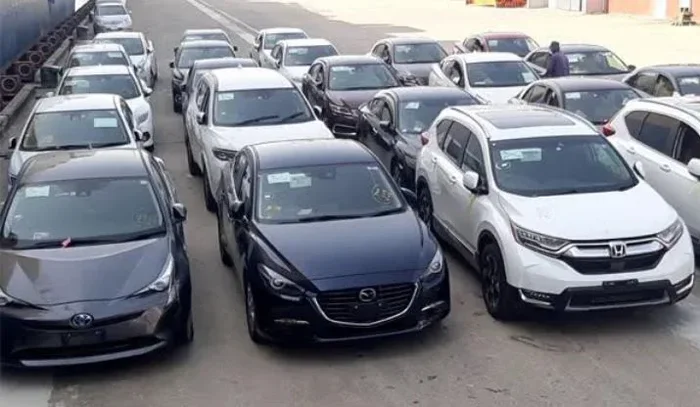
Importing a car into Bangladesh involves understanding customs duties, documentation, and the right vehicle selection. This guide covers the full Bangladesh import car process, from choosing the right model to clearing customs. Learn the costs, rules, and tips to make your car import journey simple and stress-free.
Importing a car into Bangladesh is a journey that many people undertake every year. Whether you are a business owner looking to expand your vehicle fleet or an individual searching for a reliable ride, the Bangladesh import car market has a lot to offer. The process can feel overwhelming at first, but with the right information, it becomes much more manageable.
Bangladesh has a strong demand for imported vehicles. The local car market often cannot meet the full demand, which is why many buyers turn to international markets. Japan, in particular, is a top source for used cars. The country has strict vehicle maintenance standards, which means the cars they export are generally in good condition. Understanding how this market works is the first step toward a successful import.
This guide walks you through every important aspect of importing a car to Bangladesh. We will cover the rules, costs, popular models, and practical tips. By the end, you will have a clear picture of what to expect and how to prepare.
Key Takeaways
- Know the Import Rules: Bangladesh has clear regulations for importing cars, including age limits and documentation requirements.
- Budget for Duties and Taxes: Import duties, VAT, and customs fees can significantly affect the total cost of your vehicle.
- Popular Models Dominate the Market: Japanese used cars like Toyota and Honda are the most sought-after imports in Bangladesh.
- Right-Hand Drive Is Common: Most imported cars in Bangladesh are right-hand drive, especially from Japan.
- Proper Documentation Is Essential: Missing paperwork can delay or cancel your import shipment.
- Consider Accessibility Options: Some imported vehicles may need modifications, such as a wheelchair lift for car, depending on user needs.
📑 Table of Contents
- Understanding the Bangladesh Import Car Market
- Rules and Regulations for Importing Cars
- Costs and Duties for Car Import
- Step-by-Step Process for Importing a Car
- Popular Car Models for Import to Bangladesh
- Common Mistakes to Avoid When Importing Cars
- Tips for a Successful Car Import to Bangladesh
- Expert Insights on the Bangladesh Car Import Scene
- Conclusion
Understanding the Bangladesh Import Car Market
The car market in Bangladesh is vibrant and growing. More people want personal vehicles every year. However, local manufacturing cannot keep up with this demand. This gap is filled by imported cars, especially from Japan, Thailand, and South Korea.
Used cars make up the majority of imports. Buyers prefer them because they cost less than new vehicles. A used car from Japan can offer great value for money. These vehicles often have lower mileage and well-maintained engines. This makes them a smart choice for many Bangladeshi buyers.
Why Import Cars to Bangladesh?
There are several reasons why people choose to import cars rather than buy locally. Here are the main ones:
- Lower Prices: Imported used cars are often cheaper than brand-new local models.
- Better Quality: Japan and other countries have strict vehicle inspection systems.
- Wider Selection: Importing gives you access to models not available in Bangladesh.
- Fuel Efficiency: Many imported cars offer excellent mileage, which saves money over time.
- Right-Hand Drive Options: Most Japanese imports are right-hand drive, which suits local driving conditions.
The Bangladesh car market benefits greatly from these imports. Buyers get more choices, and sellers can offer competitive prices. This healthy competition keeps the market dynamic and consumer-friendly.
Rules and Regulations for Importing Cars
Bangladesh has specific rules for importing vehicles. These rules protect local industries and ensure safety standards. Before you start, you need to understand what the government requires.
Age Limit for Imported Vehicles
Bangladesh does not allow very old cars to be imported. The general rule is that the vehicle should not be more than five years old from the date of manufacture. This rule ensures that imported cars are safe and roadworthy. Older vehicles may not meet modern safety and emission standards.
Left-Hand Drive vs. Right-Hand Drive
Most cars imported into Bangladesh are right-hand drive. This is because Bangladesh drives on the left side of the road. Left-hand drive vehicles may face additional restrictions or may not be allowed at all. Always check the current policy before purchasing a vehicle from a country that drives on the right.
Import Restrictions and Prohibitions
Certain types of vehicles face restrictions. Large trucks and commercial vehicles may need special permits. Additionally, the government periodically reviews import policies. Staying updated on the latest Bangladesh car import regulations is crucial for a smooth process.
Costs and Duties for Car Import
One of the biggest concerns for anyone importing a car is the cost. Importing a vehicle to Bangladesh involves several fees and taxes. Understanding these costs helps you budget properly.
Customs Duty
Customs duty is the first major cost. The rate depends on the type of vehicle, its engine size, and whether it is new or used. Generally, customs duty for used cars ranges from 20% to 35% of the vehicle’s assessed value. Larger engines may attract higher duties.
Value Added Tax (VAT)
VAT is another significant cost. In Bangladesh, VAT on imported cars is typically 15% to 45%, depending on the vehicle category. This tax is applied on the total value, which includes the car price, shipping, and insurance.
Additional Fees
Beyond customs duty and VAT, you may also need to pay:
- Income Tax: Applied on high-value vehicles.
- Port Handling Charges: Fees for unloading and storing the vehicle at the port.
- Transportation Costs: Moving the vehicle from the port to your location.
- Inspection Fees: Charges for customs inspection and vehicle verification.
All these costs add up. A Bangladesh import car can end up costing significantly more than the purchase price. Always factor in all fees before making a decision. A common mistake is to focus only on the car price and forget about these additional charges.
Step-by-Step Process for Importing a Car
Importing a car is a step-by-step process. Each step requires attention to detail. Rushing through any stage can lead to delays or extra costs.
Step 1: Choose the Right Vehicle
Start by selecting the car you want to import. Research the model thoroughly. Check its reputation for reliability and parts availability in Bangladesh. Popular choices include Toyota Corolla, Honda Civic, and Nissan Sunny. These models have strong support networks and affordable spare parts.
Step 2: Complete the Purchase
Buy the vehicle from a trusted seller or auction house. If you are buying from Japan, use a reputable dealer. Always get a full vehicle history report. This report shows any accidents, repairs, or title issues.
Step 3: Arrange Shipping
Once the car is purchased, you need to ship it to Bangladesh. The most common method is container shipping. The vehicle is loaded into a sealed container and transported by sea. Shipping typically takes two to four weeks, depending on the origin port.
Step 4: Prepare Documentation
Proper documentation is the backbone of a successful import. You will need:
- Original Bill of Lading – the shipping receipt.
- Commercial Invoice – proof of purchase.
- Certificate of Origin – confirms where the car was manufactured.
- Vehicle Inspection Certificate – verifies the car’s condition.
- Insurance Certificate – proof of coverage during transit.
Missing any of these documents can cause serious delays. Double-check everything before the shipment arrives.
Step 5: Clear Customs
When the vehicle arrives at the port, you must clear customs. This involves presenting all documents and paying the required duties and taxes. A customs broker can help simplify this process. They know the rules and can handle paperwork on your behalf.
Step 6: Vehicle Registration
After clearing customs, you need to register the vehicle with the Bangladesh Road Transport Authority. You will receive a registration certificate and license plates. This step makes the car legally roadworthy.
Some buyers also look for vehicle modifications after import. For example, certain imported vehicles may need accessibility features like a wheelchair lift for car to meet specific user needs. Similarly, a wheelchair lift for car can be a valuable addition for those who require mobility assistance. Another wheelchair lift for car installation might be needed depending on the vehicle type and user requirements.
Popular Car Models for Import to Bangladesh
Not all cars are equally popular in the Bangladesh import market. Some models stand out due to reliability, affordability, and parts availability.
Toyota Models
Toyota dominates the imported car market in Bangladesh. The Toyota Corolla and Toyota Fortuner are top choices. These vehicles are known for durability and low maintenance costs. Spare parts are widely available across the country.
Honda Models
Honda cars are also very popular. The Honda Civic and Honda City are favorites among buyers. They offer a good balance of comfort, fuel efficiency, and style. Honda’s reputation for reliability adds to their appeal.
Nissan and Mitsubishi
Nissan Sunny and Mitsubishi Pajero are other common imports. These models offer solid performance at competitive prices. They cater to buyers who want something different from the Toyota and Honda mainstream options.
| Brand | Popular Model | Why Popular |
|---|---|---|
| Toyota | Corolla | Reliable, affordable parts, great resale value |
| Toyota | Fortuner | Strong SUV demand, durable build |
| Honda | Civic | Fuel-efficient, comfortable ride |
| Honda | City | Affordable sedan, good features |
| Nissan | Sunny | Budget-friendly, low running cost |
| Mitsubishi | Pajero | Strong off-road capability |
Choosing the right model depends on your budget and needs. Always research the model’s reputation in the Bangladesh market before importing.
Common Mistakes to Avoid When Importing Cars
Many first-time importers make mistakes that cost them time and money. Here are the most common ones to avoid:
- Skipping Vehicle Inspection: Never buy a car without a thorough inspection. Hidden problems can turn a cheap deal into an expensive nightmare.
- Ignoring Import Regulations: Rules change frequently. Always check the latest Bangladesh car import regulations before making a purchase.
- Underestimating Total Costs: Remember that duties, taxes, and shipping add up fast. Budget for all expenses, not just the car price.
- Using Unreliable Shippers: Choose a reputable shipping company. A bad shipper can damage your vehicle or cause delivery delays.
- Neglecting Documentation: Missing paperwork is the number one cause of import delays. Keep copies of every document.
- Forgetting Vehicle Registration: A car is not legally yours until it is registered. Do not skip this step.
Avoiding these mistakes saves you from headaches and unexpected expenses. Take your time, do your research, and plan carefully.
Tips for a Successful Car Import to Bangladesh
Here are some practical tips to make your Bangladesh import car experience smoother:
- Work with a Trusted Broker: A customs broker handles paperwork and negotiations. This saves you time and reduces the risk of errors.
- Buy from Reputable Auctions: Japanese car auctions are reliable sources. They provide detailed vehicle history and condition reports.
- Check Parts Availability: Before importing, confirm that spare parts for your chosen model are available locally. This saves money on long-term maintenance.
- Get Insurance: Ship your car with comprehensive insurance. This protects you against damage during transit.
- Plan for Delays: Customs clearance can sometimes take longer than expected. Build extra time into your schedule.
- Stay Updated on Policy Changes: The government may adjust import duties or rules. Follow news from the Ministry of Commerce for the latest updates.
Following these tips increases your chances of a smooth and successful import. Patience and preparation are your best allies in this process.
Expert Insights on the Bangladesh Car Import Scene
Industry experts in Bangladesh emphasize the importance of due diligence. “Always verify the vehicle’s history and ensure all documents are in order,” says a seasoned import agent based in Chittagong port. The port is the main entry point for imported vehicles in Bangladesh.
Experts also recommend buyers to consider the long-term cost of ownership. A cheaper car may have higher maintenance costs. A slightly more expensive model with better parts availability can save money in the long run. This is especially true for used cars from Japan, where parts are widely available and affordable.
The Bangladesh automotive market continues to evolve. New policies and regulations shape how cars are imported and sold. Staying informed gives you a competitive edge, whether you are a first-time buyer or a seasoned importer.
Conclusion
Importing a car to Bangladesh is a detailed but rewarding process. From understanding the rules and costs to choosing the right model, every step matters. A successful Bangladesh import car experience comes down to preparation, patience, and the right information.
Remember to budget for all costs, keep your documents organized, and work with trusted professionals. The Bangladesh car market offers great opportunities for those who approach it with knowledge and care. Whether you are importing a compact sedan or a sturdy SUV, the right strategy makes all the difference.
Take what you have learned from this guide and apply it to your import journey. With the right approach, you can find a reliable vehicle that fits your needs and budget. Happy importing!
Frequently Asked Questions
What is the import duty on cars in Bangladesh?
Import duty on cars in Bangladesh varies based on the vehicle type, engine size, and age. Generally, used cars face customs duty between 20% and 35% of the assessed value. Always check the latest rates with the customs authority before importing.
Can I import a left-hand drive car to Bangladesh?
Left-hand drive vehicles face strict restrictions in Bangladesh. The country drives on the left side of the road, so right-hand drive cars are preferred. Check current regulations, as left-hand drive imports may not be allowed or may require special permits.
What documents are needed to import a car to Bangladesh?
You need the original Bill of Lading, commercial invoice, certificate of origin, vehicle inspection certificate, and insurance certificate. All documents must be original or properly certified copies. Missing any key document can delay customs clearance significantly.
Is it cheaper to import a car than to buy locally in Bangladesh?
In many cases, imported used cars from Japan and other countries are cheaper than brand-new local models. However, you must factor in import duties, VAT, shipping, and other fees. The total landed cost should be compared with local prices before making a decision.
How long does it take to import a car to Bangladesh?
The entire process typically takes four to eight weeks. This includes shipping time (two to four weeks), customs clearance (one to two weeks), and registration. Delays can occur if documents are incomplete or if there are port congestion issues.
Are there any age restrictions on imported cars in Bangladesh?
Yes, Bangladesh generally does not allow vehicles older than five years from the date of manufacture to be imported. This rule ensures that imported cars meet safety and emission standards. Always verify the manufacturing date before purchasing an imported vehicle.

Similar Posts































