Abs Brake Slip Light on Nissan Titan
Recipe Developer & Kitchen Guide Writer at Choose Vacuum · Certified Home Economist, ServSafe Food Handler · 8+ years developing home recipes and testing everyday kitchen techniques
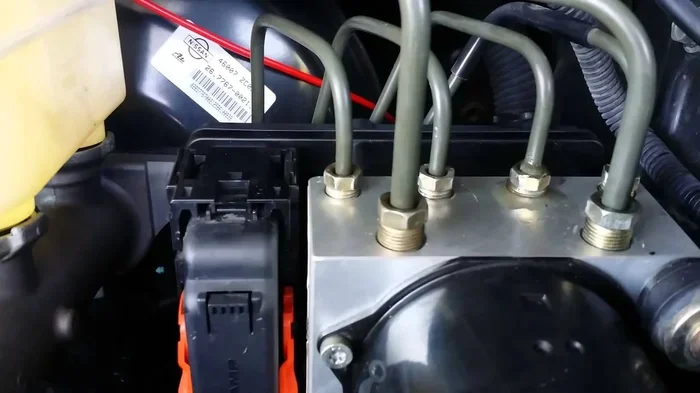
The ABS brake slip light on your Nissan Titan is a warning that something is wrong with your anti-lock braking system. This light can come on due to faulty wheel speed sensors, low brake fluid, or a malfunctioning ABS module. Understanding the root cause helps you fix the problem quickly and keep your Titan safe on the road.
The ABS brake slip light on Nissan Titan can catch any truck owner off guard. One moment you are driving down the highway, and the next, a warning light pops up on your dashboard. It is easy to panic, but staying calm is the first step. This guide walks you through everything you need to know about this warning light. You will learn what it means, why it shows up, and exactly how to fix it.
Your Nissan Titan is a powerful and reliable truck. It handles tough jobs and rough roads with ease. But even the best trucks need regular care. The ABS system is one of the most important safety features in your vehicle. When the slip light comes on, your truck is telling you something needs attention. Ignoring it can lead to bigger problems and unsafe driving conditions.
Key Takeaways
- The ABS slip light signals a problem with your Nissan Titan’s anti-lock braking system and should never be ignored.
- Common causes include dirty wheel speed sensors, low brake fluid, damaged wiring, and a faulty ABS module.
- Simple fixes like cleaning sensors can often resolve the issue without a trip to the mechanic.
- Driving with the ABS light on reduces your safety, especially on wet or icy roads.
- Regular brake maintenance prevents most ABS slip light issues before they start.
- Resetting the light after a repair is important but only works once the real problem is solved.
- See a professional if basic troubleshooting does not clear the warning.
📑 Table of Contents
- What Does the ABS Brake Slip Light Mean on a Nissan Titan?
- Common Causes of the ABS Brake Slip Light on Nissan Titan
- How to Diagnose the ABS Slip Light on Your Nissan Titan
- Step-by-Step Fixes for the ABS Brake Slip Light
- Preventing ABS Slip Light Issues on Your Nissan Titan
- When to See a Professional Mechanic
- Understanding the Cost of ABS Repairs on a Nissan Titan
- Key Takeaways
What Does the ABS Brake Slip Light Mean on a Nissan Titan?
The ABS brake slip light is part of your truck’s anti-lock braking system. This system prevents your wheels from locking up when you brake hard. It especially helps on wet roads, icy surfaces, and uneven terrain. The light uses a specific symbol on your dashboard to alert you. You will see it look like a circle with lines coming out of it, often with the word “ABS” in the center.
When this light turns on, it means the system has detected a problem. Your ABS might not be working correctly. In some cases, the regular brakes still work. But the anti-lock feature may be disabled. This is why it is so important to address the issue right away. Driving without a functioning ABS system puts you at risk, especially during emergency stops.
How the ABS System Works in the Nissan Titan
The ABS system uses several components to keep your wheels from slipping. Each wheel has a speed sensor that monitors how fast it is spinning. These sensors send data to the ABS control module. If one wheel starts spinning faster than the others, the module steps in. It reduces brake pressure to that wheel. This action prevents the wheel from locking up and keeps you in control.
Think of it like the way keeping a rocking chair from sliding on carpet requires the right balance of grip and pressure. Your truck’s ABS system does the same thing with your wheels. It adjusts pressure hundreds of times per second to maintain traction. When any part of this system fails, the slip light turns on to warn you.
Common Causes of the ABS Brake Slip Light on Nissan Titan
Several issues can trigger the ABS slip light on your Nissan Titan. Understanding these causes helps you narrow down the problem faster. Here are the most common reasons this light appears.
Dirty or Faulty Wheel Speed Sensors
The most frequent cause of the ABS slip light is a dirty or failing wheel speed sensor. These sensors sit near each wheel and read the speed of the rotor. Over time, dirt, rust, and road grime build up on the sensor. This buildup blocks the sensor from reading the wheel speed accurately. When the readings become unreliable, the ABS system throws a warning.
In many cases, a simple cleaning fixes the problem. You can remove the sensor and wipe it down with a clean cloth. Sometimes the sensor needs to be replaced entirely. Replacement sensors are affordable and easy to install. This is one of the first things you should check when the light comes on.
Low Brake Fluid Level
Your ABS system relies on brake fluid to operate. The fluid transmits pressure from the brake pedal to the ABS module and then to the wheels. If your brake fluid level drops too low, the system cannot function properly. The ABS slip light will turn on to alert you.
Low brake fluid often means there is a leak somewhere in the system. Check the brake fluid reservoir under the hood. If the fluid is below the minimum line, top it off. But do not just add fluid and forget about it. A leak needs to be found and repaired. Otherwise, your brakes could fail completely over time.
Damaged Wiring or Electrical Connections
The sensors and modules in your ABS system are connected by wiring. These wires run through the undercarriage of your truck. They are exposed to road debris, moisture, and extreme temperatures. Over time, the wiring can corrode, fray, or become disconnected.
A broken wire or loose connector sends incorrect signals to the ABS module. This triggers the slip light on your dashboard. Inspecting the wiring harness is an important step in diagnosing the problem. Look for any visible damage, especially near the wheel wells where the wires are most vulnerable.
Faulty ABS Control Module
The ABS control module is the brain of the system. It processes data from all the wheel speed sensors and controls brake pressure. When the module fails, the entire ABS system goes down. The slip light will stay on, and you may lose the anti-lock braking feature.
A faulty ABS module is a more serious and expensive repair. The module itself can cost several hundred dollars. Labor costs add to the total. However, sometimes the issue is just a loose connection or a corroded plug. Always check the simpler fixes before assuming the module is bad.
Worn Brake Rotors or Pads
Your brake rotors and pads wear down over time. When they become too thin or warped, they can cause uneven braking. The ABS system detects this unevenness and may trigger the slip light. Worn brake components also reduce your overall stopping power, which is dangerous.
Regular brake inspections help you catch worn parts before they cause the ABS light to come on. Most brake pads need replacement every 30,000 to 70,000 miles. Rotors can last longer but should be checked during every brake service. Keeping up with maintenance prevents the ABS slip light from appearing.
How to Diagnose the ABS Slip Light on Your Nissan Titan
Diagnosing the ABS slip light starts with a few simple checks. You do not need to be a professional mechanic to do most of these steps. A basic OBD2 scanner makes the process even easier. Here is how you can diagnose the problem at home.
Step 1: Check the Dashboard Warning Lights
When the ABS slip light comes on, look for other warning lights on your dashboard. The check engine light, the brake warning light, and the traction control light may also be on. Multiple lights together often point to a shared problem in the ABS or braking system.
Note which lights are on and in what order they appeared. This information helps a mechanic diagnose the issue faster. Write down the lights or take a photo of your dashboard with your phone.
Step 2: Use an OBD2 Scanner
An OBD2 scanner reads the error codes stored in your truck’s computer. You can buy a basic scanner for under $30 at any auto parts store. Plug it into the diagnostic port under your steering column. The scanner will display codes that tell you which part of the ABS system has a problem.
Common codes related to the ABS slip light include C0034, C0035, and C0040. These codes usually point to a specific wheel speed sensor. Write down the codes and look them up online or ask your mechanic for help interpreting them.
Step 3: Inspect the Wheel Speed Sensors
After getting the error codes, physically inspect the wheel speed sensors. Start with the sensor that the code points to. Remove it from the mounting bracket and look for dirt, metal shavings, or damage. Clean the sensor with a wire brush or a cloth soaked in brake cleaner.
Also check the tone ring on the wheel hub. This is the toothed metal ring that the sensor reads. If the tone ring is damaged or has missing teeth, the sensor cannot get accurate readings. Replace any damaged tone rings to fix the problem.
Step 4: Check the Brake Fluid and System for Leaks
Pop the hood and locate the brake fluid reservoir. Check the fluid level against the minimum and maximum lines. If the level is low, add the recommended brake fluid for your Nissan Titan. Then inspect the area around the wheels for any signs of fluid leaks.
Brake fluid leaks are serious safety hazards. If you see wet spots or dripping fluid near the brake lines or calipers, do not drive the truck. Have it towed to a mechanic. Leaking brake fluid means your braking system is compromised.
Step-by-Step Fixes for the ABS Brake Slip Light
Once you have identified the cause, it is time to fix the problem. Some repairs are simple enough to do at home. Others require professional tools and expertise. Here are the most common fixes for the ABS slip light on a Nissan Titan.
Fix 1: Clean or Replace the Wheel Speed Sensors
If dirty sensors caused the light, cleaning them is the first step. Remove each sensor carefully and clean the tip with brake cleaner. Let it dry completely before reinstalling. This simple fix resolves the issue in many cases. If cleaning does not work, replace the sensor. The cost for a new sensor ranges from $20 to $50 per unit. Installation takes about 15 to 30 minutes per wheel.
After replacing the sensor, use the OBD2 scanner to clear the error codes. Start the truck and see if the ABS slip light stays off. If it does, your repair was successful. If the light returns, move on to the next potential cause.
Fix 2: Top Off or Replace Brake Fluid
If your brake fluid was low, topping it off is a quick fix. Use the DOT 3 or DOT 4 brake fluid recommended for your Nissan Titan. Pour it into the reservoir until it reaches the maximum line. Then pump the brake pedal a few times to build pressure in the system.
If there is a leak causing the low fluid, you need to repair it first. Common leak points include the brake line connections, the calipers, and the rubber brake hoses. Tighten loose connections or replace damaged hoses. Once the leak is fixed, refill the fluid and test drive the truck.
Fix 3: Repair or Replace Damaged Wiring
For damaged wiring, trace the affected wire from the sensor to the ABS module. Look for frayed sections, bare copper, or corrosion. Cut out the damaged section and splice in a new piece of wire. Use heat-shrink tubing to seal the connection and protect it from moisture.
If the wiring harness connector is corroded, clean the pins with electrical contact cleaner. If the connector is melted or badly damaged, replace the entire harness. Wiring repairs are inexpensive but require patience and attention to detail.
Fix 4: Reset the ABS System After Repair
After completing any repair, you need to reset the ABS system. Disconnect the negative battery terminal for about 15 minutes. This drains the residual power from the control module. Reconnect the battery and start the truck. The ABS slip light should turn off if the repair was successful.
If the light stays on after resetting, there is still an unresolved issue. Go back and double-check your work. Use the OBD2 scanner again to see if new codes have appeared. Sometimes a sensor needs a relearn procedure, which a mechanic can perform with professional diagnostic tools.
Preventing ABS Slip Light Issues on Your Nissan Titan
Prevention is always better than repair. Keeping your ABS system in good shape reduces the chance of the slip light coming on unexpectedly. Follow these maintenance tips to protect your Nissan Titan’s braking system.
- Check your brake fluid regularly. Inspect the fluid level and condition every month. Change the fluid every two years or as recommended in your owner’s manual.
- Keep the wheel speed sensors clean. During tire rotations or brake services, ask the mechanic to clean the sensors. This prevents dirt buildup that causes false readings.
- Inspect wiring and connectors. Look for corrosion or damage during routine undercarriage inspections. Catching a frayed wire early prevents bigger problems.
- Drive carefully on rough roads. Potholes and debris can damage sensors and wiring. Slow down on rough terrain to protect your ABS components.
- Do not ignore warning lights. The moment a brake-related light appears, investigate it. Addressing small issues early saves money and keeps you safe.
Think of it like making sure you have the right chair mat on carpet to protect your flooring. Preventive measures protect your truck’s systems from the wear and tear of daily driving. A little maintenance goes a long way toward avoiding unexpected repairs.
When to See a Professional Mechanic
Some ABS slip light issues can be fixed at home with basic tools. But there are times when professional help is the right call. If you have checked the sensors, fluid, and wiring and the light still does not go off, it is time to see a mechanic. A persistent light usually points to a deeper problem that requires advanced diagnostics.
Also seek professional help if you notice any of these symptoms along with the ABS light. If your brakes feel spongy or unresponsive, get to a shop immediately. If you hear grinding or squealing when you brake, the issue could be serious. And if the ABS light is flashing instead of staying solid, this often indicates a more urgent problem that needs immediate attention.
A qualified mechanic has access to professional-grade diagnostic tools. They can read complex error codes and perform system relearn procedures. They also have the experience to identify problems that are not obvious at first glance. Investing in a professional diagnosis saves time, money, and most importantly, keeps you safe on the road.
Understanding the Cost of ABS Repairs on a Nissan Titan
The cost to fix the ABS slip light varies depending on the cause. Simple repairs like cleaning or replacing a wheel speed sensor are affordable. A new sensor typically costs between $20 and $50, plus about $50 to $100 for labor if you do not do it yourself.
Brake fluid top-offs are very inexpensive. A bottle of brake fluid costs around $10 to $15. If you need a full brake fluid flush, expect to pay $75 to $150 at a shop. Wiring repairs fall somewhere in between, depending on the extent of the damage.
Replacing an ABS control module is the most expensive repair. The module itself costs $200 to $600, and labor adds another $100 to $200. While this is a significant expense, it is necessary for safe operation of your truck. Always get a quote from a trusted mechanic before agreeing to major repairs.
In some cases, insurance or extended warranties may cover part of the cost. Check your coverage before paying out of pocket. Keeping up with regular maintenance also helps you avoid these expensive repairs in the first place.
Key Takeaways
The ABS brake slip light on Nissan Titan is a warning you should never ignore. It signals a problem with your anti-lock braking system that affects your safety. Most causes are simple and affordable to fix, especially when you catch them early. Start with the basics like cleaning sensors and checking brake fluid. Use an OBD2 scanner to read error codes and narrow down the issue. Practice regular maintenance to keep your ABS system working properly. And when in doubt, trust a professional mechanic to diagnose and repair the problem. Your Nissan Titan is built to perform, and a functioning ABS system is key to keeping it that way.
Frequently Asked Questions
Can I still drive my Nissan Titan if the ABS slip light is on?
Yes, you can drive short distances, but it is not safe. The ABS system helps prevent wheel lockup during hard braking. Without it, your wheels may lock on wet or icy roads. Get the problem diagnosed and repaired as soon as possible.
How much does it cost to fix the ABS slip light on a Nissan Titan?
The cost depends on the cause. Cleaning a sensor costs very little, while replacing an ABS module can cost several hundred dollars. Most common fixes fall between $50 and $200 total.
What does the ABS slip light look like on a Nissan Titan dashboard?
The light looks like a circle with curved lines on the outside and “ABS” written in the center. It is usually yellow or amber in color. It may flash or stay solid depending on the severity of the problem.
Can low brake fluid cause the ABS slip light to come on?
Yes, low brake fluid is one of the most common causes. The ABS system needs proper fluid levels to function. Check your reservoir and top off the fluid if it is low, then investigate why it dropped.
How do I reset the ABS slip light after a repair?
Disconnect the negative battery terminal for 15 minutes, then reconnect it. Start the truck and check if the light stays off. You can also use an OBD2 scanner to clear the error codes after the repair is complete.
Why does my ABS slip light come and go on my Nissan Titan?
A light that comes and goes often indicates an intermittent problem. This is usually caused by a dirty sensor, loose wiring, or moisture in a connector. Even if the light goes away, get the system checked before the problem gets worse.
=== CONCLUSION ===
The ABS brake slip light on Nissan Titan is a serious warning that demands your attention. Whether it is a dirty sensor, low brake fluid, or a more complex issue, understanding the cause is the first step to a fix. You now have the knowledge to diagnose the problem, attempt simple repairs, and know when to call a professional. Keep up with regular brake maintenance and never ignore warning lights on your dashboard. Your safety and the performance of your Nissan Titan depend on it.

Similar Posts