2026 Toyota Corolla How to Access Tire Pressure Display
Recipe Developer & Kitchen Guide Writer at Choose Vacuum · Certified Home Economist, ServSafe Food Handler · 8+ years developing home recipes and testing everyday kitchen techniques
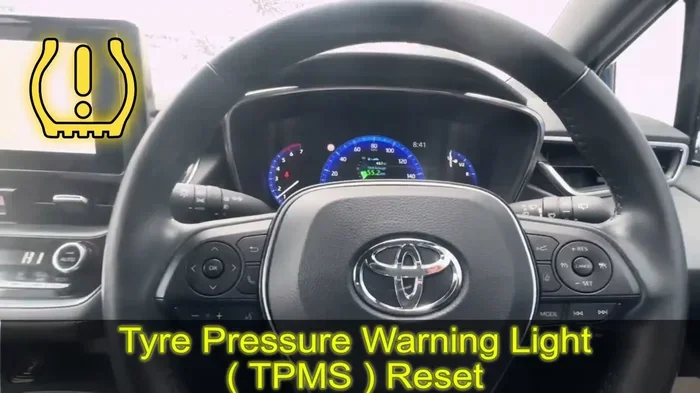
Accessing the tire pressure display on your 2026 Toyota Corolla is simple once you know where to look. This guide walks you through every step, from the instrument cluster to the multi-information display on the steering wheel. You will also learn how to interpret readings, reset the system, and troubleshoot common TPMS issues.
The 2026 Toyota Corolla comes packed with smart features that keep you informed while you drive. One of the most important yet often overlooked tools is the tire pressure display. This system lets you check your tire health right from the dashboard without ever needing to open the hood.
Knowing how to access this display is a game changer. Whether you are prepping for a long road trip or just doing routine car maintenance, the tire pressure monitor gives you real-time data at a glance. In this guide, we will walk you through every step in plain language so anyone can follow along.
Key Takeaways
- Easy Access: The tire pressure display is available through the instrument cluster and steering wheel controls on the 2026 Toyota Corolla.
- TPMS Alerts: The system warns you when tire pressure is too low or too high, helping you avoid unsafe driving conditions.
- Quick Reset: You can reset the tire pressure light in just a few simple steps using the steering wheel buttons.
- Regular Checks Matter: Checking your tire pressure monthly improves fuel efficiency and extends tire life.
- Common Issues Are Fixable: Most display problems are caused by sensor batteries or minor system glitches that are easy to resolve.
- Seasonal Changes Affect Pressure: Temperature shifts can cause tire pressure fluctuations, so regular monitoring is essential.
📑 Table of Contents
- Understanding the Tire Pressure Monitoring System
- Step-by-Step Guide to Access the Tire Pressure Display
- Reading and Interpreting Tire Pressure Readings
- Common Tire Pressure Display Issues and Solutions
- Maintaining Optimal Tire Pressure for Your 2026 Corolla
- Pro Tips for Tire Pressure Management
- Quick Reference: Tire Pressure at a Glance
- Conclusion
Understanding the Tire Pressure Monitoring System
The 2026 Toyota Corolla uses a Tire Pressure Monitoring System, commonly known as TPMS. This electronic system keeps track of the air pressure inside each tire and sends that information to your dashboard. It is designed to alert you when pressure drops to an unsafe level.
There are two types of TPMS you should know about. The first is the direct TPMS, which uses small sensors inside each tire valve. These sensors measure the exact pressure and send the data wirelessly to your car’s computer. The second is the indirect TPMS, which uses the wheel speed sensors already present in your vehicle. The 2026 Corolla uses a combination of both for accurate readings.
Why Tire Pressure Matters
Keeping your tires at the right pressure is one of the simplest things you can do for your car. Under-inflated tires cause poor fuel economy, uneven tire wear, and reduced handling. Over-inflated tires give you a harsh ride and wear out the center of the tread faster. The TPMS display helps you stay on top of all of this without guesswork.
What the Tire Pressure Warning Light Looks Like
On the 2026 Corolla dashboard, the TPMS warning light looks like a horseshoe shape with an exclamation point in the center. When this light stays on, it means one or more tires are significantly out of range. If it flashes when you start the car and then stays solid, the system may have a malfunction that needs attention.
Step-by-Step Guide to Access the Tire Pressure Display
Getting to the tire pressure reading on your 2026 Toyota Corolla is straightforward. Follow these steps carefully and you will have your readings in under a minute.
Step 1: Start the Engine
Press the start button or turn the ignition key to power on the vehicle. You do not need to drive anywhere. Just having the engine running activates the dashboard displays. Wait a few seconds for all the systems to fully boot up.
Step 2: Locate the Instrument Cluster
Look straight ahead at the dashboard behind the steering wheel. The instrument cluster is the panel that shows your speed, fuel level, and engine temperature. On the 2026 Corolla, this cluster also houses the tire pressure information.
Step 3: Use the Steering Wheel Controls
On the left side of the steering wheel, you will find a set of arrow buttons. Press the up or down arrow to scroll through the display menus. Keep pressing until you see the tire pressure option appear on the screen. This menu shows the pressure for each individual tire.
Step 4: Read the Pressure Values
The display will show pressure readings in PSI (pounds per square inch). Compare these numbers to the recommended pressure listed on the sticker inside your driver’s door frame. The ideal range for the 2026 Corolla is typically between 32 and 35 PSI, but always check your owner’s manual for the exact figure.
Step 5: Exit the Menu
Press the OK button or simply wait a few seconds and the display will return to the main screen. You can access the tire pressure menu again anytime by repeating the same steps.
Reading and Interpreting Tire Pressure Readings
Once you find the display, understanding what it tells you is just as important as finding it. Here is how to make sense of the numbers on screen.
Normal Pressure Range
A healthy tire pressure reading for the 2026 Corolla falls within the manufacturer’s recommended range. Most tires will show between 32 and 35 PSI when properly inflated. If all four tires show similar numbers within this range, your tires are in great shape.
Low Pressure Warning
If one or more tires show a reading significantly below the recommended range, the TPMS will trigger the warning light on the dashboard. Common causes include slow leaks, temperature drops, or a tire that has not been inflated in a while. You should check the affected tire with a manual gauge as soon as possible.
High Pressure Warning
Over-inflated tires are less common but still a concern. High pressure readings usually happen after the car has been sitting in direct sunlight or after driving aggressively for a long time. If the reading is above 40 PSI, let some air out to bring it back to the safe range.
Sensor Error Messages
Sometimes the display will show a message like “Sensor Error” or “Check TPMS.” This usually means one of the tire pressure sensors has a dead battery or is not communicating properly. These sensors have a lifespan of about five to ten years and need replacement when they fail.
Common Tire Pressure Display Issues and Solutions
Even the best technology can have occasional hiccups. Here are the most common issues you might face with the tire pressure display on your 2026 Corolla and how to fix them.
TPMS Light Stays On After Inflating Tires
Sometimes the light will not turn off even after you inflate your tires to the correct pressure. This happens because the system needs a manual reset. To reset the TPMS, press and hold the reset button located beneath the steering wheel until the warning light blinks three times. Then start the car and drive for about 20 minutes at speeds above 30 mph. The system will relearn the correct pressure values.
Inaccurate Readings
If the display shows readings that seem off, first check the tire pressure with a standalone tire gauge. External gauges are inexpensive and very accurate. If the manual reading matches the display, your tires are fine and the TPMS is working correctly. If they do not match, you may need a sensor replacement or a system recalibration.
Cold Weather False Alarms
Cold weather is the number one cause of false TPMS alerts. When temperatures drop, the air inside your tires contracts, causing the pressure to decrease temporarily. A 10-degree drop in temperature can reduce tire pressure by about 1 PSI. If you see the warning light on a cold morning, check your pressure and add air if needed. The light should turn off after driving for a while.
Display Screen Goes Blank
If the tire pressure menu disappears or the display goes dark, try turning the ignition off and back on. If the issue persists, check your owner’s manual for a display reset procedure. In rare cases, a loose connection behind the instrument cluster may need professional attention.
Maintaining Optimal Tire Pressure for Your 2026 Corolla
Accessing the display is only half the battle. Regular maintenance is what keeps your tires in top condition and your drive safe.
How Often to Check Tire Pressure
Make it a habit to check your tire pressure at least once a month. You should also check before any long road trip. Temperature changes between seasons can shift pressure by several PSI, so checking more frequently during fall and spring is a smart move.
Where to Find the Recommended Pressure
The recommended tire pressure for your 2026 Corolla is printed on a sticker inside the driver’s door frame. It lists the ideal PSI for both front and rear tires. Do not rely on the number printed on the tire sidewall, as that is the maximum pressure the tire can handle, not the recommended pressure for your vehicle.
Invest in a Good Tire Gauge
A digital tire gauge is one of the most useful tools you can keep in your glove box. They are small, affordable, and give you readings in seconds. Compare the gauge reading to what the TPMS display shows to make sure everything is accurate.
Keeping your car interior clean and comfortable goes hand in hand with proper vehicle maintenance. Just as you would care for your car’s tires, you might also want to know how to wash a chair if you spend a lot of time driving or have seat covers that need cleaning. Similarly, maintaining your car seat cushions can improve your overall driving experience.
Pro Tips for Tire Pressure Management
Here are some expert tips that go beyond the basics and help you get the most out of your 2026 Corolla’s TPMS.
- Check pressure when tires are cold. Driving heats up the air inside the tires and raises the reading. For the most accurate measurement, check before you drive or wait at least three hours after driving.
- Keep a pressure log. Write down your readings each month. This helps you spot slow leaks early before they become a bigger problem.
- Replace TPMS sensors with quality parts. If a sensor battery dies, choose a OEM or high-quality aftermarket sensor. Cheap sensors can give unreliable readings and fail sooner.
- Do not ignore the warning light. Even if your tires look fine, a persistent TPMS light could indicate a sensor issue. Have it checked by a professional to be safe.
- Consider seasonal tire changes. Switching between all-season and winter tires can affect pressure readings. Always recheck pressure after a tire change.
Taking care of your vehicle also means keeping the inside comfortable. Much like how you would recover chair cushions to keep seating fresh, maintaining your car seats and interior contributes to a better driving experience every day.
Quick Reference: Tire Pressure at a Glance
Here is a quick comparison of what different pressure levels mean for your 2026 Toyota Corolla.
| Pressure Level | PSI Range | What It Means | Action Needed |
|---|---|---|---|
| Optimal | 32-35 PSI | Tires are properly inflated | No action needed |
| Slightly Low | 28-31 PSI | Minor pressure loss | Add air to recommended level |
| Low | Below 28 PSI | Significant under-inflation | Inflate immediately and check for leaks |
| Slightly High | 36-39 PSI | Minor over-inflation | Release small amount of air |
| High | Above 39 PSI | Significant over-inflation | Release air to safe level |
| Sensor Error | N/A | TPMS sensor malfunction | Inspect or replace sensor |
With this guide, you now have everything you need to confidently access and use the tire pressure display on your 2026 Toyota Corolla. Regular monitoring keeps you safe, saves fuel, and extends the life of your tires.
For those who spend extended time behind the wheel, comfort matters just as much as safety. Properly inflated tires give you a smoother ride, much like how a well-maintained seat gives you better support during long drives.
Conclusion
The 2026 Toyota Corolla tire pressure display is a powerful tool that keeps you informed and safe on the road. By following the steps in this guide, you can access your readings in seconds, understand what they mean, and take action when needed. Regular tire pressure checks are one of the easiest and most effective ways to maintain your vehicle. Make it part of your monthly routine and your Corolla will reward you with better performance, improved fuel economy, and a safer ride for years to come.
Frequently Asked Questions
Where is the tire pressure display located on the 2026 Toyota Corolla?
The tire pressure display is found on the instrument cluster behind the steering wheel. You can access it by using the arrow buttons on the left side of the steering wheel to scroll through the display menus until the tire pressure option appears.
How do I reset the TPMS light on my 2026 Corolla?
Press and hold the TPMS reset button located beneath the steering wheel until the warning light blinks three times. Then start the car and drive for about 20 minutes at speeds above 30 mph. The system will recalibrate and the light should turn off.
What PSI should my 2026 Toyota Corolla tires be at?
The recommended tire pressure for the 2026 Corolla is typically between 32 and 35 PSI. You can find the exact number on the sticker inside the driver’s door frame or in the owner’s manual.
Can cold weather cause the TPMS light to come on?
Yes, cold weather is one of the most common reasons for a TPMS alert. When temperatures drop, the air inside your tires contracts and pressure decreases. This can trigger the warning light temporarily. Simply checking and adding air usually resolves the issue.
How often should I check my tire pressure?
You should check your tire pressure at least once a month and before any long road trips. Temperature changes between seasons can affect pressure, so more frequent checks during fall and spring are recommended.
What does a flashing TPMS light mean?
A flashing TPMS light usually indicates a malfunction in the monitoring system itself, rather than a problem with the tire pressure. This could mean a sensor battery is dead or a sensor is not communicating properly. It is best to have the system inspected by a qualified mechanic as soon as possible.

Similar Posts































