2012 Nissan Frontier Sv Transmission Fluid Check
Recipe Developer & Kitchen Guide Writer at Choose Vacuum · Certified Home Economist, ServSafe Food Handler · 8+ years developing home recipes and testing everyday kitchen techniques
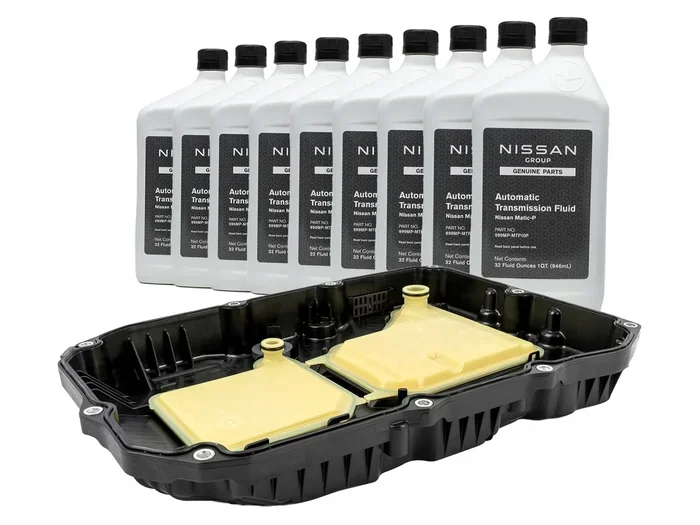
The 2012 Nissan Frontier SV transmission fluid check is a simple maintenance task every owner should know. Regularly checking your transmission fluid level and condition helps prevent costly repairs and keeps your truck running smoothly. This guide walks you through the entire process, from locating the dipstick to knowing when fluid needs replacing.
Owning a 2012 Nissan Frontier SV comes with a lot of perks. It is a reliable truck that handles work and weekend adventures with ease. But like any vehicle, it needs regular care to keep running strong. One of the most overlooked maintenance tasks is the transmission fluid check. Many drivers ignore it until something goes wrong. By that point, repairs can be expensive. This guide makes it simple. You will learn exactly how to check your fluid, what to look for, and when it is time for a change.
Your truck’s transmission is the heart of its drivetrain. It shifts gears smoothly so you can accelerate and tow without issues. Clean fluid keeps everything running cool and lubricated. Dirty or low fluid causes wear and tear on internal components. The good news? A quick transmission fluid check takes only a few minutes. No mechanic visit required. Let us walk through it together.
Key Takeaways
- Easy DIY Task: You can check your 2012 Nissan Frontier SV transmission fluid at home with basic tools.
- Fluid Condition Matters: The color and smell of your transmission fluid tell you a lot about your transmission health.
- Regular Checks Prevent Problems: Staying on top of fluid levels avoids expensive transmission repairs down the road.
- Use the Right Fluid: Always use the manufacturer-recommended ATF for your Frontier SV.
- Know When to Change: Most experts recommend a transmission fluid change every 30,000 to 60,000 miles.
📑 Table of Contents
- Why Checking Your Transmission Fluid Matters
- What You Need Before You Start
- Step-by-Step: How to Check Your Transmission Fluid
- Understanding Transmission Fluid Types for the 2012 Frontier SV
- How Often Should You Check and Change the Fluid?
- Common Transmission Fluid Problems to Watch For
- Can You Check the Fluid on a Cold Engine?
- Quick Tips for Keeping Your Transmission in Top Shape
- When to See a Professional
- Final Thoughts on the 2012 Nissan Frontier SV Transmission Fluid Check
Why Checking Your Transmission Fluid Matters
The transmission fluid in your 2012 Nissan Frontier SV does more than just lubricate. It also cools the transmission and helps transfer power from the engine to the wheels. Over time, this fluid breaks down. Heat and friction cause it to degrade. Dirt and metal particles mix in. When fluid gets old or low, your transmission suffers.
Here is why regular checks are so important:
- Prevents Overheating: Clean fluid keeps the transmission at a safe operating temperature.
- Extends Transmission Life: Fresh fluid reduces wear on gears and internal parts.
- Saves Money: A fluid check costs nothing. A new transmission costs thousands.
- Improves Performance: Good fluid means smoother gear shifts and better fuel economy.
- Catches Problems Early: Discolored or burnt fluid signals trouble before it becomes serious.
Think of the fluid check as a quick health checkup for your truck. Just like you would not skip a doctor visit, do not skip this simple step. For more on how to inspect other fluids and components, you can also refer to our guide on how to check various vehicle components for additional tips.
What You Need Before You Start
Before you pop the hood, gather a few supplies. Having everything ready makes the process faster and smoother.
Tools and Materials
- A clean rag or paper towel
- The correct transmission fluid (see your owner’s manual)
- A funnel (optional but helpful)
- Gloves to keep your hands clean
- A level surface to park on
Safety First
Always park your 2012 Nissan Frontier SV on a flat surface. Engage the parking brake. Let the engine warm up for a few minutes. Warm fluid gives a more accurate reading. But do not let the engine get too hot. You do not want to burn yourself on hot engine parts. Work carefully and take your time.
Step-by-Step: How to Check Your Transmission Fluid
Now let us get into the hands-on part. Checking the fluid on a 2012 Nissan Frontier SV is straightforward. Follow these steps carefully.
Step 1: Locate the Transmission Dipstick
Open the hood and look for the transmission dipstick. On the 2012 Frontier SV, it is usually located near the back of the engine bay. The handle is often colored red or yellow, making it easy to spot. If you are unsure, consult your owner’s manual. It has a clear diagram showing the exact location.
Step 2: Pull the Dipstick and Wipe It
Pull the dipstick out slowly. Wipe it clean with your rag. This removes any old fluid clinging to the stick. A clean dipstick ensures you get an accurate reading. Hold it flat as you wipe.
Step 3: Reinsert and Pull Again
Slide the dipstick back in all the way. Wait a second, then pull it out again. Look at the fluid level. There are markings on the dipstick. Some have “Full” and “Add” lines. Others have holes or notches. Your fluid level should fall between these marks.
Step 4: Check the Fluid Color and Smell
This is just as important as checking the level. Healthy transmission fluid is typically reddish-pink and translucent. If the fluid looks brown or dark, it is old and needs changing. If it smells burnt, that is a red flag. Burnt fluid means the transmission is overheating. This requires immediate attention.
Step 5: Add Fluid if Needed
If the level is low, use a funnel to add the correct fluid. Pour slowly. Add a little at a time. Overfilling can cause problems too. Recheck the level after each small addition until it reaches the “Full” mark.
Understanding Transmission Fluid Types for the 2012 Frontier SV
Not all transmission fluids are the same. Using the wrong type can damage your transmission. The 2012 Nissan Frontier SV uses a specific type of automatic transmission fluid. Check your owner’s manual for the exact specification. In most cases, Nissan recommends a specific Nissan ATF fluid.
Here are some quick tips for choosing the right fluid:
- Always use OEM or manufacturer-approved fluid.
- Do not mix different fluid types.
- Check the label for compatibility with your model year.
- When in doubt, ask a trusted mechanic.
Using the wrong fluid can lead to poor shifting, slipping gears, and even transmission failure. It is not worth the risk. Stick with what Nissan designed for your Frontier SV.
How Often Should You Check and Change the Fluid?
The transmission fluid change interval for the 2012 Nissan Frontier SV depends on how you use the truck. Here is a general guideline:
| Usage Type | Check Frequency | Change Interval |
|---|---|---|
| Normal Driving | Every 10,000 miles | Every 30,000-60,000 miles |
| Heavy Towing | Every 5,000 miles | Every 20,000-30,000 miles |
| Severe Conditions | Every 3,000-5,000 miles | Every 15,000-25,000 miles |
Severe conditions include stop-and-go traffic, extreme heat, dusty roads, and heavy towing. If you use your Frontier SV for work or hauling, your fluid breaks down faster. Check it more often. When in doubt, check it more frequently rather than less.
Regular fluid changes keep your transmission happy and healthy. Think of it as an investment in the longevity of your truck.
Common Transmission Fluid Problems to Watch For
Even with regular checks, problems can still occur. Here are some warning signs that your 2012 Nissan Frontier SV transmission needs attention:
Fluid Leaks
If you see a puddle of reddish fluid under your truck, you have a leak. Transmission fluid leaks can come from the pan gasket, seals, or lines. Do not ignore leaks. Even a small leak can lead to low fluid levels and serious damage.
Slipping Gears
Do your gears feel like they are slipping? This happens when the fluid cannot properly engage the gears. It often points to low fluid or degraded fluid quality.
Delayed Shifting
If there is a pause when shifting from park to drive or reverse, your fluid might be the culprit. Clean fluid ensures quick, smooth shifts.
Unusual Noises
Grinding or whining noises during gear changes are never good. These sounds often indicate worn fluid or internal transmission damage.
Can You Check the Fluid on a Cold Engine?
Some owners wonder if they can check the fluid when the engine is cold. The answer is yes and no. For the most accurate reading, check the fluid with the engine warm and running. This allows the fluid to circulate fully. However, if you only have access to a cold engine, you can still get a rough idea of the level. Just keep in mind that cold readings may not be perfectly precise.
Always follow the procedure outlined in your owner’s manual. The 2012 Nissan Frontier SV manual provides specific instructions for checking fluid temperature and engine status. Sticking to the manufacturer’s method ensures the best results.
Quick Tips for Keeping Your Transmission in Top Shape
Beyond just checking the fluid, there are simple habits that protect your transmission. Here are some expert-backed tips:
- Warm up your truck in cold weather before driving hard or towing.
- Avoid riding the brake pedal while driving.
- Do not overload your truck beyond its rated capacity.
- Shift to park fully before turning off the engine.
- Schedule regular transmission inspections with a qualified mechanic.
These small habits add up over time. They help your transmission last longer and perform better. A little prevention goes a long way.
When to See a Professional
Checking fluid is a great DIY task. But some situations call for a professional. If you notice any of the following, it is time to see a mechanic:
- The fluid is completely black or has a strong burnt smell.
- You see metal particles in the fluid.
- Your transmission warning light is on.
- You experience persistent slipping or grinding.
- The fluid level drops quickly after refilling, indicating a leak.
Do not wait too long when you notice these signs. Early intervention can save you from a full transmission replacement. A qualified technician can diagnose the root cause and recommend the right fix.
Final Thoughts on the 2012 Nissan Frontier SV Transmission Fluid Check
Checking your 2012 Nissan Frontier SV transmission fluid is one of the simplest and most impactful things you can do as a truck owner. It takes just a few minutes and requires no special skills. Regular checks help you catch problems early, maintain smooth performance, and avoid expensive repairs. Your Frontier SV is a tough, dependable truck. Treat it well, and it will serve you for many more miles.
Make the fluid check part of your routine maintenance schedule. Set a reminder on your phone or mark it in your calendar. Small consistent efforts lead to big results over time. Your transmission will thank you.
For additional vehicle maintenance guidance and tips on checking other components, feel free to explore our other resources and guides available on the site.
Frequently Asked Questions
How often should I check the transmission fluid on my 2012 Nissan Frontier SV?
You should check your transmission fluid every 10,000 miles for normal driving conditions. If you tow frequently or drive in severe conditions, check it every 5,000 miles or more often. Regular checks help you catch low fluid levels before they cause damage.
What color should the transmission fluid be on a 2012 Frontier SV?
Healthy transmission fluid should be reddish-pink and translucent. If it turns brown or dark, it is old and needs to be changed. Burnt-smelling or black fluid is a serious warning sign that requires immediate attention.
Can I use any transmission fluid for my 2012 Nissan Frontier SV?
No, you should always use the fluid type recommended by Nissan for your specific model. Using the wrong fluid can cause poor shifting, slipping gears, and potential transmission damage. Check your owner’s manual for the exact specification.
What happens if I drive with low transmission fluid?
Driving with low transmission fluid causes increased friction and heat inside the transmission. This leads to worn gears, slipping, and eventually costly repairs. Always maintain the proper fluid level to protect your transmission.
How do I know if my 2012 Frontier SV transmission fluid needs changing?
Signs that your fluid needs changing include dark color, a burnt smell, difficulty shifting gears, and unusual noises during operation. If you notice any of these, check the fluid and consider a full fluid change.
Is it better to check transmission fluid hot or cold?
For the most accurate reading, check the fluid with the engine warm and running. This allows the fluid to fully circulate and settle. Cold readings can be less precise, so warming up the engine first is always recommended.

Similar Posts































