Regularly replacing your Shark Vertex HEPA filter is non-negotiable for maintaining peak vacuum performance and indoor air quality. A clogged filter reduces suction, strains the motor, and allows allergens to recirculate. This guide provides a complete, step-by-step walkthrough, expert maintenance tips, and crucial advice on choosing between genuine and aftermarket filters to protect your investment and your health.
Let’s talk about the unsung hero of your Shark Vertex upright vacuum: the HEPA filter. It’s not the flashy part. You don’t see it working. But when it’s doing its job correctly, it’s the barrier between your home’s dust and allergens and the air you breathe. Neglecting your Shark Vertex HEPA filter replacement is one of the most common—and easily avoidable—mistakes owners make. It doesn’t just affect your vacuum’s power; it impacts your family’s health. This guide will walk you through everything you need to know, from understanding why this little component is so critical to mastering the replacement process yourself in under five minutes. Think of it as essential maintenance for a healthier home and a happier vacuum.
Key Takeaways
- Filter Lifespan is Variable: The typical Shark Vertex HEPA filter lasts 6-12 months with regular use, but homes with pets, allergies, or high dust levels may require more frequent changes.
- Recognize the Warning Signs: Key indicators include a noticeable drop in suction power, a musty odor from the vacuum, visible dirt on the filter, and the filter indicator light (if equipped) illuminating.
- Replacement is a Simple DIY Task: No tools are required for most models. It involves accessing the filter compartment, removing the old filter, and installing the new one correctly before resetting the indicator.
- Maintenance Extends Life: Gently tapping out loose debris between full replacements and ensuring the pre-motor foam filter is clean can prolong your HEPA filter’s effective life.
- Genuine vs. Generic Matters: Genuine Shark Vertex HEPA filters are engineered for precise fit and filtration efficiency. Aftermarket filters may compromise suction, allow leaks, and void your warranty.
- It’s a Health Investment: A functioning HEPA filter captures 99.97% of particles as small as 0.3 microns, including pollen, dust mites, and pet dander, directly improving respiratory health.
- Cost-Effective Protection: Spending on a periodic filter is far cheaper than repairing a motor damaged by restricted airflow or dealing with health issues from poor indoor air.
📑 Table of Contents
- Why Your Shark Vertex HEPA Filter is Critical for Performance and Health
- How Often Should You Replace Your Shark Vertex HEPA Filter?
- A Step-by-Step Guide to Shark Vertex HEPA Filter Replacement
- Maintenance Tips to Prolong Your HEPA Filter’s Life
- Genuine Shark Vertex HEPA Filters vs. Aftermarket: Is It Worth the Risk?
- Health and Performance Benefits: The Tangible Results of a New Filter
- Cost Considerations and Where to Buy
Why Your Shark Vertex HEPA Filter is Critical for Performance and Health
First, let’s demystify what a HEPA filter actually does in your Shark Vertex. HEPA stands for High-Efficiency Particulate Air. This isn’t just a marketing buzzword; it’s a certification standard. A true HEPA filter, like the one designed for your Vertex, must capture at least 99.97% of airborne particles measuring 0.3 microns in diameter. To put that in perspective, a human hair is about 70 microns wide. We’re talking about microscopic particles here: pollen, mold spores, bacteria, virus carriers, and fine dust.
The Dual Role: Protecting Your Vacuum and Your Lungs
Your Shark Vertex’s HEPA filter has two primary jobs. First, it protects the vacuum’s motor. After air and debris are sucked in, they pass through the primary dust cup and separation system. But incredibly fine dust still makes it through. The HEPA filter is the last line of defense, catching this fine particulate before it reaches and clogs the motor fan. A blocked HEPA filter acts like a clogged artery for your vacuum, forcing the motor to work harder, leading to overheating, reduced suction, and ultimately, premature motor failure. Replacing a motor is expensive. Replacing a filter is not.
Second, and arguably more important, it protects you. Without a functional HEPA filter, your vacuum becomes a pollutant dispersal system. It sucks up allergens and then blows them right back out into your home’s air through the exhaust. For anyone with allergies, asthma, or pets, this is a major problem. A clean, efficient Shark Vertex HEPA filter ensures that what is picked up stays trapped inside the sealed system, significantly improving your home’s indoor air quality. This is why regular Shark Vertex HEPA filter replacement is a cornerstone of a healthy home environment, not just a piece of vacuum maintenance.
How Often Should You Replace Your Shark Vertex HEPA Filter?
This is the big question, and the honest answer is: it depends. Shark provides a general guideline, often suggesting every 6 to 12 months for average use. But “average use” is a tricky metric. Your household’s specific conditions are the real determinant. Think of it less like a calendar and more like a mileage sticker on your car.
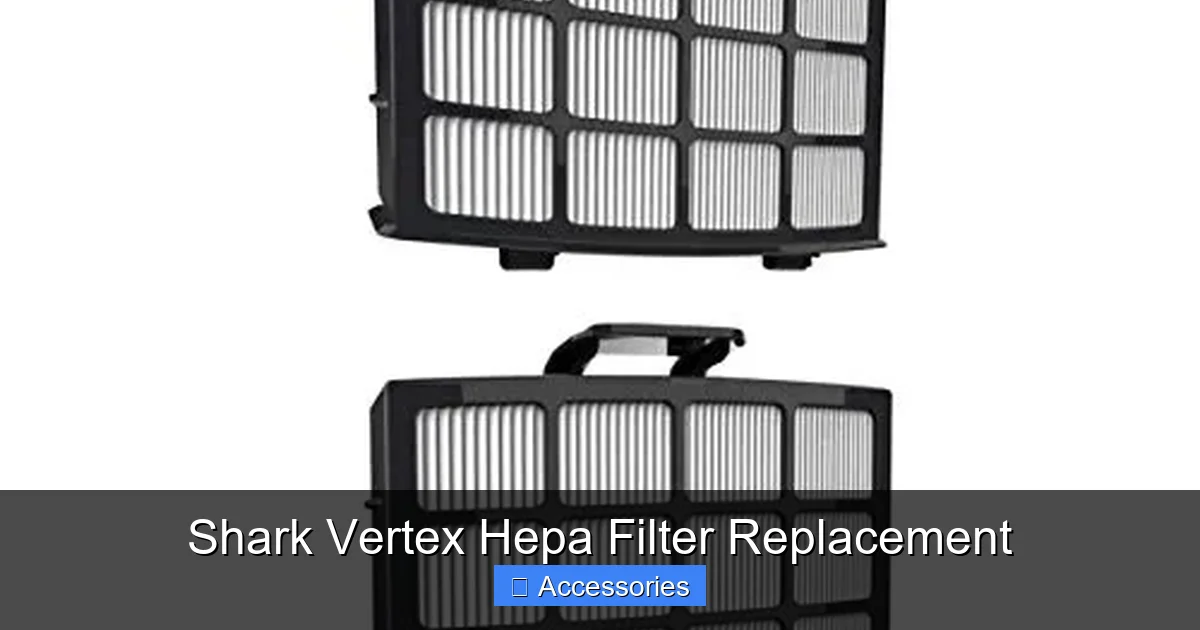
Visual guide about Shark Vertex Hepa Filter Replacement
Image source: m.media-amazon.com
Factors That Accelerate Filter Wear
- Allergy & Asthma Sufferers: If you run your vacuum frequently to manage pet dander, pollen, or dust mites, your filter is capturing a massive load of fine particles and will clog faster.
- Pet Owners: Dogs and cats shed skin cells (dander) and hair. Dander is very fine and prolific. A home with multiple pets may need a filter change every 4-6 months.
- Carpeted Homes: Wall-to-wall carpeting traps deep dirt and dust, which your vacuum agitates and pulls up. This means more fine particulate for the HEPA filter to handle versus mostly hard floors.
- High-Dust Environments: Living on a dirt road, in a dry, windy area, or having a home prone to dust accumulation will load your filter more quickly.
- Usage Frequency: Vacuuming daily versus once a month creates a world of difference in filter life. Heavy users should plan for the 6-month mark.
The “Feel and See” Test
Don’t ignore the physical signs. Every few months, remove the filter and give it a gentle look and tap. If it looks discolored—gray, brown, or black—and a solid tap over a trash can doesn’t dislodge a cloud of dust, it’s time. If it feels stiff and dense compared to a new one, airflow is restricted. Trust your senses. When in doubt, replace it. The cost of a new filter is minimal compared to the cost of wasted time with poor suction or potential motor repair.
A Step-by-Step Guide to Shark Vertex HEPA Filter Replacement
Good news: replacing your Shark Vertex HEPA filter is designed to be a simple, tool-free homeowner task. Shark engineers these for easy access. While minor model variations exist (like the Vertex AZ6002 vs. AZ8002), the core process is nearly identical across the Vertex lineup. Always start by unplugging your vacuum. Safety first.
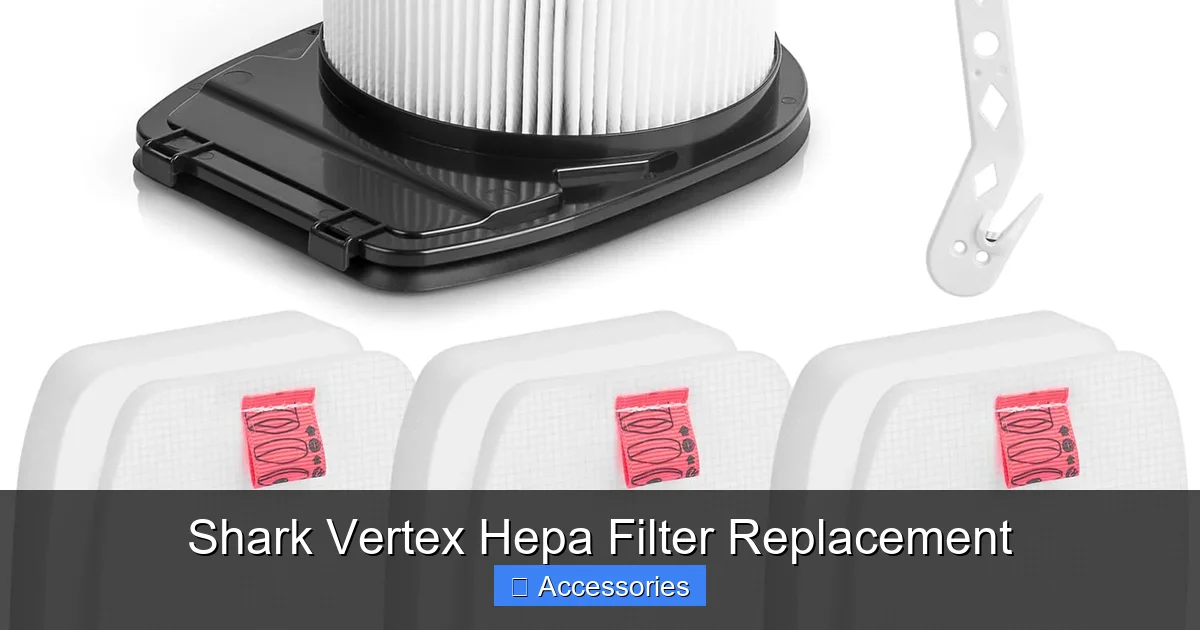
Visual guide about Shark Vertex Hepa Filter Replacement
Image source: m.media-amazon.com
Step 1: Locate and Access the Filter Compartment
On all Shark Vertex models, the HEPA filter is housed in the upper body of the vacuum, just behind the dust cup. You’ll typically find a large, circular or rectangular access door secured by one or two release clips or a single screw. Press the clips or unscrew the fastener, and swing the door open. The HEPA filter is the larger, pleated, often white or off-white cartridge you see inside. The smaller, foam rectangular filter beside it is the pre-motor filter, which should be cleaned regularly but replaced less often.
Step 2: Remove the Old HEPA Filter
Grip the filter by its plastic frame or handle. There may be a slight resistance due to the seal. Gently twist or pull it straight out. Be careful not to shake it excessively, as you’ll release trapped dust back into the compartment. Immediately place the old filter in a plastic bag, seal it, and dispose of it in your outdoor trash. This contains the allergens you’ve captured.
Step 3: Prepare and Install the New Filter
Unbox your genuine Shark Vertex HEPA filter replacement (part numbers like HFV500, HFV501, etc., vary by model—check your manual). Before installing, give the new filter a gentle tap over a trash can to dislodge any potential manufacturing debris. Now, align the filter with its housing. It’s usually keyed—it only fits one way. Push it in firmly and evenly until you feel it seat fully into the base. You should not have to force it. A proper seal is critical for performance.
Step 4: Close Up and Reset the Indicator
Close the filter access door and secure the clips or screw. If your Vertex model has a filter maintenance reminder light on the handle or body, you will need to reset it. The procedure is almost always: With the vacuum powered OFF, press and hold the “Reset” button (often a small circular button near the light or on the back) for 5-10 seconds until the light blinks or turns off. Then plug in and power on. Consult your specific model’s manual if the reset isn’t obvious. That’s it! You’ve successfully completed your Shark Vertex HEPA filter replacement.
Maintenance Tips to Prolong Your HEPA Filter’s Life
While full replacement is inevitable, you can stretch the time between major changes with smart habits. The goal is to reduce the load on your HEPA filter so it can focus on the finest particles rather than being clogged with larger, easily removable debris.
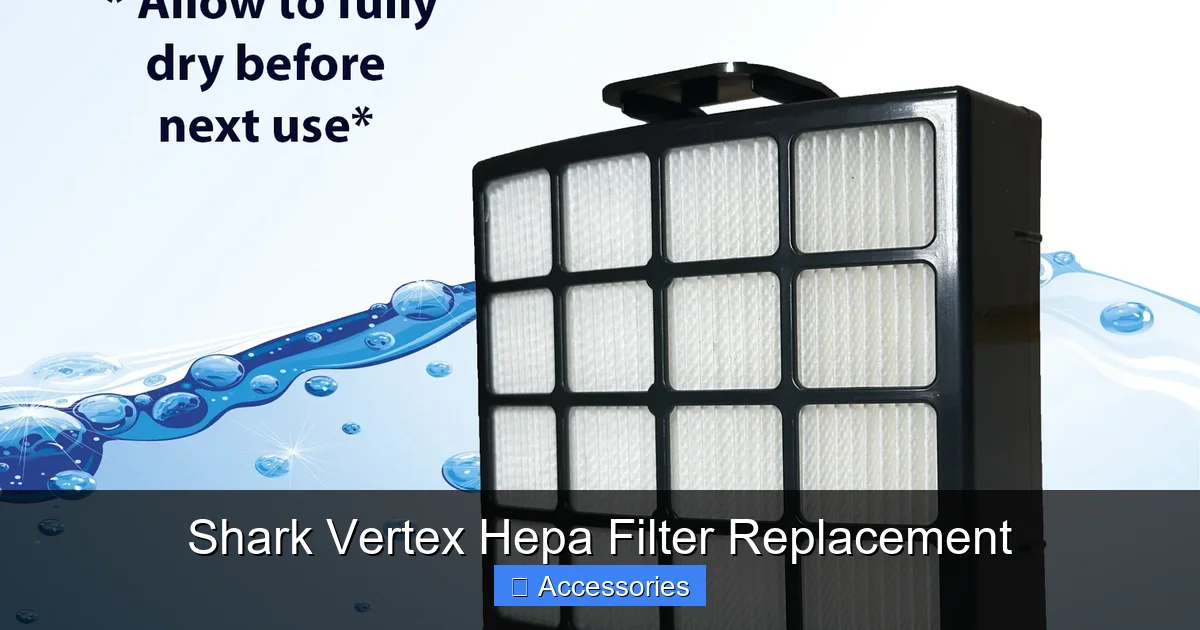
Visual guide about Shark Vertex Hepa Filter Replacement
Image source: nispira.com
The Pre-Motor Foam Filter is Your First Line of Defense
This small, rectangular foam filter sits right before the HEPA filter. Its job is to catch the bulk of larger dust and debris. You should clean this foam filter after every few vacuuming sessions. Simply remove it, rinse it under cool running water until the water runs clear, squeeze out excess water, and let it air-dry completely for at least 24 hours before reinserting. A clean pre-motor filter means your HEPA filter deals primarily with microscopic particles, dramatically extending its service life. Never put a damp foam filter back in.
Empty the Dust Cup After Every Use
This seems obvious, but it’s critical. A full dust cup forces more fine dust past the cyclonic separation and directly into the HEPA filter. Get in the habit of emptying it into your outside bin after every single vacuuming session. Give the cup a quick tap and wipe the seals to remove any stuck-on debris. This simple habit is the single biggest thing you can do for your filter’s longevity.
Avoid “Overloading” with Fine Debris
Be mindful of what you’re vacuuming. While your Vertex is powerful, using it to clean up massive amounts of fine construction dust, fireplace ash, or plaster dust will overwhelm the HEPA filter almost instantly. For such jobs, consider a dedicated shop vac with a different filtration system. Also, ensure your vacuum’s seals are intact. A crack in the dust cup or a poor seal on the hose will allow unfiltered air to leak, reducing overall suction and making the HEPA filter work harder for less return.
Genuine Shark Vertex HEPA Filters vs. Aftermarket: Is It Worth the Risk?
When it’s time for a Shark Vertex HEPA filter replacement, you’ll quickly see two options: the official Shark brand filter and a variety of cheaper, third-party “compatible” filters. The price difference can be tempting, but this is one area where you often get what you pay for.
Engineering and Fit: The Precision Difference
Shark designs its Vertex HEPA filters to exact specifications for that model series. The Pleat design, frame dimensions, and sealing surfaces are engineered to create a perfect, airtight seal within the vacuum’s housing. Aftermarket filters, made from lower-cost materials, often have slight dimensional variations. This can result in a poor fit—a gap that allows unfiltered air to bypass the filter entirely, rendering it useless. You might as well not have a filter in place. Worse, a poorly fitting filter can rattle, create annoying noises, and even damage the housing over time.
Filtration Efficiency and Material Quality
A genuine Shark HEPA filter uses a specific, certified media that meets the 99.97% at 0.3-micron standard. Third-party filters may use “HEPA-like” media that has not been certified. Their efficiency can be significantly lower, perhaps capturing 80-90% of large particles but allowing a much higher percentage of the smallest, most harmful allergens to pass through. The frame material is also often flimsier. For the health of your family, especially those with respiratory sensitivities, compromising on filtration is a serious risk.
Warranty and Long-Term Value
Using non-Shark approved parts can void your vacuum’s warranty. If a motor fails and Shark service technicians find evidence of an aftermarket filter causing airflow restriction, they can deny the warranty claim. When you factor in the potential cost of a motor repair against the small premium of a genuine filter, the choice becomes clear. A genuine Shark Vertex HEPA filter replacement is an investment in your vacuum’s longevity and your peace of mind. You’re paying for guaranteed performance, fit, and the protection of your warranty.
Health and Performance Benefits: The Tangible Results of a New Filter
Let’s connect the dots from the mechanical process to the real-world outcomes. Installing a new Shark Vertex HEPA filter isn’t just a chore to check off a list. It’s a direct upgrade to your living environment and your cleaning tool’s effectiveness.
Noticeably Restored Suction Power
This is the most immediate and satisfying benefit. You’ll feel it in your hand. A new filter removes the airway restriction, allowing the vacuum’s motor to operate at its designed CFM (cubic feet per minute). Deep carpet cleaning becomes easier, debris is picked up on the first pass, and you won’t have to go over spots repeatedly. That powerful, consistent suction you loved when you first bought the Vertex comes roaring back. It transforms cleaning from a struggle into a quick, efficient task.
Dramatically Improved Indoor Air Quality
With a sealed system and a fresh HEPA filter, your vacuum becomes an air purifier. As you clean, it actually removes particles from the air and traps them permanently. For allergy sufferers, this means fewer sneezes, itchy eyes, and congestion during and after vacuuming. You might notice you don’t need to open windows as much after cleaning because there’s no post-vacuuming dust haze in the air. For homes with infants, elderly, or anyone with respiratory conditions, this improvement in baseline air quality is a significant, ongoing health benefit.
Protecting Your Investment and Quieting the Machine
A motor straining against a clogged filter works harder, runs hotter, and often sounds louder—a high-pitched whine or strain. A new filter allows for smooth, quieter operation. More importantly, it prevents the gradual degradation of the motor’s internal components due to heat and dust infiltration. You are proactively extending the functional lifespan of your Shark Vertex by several years. Considering the cost of the vacuum, a $30-$50 filter every year is a tiny fraction of the replacement cost. It’s the definition of cost-effective protection.
Cost Considerations and Where to Buy
A genuine Shark Vertex HEPA filter typically costs between $25 and $50, depending on the specific model and whether you buy a single or a multi-pack. This might seem like an ongoing expense, but frame it in context. It’s a consumable, like ink for a printer or oil for a car. Budgeting $50-$100 a year for filter maintenance is standard for any high-performance appliance that directly impacts your health.
Authorized Retailers vs. Third-Party Sellers
For peace of mind, purchase your filters from authorized Shark retailers (like Shark’s own website, major appliance stores, or reputable online marketplaces like Amazon sold by Shark directly). This guarantees you receive a genuine, current-stock part. Be extremely cautious on general auction or discount sites where listings say “Fits Shark Vertex” without the Shark branding and part number. These are almost always aftermarket. Always cross-reference the part number with your vacuum’s manual or Shark’s official parts finder tool.
The Multi-Pack Strategy
Shark often sells two-packs of HEPA filters at a slight discount per unit. If you know your household requires a change every 6 months, buying a two-pack can save you a few dollars and ensure you have a replacement on hand when needed. It also reduces the “friction” of having to order a single filter, making it more likely you’ll stick to the schedule. Store the spare in a cool, dry place in its original packaging until needed.
In the end, your Shark Vertex HEPA filter is more than a part; it’s the guardian of your vacuum’s power and your home’s air. Making Shark Vertex HEPA filter replacement a regular, mindful part of your home maintenance routine is one of the simplest, most impactful things you can do. You’ll enjoy a more effective clean, a healthier environment, and a trusted appliance that lasts for years. Don’t wait for the suction to fade. Mark your calendar, check your filter, and take five minutes to make a profound difference.
Frequently Asked Questions
How do I know which Shark Vertex HEPA filter I need?
Your vacuum’s model number is key. Find the label on the back or bottom of your Shark Vertex (e.g., AZ6002, AZ8002). Use this number on the Shark official website’s “Find Parts” tool or in your user manual to identify the exact HEPA filter part number (like HFV500 or HFV501). Using the correct part ensures a perfect fit and performance.
Can I wash or clean my Shark Vertex HEPA filter to reuse it?
No. Shark Vertex HEPA filters are not washable or cleanable. They are made of delicate, pleated fibrous media designed for single-use. Washing will damage the microscopic structure, destroy its HEPA certification, and promote mold growth. Always replace a dirty HEPA filter with a new one. The pre-motor foam filter, however, is washable and reusable.
Where is the best place to buy genuine Shark Vertex HEPA filters?
The safest places are the official Shark website, authorized major retailers (Target, Walmart, Best Buy), or their verified sellers on Amazon. These sources guarantee you receive a genuine Shark part. Avoid generic listings on marketplace sites from unknown sellers, as these are typically aftermarket filters of questionable quality and fit.
Will a Shark Vertex HEPA filter fit other Shark vacuum models?
Generally, no. HEPA filters are model-specific due to differences in housing size, shape, and connector design. A filter for the Vertex series will not fit a Shark Navigator, Rotator, or IZ series. Always confirm compatibility using your specific Vertex model number before purchasing.
My vacuum doesn’t have a filter light. How do I know when to change the filter?
Without an indicator, rely on time and performance. For average use, set a calendar reminder for 9 months. More proactively, check the filter visually every 3 months. If it appears dark gray or black and does not release a puff of dust when gently tapped, replace it. Also, note any consistent, gradual loss of suction power that isn’t solved by emptying the dust cup or cleaning the pre-motor foam filter.
Will a new HEPA filter really help with my allergies?
Yes, absolutely. A properly functioning HEPA filter is critical for allergy management. It traps the microscopic allergen particles (pollen, dust mite feces, pet dander) that trigger symptoms. By preventing these particles from being exhausted back into your home’s air during vacuuming, a new filter can significantly reduce airborne allergen levels and alleviate sneezing, congestion, and itchy eyes.